In recent years, African countries have significantly increased their climate ambitions. From updated Nationally Determined Contributions (NDCs) to regional commitments under the African Union, the message is clear: climate action is no longer optional. But ambition alone is not enough.
Despite strong policy frameworks, implementation across the continent continues to lag. As highlighted by the Institute for Security Studies, 2026 presents a critical opportunity for Africa to shift from pledges to measurable action.
So what is holding progress back? And why do climate commitments still struggle to translate into results?
The Implementation Gap
On paper, many African countries are doing the right things. Climate strategies are increasingly aligned with global frameworks. Governments are setting targets, developing policies, and participating in international climate discussions. Across the continent, there is no shortage of declarations, roadmaps, or high-level commitments. But policies do not implement themselves.
The real challenge lies in execution — and building the systems required to turn commitments into measurable outcomes. This includes institutions that can coordinate across sectors, frameworks that can monitor progress, and mechanisms that ensure accountability.
Without these systems, climate pledges risk remaining aspirational rather than actionable.
The Data Problem
At the heart of the issue is a fundamental gap: data.
Effective climate action depends on the ability to measure emissions, track progress, and assess impact. Yet in many African countries, data systems remain weak, fragmented, or underdeveloped. This creates several challenges like difficulty in accurately measuring emissions, limited tracking of climate finance flows, inability to quantify loss and damage, and gaps in climate risk mapping and forecasting.
Without reliable data, governments struggle to demonstrate progress or access international funding tied to performance and accountability. Climate finance mechanisms increasingly require transparency, reporting, and verifiable outcomes — standards that are difficult to meet without strong data infrastructure.
In short, what cannot be measured cannot be managed.
Limited Technical Capacity
Another major barrier is the shortage of technical expertise required to implement climate strategies. This goes beyond general knowledge of climate change. It includes specialized skills such as climate modeling and scenario analysis, environmental data management, monitoring and evaluation systems, and project design for international funding.
In many countries, these skills are limited in public institutions. Where expertise exists, it is often concentrated in international organizations or the private sector, creating a gap in government-led implementation. This capacity deficit slows down everything, from project design to execution and reporting.
The result is a cycle: limited capacity leads to weak implementation, which in turn limits access to funding and further capacity building.
Climate Action vs Development Planning
In many cases, climate initiatives are treated as separate from broader development priorities. This creates a structural disconnect. For example, a country may commit to reducing emissions while simultaneously expanding carbon-intensive infrastructure. Agricultural policies may prioritize short-term productivity without integrating climate resilience.
Urban development plans may overlook environmental sustainability altogether.
Climate goals, in these cases, exist alongside development agendas rather than within them.
The consequences are clear:
- Misaligned policies across sectors
- Inefficient allocation of resources
- Short-term economic priorities overriding long-term sustainability
To move forward, climate action must be embedded into core development planning — particularly in sectors such as agriculture, energy, transport, and urban development.
The Climate Finance Challenge
African leaders have consistently called for reforms in global climate finance systems, particularly through platforms led by the African Union.
These calls are valid. Africa contributes the least to global emissions but faces some of the most severe climate impacts. Access to adequate funding remains a critical issue.
However, access to finance is also a technical problem. Many countries face challenges in developing bankable, investment-ready climate projects, navigating complex application processes, meeting strict compliance requirements and ensuring transparency in fund management.
For example, climate funds often require detailed feasibility studies, risk assessments, and long-term monitoring plans. Without the technical expertise to meet these requirements, funding opportunities remain underutilized.
Even when funds are approved, weak implementation structures can delay or limit their impact.
Related Articles
Here is a list of articles selected by our Editorial Board that have gained significant interest from the public:- African Countries, Least Responsible for Climate Change, Will Have to Spend the Most to Adapt
- Increasing Demand for Oil and Fuel Threatens African Nations’ Economies, Analysis Finds
- Africa Steps Up to Reshape International Tax Rules
- “Debt for Climate!” Campaign Demands Cancellation of Global South Debt
A Case Study: When Ambition Meets Reality
Nigeria, like many African countries, has made strong climate commitments, including its pledge to achieve net-zero emissions by 2060. However, translating this ambition into action has proven complex.
Challenges such as inconsistent data systems, limited technical expertise, and coordination gaps between federal and state institutions continue to slow progress. Renewable energy projects, for instance, often face delays due to regulatory bottlenecks and financing challenges.
At the same time, Nigeria’s growing population and energy demands create pressure to prioritize immediate economic needs over long-term sustainability. This tension between ambition and reality is not unique to Nigeria; it reflects a broader continental pattern.
What Needs to Change
If Africa is to move from ambition to action, the focus must shift from policy creation to system building. Key priorities include:
- Strengthening national data and monitoring systems
- Investing in technical education and institutional capacity
- Embedding climate goals into national development plans
- Simplifying and improving access to climate finance
- Strengthening coordination between government agencies
These steps may not attract global headlines, but they are essential for meaningful and sustained progress.
Reality
Africa’s climate narrative is often framed around urgency and vulnerability. But another reality exists: a widening gap between what is promised and what is delivered.
The continent does not lack ambition. It lacks the technical infrastructure needed to sustain it. Closing this gap requires long-term investment — not just in projects, but in systems, institutions, and people.
Africa understands the urgency of climate change. The challenge is whether it can build the mechanisms needed to respond effectively and consistently. Until technical gaps are addressed, climate pledges will continue to outpace implementation. The future of Africa’s climate action will not be defined by the promises it makes, but by the systems it builds to keep them.
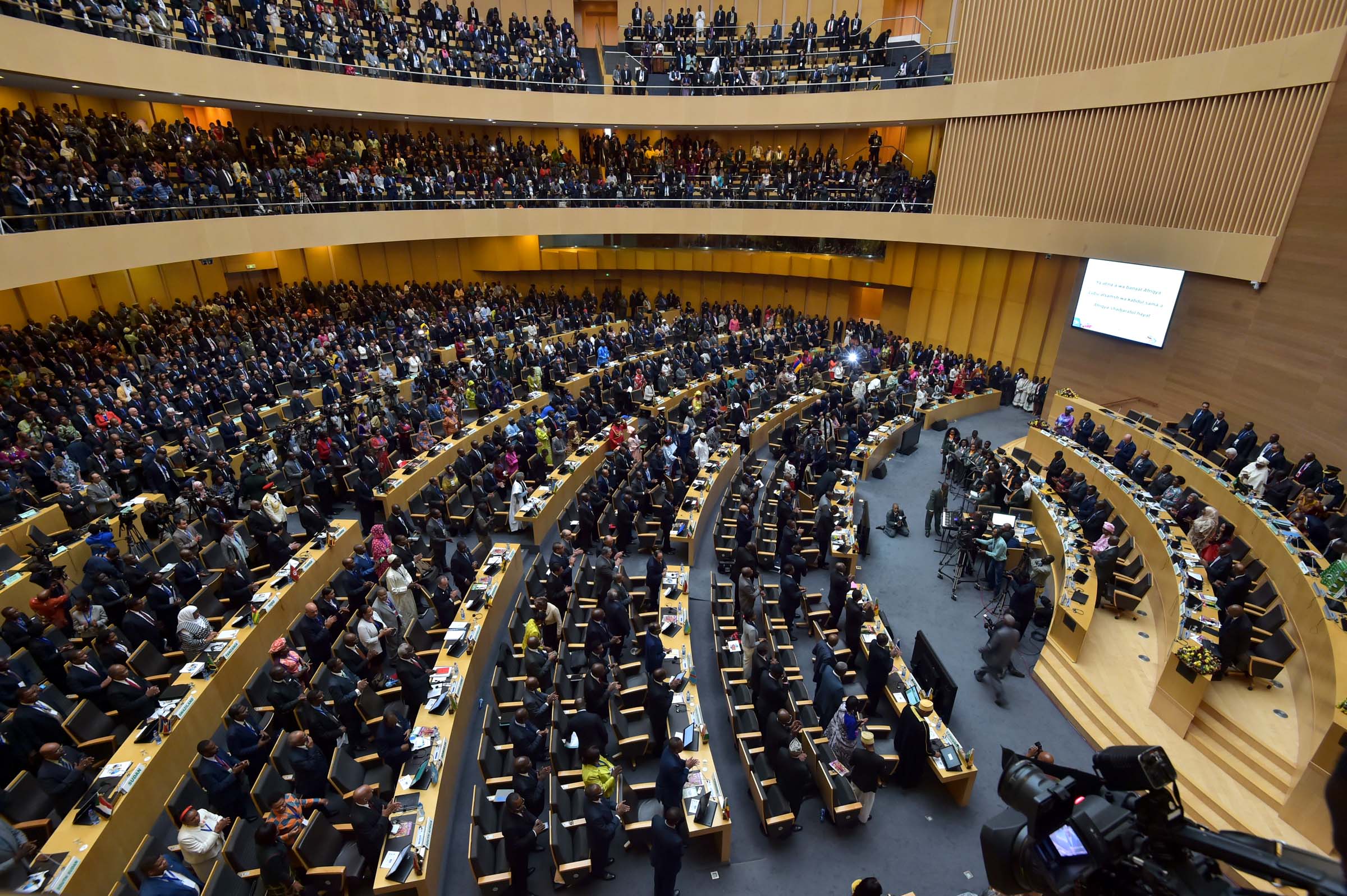
Editor’s Note: The opinions expressed here by the authors are their own, not those of impakter.com — In the Cover Photo: The Ordinary Session of the Assembly of African Heads of State and Government of the African Union Summit in Addis Ababa, Ethiopia. Cover Photo Credit: GCIS.