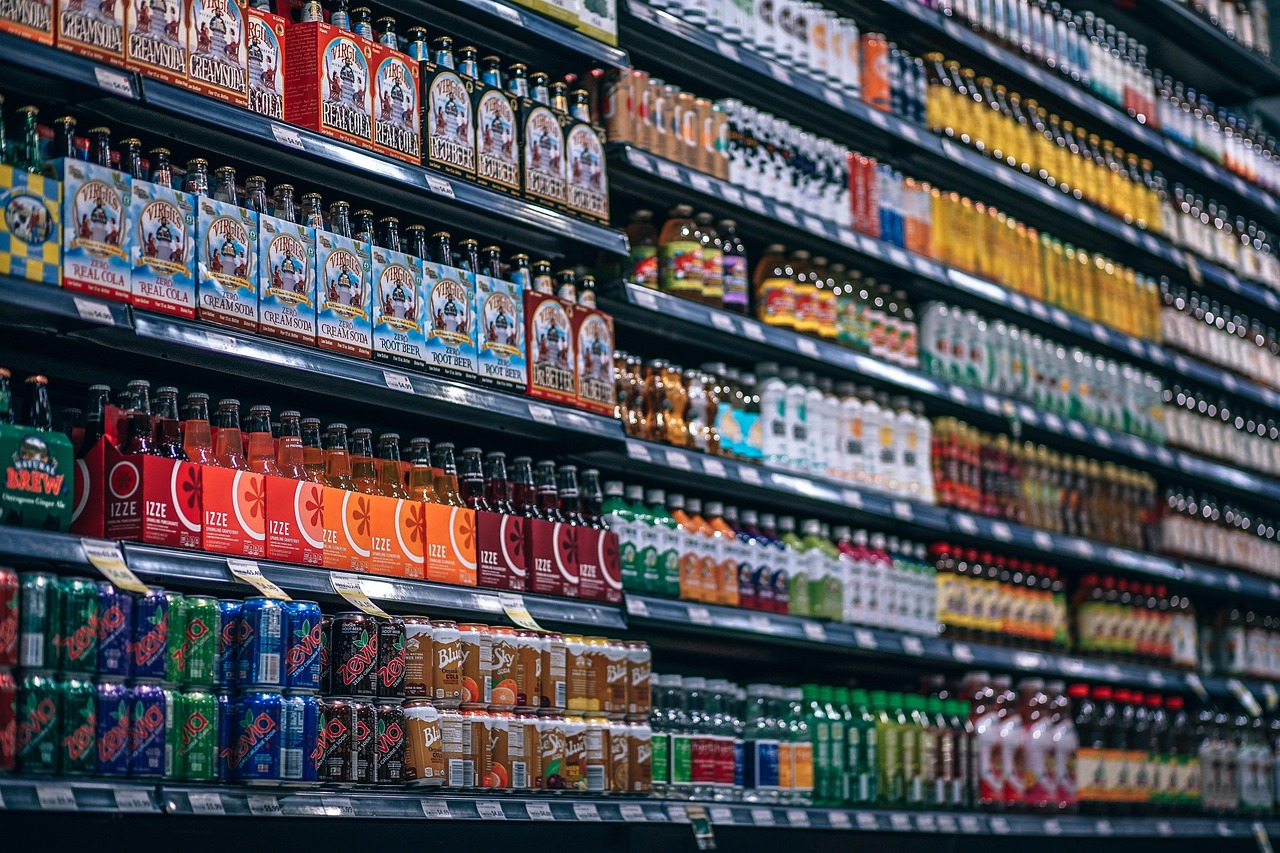
For many businesses, managing beverage waste means handling everyday waste materials such as production byproducts, wastewater, and even excess packaging materials.
However, these strategies don’t often include full beverages that must be taken off the market, whether due to damaged packaging, a recall, overproduction, or other reasons that make them unsellable. The good part about this?
What may seem like a challenge can actually open up new opportunities for businesses. But it starts with understanding the real environmental consequences of sending full beverages to waste and the processes that make recovery possible.
Keep reading to better understand how businesses can meet sustainability goals and do their part to reduce their environmental footprint.
The Environmental Cost of Sending Beverages to Landfill
Unfortunately, many companies and households have created a habit of sending their waste to landfills. While many people don’t consider what happens after the waste is hauled away, the dangers of relying on landfills have become increasingly clear.
For beverage companies specifically, sending full beverages to landfills can contribute to environmental impacts, particularly when organic contents decompose and generate methane, a powerful greenhouse gas. It can also result in recyclable packaging materials being discarded rather than recovered and reused.
According to the World Resources Institute, up to 40% of food is lost or wasted along the value chain. Let’s take India, for example.
A recent article on India’s food waste discusses how the country’s food waste problem has become a vicious cycle with climate change. As stated in the article, “This is the grim reality of climate change — extreme heat and flooding directly cause massive food loss at the farm gate, which in turn intensifies the climate threat when it rots in landfills.”
This is just one example, but India is not alone in this fight. This illustrates the broader scale of food-system waste and the need for more effective recovery and diversion strategies.
Full beverage inventory represents a separate waste stream with its own recovery challenges. In addition to managing the liquid contents, companies must consider how bottles, cans, cartons, and other packaging can be separated and routed for appropriate recovery, recycling, or disposal.
How to Keep Unsaleable, Expired, and Recalled Beverages Out of Landfills
Reducing landfill exposure from unsaleable inventory requires a detailed plan that covers the proper separation, collection, and transportation of materials. Since full beverages have an added layer of complexity compared with other types of beverage waste, they require additional processing to keep them out of landfills.
This is where depackaging becomes critical. Depackaging is the process of separating liquid waste from packaging waste. There are different systems that can be implemented, but they all have the same end goal: efficient separation of materials so each can be sent to the proper processing facility.
For instance, let’s say you have expired energy drinks in aluminum cans. If you send them to a recycling facility before separation, they may be rejected and sent to a landfill. If they undergo depackaging first, the liquid waste can be properly managed while the aluminum can be recovered for use in new products.
This process differs depending on the type of liquid waste and packaging, but the goal remains the same: to recover materials that would otherwise be sent to landfills.
Put simply, this is one of the steps that can help companies make progress toward their sustainability goals.
Liquid and Packaging Recovery After Depackaging
While depackaging is a key step in this process, what’s really important is what happens after the packaging and liquid waste are separated.
Liquid Recovery
The first step is to route the liquid through an appropriate treatment or recovery pathway based on the product characteristics and receiving-facility requirements. The right processing pathway depends on the characteristics of the product. Factors like alcohol content, sugar content, acidity, and organic load can all affect which recovery pathway is appropriate.
That said, here are two pathways that can be considered for liquid recovery:
- Anaerobic digestion: As defined by the American Biogas Council, anaerobic digestion is a series of biological processes in which microorganisms break down biodegradable material in the absence of oxygen. The process produces biogas, a renewable energy source, and digestate, a nutrient-rich material that can be used as fertilizer.
- Ethanol recovery: Eligible alcohol-based, sugar-based, or ethanol-containing residuals may be evaluated for ethanol recovery or reclamation, depending on composition, volume and receiving-facility requirements.
Packaging Recycling
Packaging recovery is a separate process that must be handled carefully to maximize recovery. Three recyclable materials commonly used for beverages include aluminum, PET plastic, and glass.
That said, companies that use sustainable beverage packaging must ensure that their packaging is properly handled to prevent it from being rejected by processing facilities. This includes proper separation, ensuring the products have undergone depackaging, and maintaining the quality of the materials through careful handling.
The exact process depends on the type of material, but the goal remains the same. Companies that recycle beverage packaging can keep materials in circulation longer and reduce the need for virgin materials.
Final Thoughts
In this article, we discussed the importance of depackaging and explored the different processing pathways that companies can consider.
However, what we also have to mention is that greater recovery starts with changing your business’ mindset regarding waste. Rather than just seeing unsaleable inventory as lost sales, companies must shift their perspective to consider the opportunities for more efficient processing and recycling.
When it comes to sustainability, landfill diversion can help reduce the environmental impact of business operations. This includes reducing pollution, maximizing resource potential, and reducing greenhouse gas emissions associated with waste. This helps companies work toward their sustainability goals and demonstrate their commitment to more responsible waste management.
In the end, the more customers, investors, and businesses that support material recovery, the greater the potential environmental impact.
So ask yourself: Does your company have a strategy in place if you need to manage unsaleable beverage waste? What changes can you make to ensure the process supports a better future for your company and the environment?
Editor’s Note: The opinions expressed here by the authors are their own, not those of impakter.com