Today’s ESG Updates:
- United Arab Emirates to Leave OPEC: The UAE’s exit from OPEC could add more uncertainty to future fuel and energy costs for households and businesses.
- Shell Warns Hormuz Blockade Could Stretch Global Energy Crunch Into 2027: Shell CEO says the Hormuz disruption may keep oil and LNG markets tight for at least another year.
- PepsiCo and Suppliers Sign 10‑Year Wind Power Deal to Cut Value Chain Emissions: PepsiCo and key suppliers are repowering Spanish wind power as a lever for Scope 3 decarbonisation across their European operations.
- Blackstone Backs European Renewables with €2 Billion Eurowind Investment: The investment helps to scale up solar, wind, and battery projects across 16 European markets, betting on surging electricity demand driven by AI, electrification, and re-industrialisation.
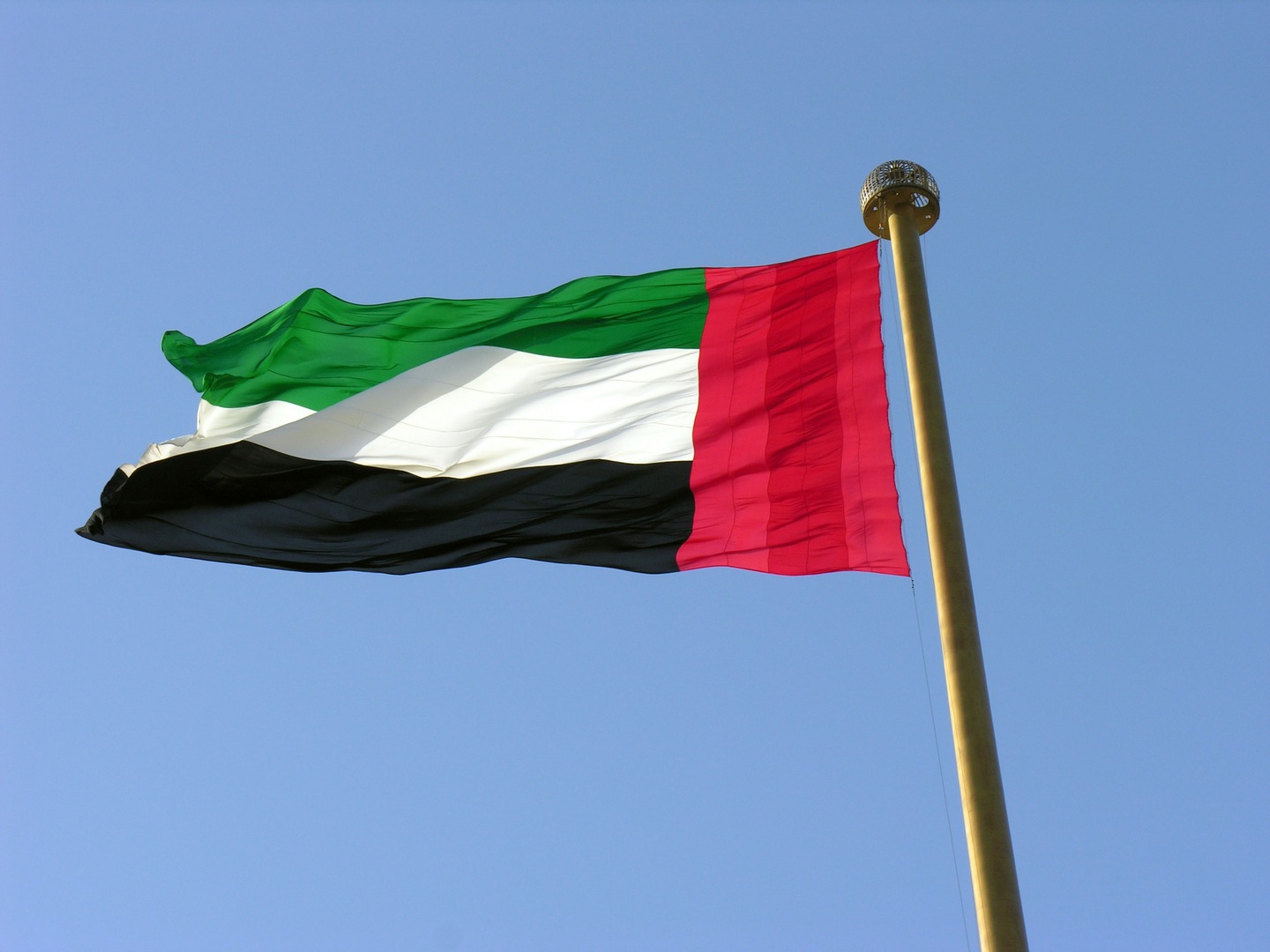
United Arab Emirates to leave OPEC
It has been confirmed that the United Arab Emirates (UAE) is leaving both OPEC and OPEC+ next month, with the move aiming to pump more oil freely after investing to raise capacity, a move some analysts call “the beginning of the end” for the cartel as it loses about 15% of its capacity and one of its most compliant members. Oil prices are already elevated at around $113/bbl (barrel), up from about $73/bbl before the US‑Israel war with Iran.
The World Bank has warned that this conflict has caused the biggest loss of oil supply on record, pushing average energy prices up by roughly a quarter this year and hitting the poorest households hardest. The UAE, currently OPEC’s fourth‑largest producer at about 2.9 million bpd (barrels of oil per day) in 2024, could add roughly 1 million bpd outside OPEC, helped by one of the lowest break‑even costs in the world, nearly half that of Saudi Arabia, meaning it can profit even at lower prices.
Its energy minister says leaving gives “more flexibility,” and experts argue the country now wants to “sell as much oil as they can to as many people as possible,” potentially clashing with any future OPEC attempts to keep prices high and forcing Saudi Arabia to do most of the “heavy lifting” on supply cuts.
The World Bank also notes it may take about six months for shipping through the Strait of Hormuz to return to pre‑war levels, so the UAE’s exit will not change supply immediately but could reshape Middle East geopolitics and oil markets over the coming decades.
***
Further reading: United Arab Emirates to quit oil cartel Opec
Klimado – Navigate climate complexity with a user-friendly platform that tracks global and local environmental changes for ESG-conscious decision-making. Perfect for investors, companies, and policymakers seeking actionable insights on sustainability trends.
Shell warns Hormuz blockade could stretch global energy crunch into 2027
Shell CEO Wael Sawan warns that the Hormuz blockade has already kept roughly 900 million barrels of oil from being produced in recent months, forcing the world to lean on dwindling inventories, trigger demand curtailment in some regions, and push buyers into fuel switching as about 20% of global oil and gas is effectively locked out of the market. Brent is trading around $111.19/bbl (barrel) after jumping 2.8% as US‑Iran talks stall, and Sawan says tight supply‑demand balances could last “for at least the coming months, if not the next year‑plus,” potentially stretching shortages into 2027 and hitting both oil and LNG. Asia is singled out as a major loser as countries like Iraq, Kuwait, and Qatar shut in production and compete for cargoes elsewhere, bidding prices higher. Meanwhile, Shell’s recent $13.6 billion takeover of Canadian shale producer ARC Resources is framed as supporting production growth through 2030 and feeding LNG Canada’s exports to Asia, adding some diversification away from the Middle East, even though the company had been assessing ARC well before the Iran war.
Sawan sums up Shell’s stance as focusing on diversifying production and “new horizon” opportunities while stressing that the current shock is “profound” and not just about oil but also LNG.
***
Further reading: Shell CEO says blockade may mean energy shortages last into 2027
Related Articles
Here is a list of articles selected by our editorial board that have gained significant interest from the public:
PepsiCo and suppliers sign 10‑Year wind power deal to cut value chain emissions
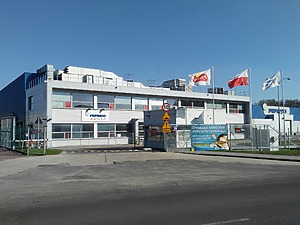
PepsiCo, Givaudan, Smurfit WestRock, and Statkraft have signed a 10‑year virtual Power-Purchasing Agreement (PPA) for a repowered wind project in Spain under PepsiCo’s pep+ REnew program, expected to cut about 32,000 metric tons of CO₂ emissions per year and mark the program’s first European renewable electricity cohort, following its expansion to support 250+ companies globally.
PepsiCo is using this deal to advance its SBTi‑validated pathway toward net zero by 2050, including 2030 targets of a 42% cut in Scope 3 Energy & Industry emissions and 30% in Scope 3 FLAG emissions from a 2022 baseline.
PepsiCo EMEA CSO Archana Jagannathan highlights “a further step forward in our journey to reduce emissions not only within our own operations but across our entire value chain.” At the same time, Givaudan’s sustainability lead Willem Mutsaerts calls it “a compelling example of how we are bringing to life sustainable growth with customers.” Statkraft’s EVP Hallvard Grandheim stresses that “companies of varied sizes can work together to help drive meaningful climate impact.”
The project will repower existing wind capacity with more efficient turbines, reusing grid infrastructure to boost output and limit additional environmental impact.
***
Further reading: PepsiCo, Givaudan, Smurfit WestRock, and Statkraft sign 10‑year renewable energy agreement to advance value chain decarbonization across Europe

Blackstone backs European renewables with €2 Billion Eurowind investment
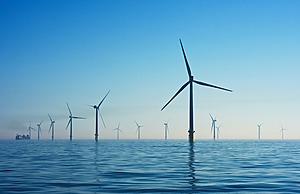
Blackstone Infrastructure is pumping up to €2 billion into Eurowind Energy. The deal aims to accelerate Eurowind’s expansion, as European power demand is expected to grow by more than 3% annually through 2040, driven by electrification, AI, and re-industrialization after years of flat demand.
Eurowind CEO and Co-founder Jens Rasmussen will stay on and says the investment will let them “install three to four times more solar and wind energy as well as batteries versus our current pace.”
Norlys, Denmark’s largest integrated energy and telecoms group, remains invested alongside Blackstone, with Norlys Group CEO Gert Vinther Jørgensen emphasizing that “Europe needs to become self-sufficient with stable and competitive energy.” The transaction is expected to close before year-end, adding to Blackstone’s €400 billion in European assets and targeting over €500 billion in European assets by 2035.
***
Further reading: Blackstone Infrastructure to Invest up to €2 Billion in Leading Pan‑European Renewables Developer Eurowind Energy
Editor’s Note: The opinions expressed here by the authors are their own, not those of impakter.com — In the Cover Photo: Flag of the United Arab Emirates. Cover Photo Credit: Saj Shafique on Unsplash