Today’s ESG Updates
- Sizewell C Nuclear Project Faces Long-Term Cost Concerns: UK auditors warned the £38 billion plant may not deliver net household savings until 2064.
- Indonesia Tightens Control Over Commodity Exports: Jakarta will centralize palm oil, coal, and ferroalloy exports through a state-run entity.
- UK Climate Risks Could Cost £260 Billion Annually by 2050: Rising heat, flooding, and drought threats are driving calls for major resilience investment.
- Australian LNG Plants Disrupted by Worker Strikes: Industrial action at major LNG facilities could add pressure to global gas supplies.
Sizewell C nuclear plant cost may outweigh household benefits for decades
The National Audit Office has warned that the cost of the £38bn Sizewell C nuclear plant is subject to significant uncertainty and that its risks are immediate, substantial, and borne by the public. For UK households, the cost of supporting the project’s construction could exceed overall savings until at least 2064, nearly halfway through its 60-year operational life. According to the government, the reactor could save £2bn a year for the electricity system compared to using other low-carbon technologies.
The UK government is the majority stakeholder in the project and has invested £14.2bn. The French state nuclear company EDF has invested £1.1bn for a 12.5% stake in the reactor. Other current project stakeholders include Centrica (15%), the Canadian pension fund La Caisse (20%), and Amber Infrastructure (7.6%).
***
Further reading: Spending watchdog warns £38bn cost of Sizewell C nuclear plant is ‘risky’
Klimado – Navigating climate complexity just got easier. Klimado offers a user-friendly platform for tracking local and global environmental shifts, making it an essential tool for climate-aware individuals and organizations.
Indonesia to centralize key commodity exports via sole state enterprise
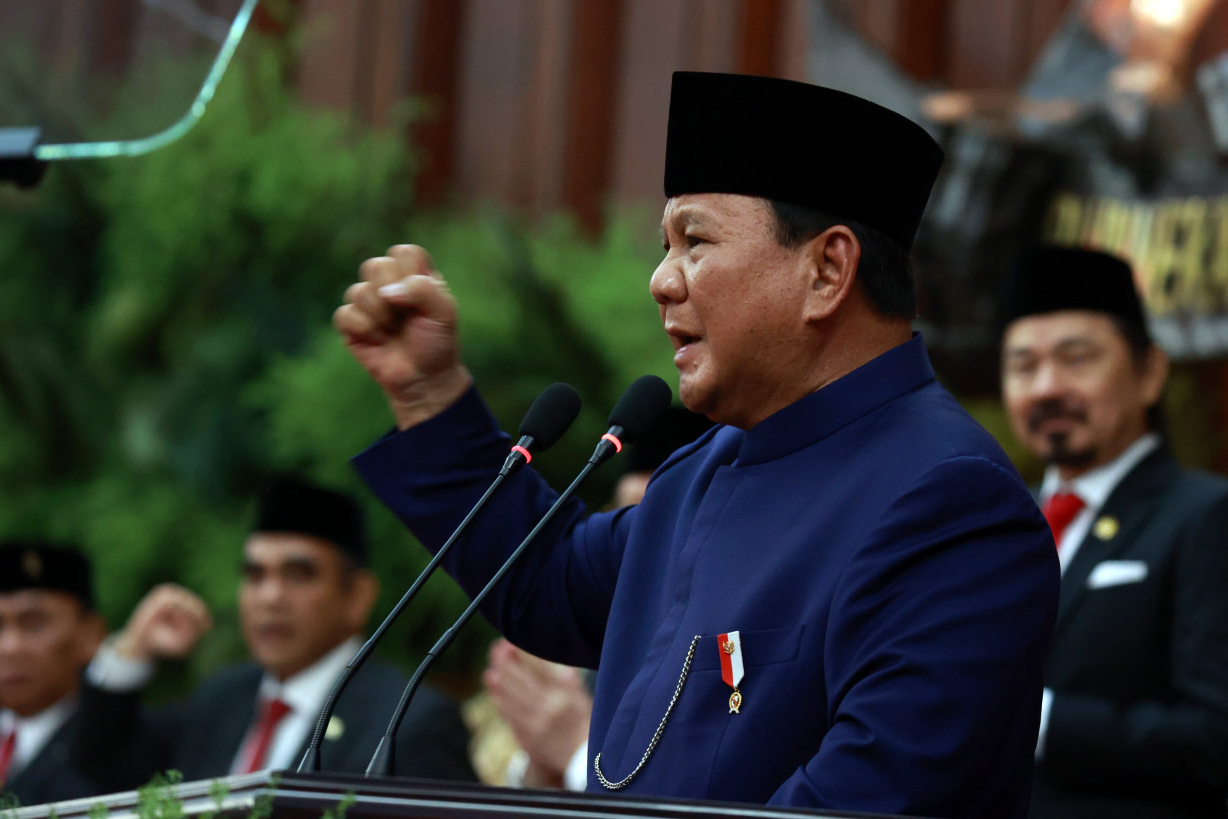
Indonesian President Prabowo Subianto announced that the government will centralize the export of key commodities through a state-operated enterprise designated as the sole exporter. Prabowo stated that Indonesia has lost as much as $908 billion in revenues over the last 34 years due to its commodities being sold too cheaply. The centralized export regulation will initially apply to key exports, including palm oil, coal, and ferroalloy, as Indonesia is the world’s largest exporter of thermal coal and palm oil.
A three-month transition period will allow exporters and buyers to conduct business as usual while the government-appointed entity monitors transactions. At the end of the transition period, all exports must go through the state-appointed firm, which will be overseen by Indonesia’s sovereign wealth fund, Danantara.
Market concerns over potential changes to the pricing mechanism caused Jakarta’s main stock index to drop 3.5% on Tuesday and another 2% on Wednesday before paring losses.
***
Further reading: Indonesia unveils plan to centralise control of commodity exports
Related Articles
Here is a list of articles selected by our Editorial Board that have gained significant interest from the public:
Britain faces £260bn annual cost by 2050 without heavy climate resilience investment

Britain needs to invest 11 billion pounds annually to make its homes and public buildings resilient to escalating threats of drought, flooding, and extreme heatwaves. Without action to conserve water, a global temperature rise of 2 degrees Celsius by 2050 could lead to water shortages in Britain exceeding 5 billion litres per day.
Future heatwaves in southern England could regularly exceed 40 degrees Celsius, surpassing Britain’s highest recorded temperature to date of 40.3 degrees Celsius in the summer of 2022. Annual heat-related deaths could reach 10,000 without climate change adaptation, more than three times the current level. With 2 degrees Celsius of global warming by 2050, the number of properties at risk from flooding could increase by up to 40%.
The total cost of failing to prepare for a warmer climate could reach 260 billion pounds per year by 2050 under the 2 degrees Celsius global warming scenario.
***
Further reading: UK urged to invest much more to tackle risks of drought, flooding, heat

Maintenance workers strike at Australian LNG export plants
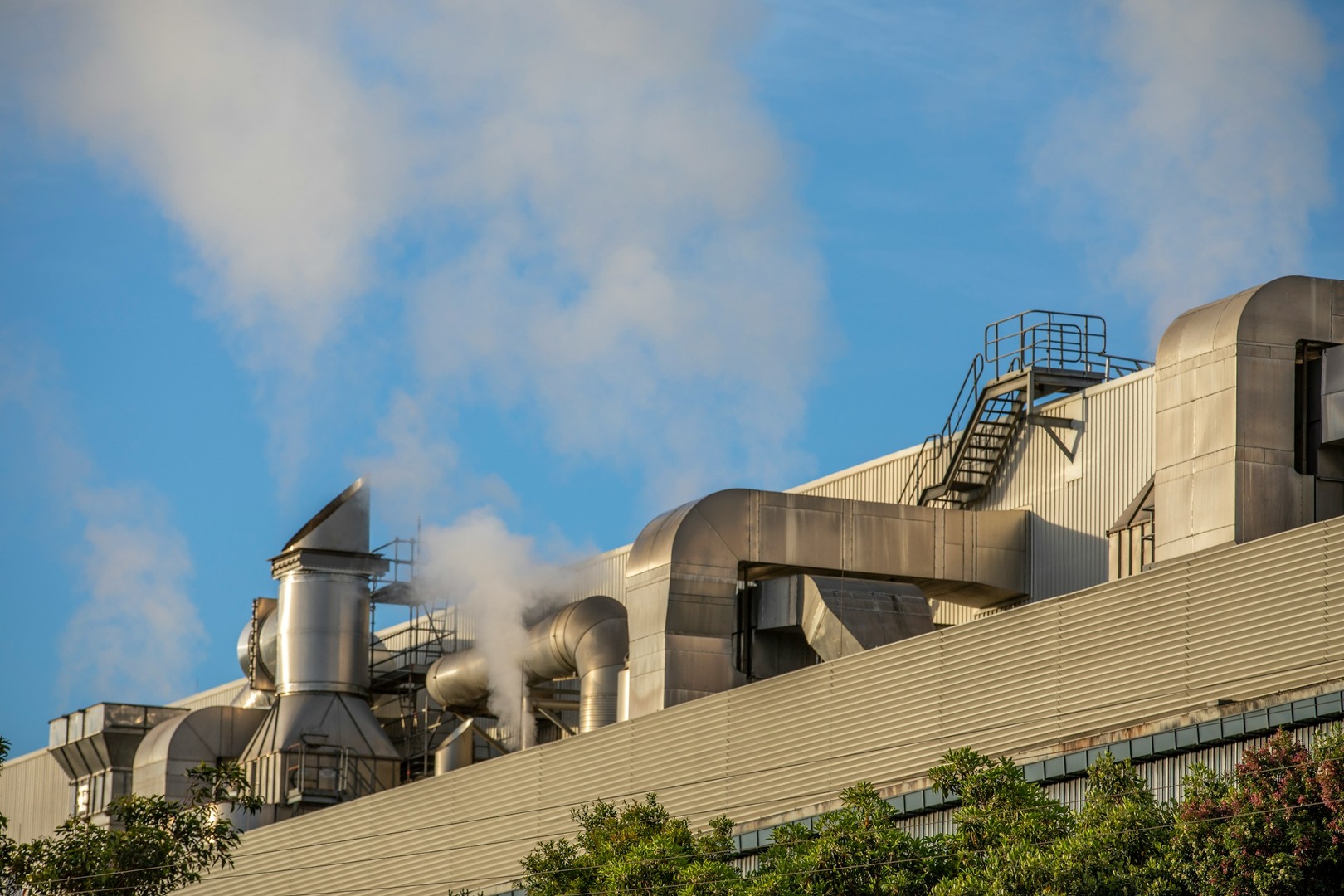
Maintenance workers went on strike on Wednesday at Woodside Energy’s North West Shelf and Pluto LNG export plants in Australia following failed negotiations with contractor UGL. The Offshore Alliance union group initiated protected industrial action after UGL offered an enterprise agreement that fell short of industry standards. The union group has also alleged that the contractor used third-party workers to drive down wages. The strike action will continue until an enterprise agreement is finalized with the contractor.
The Karratha gas plant processes gas for the North West Shelf, which is Australia’s oldest and second-largest LNG project, producing 14.3 million metric tons of liquefied natural gas a year. The nearby Pluto LNG facility produces 4.9 million metric tons of liquefied natural gas per year.
Separately, unionized workers at Inpex’s Ichthys LNG plant in northern Australia have served notice of a strike starting May 27, threatening to disrupt operations amid a global supply crunch.
***
Further reading: Australian maintenance workers strike at Woodside’s North West Shelf LNG plant
Editor’s Note: The opinions expressed here by the authors are their own, not those of impakter.com — In the Cover Photo: Nuclear power plant in Antwerp, Belgium. Cover Photo Credit: Nicolas HIPPERT.