Today’s ESG Updates
- Unions Keep Fighting for Clean Energy Jobs Despite Trump: Labor coalitions built during the Biden years are defending offshore wind projects as Trump cancels leases and stalls new development, even though courts have blocked every stop-work order so far.
- Bigger, Hotter Fires Are Wiping Out Western Forests for Good: Scientists say up to 40% of Western conifer forests could convert permanently to shrubland by 2100, as fires now burn too hot and too fast for pine seeds to regenerate.
- Tropical Storm Moke Bears Down on Hawaii Again: Just a week after Hurricane Lala, Moke is bringing heavy rain and flood risk to the Big Island, part of an unusually active season fueled by El Niño.
- Scientists Warn a “Super” El Niño Is About to Take the Wheel: Forecasters say this year’s El Niño could rank among the strongest in a century, reshaping storm tracks, snowpack, and drought risk across North America.
Unions keep fighting for clean energy jobs despite Trump
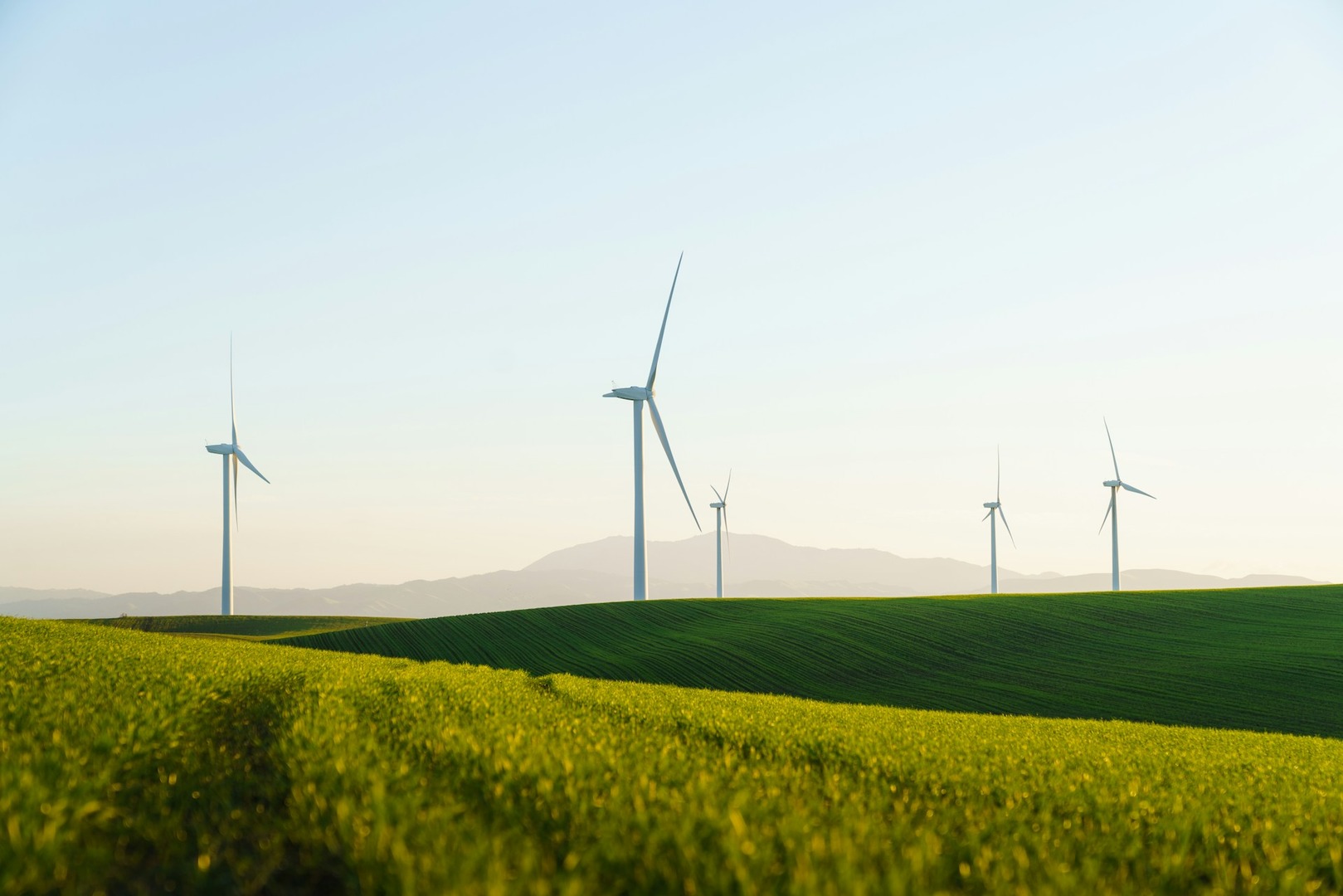
Ryan McElroen used to fix subway tracks underground; now he builds offshore wind turbines in the middle of the ocean, trained through his union, IBEW Local 3. His path reflects a decade of work by labor coalitions like the Climate Jobs National Resource Center, which tied clean energy growth to strong union jobs well before Trump returned to office. Since then, Trump has ordered stop-work notices on four major offshore wind projects and spent $2.7 billion canceling a dozen leases outright.
Courts blocked every stop-work order, and construction has continued. Still, BloombergNEF’s 2035 capacity projection for U.S. offshore wind has collapsed from 39 gigawatts to just 6, even as workers like McElroen plan their careers around an industry whose future looks far less certain than it did two years ago.
Klimado – Navigating climate complexity just got easier. Klimado offers a user-friendly platform for tracking local and global environmental shifts, making it an essential tool for climate-aware individuals and organizations.
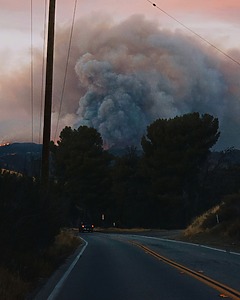
Photo credit: Polina Kuzovkova
Wildfires are wiping out western forests for good
On a Sierra Nevada slope where ponderosa pines once stood for centuries, ecologist Winslow Hansen hasn’t found a single new seedling since the 2022 Oak Fire burned through. “The fires are just too hot for them,” he said. It’s not an isolated case. A new Science Advances study examined nearly 3,500 fires across Canada and the western U.S. from 2012 to 2023 and found the same pattern everywhere: fires now burn too fast and too hot for pine forests to regenerate naturally. Researchers estimate up to 40% of Western conifer forests could permanently convert to shrubland by 2100, threatening faster snowmelt, strained water supplies, and the loss of major carbon sinks just as scientists experiment with planting resilient seedlings from warmer elevations.
Related Articles
Here is a list of articles selected by our Editorial Board that have gained significant interest from the public:
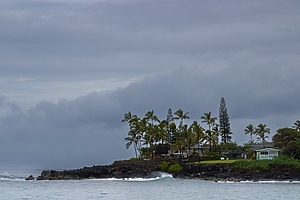
Photo credit: Kanoa Leong
Tropical storm Moke bears down on Hawaii again
Hawaii barely had time to recover from Hurricane Lala before Tropical Storm Moke showed up. The storm was tracked roughly 545 miles southeast of Hilo with sustained winds of 45 mph, expected to pass just south of the islands but still bring 5 to 15 inches of rain and a real risk of flooding and mudslides on already saturated ground.
It’s the second week running that Hawaii has faced a tropical storm, an unusually high frequency driven by El Niño, which is warming the ocean southeast of the islands, exactly where storms like Moke tend to form. The Eastern Pacific season has already produced nine named storms, including Category 5 Hurricane Genevieve in July.

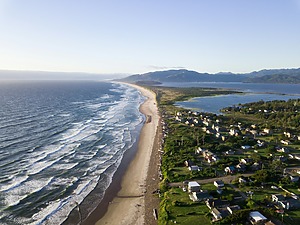
Photo credit: Dan Meyers
Scientists warn a “super” El Niño is about to take the wheel
Some call it a “Godzilla” El Niño. Whatever the name, scientists agree this year’s Pacific warming pattern is unusually strong and hasn’t peaked yet. It isn’t why this summer’s fires and heat waves happened, but forecasters say the real disruption is still ahead. The outlook splits North America: a milder winter for Canada and the northern U.S., drier conditions for coastal British Columbia, and a wetter season for the southern U.S.
The Eastern Pacific hurricane season already shows its fingerprints, with nine named storms so far. Researchers say this event could rank among the strongest El Niños in a century, on par with 1997-98 and 2015-16, both linked to billions in weather damage worldwide.
Editor’s Note: The opinions expressed here by the authors are their own, not those of impakter.com — Cover Photo Credit: Zac Wolff on Unsplash