Today’s ESG Updates
- UN Supports Historic Climate Action Resolution: The General Assembly backed an ICJ opinion calling for stronger global action on climate change.
- Italy’s Green Transition Lags Behind Europe: Slow renewable energy growth is leaving Italy exposed to high fossil fuel-driven power costs.
- UK Speeds Up Clean Energy Approvals: New planning reforms aim to accelerate projects supporting Britain’s 2030 zero-carbon power goal.
- Australia Expands Biofuel Production Plans: The government will introduce mandates and new funding to strengthen energy security and low-carbon fuel supply.
UN General Assembly backs historic climate action resolution
The UN General Assembly voted 141 to 8 to adopt a resolution supporting an International Court of Justice advisory opinion on legal obligations of countries to address climate change. Twenty-eight countries abstained from voting, while a small handful of eight countries, including the United States, voted against it. The resolution supports a 2025 advisory opinion from the International Court of Justice that called for countries to cut fossil fuel use and fight global warming. The U.S. joined Saudi Arabia, Russia, Israel, Iran, Yemen, Liberia, and Belarus in opposing the resolution.
Odo Tevi, the Vanuatu ambassador to the UN, said that it is the countries that contribute the least to the problem who bear the heaviest burden. For instance, by the year 2100, much of Tuvalu is projected to be underwater at high tide. In Tuvalu, where the average elevation is just 2 metres above sea level, more than a third of the population has applied for a climate migration visa to Australia.
***
Further reading: UN backs historic climate crisis ruling, despite US attempts to stop resolution
Klimado – Navigating climate complexity just got easier. Klimado offers a user-friendly platform for tracking local and global environmental shifts, making it an essential tool for climate-aware individuals and organizations.
Italy’s slow green energy transition leaves consumers exposed to high power costs
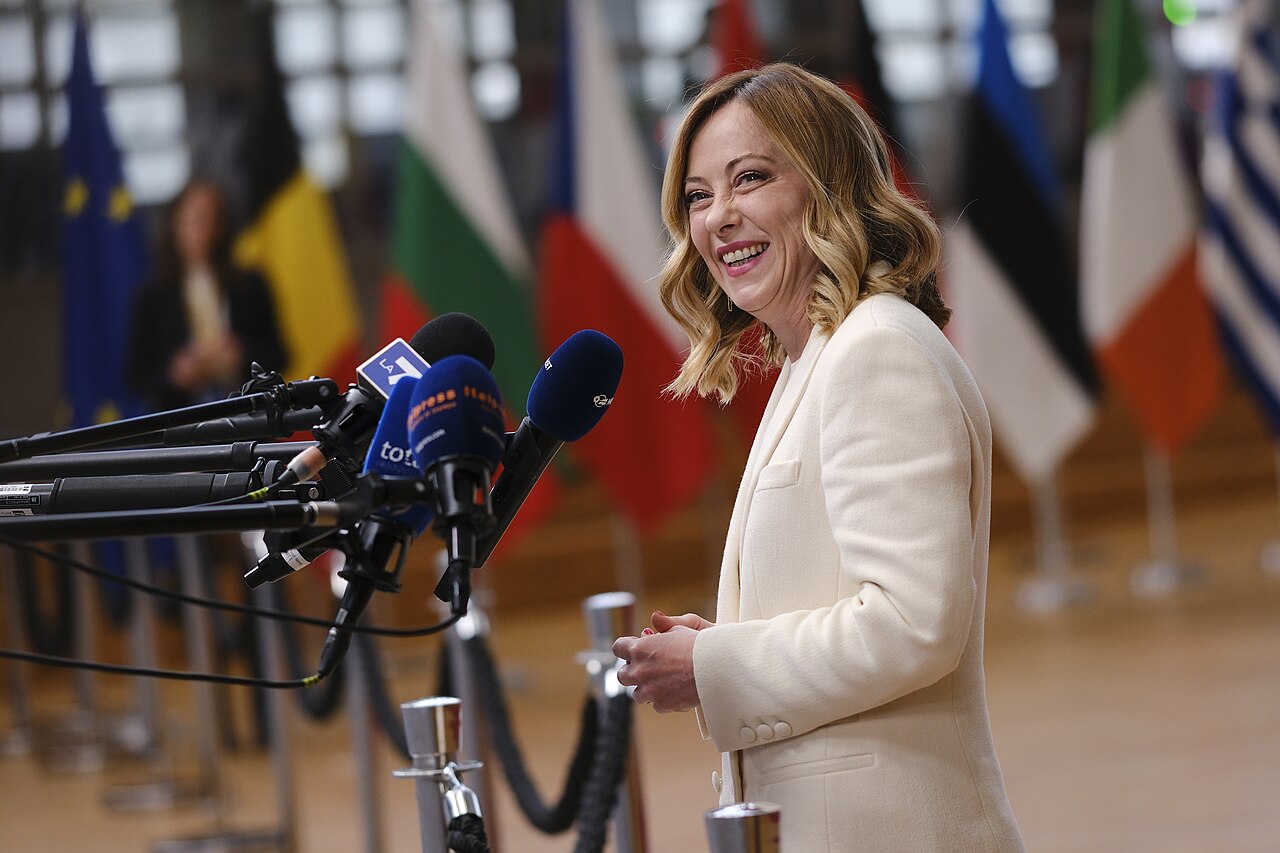
Italian families and firms are facing acute electricity costs due to a surge in fossil fuel prices following the U.S.-Israeli airstrikes that started the Iran war, and Italy is reluctant to transition to green energy. Gas accounts for almost half of Italy’s electricity production, making it the highest proportion in the European Union according to 2025 data by global energy think tanks Ember and the Energy Institute. By comparison, gas accounts for around a fifth of electricity production in Spain, 17% in Germany, and 3% in France.
Between 2020 and 2024, the contribution of renewable sources to Italian power output rose by just above two percentage points to 41%. During that same period, renewables’ share of power output rose by 17 percentage points in Spain, 10 in Germany, and 6.5 in France.
The share of EU post-COVID-19 funds allocated to greening the economy has fallen from a starting 39.5% to 37.1% under Prime Minister Giorgia Meloni, just above the EU-mandated minimum of 37%.
***
Further reading: Italy pays the price of Meloni’s stalled green energy transition
Related Articles
Here is a list of articles selected by our Editorial Board that have gained significant interest from the public:
UK reforming planning rules to fast-track 2030 zero-carbon power goal
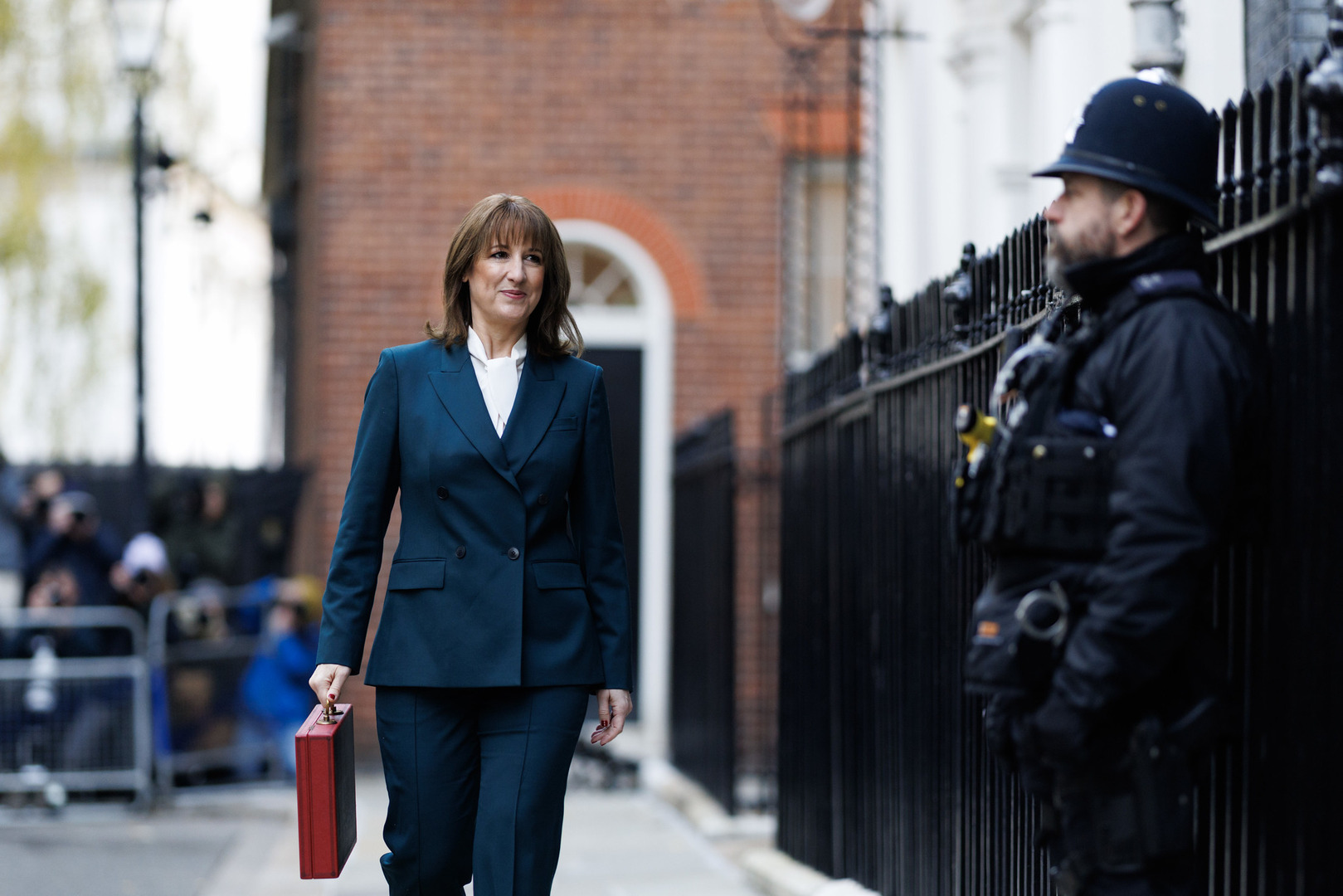
Chancellor Rachel Reeves is poised to fast-track clean energy projects in England and Wales by reforming planning rules to curb the use of judicial reviews, allowing parliament to approve vital projects as being of critical national importance. The measures aim to boost UK energy security and soften the economic impact of the Iran war. Still, they will not apply in Scotland and Northern Ireland, where planning is devolved.
The reforms are designed to help Westminster achieve its nationwide goal of building a virtually zero-carbon power system by 2030. New battery, wind and solar projects approved last year jumped to 45 GW in energy capacity. The 45 GW of approved clean energy capacity represents a 96% increase from the total approved in 2024.
***
Further reading: Rachel Reeves to protect ‘critical’ clean energy projects from legal challenges

Australia fast-tracks biofuel mandates and funding to secure energy independence
Australia plans to introduce biofuel blending mandates to incentivise local production and increase energy security following the outbreak of the Iran war, which imperilled fuel imports. Many countries have sought to increase biofuel production since the Iran war began in late February, which strangled hydrocarbon exports through the Strait of Hormuz and raised oil prices. The Australian government will begin consultations in the coming months on which mandates to introduce and could have a policy ready by the end of the year.
The centre-left Labour government announced A$1.1 billion ($783.86 million) of funding over the next decade to support production infrastructure. The government stated that Australia could have a low-carbon fuel industry worth tens of billions of dollars by mid-century.
***
Further reading: Australia plans biofuel mandates to boost its energy security
Editor’s Note: The opinions expressed here by the authors are their own, not those of impakter.com — In the Cover Photo: United Nations General Assembly Hall in the UN Headquarters, New York, U.S., April 23, 2011. Cover Photo Credit: Basil D Soufi.