
Eight years after the UN treaty on the trade in arms came into force, a look back reveals mixed results to date.
The 2013 Arms Trade Treaty (ATT) was the culmination of protracted negotiations over agreed common standards regulating the conventional arms trade, and reducing the flow of unregulated arms. However, among the top 25 arms exporters in 2020, eight were not ATT parties, yet represented 62% of recorded exports. One hundred and eleven nations are party to the treaty; the ATT absentees include the United States, Russia, and India.
Yet viewed positively, the treaty to restrict arms proliferation and gender-based violence has strengthened and legitimised local and international advocacy to end human rights violations. When it comes to gender-based violence, small arms and light weapons are the most utilised — much of them diverted and transferred illicitly from official trade shipments. The ATT has allowed the Committee on the Elimination of Discrimination against Women to repeatedly recognise the detrimental impact of this weaponry upon women and girls.
The ATT has also fortified legal challenges against governments, providing support for the argument that arms transfers are violating international human rights and humanitarian law. For example, the advocacy group Campaign Against Arms Trade made the case against the British government that its extensive arms sales to Saudi Arabia resulted in gross human rights and humanitarian law violations in Yemen.
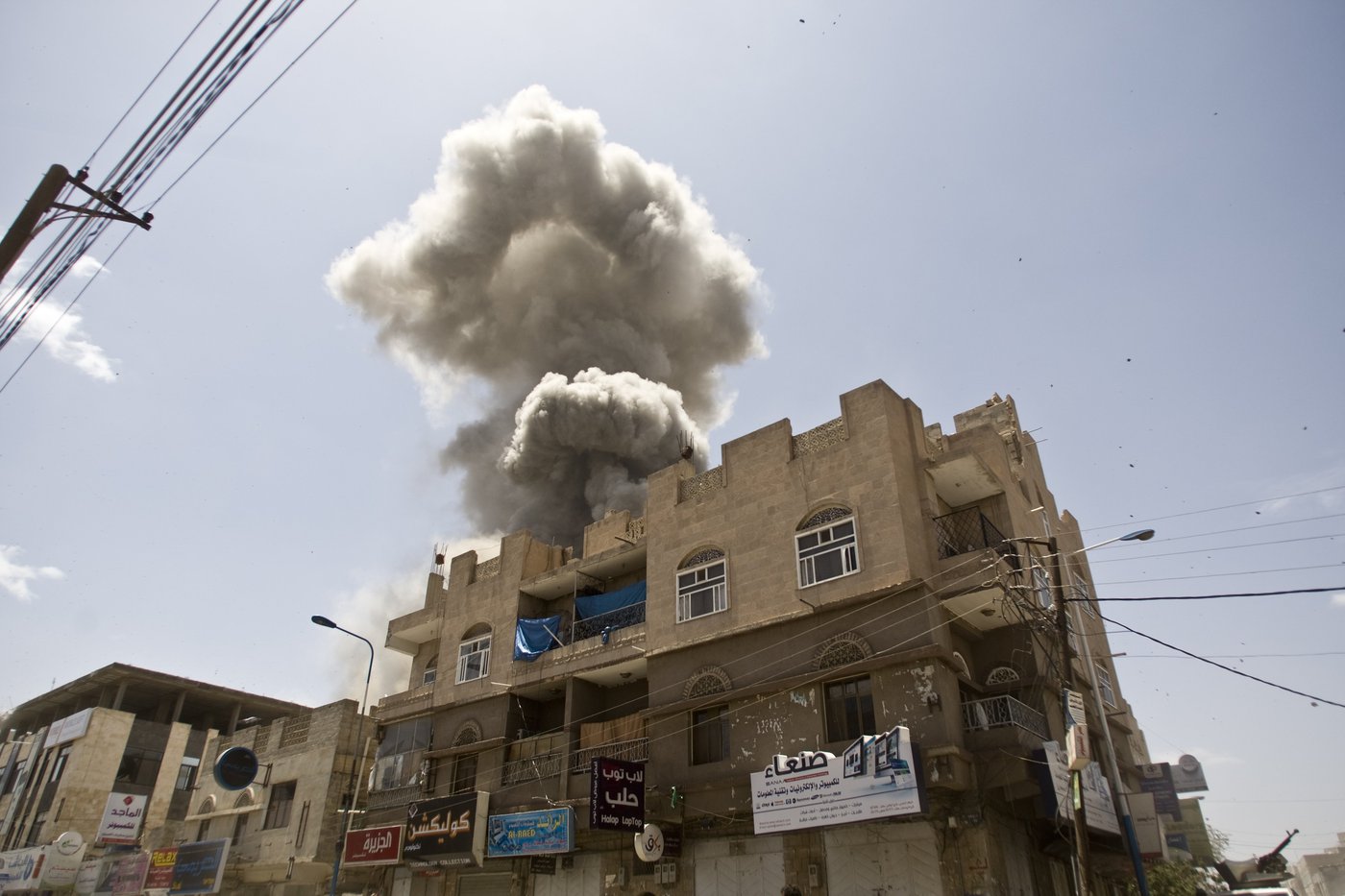
After suspending, but subsequently renewing relevant export licences, the then British trade minister and now Prime Minister Liz Truss mistakenly dismissed the humanitarian law violations committed by Saudi operations in the Yemeni conflict as no more than “isolated incidents.”
Although interrupted by COVID-19, the treaty’s annual Conferences of States Parties have also allowed both official and non-government advocacy to urge stronger implementation of the ATT. That includes improved reporting by states; fuller recognition of ammunition controls as an aim and objective; demands to end weapons supplies to armed proxies and non-state actors; and enhanced funding for national and regional controls over illicit arms transfers.
By contrast, the ATT’s shortcomings are apparent. It lacks a central mechanism capable of driving measures that states are committed to introduce. Such a body is needed to set best practice standards; foster national control of brokerage activity; challenge patently unwarranted state secrecy of arms transfer data; and promote expanded treaty membership.
Related Articles: The G20’s Responsibility for Arms Control | Sustaining Destruction: Nuclear Weapons and the Sustainable Development Goals
In addition, as the treaty is implemented by individual nations, it is heavily reliant on good faith that includes passing national legislation to regulate, for example, arms brokering. Frequently, regulation is either absent, inadequate, or unenforced.
In 2021, of the 110 nations that were party to the ATT, 26 failed to submit required annual reports. Of the 84 that did, 15 did not meet obligations to enact arms brokering control measures, while a further 20, including China, Greece and Nigeria, sheltered under provisions restricting public disclosure of their reports.
Finally, ATT aims and objectives frequently fall subject to the political vicissitudes of our time. President Trump symbolically, but without legal meaning, “unsigned” the United States from the ATT in 2019, making it plain that commercial objectives were behind American conventional arms sales. Yet for US arms control expert Rachel Stohl, the Biden administration has been “frustratingly slow and disappointingly silent” on rejoining the ATT, despite it being part of the Democratic Party’s platform. And it will prove unhelpful to the ATT if the Biden administration, as has been reported, frees the notorious Russian arms dealer Viktor Bout in a prisoner-exchange deal with President Putin.
The war in Ukraine has seen constantly shifting front lines and largely volunteer forces struggling to receive outside military aid via interrupted supply lines. Concerns have been voiced about weapons diverting into Ukraine’s black market.
In the UK, outrage over the loss of innocent civilian lives in Yemen pushed public opinion against continuing British arms sales to Saudi Arabia. The outrage was boosted by Saudi involvement in the 2018 assassination of journalist Jamal Khashoggi.
Despite those continuing concerns, the world is a better place for having the ATT in place. Nonetheless, it remains an instrument in need of dedicated high-level political fortification to deliver on its mandate.
— —
This story on the UN Arms Trade Treaty was originally published under Creative Commons by 360info™.
Editor’s Note: The opinions expressed here by Impakter.com columnists are their own, not those of Impakter.com — In the Featured Photo: Machine gun ammunition. Featured Photo Credit: Matt Hecht.