Today’s ESG Updates
- Britain’s Gas Infrastructure is Ageing: The government is considering plans to provide financial support to safeguard the plants that now provide the country with the necessary resources.
- Extreme Heat Threatens Older People: A study concludes that adults of age might face harmful heat stress from just 1.5°C above preindustrial levels.
- Indonesia Hit by Wildfires: Wildfires burned nearly 95,000 hectares of land in Indonesia in the last month, doing as much damage as in the previous five months.
- French Authorities React to Data Breaches: After recent breaches into French Finance and Tax ministries, the government is planning to hire AI providers, such as Mistral, to assist with vulnerability detection.
Britain must prepare for gas supply issues
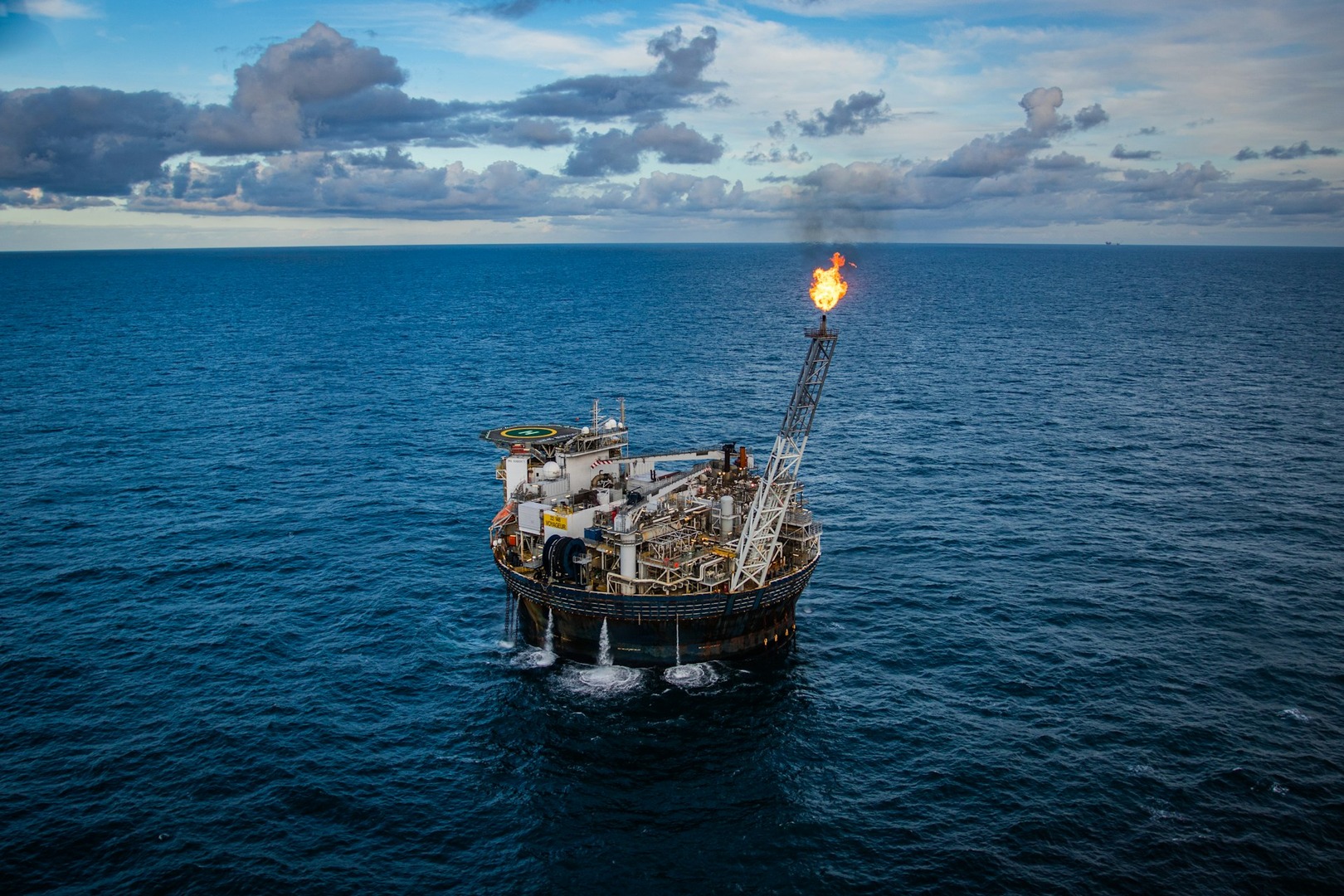
The North Sea reserves continue to deplete, and officials need to pay closer attention to potential scenarios where gas supplies run dry. A consultation found that, under a high-stress scenario, the current infrastructure may fail, leaving homes and businesses without access to gas. These conditions led officials to consider direct financial support for the aging infrastructure, including upgrades and maintenance.
The UK has used gas for a third of its energy consumption, according to official figures. Under the Climate Change Committee, the country plans to cut that figure by more than three-quarters, yet domestic gas supplies are likely to fall faster. The UK’s North Sea plants provided almost half of the country’s homes with gas. Even compared to Norway, where just over a third of gas comes from the North Sea, the UK’s dependence on one natural gas source is alarming.
Klimado – Navigating climate complexity just got easier. Klimado offers a user-friendly platform for tracking local and global environmental shifts, making it an essential tool for climate-aware individuals and organizations.
New research finds increased threat of extreme heat for the elderly

Heatwaves leave a mark on humans with uncompensable heat stress (UHS), a condition where the body cannot cool itself anymore, which can then lead to health damage, including death. As the world heats up, older adults are at greater risk because they tend to sweat less, their hearts have to work harder in the heat, and their blood vessels often can’t widen enough to stay cool.
A recent study in The Lancet Planetary Health stated that older adults are projected to deal with UHS symptoms far more frequently. The 2026 heatwaves confirmed that. The year broke records for the number of heat-related deaths. Heatwaves in May and June caused 2,877 deaths, almost double the number from a year before.
Related Articles
Here is a list of articles selected by our Editorial Board that have gained significant interest from the public:
95,000 hectares damaged in Indonesia during wildfires

In this year alone, more than 200,000 hectares, or almost half a million acres, were hit by wildfires all over Indonesia. This surpasses the numbers from more than a decade ago, the last time El Niño hit strongly, said Minister Raja Juli Antoni. However, compared to 2015, the amount of land affected is a fifth smaller.
The minister also reported water modification operations in regions prone to wildfires from February to July. Indonesia’s weather agency expects the peak of El Niño to occur in August and September and last until early 2027. Right now, authorities are prioritizing wildfire suppression in Bromo National Park, a popular tourist attraction, where more than 1,100 hectares were affected by the wildfires.

French authorities plan to use AI tools for cybersecurity

At the end of last week, France’s Finance Ministry reported a data breach that exposed 678,000 users’ data. A malicious actor broke into the Ministry’s system in late June undetected and concluded with a cyberattack that extracted a large volume of taxpayers’ data. Another attack, according to the chief of the French tax agency, was detected on Monday, and the agency’s personnel are now evaluating its impact.
Now, according to the latest information, the government plans to hire artificial intelligence providers. French Budget Minister David Amiel said on Tuesday that AI models, such as Mistral’s, might be used to address vulnerabilities to cyberattacks and prevent future data leaks.
Editor’s Note: The opinions expressed here by the authors are their own, not those of impakter.com — Cover Photo Credit: matt brown