This Week’s Regulatory Updates:
- Trump Pulls the War Powers Card on Energy: Wartime law, peacetime politics, as Trump bets big on fossil fuels to keep the lights on and voters happy.
- UK to Strengthen Its Energy Regulator With Expanded Powers: The UK government has overhauled Ofgem, giving it new powers to penalize rule-breaking energy firms and to ban executive bonuses.
- UK Takes Action to Break the Link Between Gas and Electricity Prices: The UK government is breaking the link between gas and electricity prices by offering long-term fixed contracts for renewables and imposing a windfall tax on generators.
- Indonesia Removes EV Tax Exemptions due to Fiscal Considerations: Indonesia has pulled the plug on nationwide EV tax breaks, citing fiscal strain, but left the door open for regional governments to fill the gap.
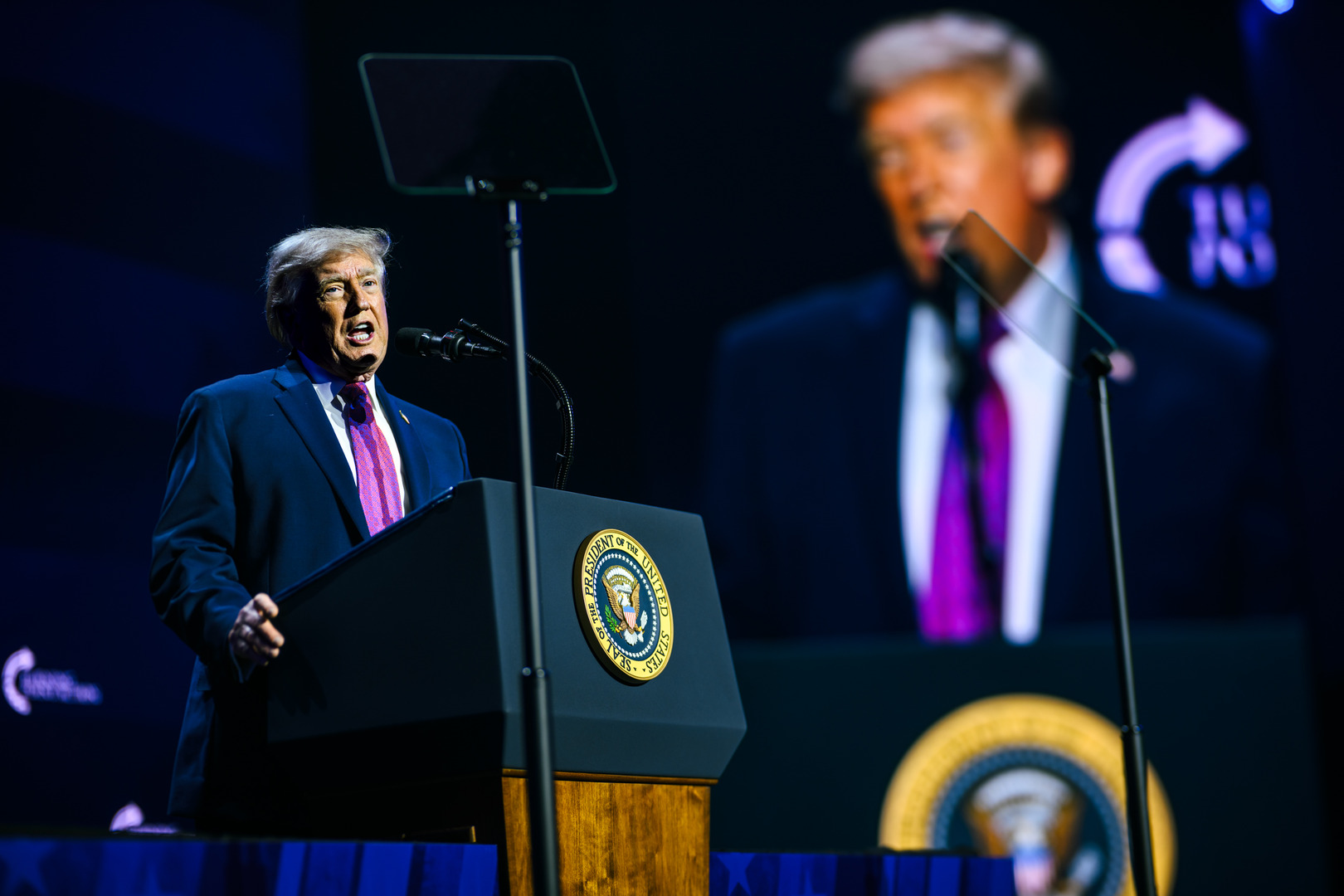
Trump invokes wartime rule to fund new energy projects
Trump signed five presidential determinations under the Defense Production Act (DPA) on April 20, targeting coal, LNG, domestic petroleum, and power grid infrastructure, thereby unlocking federal funds to fast-track energy projects that the White House says are critical to national defense. The move allows the Energy Department to deploy funding from last year’s tax-and-spending package to support coal plants, refineries, gas turbines, and transformers.
The political driver: soaring energy costs amid the ongoing Iran war are threatening Republican seats in the November midterms, and Trump needs to show action. The White House framed it as fulfilling Trump’s promise to “fully unleash American energy dominance to protect our economic and national security.” At the same time, Trump himself warned that the US grid’s “aging and constrained” infrastructure poses “an increasing threat to national defense,” particularly as AI-driven power demand surges. However, experts note that only about $323 million in DPA funding remains for 2026, raising questions about whether this is more of a political signal than real firepower.
***
Further reading: Trump Invokes Wartime Powers to Fund New Energy Projects
UK to strengthen its energy regulator with expanded powers

The UK government has overhauled its power market regulator Ofgem in a first major shake-up since it launched in 2000, giving it sharper teeth to protect consumers. Key new powers include the ability to enforce consumer law directly without going to court and the ability to ban executive bonuses if energy companies break the rules.
Energy Secretary Ed Miliband framed it as “tough and fair measures to ban energy company bonuses if they break the rules.” Crucially, Ofgem’s remit is being streamlined to focus solely on economic and consumer protection, with oversight of the home upgrade scheme moving to the new Warm Homes Agency, a sign the government wants the regulator to be laser-focused rather than spread thin. This comes on the back of a 7% price cap drop at the start of April, with Ministers describing tackling the “affordability crisis” as their “number one priority.”
***
Further reading: Ofgem transformed to strengthen protections for energy consumers
UK takes action to break the influence of gas on electricity prices

In addition to Ofgem reforms, the UK government is also taking steps to stop volatile global gas prices from inflating taxpayers’ electricity bills, something that’s happened roughly 60% of the time as recently as now, down from 90% in the early 2020s. The two-pronged plan involves offering existing renewable generators voluntary long-term fixed-price contracts and hiking the Electricity Generator Levy from 45% to 55% to claw back windfall profits when gas prices spike.
UK Prime Minister Sir Kier Starmer said, “We need to get off the fossil fuel rollercoaster, when global gas prices spike, people here shouldn’t be picking up the tab.” The package also includes a £9,000 boiler upgrade grant for oil/LPG households, £100m more for social housing solar (up to 57,000 installations), and £90m to back UK heat pump manufacturing, all aimed at reducing structural dependence on imported gas following the latest instability in the Middle East.
***
Further reading: Decisive action to break the influence of gas on electricity prices
Indonesia removes EV tax exemptions due to fiscal considerations

Indonesia has scrapped blanket EV tax exemptions, not because it wants to slow EV adoption, but because the government simply can’t afford to keep subsidizing at the national level. The new regulation strips the central government of its nationwide motor vehicle tax exemptions for EVs and hands that power to regional governments, meaning that how much an EV buyer pays in tax will now depend entirely on where they live. Deputy Industry Minister Faisol Riza was candid about the tension, saying: “It still really needs incentives. But of course, we have to consider our fiscal situation.”
Crucially, zero tax remains possible, as Article 19 of the new regulation allows regional governments to grant full exemptions or reductions at their discretion.
***
Further Reading: Indonesia removes EV tax exemptions due to fiscal considerations: govt
Editor’s Note: The opinions expressed here by the authors are their own, not those of impakter.com — In the Cover Photo: Donald Trump. Photo Credit: The White House via Flickr.