“The youth of today are the leaders of tomorrow.” Spoken by Nelson Mandela, these words ring true, eluding time and geopolitical context. For Africa, they resonate today more than ever before because of our historic boom in the population of young people.
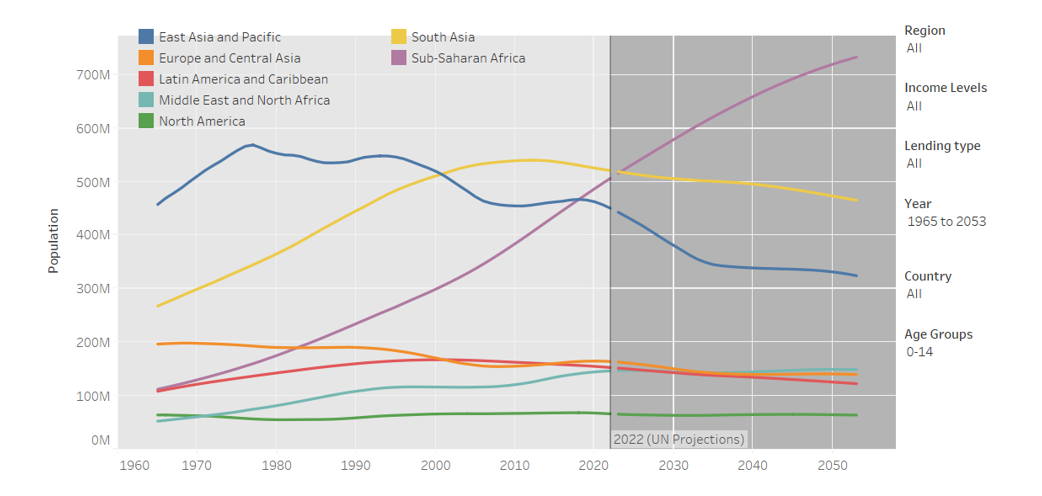
This International Day of the African Child, June 16, is arguably the most significant on record. 2023 is set to be the year when Sub-Saharan Africa leads the world as the region with the most young people (0-14). The size and acceleration of this age cohort are historically unprecedented.
But what does this shift really mean for Africa and the world?
The answer to this question will depend on the action or inaction of leaders: to embrace an immense opportunity or let it slip by.
As a fervent believer in Africa’s potential, I consider this the greatest human capital opportunity the world has ever seen. But, as with any opportunity, it is going to take commitment to meaningful and lasting solutions.
Investing in education is investing in the future, and with Sub-Saharan Africa certainly not lacking potential with its rapidly growing population of young people, prioritising fruitful education systems is essential.
Unfortunately, this can be difficult, and as always, barriers get in the way.
It is these education challenges that contribute to Learning Poverty, defined as the percentage of 10-year-olds unable to read a simple sentence. In Sub-Saharan Africa, the rate of Learning Poverty is 90%.
In many Nigeria States, learning outcomes are not so inspiring, with many pupils being left behind. For example, there are areas where, after five years of schooling, the average rate of reading is seven correct words a minute, well below the expected rate. It is figures like this that spark the need for urgent solutions.
As the Governor of Kwara State, and now Chairman of the Nigeria Governors’ Forum, I am privileged to see firsthand the transformative power of education and the way its carry-on effects empower the nation.
In particular, the KwaraLEARN education transformation programme, launched in my State just over a year ago, is delivering a vision and way forward for pupils to learn in a meaningful way.
Our administration has worked with our technical partner, NewGlobe, and our fine technocrats across different MDAs to build a holistic education system that brings the state a sense of pride. I have seen first-hand the rapid transformation KwaraLEARN has delivered through data-driven pedagogy, innovative learning technologies, and powerful school administration systems.
Education – the bedrock of human capital
In 5-10 years, Africa will provide about half of the world’s increase in the working-age population. Investing in future generations’ learning will determine the skill set of these world-shaping young people.
With the population of Sub-Saharan Africa skyrocketing, so does the demand for essential services like healthcare, infrastructure, and all the elements that create and maintain a prosperous society. Education is the foundation of these services; it will provide a pathway for Africa’s young people to seize career opportunities.
On an economic level, the potential of embracing Africa’s youth population increase through education is obvious.
A study co-authored by the Yidan Prize winner Professor Eric Hanushek estimates the value of ensuring all students achieve global basic-level skills. In Sub-Saharan Africa, 94% of youth do not reach basic skill levels, heavily contributing to global levels, which have been estimated at present value to equate to a lost world economic output of more than $700 trillion over the remaining century. This highlights the alarming opportunity cost of not investing in African human capital.
Related Articles: Africa’s Agribusiness Sector to Reach US$1 Trillion by 2030: What Role Does the Youth Play? | It Takes a Village to End Child Marriage | Invest in Young Women for the Future of Africa’s Public Leadership
Civil societal and social cohesion also heavily rest on education. When a young person lacks confidence in their education system and is unable to embrace learning, they are put at risk. Young people with poor education outcomes tend to have fewer economic prospects, locking them in a vulnerable position, and increasing their risk of becoming victims of vice, such as human trafficking – something Nigerian governments battle with.
With more and more pupils to educate, it is incumbent on us as leaders to strengthen the bedrock that is learning.
Transformation that keeps up with growth
Approximately 27,000 people are born every day in Sub-Saharan Africa, and every new young person’s learning will be reliant on an education system’s ability to adapt.
Considering this huge influx of new students into education systems every year, passive solutions will not cut it. What governments need is bold education transformation at speed and scale. Our KwaraLEARN is one programme delivering this.
In just one year, it has reached 120,000 pupils and trained more than 6,000 teachers, amplifying their skillset to deliver high-quality lessons. It has set up 873 schools with innovative systems that support pupils, teachers, and parents.
The KwaraLEARN programme is emboldened by a methodology equipped for speed and scale, whilst prioritising learning outcomes. Underpinning the programme is proven pedagogy independently assessed in Kenya in a study led by Nobel Prize-winning economist Professor Michael Kremer. It confirmed learning gains among the “largest ever measured in international education.”
I believe that education in Kwara State and KwaraLEARN can be a beacon of hope for Sub-Saharan Africa, showing the very real possibility of fast transformation that does not shy in the face of a huge population increase.
Africa’s greatest economic asset is its young people. Their potential is exciting and unprecedented, and this International Day of the African Child, we must seize the opportunity they offer us by finally providing an education that achieves learning outcomes. Then the children of Africa will be able to deliver successes not just for themselves, not just for Africa, but for the whole world.
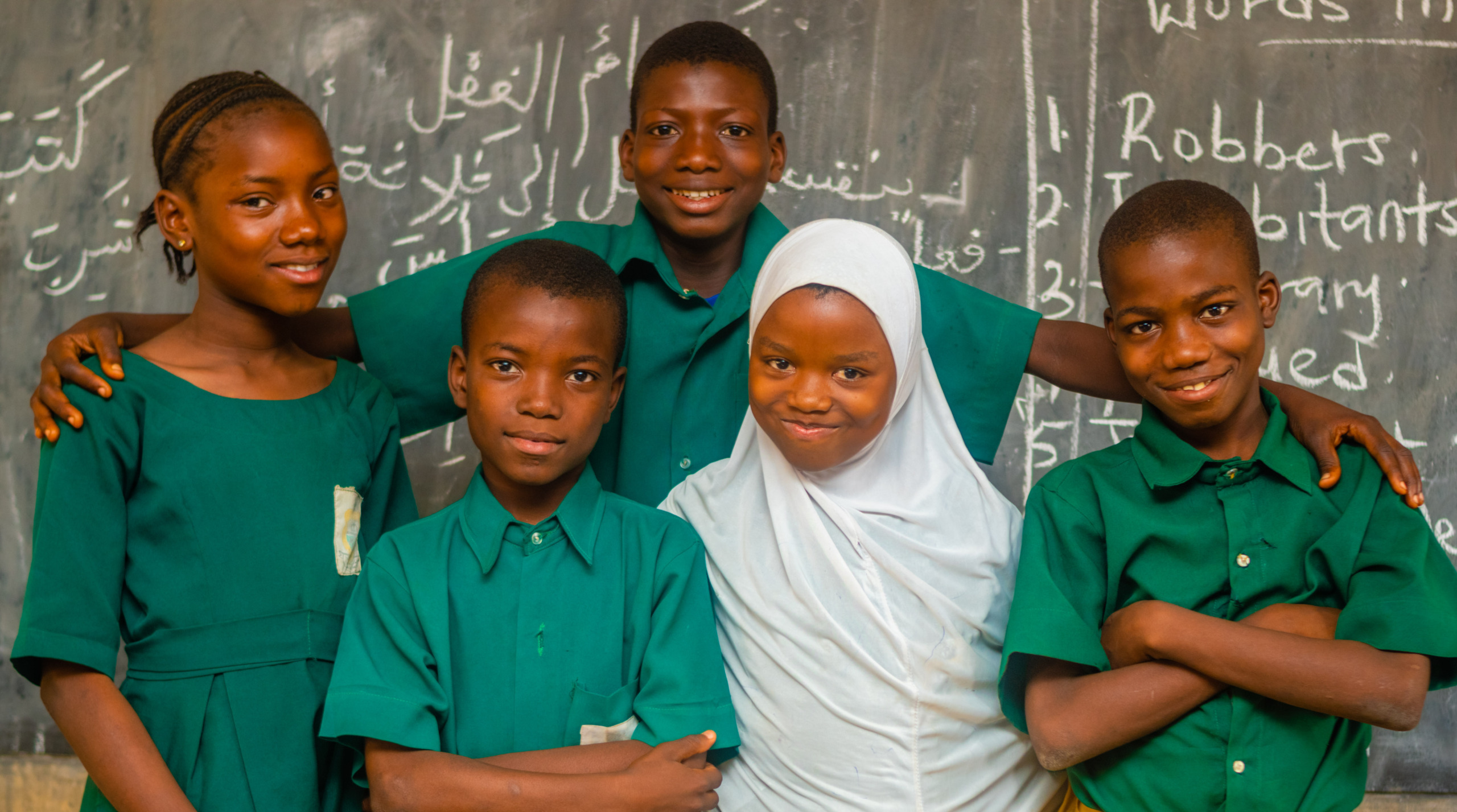
Editor’s Note: The opinions expressed here by the authors are their own, not those of Impakter.com — In the Featured Photo: Pupils in class at a KwaraLEARN school. Featured Photo Credit: New Globe.