
The 2018 midterm elections highlighted the political power of women: Record numbers of women ran for office, winning more than 100 seats, and Democratic campaigns saw striking levels of activism from women volunteering for candidates who embraced progressive policies, including advancing and protecting women’s rights. The 2018 results indicated that it was another “Year of Women,” with an unprecedented number of women winning their races. Unfortunately, the power of the female vote in the United States, which represents 52 percent of the electorate, was crippled by partisanship. The polarised political climate divided women at the polls: 59 percent of women voted Democrats while 40 percent of women voted for Republicans.
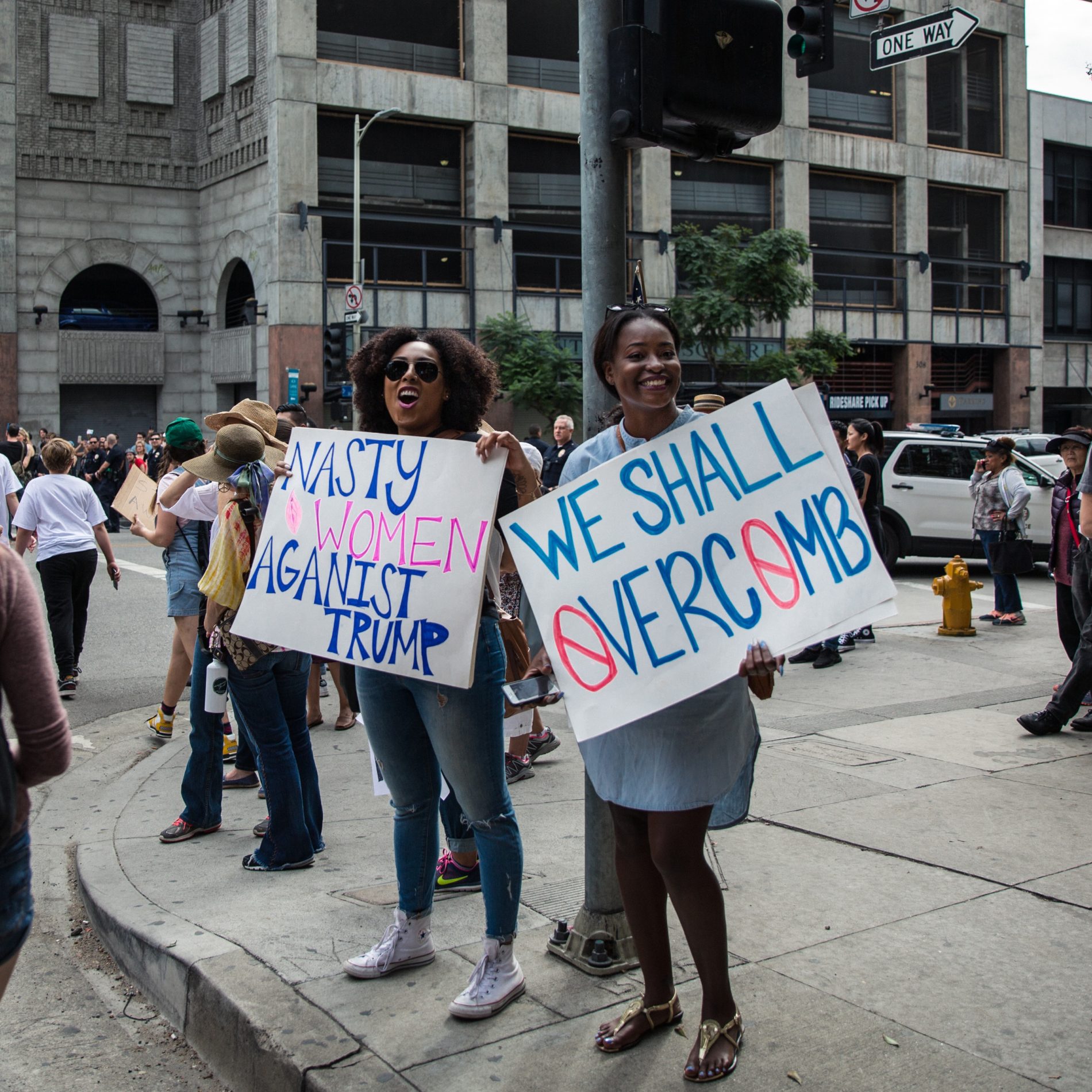
In the photo: Anti-trump protestors. 40% of Women still voted for the republican party Photo Credit: T. Chick McClure
The women who stand in steadfast support of the Republican party are not actually beneficiaries of the GOP’s political agenda, which seeks to undermine women’s rights, marginalise women economically, and champion a gun rights agenda that ultimately victimises women. They are not embraced as champions by their party nor are they recognised as dedicated advocates of Conservative political ideals. Instead, they are shields for their male peers, protecting them from being labeled sexist while perpetuating a culture of toxic masculinity, male impunity, and unchecked misogyny.
This method of using women to obtain a political goal is an effective strategy for advancing a political agenda with the appearance of even-handedness. Women are often co-opted by groups to advance an agenda that is ultimately harmful to women. The use of women to further a political means is a tried and tested method, deployed effectively by political parties and lobbying groups alike.
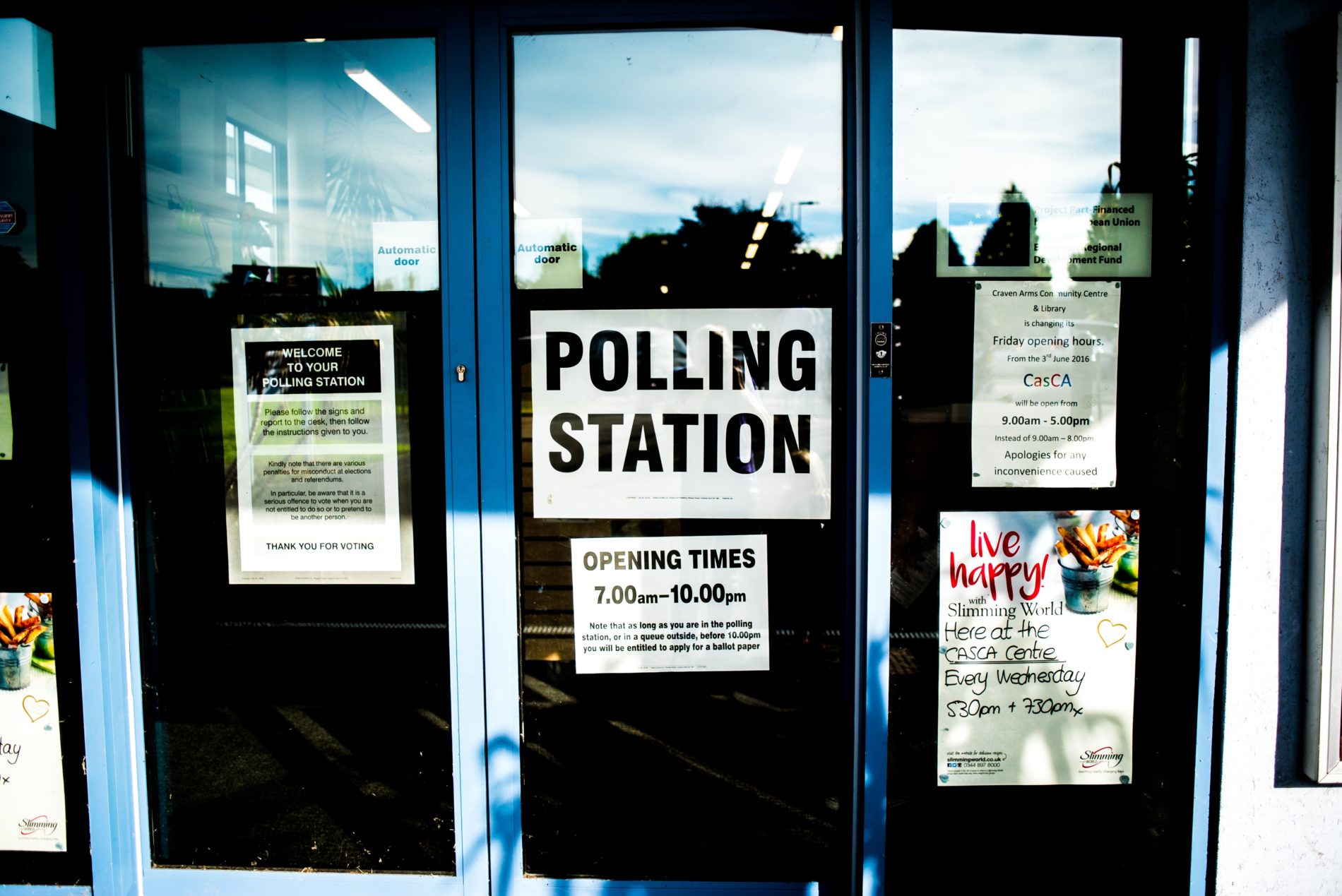
In the photo: Manipulating the vote of women has proved an fruitful political strategy Photo credit: Elliott Stallion
While the 2018 midterms showed the power of women in supporting political agendas that empower women, the year itself was marred with political events that highlighted the ways women are manipulated by those in power. Perhaps the most striking example was the confirmation process for Brett Kavanaugh, which both exposed the deep divisions amongst women in the United States and illustrated how women are often used as pawns by the Republican party. As allegations of sexual assault swirled around the then-federal judge nominated for a lifetime appointment to the Supreme Court, Republican senators and President Donald Trump sought to undercut his accusers’ credibility, including asking why Dr. Christine Blasey Ford had waited to come forward.
Thousands of women reacted viscerally to the attacks on Dr. Ford, choosing to rip open scars and share their own stories of sexual violence. Yet while some women were expressing solidarity with Dr. Ford, a parallel counter-movement was quietly emerging: Many women chose to come to Kavanaugh’s defense, signing letters and contacting senators’ offices asking for a swift confirmation vote. Their rhetoric mimicked the language often used by men to diminish the severity of sexual violence, like Carrie Severino of the Judicial Crisis Network describing the assault as “rough horseplay.” Senator Susan Collins—despite her office being overwhelmed with calls and meeting requests from survivors and in spite of being seen as a past defender of Roe vs. Wade—chose to stand with her male-dominated party and vote yes.
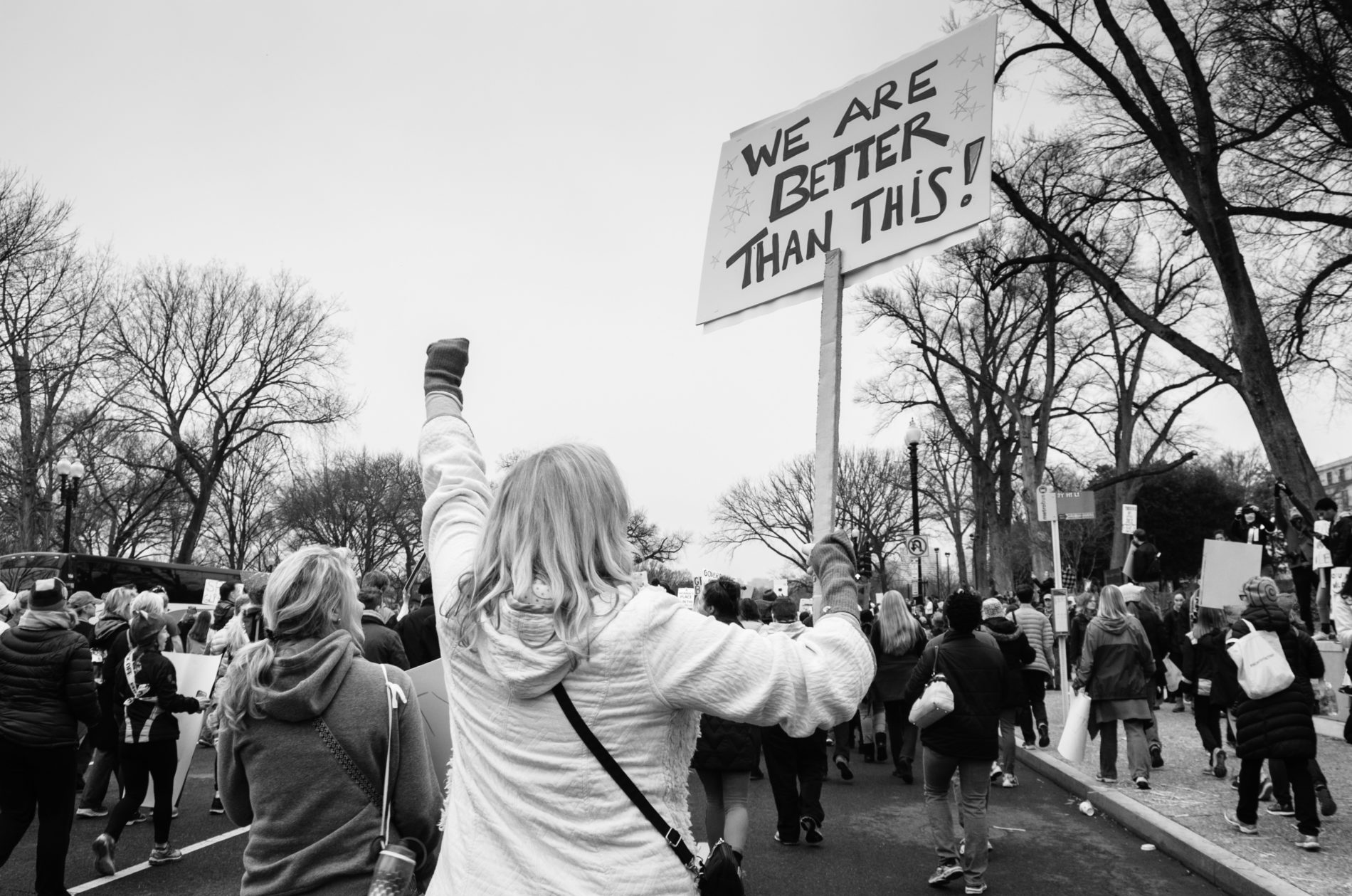
In the photo: The Women’s March in Washington D.C., 2017. Photo credit: Jerry Kiesewetter
The actions of Kavanaugh’s female supporters clearly reinforce the conservative position of the Republican party. Women were thrown into the limelight by the Republicans to falsely claim that Kavanaugh’s nomination was not an affront to Roe v. Wade. But make no mistake, these women are not recognised as stakeholders by the Republican establishment, which seeks to strip women of the right to choose what to do with their bodies, has not yet ratified the Violence Against Women Act, and whose economic agenda undermines social welfare programs that address the needs of single mothers. Instead, these women merely offer protective cover for the Republican senators who voted “yea,” perpetuating the patriarchal system – regardless of the cost to women.
2018 was certainly an important year for women in the United States – the women’s wave through government offices across the country, in the House, Senate, state legislatures, and local offices, was remarkable and a referendum against the rampant misogyny of the Trump administration. Yet, despite the gains, there remain clear obstacles to women’s empowerment and equality in the U.S. political system – one of the biggest is overcoming the engrained patriarchal sentiment driving women to advance a political narrative that seeks to marginalize women and undermine their fundamental human rights.