Impakter
  • Environment
    • Biodiversity
    • Climate Change
    • Circular Economy
    • Energy
  • FINANCE
    • ESG News
    • Sustainable Finance
    • Business
  • TECH
    • Start-up
    • AI & Machine Learning
    • Green Tech
  • Industry News
    • Entertainment
    • Food and Agriculture
    • Health
    • Politics & Foreign Affairs
    • Philanthropy
    • Science
    • Sport
  • Editorial Series
    • SDGs Series
    • Shape Your Future
    • Sustainable Cities
      • Copenhagen
      • San Francisco
      • Seattle
      • Sydney
  • About us
    • Company
    • Team
    • Global Leaders
    • Partners
    • Write for Impakter
    • Contact Us
    • Privacy Policy
No Result
View All Result
Impakter logo
No Result
View All Result
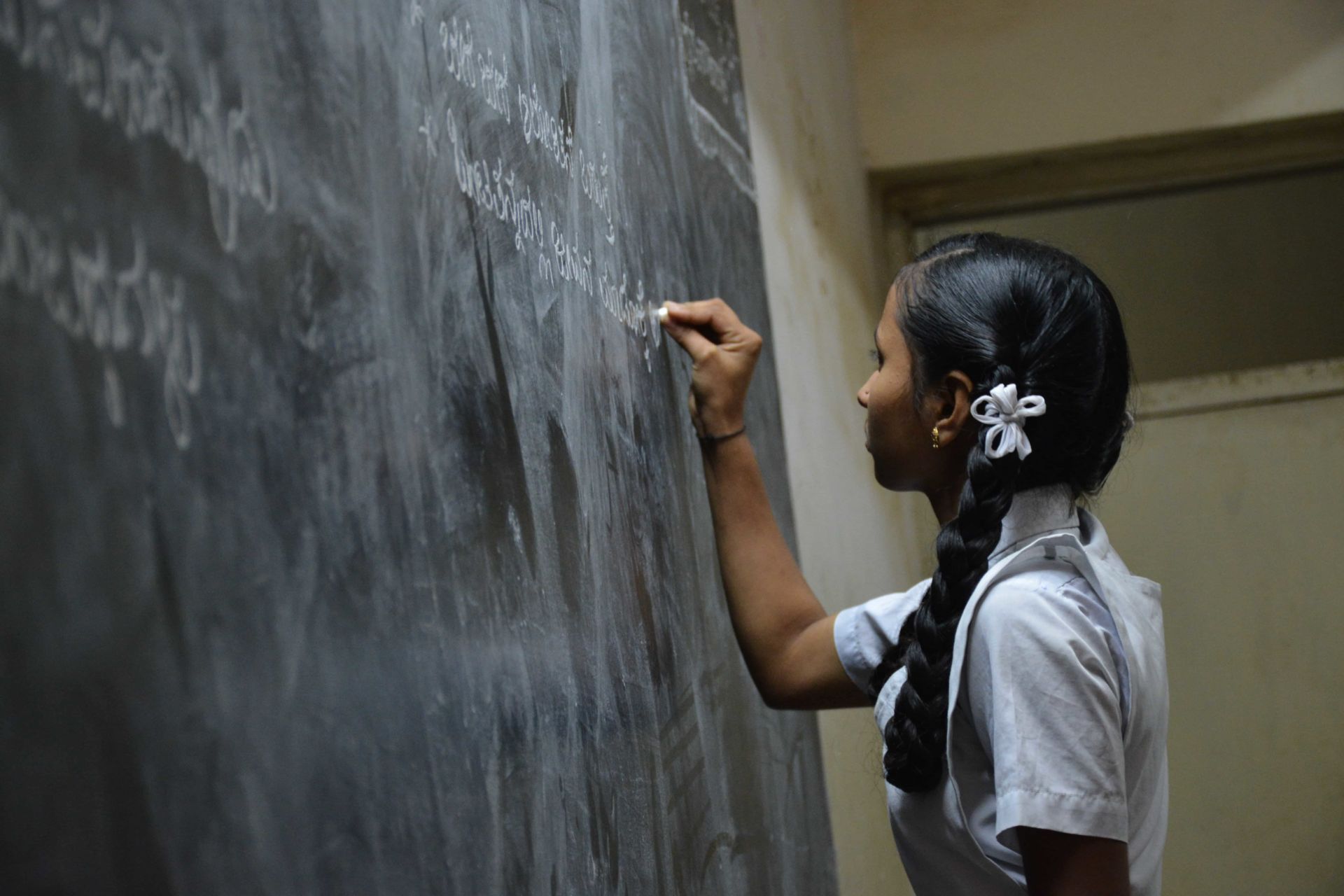
children

Photo by: Nikhita S/ Unsplash

The Importance of Right of Children to Free and Compulsory Education Act

Namapreet RodrigobyNamapreet Rodrigo
December 11, 2020
in Children, Equal Rights, Society
0

India enacted the Right of Children to Free and Compulsory Education Act, 2009 (RTE Act), effective as of 2010 (Government of India, 2009). This Act is still not fully implemented in many schools in India. It is imperative to understand the history of the RTE Act and why it was created. According to The Gazette of India, a document by the Government of India (2009) states that section 3(1) Every child between the age of six to fourteen years shall have the right to free and compulsory education in a neighborhood school to completion of elementary education. 
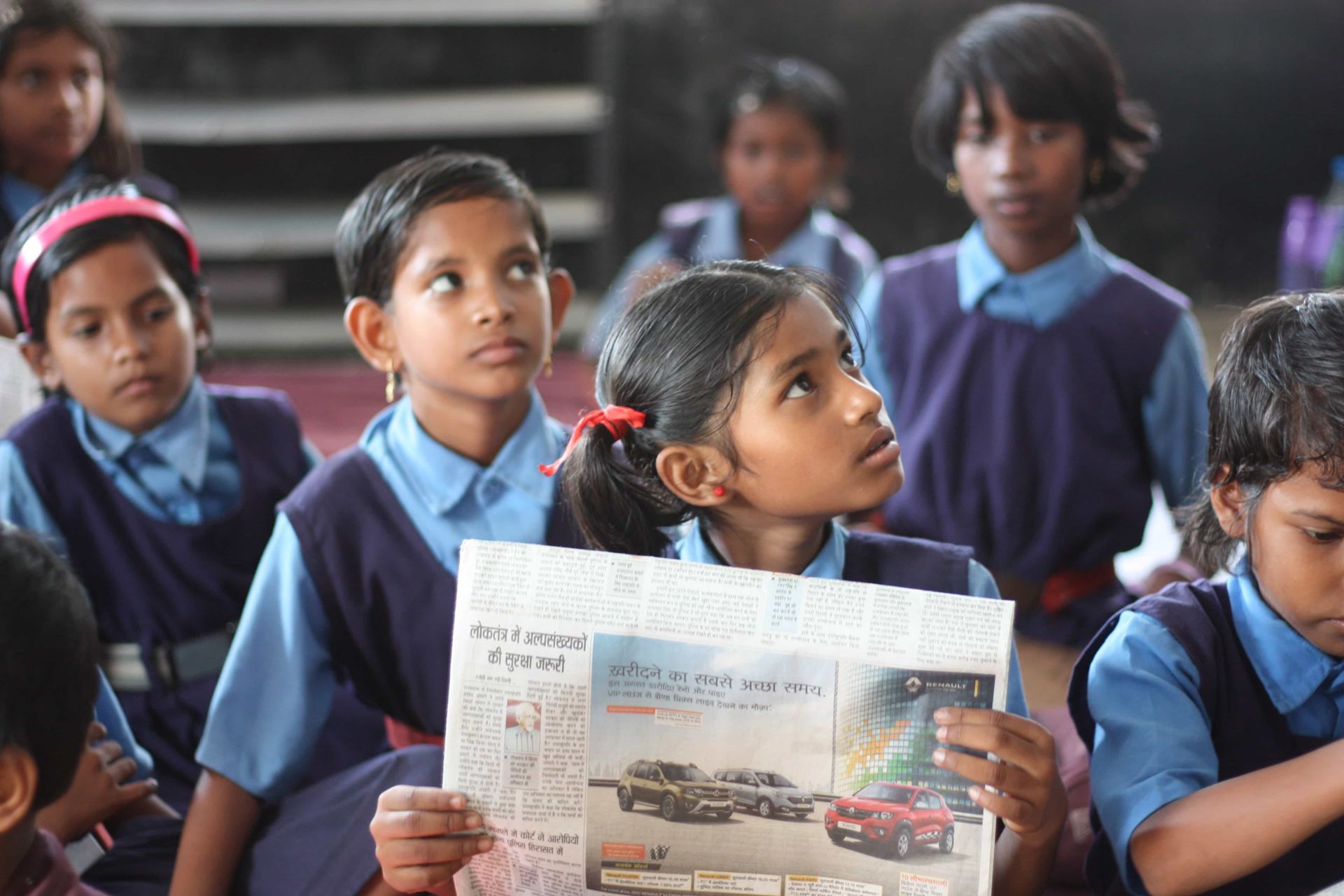
right of children
Photo By: Jaikishan Patel/Unsplash

Every child should have an equal right to inclusive education with a better quality of teaching resources, equal treatment towards all children regardless of their background, access to a safe milieu, which allows all children to feel secure when attending school and learning. Currently, many underprivileged children in India cannot access private schools due to their lower socioeconomic status.

According to the RTE Act, only 25 percent of the seats are reserved for children with lower socioeconomic backgrounds. There is another term known as ‘freeship seats,’ which refers to children not paying school fees until completing their studies. For example, if a child has been selected for admission in a private school, they do not have to pay any tuition fees. It is free admission for them in a private school.

Secondly, a lottery system exists in India, where parents apply for freeship seats to enroll in a private school. For instance, if a family has four children, only one child from their family may be selected to access a freeship seat in a private school in their neighborhood. Education in government schools in India is not considered to provide a high quality of learning to children.

Therefore, many studies conducted among the underprivileged households show that parents prefer to admit their children to private schools instead of government schools. This is due to parents’ perceptions of how in government schools, teachers do not have better qualifications. The lack of access to adequate resources results in children not learning the skills they need to grow and flourish in all four domains of their development (physical, socio-emotional, language, and cognitive).
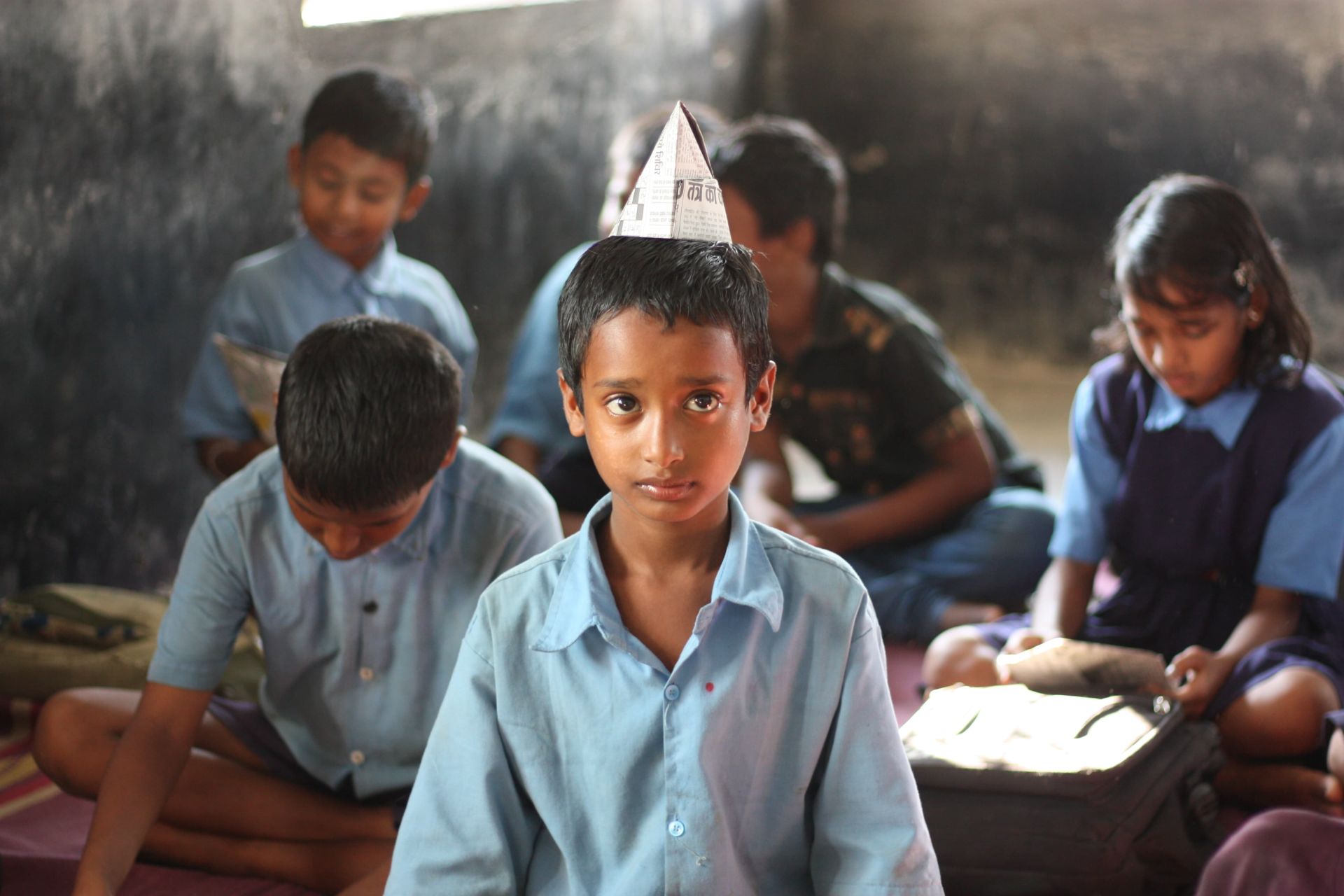
right of children
Photo by Jaikishan Patel/ Unsplash

There is a term called ‘silent exclusion,’ which is defined as students experiencing higher absence and dropout rates and poor performance, which later places them at risk. ‘Silent exclusion’ can be understood when children are discriminated against in their classroom due to their caste and socioeconomic status. For instance, in a study by Nambissan (2009) conducted among Dalit students in India, teachers used derogatory names to call students from lower socioeconomic status and sit in the classroom corner.

The discriminatory practices performed by teachers indicate that children in India currently face exclusion in schools. ‘Silent exclusion’ in schools should be further studied by involving parents, children, and the State to ensure that each child is learning in a safe and inclusive setting. Parents have the utmost right to become knowledgeable of the RTE Act to ensure they hold awareness of their child’s right to equal education. 

It is equally imperative to note that many marginalized people in India lack voice due to not being highly educated, lower socioeconomic status, and lack of awareness about the education system. These factors play a significant role in parents’ involvement in their children’s schools. Some studies have shown that some children still express that their teacher leads differentiation based on their socioeconomic background.

In this case, there needs to be further awareness regarding providing more funding to help teachers and educators participate in professional development regularly. This can allow them to practice and implement their learning and continue to provide a safe and secure milieu for all children to thrive. There also needs to be ongoing communication between teachers and parents because this can allow parents to become aware of how their children’s learning and development is being supported.
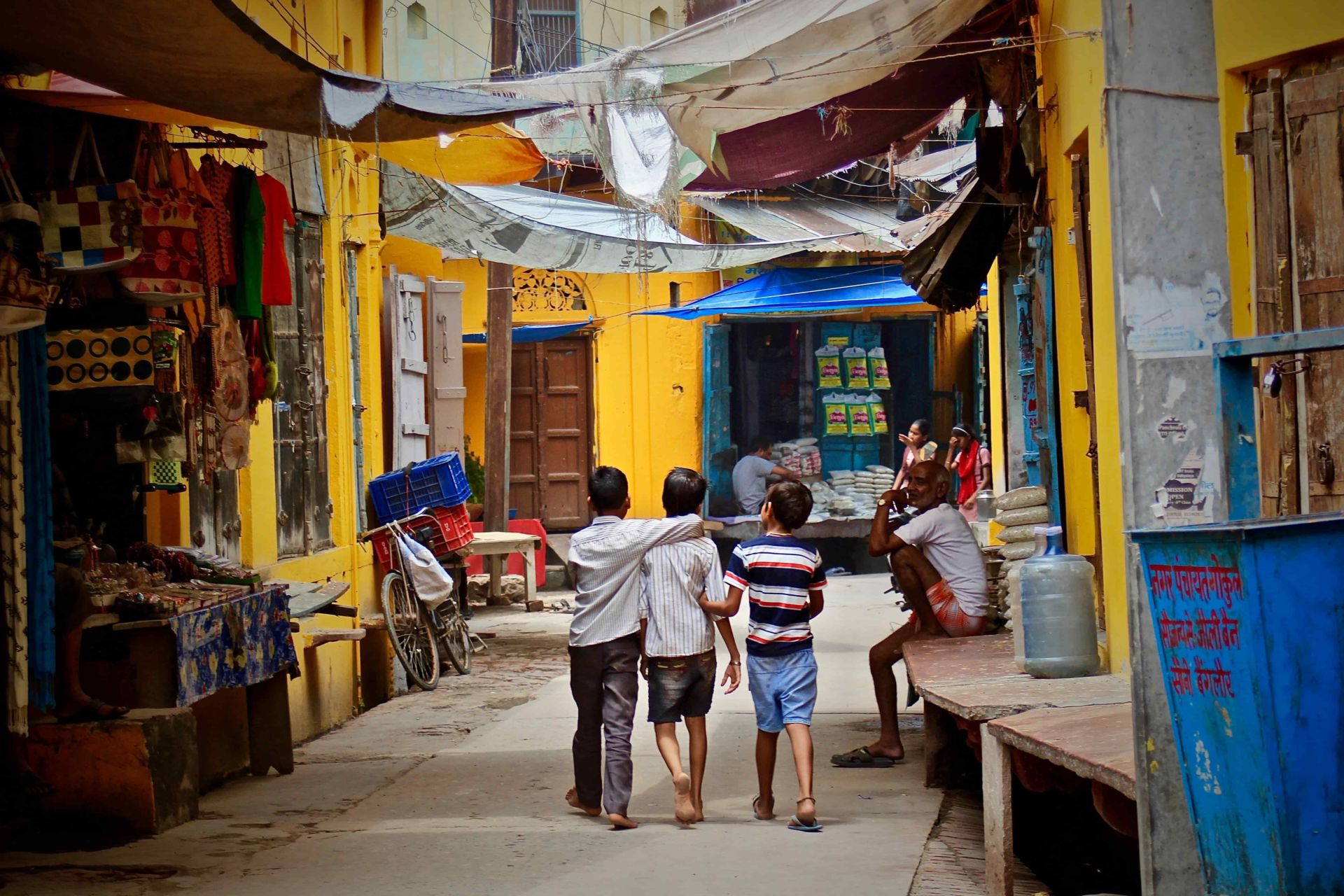
children
Photo By : Charu Chaturvedi/Unsplash

Studies based on parents’ involvement in their children’s schools have shown that parents from all backgrounds are encouraged to attend parent-teacher meetings regularly in private schools. Marginalized parents have mentioned that these meetings allow them to ask teachers questions about their child’s studies, which helps to understand how their child is progressing in various subjects.

These parents find these meetings helpful because teachers also speak to parents in their language if they are not fluent in English. This creates an inclusive environment for parents, as well. Therefore, the RTE Act has to be appropriately implemented in the school system. Educational professionals must always consider that creating an inclusive milieu for both the children and their parents is foremost because every child has the right to equal and inclusive education to flourish.

Tags: compulsory educationEducationIndiaRight of ChildrenRTE Act
Previous Post

To Unblock EU Budget: Hungary and Poland Off the Hook

Next Post

Bridging the Gap Between Finance and Action on World Soil Day

Related Posts

ESG News regarding climate-driven agricultural disruption, extreme weather impacts on commodities, and supply chain risks. Visuals include flooded rubber plantations, farmers navigating waterlogged fields, and maps highlighting affected southern Thailand regions.
Energy

Severe Floods Threaten $140M of Thailand’s Rubber Production

Today’s ESG Updates Serentica Plans $8B Clean Energy Expansion in India: KKR-backed Serentica aims to more than double its renewable...

byNamapreet Rodrigo
November 27, 2025
ESG News regarding Cop30’s disappointing end, the G20 summit without the US, China’s Unipec fuel deal with Lufthansa, and Singapore’s Sembcorp IPO in India
Business

‘COP of Truth’ Highlights Glaring Differences in Global Climate Perspective

Today’s ESG Updates COP30 Delivers Weak Climate Deal: Global talks in Brazil ended without a plan to phase out fossil...

byNamapreet Rodrigo
November 24, 2025
China Launches First Coal-to-Chemicals Plant Powered by Green Hydrogen
Business

China Launches First Coal-to-Chemicals Plant Powered by Green Hydrogen

Today’s ESG Updates China Green Hydrogen: Analysts warn overcapacity and tech shifts may force consolidation in India’s solar module industry....

byNamapreet Rodrigo
November 20, 2025
ESG news regarding US $80 billion nuclear investment, European Ombudsman probing European Commission over transparency, India expanding solar manufacturing, and Jordan receiving $295 million from Green Climate fund for water project
Business

U.S. to Invest $80 Billion in Nuclear

Today’s ESG Updates New Nuclear Plants to be Constructed in U.S.: The Trump Administration and Westinghouse Electric Company announced an...

byNamapreet Rodrigo
October 30, 2025
ESG and global news featuring the collapse of the Net-Zero Banking Alliance, India’s cancellation of rushed solar tenders, Thai industry calls for climate action, and the cement sector’s new net-zero initiative
Business

Net-Zero Banking Alliance Collapses After Wave of Member Exits

Today’s ESG Updates Net-Zero Banking Alliance Dissolves: Established in 2021 to drive banking’s climate commitments, the alliance has voted to...

byNamapreet Rodrigo
October 3, 2025
Intel and Nvidia partner on AI chips and datacenters, Adani Power plant operations in India, Today’s ESG Update: Australia’s 2035 Climate Target, Today’s ESG Update: Taiwan’s Banana Fibre Fabrics
Business

Nvidia to Invest $5B in Intel After Trump Administration’s 10% Stake

Today’s ESG Updates Nvidia-Intel Alliance: Nvidia will invest $5B in Intel and collaborate on AI datacenters and PC chips, after...

byNamapreet Rodrigo
September 19, 2025
Scientists Trace Heat Waves Back to Individual Companies
ESG FINANCE

Scientists Trace Heat Waves Back to Individual Companies

Today’s ESG Updates New Research Ties Top Emitters to Rising Heat Wave Risks: Fossil fuel and cement giants face growing...

byNamapreet Rodrigo
September 11, 2025
COP30 Chief Urges CEOs to Defy Trump’s Green Backlash
Business

COP30 Chief Urges CEOs to Defy Trump’s Green Backlash

Today’s ESG Updates: COP30 Chief Calls on Private Sector: André Aranha Corrêa do Lago urges companies to attend the conference...

byNamapreet Rodrigo
September 1, 2025
Next Post
Bridging the Gap Between Finance and Action on World Soil Day

Bridging the Gap Between Finance and Action on World Soil Day

Recent News

Buying a Ferrari F12 Berlinetta in Rosso Ferrari

Buying a Ferrari? Here Are Some Factors That Affect Pricing

December 10, 2025
ESG News regarding U.S. court overturning Trump wind freeze, EU approving a 90% emissions cut target, OECD warning about SME artificial intelligence gaps, and the EU Commission supporting Poland’s first nuclear plant.

Court Blocks Trump Wind Energy Ban, Reopening U.S. Clean Energy Development

December 10, 2025
First-time Investor Mistakes on screen

First-time Investor Mistakes Millennials Make (And How to Avoid Them)

December 10, 2025
  • ESG News
  • Sustainable Finance
  • Business

© 2025 Impakter.com owned by Klimado GmbH

No Result
View All Result
  • Environment
    • Biodiversity
    • Climate Change
    • Circular Economy
    • Energy
  • FINANCE
    • ESG News
    • Sustainable Finance
    • Business
  • TECH
    • Start-up
    • AI & Machine Learning
    • Green Tech
  • Industry News
    • Entertainment
    • Food and Agriculture
    • Health
    • Politics & Foreign Affairs
    • Philanthropy
    • Science
    • Sport
  • Editorial Series
    • SDGs Series
    • Shape Your Future
    • Sustainable Cities
      • Copenhagen
      • San Francisco
      • Seattle
      • Sydney
  • About us
    • Company
    • Team
    • Global Leaders
    • Partners
    • Write for Impakter
    • Contact Us
    • Privacy Policy

© 2025 Impakter.com owned by Klimado GmbH