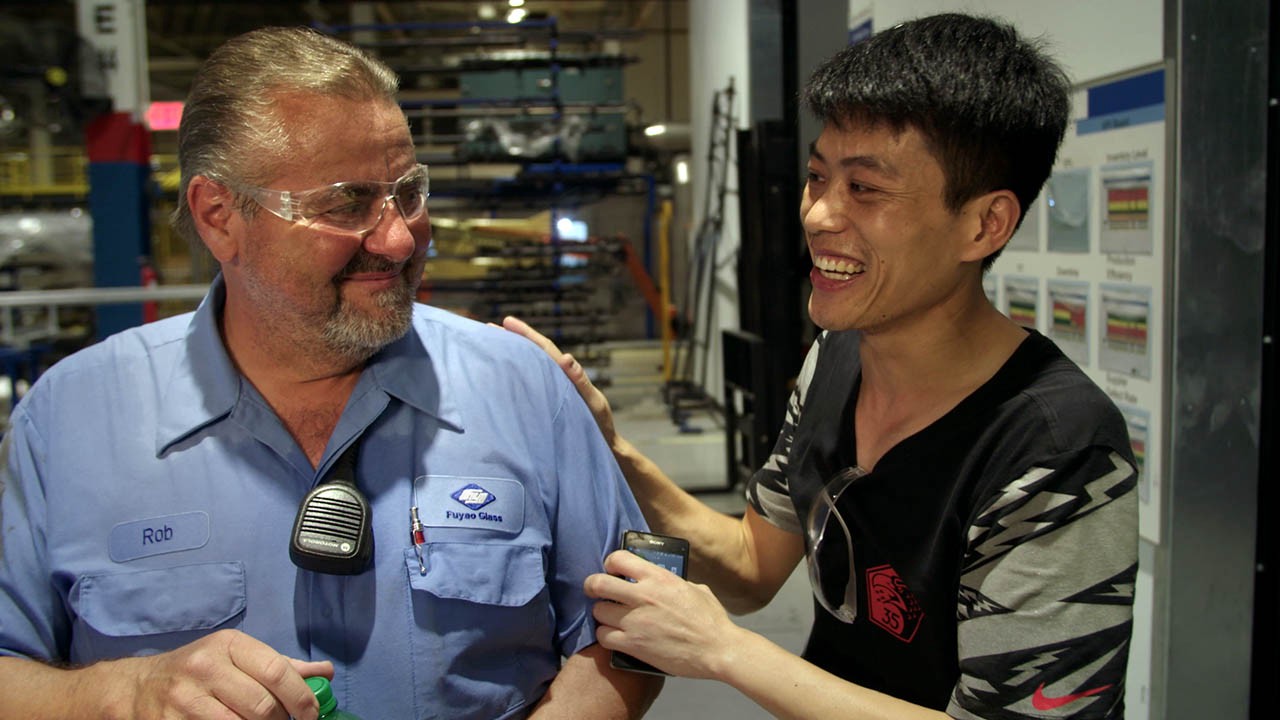
Oscar-Nominated ‘American Factory’ Shows How Workers Around the World Share Common Concerns on the Future of Work – from Corporate Accountability to Workplace Safety.

This article was created in partnership with Participant.
Most workers have a few common desires: a safe, reliable job that provides a salary that allows them to live comfortably and contribute to their communities. But in a U.S. economy with growing inequality between the haves and have nots, these basic wishes are becoming rare for some employees.
And as the global economy and workplaces shift to increasingly rely on technology and automation, workers have growing concerns about what these changes will mean for their current job and long-term career prospects. Their concerns about the future of work enhance the importance of communication, yet only 30% of U.S. workers say their employer is effective at communicating with them — and 40% say their organization’s approach to communicating is outdated or behind the times. That makes it vital for leaders at Certified B Corporations and other triple-bottom-line businesses to consider how corporate accountability and net-positive impact can help them shape a more positive future.
The concerns that workers share — safety, salary, job security — are at the heart of a new documentary on the future of work that examines how the shifting global economy affects businesses, workers and their communities — and aims to prompt conversation and change. Produced by B Corp Participant and Higher Ground Productions as a Netflix documentary, “American Factory” examines the impact of globalization on workplaces and employees through a localized lens while also delving into the relationship between workers and employers.
Filmmakers Julia Reichert and Steven Bognar took a three-year look as Chinese auto glass manufacturer Fuyao in 2016 opened a plant in their hometown of Dayton, Ohio, where a General Motors facility had closed eight years earlier. In addition to lifting the conversation about the future of work, their documentary has attracted honors, including the U.S. documentary directing award at the Sundance Film Festival, a nomination in the best documentary feature category for the Academy Awards, and a Twitter shout-out from co-producer Barack Obama as one of his top films of 2019.
The Human Side of Corporate Accountability
While tracking the Fuyao plant’s opening and operations throughout “American Factory,” Reichert and Bognar depict how people who had worked at the shuttered GM plant lost their homes, vehicles and income, then found new opportunity with the opening of the Fuyao plant. Over time the film reveals cultural workplace differences between China and America and how that affects the day-to-day importance of several key worker concerns — salary, safety and automation.
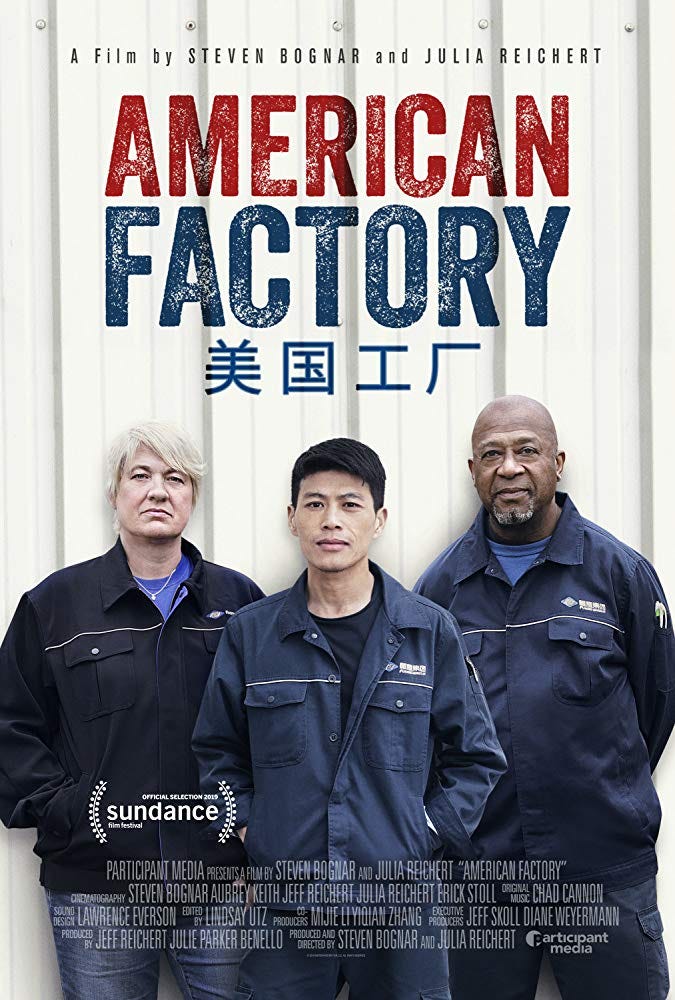
“Doing the same thing over and over again, that wears on you — body, mind, your soul. Sometimes you think, ‘Why am I doing this?’ You think about whether you have the stamina and the will to do this kind of job.” — Robert Allen, right, a Dayton man hired to work at the Fuyao auto glass plant after being jobless for a year and a half. Photo Credit: BCorp.
After producing a film about the GM plant’s closure, Reichert says it was a natural follow-up to continue capturing the story when Fuyao came to Dayton and brought thousands of jobs and renewed hope to the community when it opened its auto glass plant.
“We saw something going on in our community, which we realized kind of related to what was going on in the whole world,” Reichert says. “Over three years, we had the opportunity to see that on a very intimate, human level.”
Bognar says “American Factory” shares the human side of workplace struggles so viewers connect and identify with the Dayton workers, as well as their Chinese counterparts who came to the U.S. to help get the plant operations rolling.
“We love trying to tell stories of people who we don’t normally see on movie screens,” he says. “Working people have lost so much in this country over the past few decades. We hope this film sparks a national conversation on these issues, and we want everyone to be at the table.”
A National Conversation on the Future of Work
In showing the human side of business, “American Factory” depicts global workplace concerns on a local level while fulfilling Participant’s mission to combine storytelling with real-world impact and awareness — and elevate the business practice shared by B Corps to value all stakeholders, including workers.
To encourage more conversations about more equitable workplaces, Participant launched a nationwide impact campaign that included hosting a series of screenings in U.S. cities — Louisville, Indianapolis, Pittsburg, Boston, Detroit, and Seattle — with partners including Working America, New America, AFL-CIO, B Lab and the B Corp community, Harvard Business School and Talent Rewire. The screenings, in the last half of 2019, differed in each community but ultimately had some commonalities.
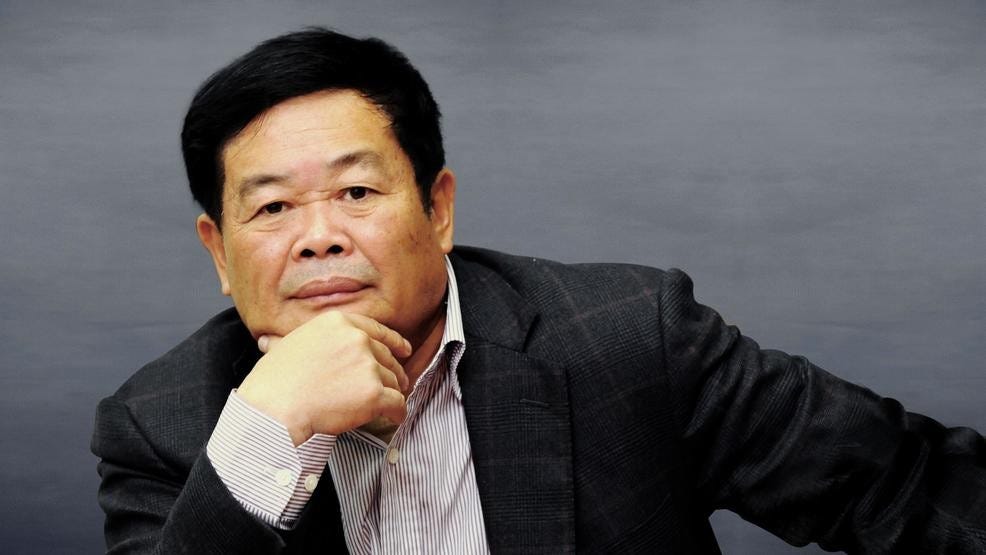
“I have built so many factories. … Have I taken the peace away and destroyed the environment? I don’t know if I am a contributor or a sinner. But … I only think that way when I’m unhappy. The point of living is to work. Don’t you think so?” — Fuyao Group Chairman Cho Tak Wong. Photo Credit: Fuyao.
As Holly Gordon, chief impact officer at Participant, says: “Our goal on the campaign is to design experiences that bring together folks who don’t normally find themselves in the same room — employees, managers, operators, executives — to share the film, get to know each other, and build a shared understanding of what an equitable, sustainable workplace looks like today, and tomorrow.”
She adds: “Our hope is that the film is a catalyst for conversations that can shape a future of work that works for everyone, not just the very few at the top.”
In addition to events tailored to these communities, Participant encourages organizations across the U.S. to host watch parties and discussions by using the downloadable discussion guide and screening toolkit and engaging community leaders and other policymakers to take the conversation to the next level.
The B Corp community had a chance to add to the conversation at the 2019 Champions Retreat in Los Angeles, which included a session on the Future of Work. The session shared and celebrated the efforts of B Corps leading on workforce development and challenged participants to brainstorm ways these companies can continue to lead on supporting workers.
During the session, people from about 50 companies broke into small groups to discuss several questions: how they envision the future of work, how to restore the social compact between employers and workers, and what they can do support workers. Much of the conversation focused on ensuring that workers have a seat at the table and a voice in decisions.
As shown in “American Factory,” the jobs of workers like those at Fuyao — in the U.S. and in China — are threatened as automation technology advances. The film questions what’s next for these workers, and the companies that employ them, as the future of work continues to shift.
“This film makes visible the suffering that is painful and urgent to those who are experiencing it but often overlooked or deprioritized in the halls of power,” Gordon says. “By bringing together labor, business, community and entrepreneurial leaders, we can build a shared future where all workers can adapt, thrive and work with dignity.”
EDITOR’S NOTE: The opinions expressed here by Impakter.com columnists are their own, not those of Impakter.com. Photo Credit: B Corp