Tarot decks now sell by the million, and most buyers meet the same Empress. She sits in a field with wheat at her feet and a ring of stars above her head. That composition is barely a century old. The figure behind it is much older, and far less settled than the modern printing suggests.
The image of The Empress varies slightly from one edition to the next, and those small differences carry the history. Card three of the Major Arcana has passed through court painters, jobbing engravers, Edwardian occultists and independent illustrators. Each group drew her for its own audience. Tarot is a deck of picture cards used for entertainment, not a forecasting instrument, and what follows treats it strictly as visual culture.
Where Did the Figure Come From?
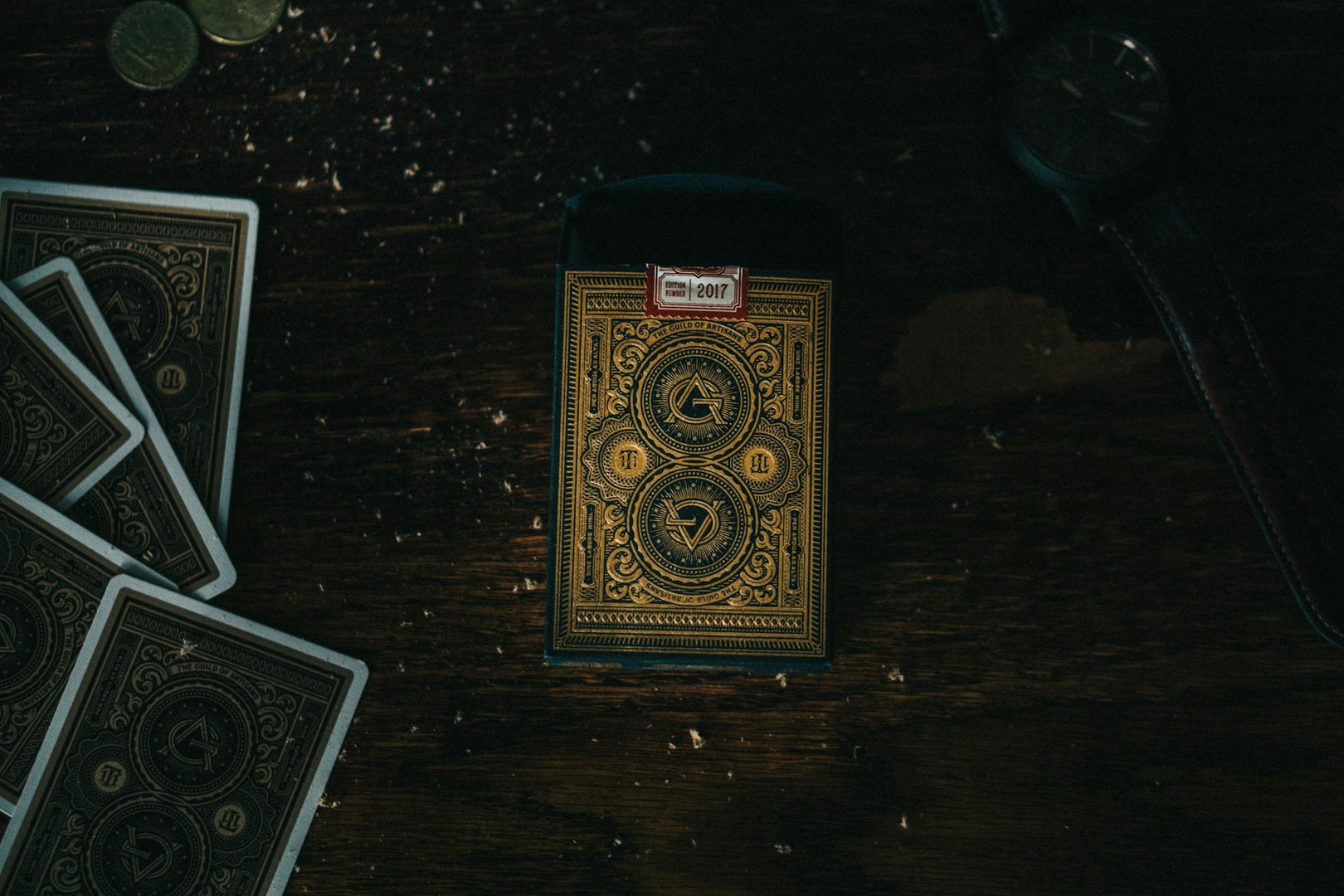
The oldest surviving decks were luxury objects, hand-painted for ruling families in fifteenth-century northern Italy. The best known of them, the Visconti-Sforza cards attributed to the painter Bonifacio Bembo, survive only in fragments. Thirty-five of those cards sit in the Morgan Library and Museum in New York.
A complete pack of that period ran to 78 cards. Twenty-one trumps and a single wild card, the Fool, sat above 56 suit cards divided into four groups of 14. The Empress belonged to the trump sequence, which is where the named allegorical figures live.
What Did Fifteenth-Century Decks Show?
Very little of the modern garden. The early Empress reads as a portrait of rank rather than a portrait of nature.
- A seated woman in heavy court dress, painted in gold leaf.
- A heraldic shield, often carrying the eagle of imperial authority.
- A crown, sometimes a headdress in the family’s own fashion.
- No wheat, no waterfall, no outdoor setting of any kind.
The card said empress the way a coin says emperor, through regalia rather than setting.
How Did Nature Enter the Picture?
Through a much older habit in European art. Medieval and early Renaissance manuscripts already personified Nature as a crowned woman who makes and orders the living world. The J. Paul Getty Museum holds a French illumination from about 1405 showing Nature as a personified figure at work among birds, animals and people.
That convention circulated long before tarot borrowed it. Putting abundance into the body of a woman was standard shorthand across painting, sculpture and printed emblem books. Later designers who wanted the Empress to mean growth rather than rank had a ready vocabulary waiting.
The 1909 Deck That Standardized Her
One edition did most of the work. The deck published in London in 1909 by William Rider and Son became the reference version. Arthur Edward Waite wrote the text and the artist Pamela Colman Smith drew the cards. Smith trained at the Pratt Institute and worked across theater design, illustration and folklore before the commission. Her 1903 watercolor The Wave hangs in the Whitney Museum of American Art, which puts the Rider deck at an estimated one hundred million copies in circulation.
Smith redrew the Empress as a seated figure in an outdoor setting. The regalia stayed, but the throne moved out into open country. Almost every deck printed since has argued with that single drawing.
Wheat, Water, and a Crown of Stars
Smith’s version loaded the frame with motifs that later readers learned to name.
- Twelve stars in the crown, matching the twelve signs of the zodiac year.
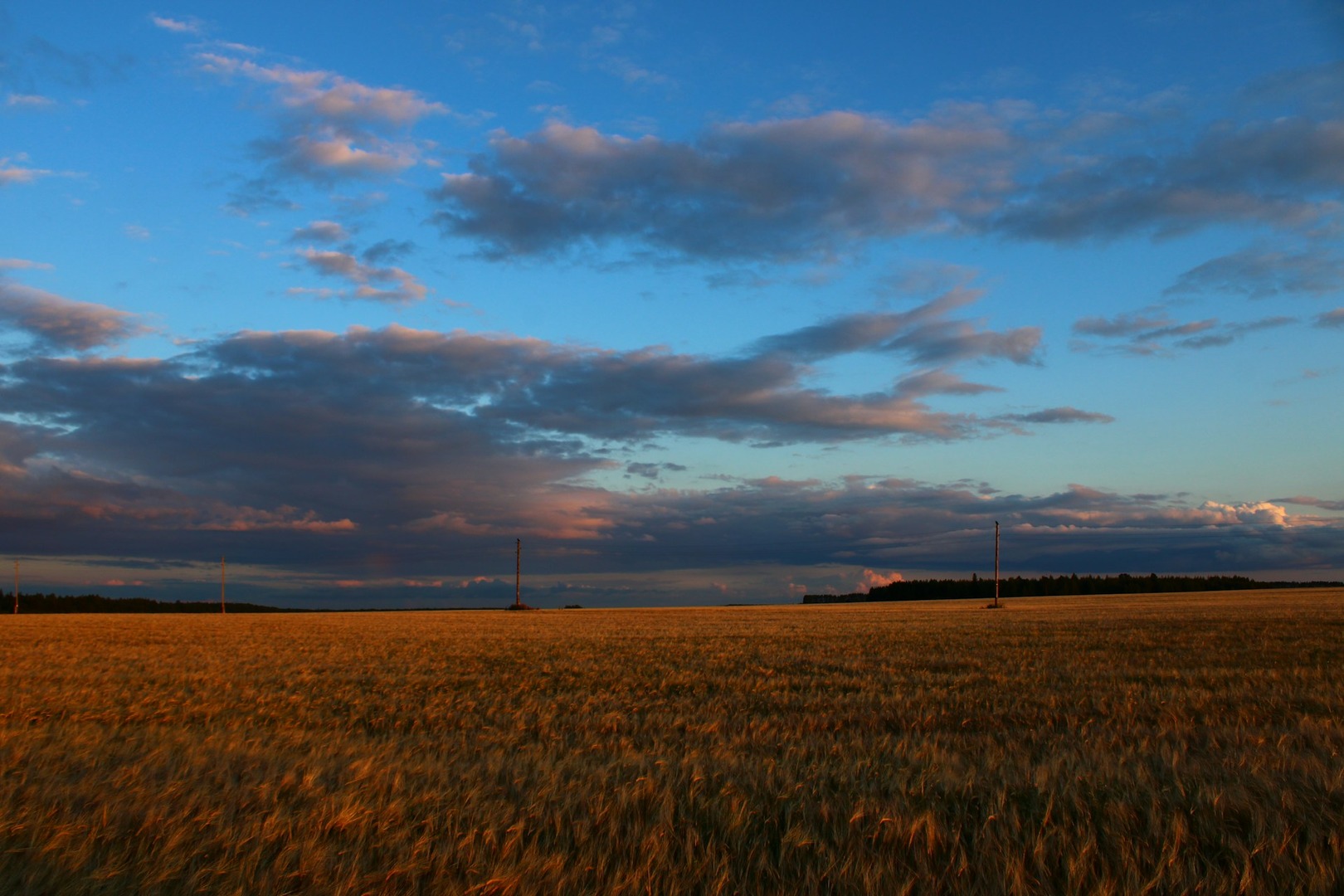
- A field of ripe wheat, standing for harvest and tangible plenty.
- A cypress grove, a tree associated with Venus in classical myth.
- A waterfall feeding a stream, a moving source rather than a still one.
- A gown patterned with pomegranates, a fertility motif carried from antiquity.
Those readings come from the deck’s own written tradition. They are conventions of interpretation, not properties anyone can measure, and they postdate the fifteenth-century cards by roughly 450 years.
Does the Nature Imagery Carry an Environmental Message?
No, and it is worth saying plainly. Reading a 1909 illustration as an ecological statement is an anachronism. Smith’s wheat field is an idealized harvest borrowed from classical allegory, where plenty arrives without labor, cost or limit. That is close to the opposite of how a modern resource argument works.
Artists who want to make an environmental case tend to make it directly. The practice runs through work such as global art responding to climate change, where the subject is stated rather than inferred from a Renaissance motif. Symbolic reading is a legitimate art-historical method. Retrofitting a modern argument onto an old picture is not.
What Changes When a Deck Is Redrawn?
Every redraw is an argument about what abundance should look like now. Recent independent decks have taken the figure in very different directions.
- Into city allotments and community gardens rather than open fields.
- Into a hospital gown, with the throne replaced by a bed.
- Into pure scenery, with no human figure present at all.
- Into abstraction, keeping only the stars and the color palette.
The choice reveals the designer’s period more reliably than it reveals anything about the card itself.
Other traditions carry meaning in comparable ways, as in the layered ethnic and philosophical symbolism in Kyrgyz painting, where a single motif can hold nature, cosmos and lineage at once. Reinterpretation is also contested territory, something visible in debates around Indigenous Australian artists and their symbolic language. Who gets to redraw a symbol is rarely a neutral question.
Reading Symbols Without Overreading Them
An image can be historically rich and still make no claim about the future. The Empress is a five-century record of how Europe pictured authority, then growth, then abundance. The card predicts nothing. Treated as an artifact, it shows how quickly a visual convention hardens into something people assume was always there.
Frequently Asked Questions About the Empress Card
What Does the Empress Card Show?
In the standard modern deck she is a crowned woman seated outdoors, with wheat, a stream and a shield bearing the symbol of Venus. Older packs show her indoors in court dress with a heraldic shield instead.
When Was the Modern Empress Image Made?
In 1909, for the deck published by William Rider and Son with drawings by Pamela Colman Smith. That edition set the layout most later decks either copy or push against.
Why Does the Empress Wear a Crown of Stars?
The twelve stars are usually read as the twelve signs of the zodiac and the twelve months of the year. It is an interpretive convention attached to the 1909 drawing rather than a fact about the sky.
Are Older Tarot Decks Very Different?
Considerably. Fifteenth-century Italian cards were hand-painted for aristocratic owners and emphasized rank, heraldry and costume. The outdoor scenery most people associate with the card arrived centuries later.
Editor’s Note: The opinions expressed here by the authors are their own, not those of Impakter.com