Impakter
  • Environment
    • Biodiversity
    • Climate Change
    • Circular Economy
    • Energy
  • FINANCE
    • ESG News
    • Sustainable Finance
    • Business
  • TECH
    • Start-up
    • AI & Machine Learning
    • Green Tech
  • Industry News
    • Entertainment
    • Food and Agriculture
    • Health
    • Politics & Foreign Affairs
    • Philanthropy
    • Science
    • Sport
  • Editorial Series
    • SDGs Series
    • Shape Your Future
    • Sustainable Cities
      • Copenhagen
      • San Francisco
      • Seattle
      • Sydney
  • About us
    • Company
    • Team
    • Partners
    • Write for Impakter
    • Contact Us
    • Privacy Policy
No Result
View All Result
Impakter logo
No Result
View All Result
Sustainability and F1: Strive to Survive?

Sustainability and F1: Strive to Survive?

Will the world's most famous racing series survive the green transition?

Paula SingliarovabyPaula Singliarova
January 17, 2023
in Society, Tech
0

The world’s fastest cars, Jedi-like driving skillset, and champagne showers – welcome to the world of Formula One (F1). The prestigious global championship between 10 teams and 20 drivers competing for the fastest man on the planet by racing state-of-art engineering vehicles. Since Netflix’s popular F1 show Drive to Survive, the motorsport championship has been enjoying yet again unprecedented popularity. But with the collective focus on the rising emissions, shouldn’t we just stop driving to survive?

Is Formula 1 sustainable?

In 2019, F1 published its first sustainability strategy and committed to net zero by 2030 – an ambitious commitment from a sport that generates a significant carbon footprint. The report stated that F1 produces approximately 256,000 tonnes of CO2 each year, with 73% of the emissions being generated by the logistics of moving the race set-ups across the world 23 times each year. The report states that the total emission number is a combined figure for Scope 1, 2, and 3. The number is steep, compared to the NBA’s 31,842 and NHL’s 1,430 tonnes of CO2. Interestingly, only 0.7% of F1 emissions come directly from cars, which fades in comparison to the emissions generated from operations. 
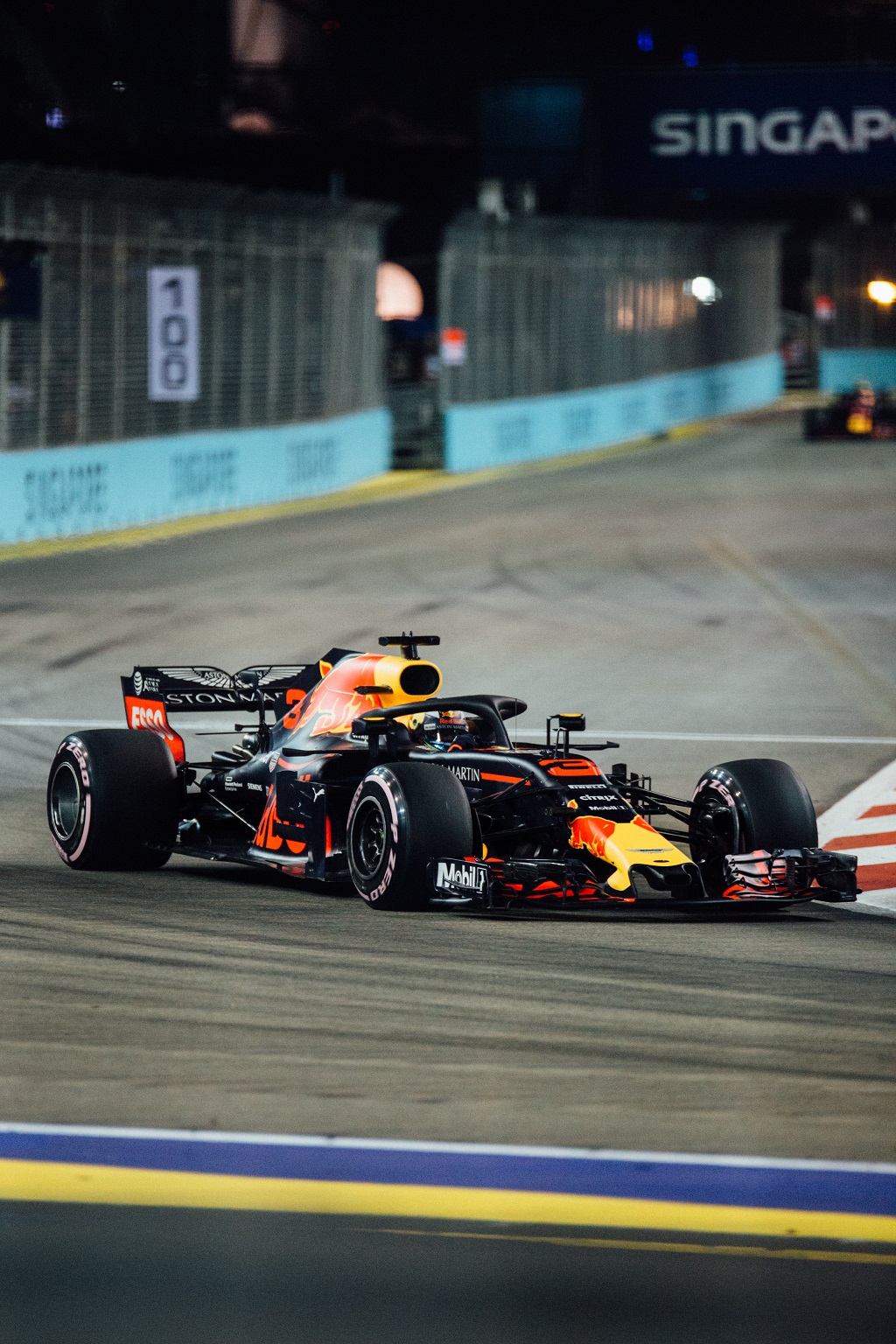
Max Verstappen. Photo Credit: Unsplash.

There are some in F1 that have been promoting sustainability long before 2019. The seven-time world champion, Sir Lewis Hamilton, spent the last decade raising awareness across various sustainability topics, from pushing F1 to be more eco-friendly, and addressing diversity barriers, to promoting eco-friendly food and nutrition. His work is incredibly important as he is a role model for the F1 fanbase. He demonstrates that you can be the best driver in the world while being a vegan and environmental activist. But can F1 match Lewis’ enthusiasm for sustainability? Let’s look at the numbers.


RELATED ARTICLES: Progress in a Static Environment: F1 Teams Take Sustainability Into Their Own Hands | Formula 1 Releases Its 2023 Calendar and Forgets the NetZero Pledge | Is Formula 1 Pushing the Planet to Its Finish Line? |

ESG Data

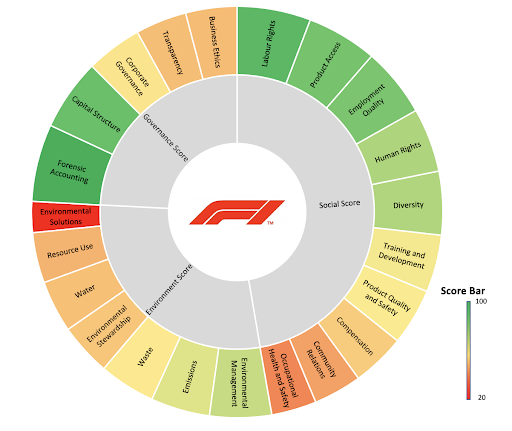
The parent company behind F1 is the US entertainment giant Liberty Media. It acquired the motorsport group in 2017 for £3.4bn. The company has also a stake in a US baseball team and a satellite radio company. In terms of ESG scores (sector-based assessment), Liberty Media ranks in the impressive pole position of the top 96th percentile amongst the Consumer Services*. Looking at the sub-features, the company scores well on labor-related metrics. Unfortunately, it sits in the bottom 2% on the Environmental Solutions metrics, concerned with environmental products and renewable energy.

Interestingly, F1 vehicles run on the most efficient hybrid power unit. Nevertheless, even if F1 removed all car-related emissions, it would still have 99.3% of its emissions to deal with. F1’s report stated its emissions are combined 1-3 metrics. Its parent group Liberty Media officially discloses only Scope 1 and 2. Given the emission intensity of the races rather than the cars, a detailed report on Scope 3 emissions would be useful to monitor the breakdown of emission sources.  
ESG, Sustainability F1
ESG Profile of Liberty Media, the parent group of F1, using the ESG Book data

What’s next?

As F1 races to net zero, it must rethink its entire business model from the ground, balancing revenues with sustainability. There seems to be a lot of focus on the cars themselves. However, the first pitstop for emissions reductions must be operations. F1 ships tons of cars, and equipment around the globe every two weeks. The following suggestions could be a way to start:


  • Calendar coordination: The teams compete in Miami in May, then in Europe, and Asia, only to return to the US for the Texas race in October. The F1 stated that is already looking into dividing the races into regional rounds to reduce the travel distance. 
  • Travel & paddock activities: During Covid limited attendance restrictions, F1 teams used virtual garages monitoring the race online rather than having to fly everyone across the globe. This was both a sustainability and cost-saving exercise, could it be the new norm?
  • Night races: Do we really need night-time races, in hot countries that require significant energy to power the racetracks?
Eau Rouge, Sustainability, F1, SPA
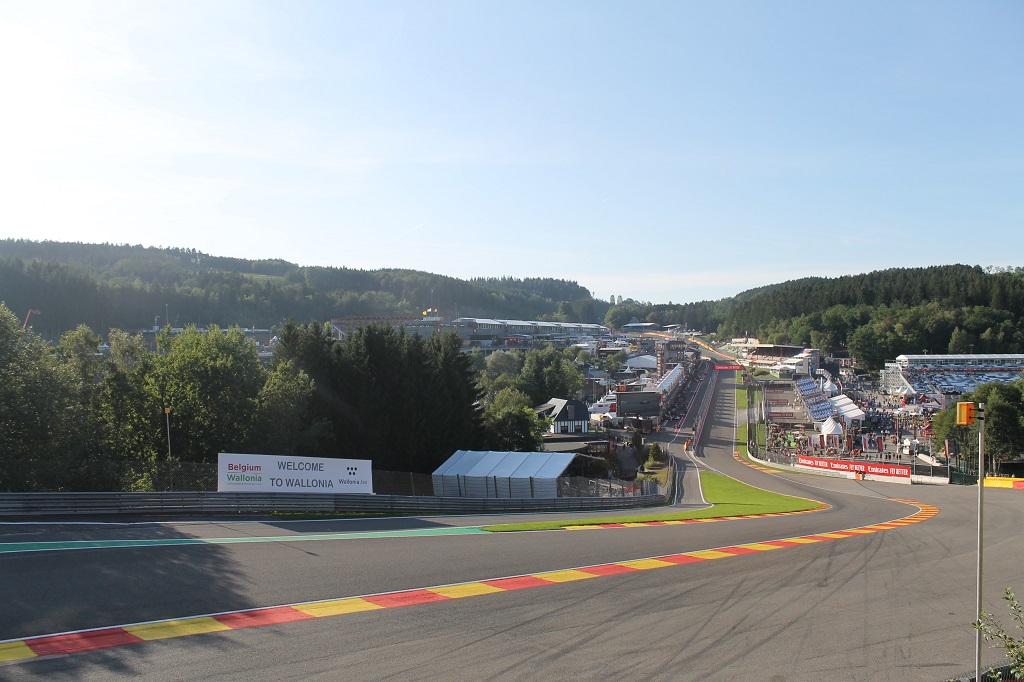
The F1 track in SPA, Belgium. Photo Credit: Unsplash.

On the vehicles themselves, F1 teams are at the forefront of technological progress by having the best engineers in the world. Indeed, some of F1’s inventions have already trickled down to consumer vehicles and benefited the wider automotive industry. For example, safety developments, energy recovery systems, navigation, or composite materials. These are inventions from F1 that might be found in cars that you drive daily. Considering that transport is responsible for 25% of global emissions and with over 1 billion vehicles on the road, F1 has the potential to move the needle towards low-carbon societies. 


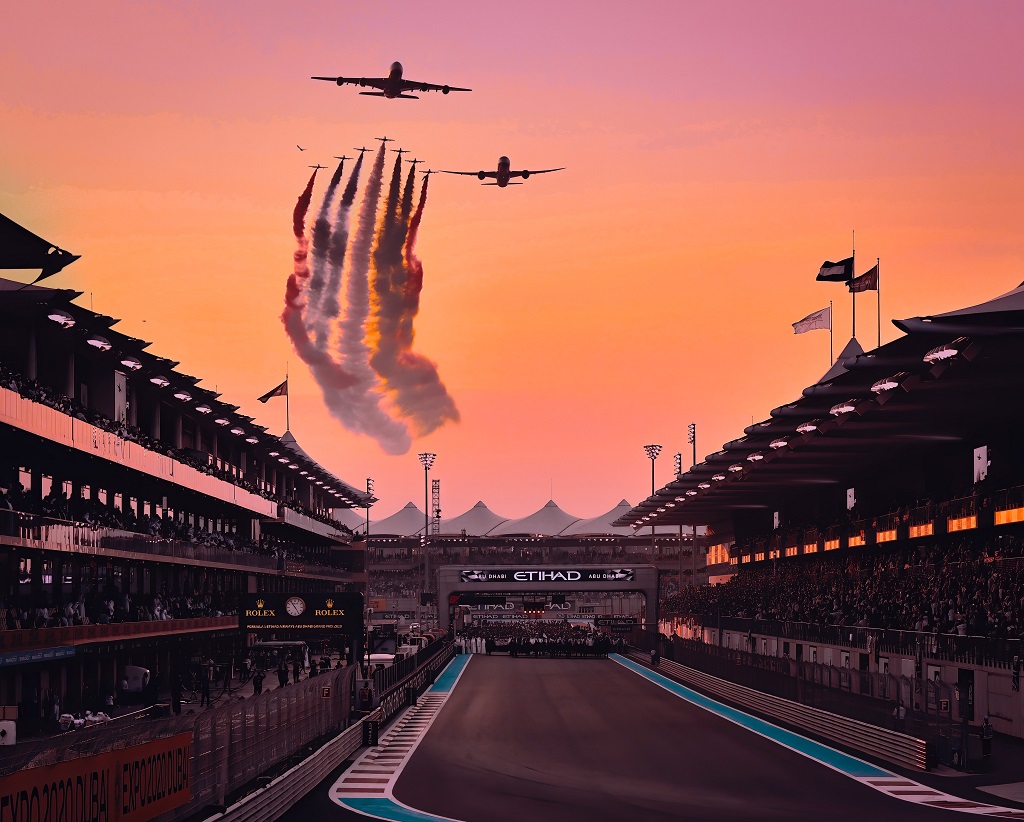
Editor’s Note: The opinions expressed here by the authors are their own, not those of Impakter.com — In the Featured Photo: The start of the last F1 race of the season. Featured Photo Credit: Unsplash.
Tags: Drive To SurviveESGF1Formula 1motorsportRacingSustainability
Previous Post

Can The Amazon Be Saved Under Lula’s Leadership?

Next Post

Political Intransigence and Your Inner Elephant

Related Posts

ESG News regarding Nuclear Waste Storage; Canada Replaces EV Mandate; EU and Turkey Resume Trade Modernization Talks; Startup Raises $29M for Desk-Sized Fusion Reactor
Business

Volunteers Needed for Nuclear Waste Storage

Today’s ESG Updates: US Offers Incentives for Nuclear Waste Storage: The Department of Energy is proposing a "package deal" of...

byEge Can Alparslan
February 6, 2026
ESG news regarding a new EU initiative that lets companies operate seamlessly across all EU member states, U.S. and India reaching major trade deal after tariff reductions, Spain fining Repsol €20.5 million for unfair fuel pricing practices, and Ørsted’s $7 billion Sunrise Wind project being cleared to resume construction.
Business

EU-INC Introduces a Unified Legal System to Simplify Business Across Europe

Today’s ESG Updates EU-INC Lets Companies Operate Seamlessly Across All EU Member States: The European Commission unveiled EU-INC at Davos,...

byAnastasiia Barmotina
February 3, 2026
Russia Raises Alarm Over NATO Military Presence in Greenland, US and Taiwan Seal Semiconductor Trade Deal With Major Investment Commitments, Growing Concerns Over Medical Care in US Immigration Detention, Machado Seeks Influence After High-Stakes Meeting With Trump
Climate Change

Trump’s Greenland Ambitions Strain NATO Unity

Today’s ESG Updates Russia Accuses NATO of Militarising the Arctic: Russia has warned that NATO’s planned deployment to Greenland risks...

byPuja Doshi
January 16, 2026
ESG News regarding Economic Collapse Fuelling Iran Protests Amid Rising Death Toll, U.S. Pressure on Iran Tests Beijing as Tariffs Could Push China Duties Above 70%, EU Offers China Price Pledge Option to Avoid EV Tariffs, Atmosphere Emerges as Major Pathway for Plastic Pollution
Business

Iran Acknowledges 2,000 Deaths as Protests Enter Third Week

Today’s ESG Updates Economic Crisis Drives Largest Protests in Years: Demonstrations that began over the collapse of the currency in...

byPuja Doshi
January 13, 2026
News about sustainability in the publishing industry
Environment

How the Publishing Industry Addresses the Carbon Footprint of Books

Books are ever-present in our lives: we look through picture books when we are children, study textbooks in school and...

byAnastasiia Barmotina
January 8, 2026
Orsted challenges U.S. suspension of offshore wind projects; global mandatory ESG reporting accelerates; ESG ratings for Saudi firm Maharah; EU legal certainty on sustainability reporting.
Business

Orsted’s US Wind Project Challenge Highlights Regulatory Risk in Clean Energy Investment

Today’s ESG Updates Orsted Challenges U.S. Suspension of Wind Project: Denmark-based renewable developer files court action to overturn the U.S....

byMuhammad Umer Aslam
January 5, 2026
First Year of CSRD Reporting Exposes Data Gaps
Business

First Year of CSRD Reporting Exposes Data Gaps

Today’s ESG Updates CSRD Reporting Proves Difficult: Deloitte finds that many European companies failed to quantify ESG-related capital and operating...

byMuhammad Umer Aslam
December 22, 2025
Canada Sets Green Investment Rules; UK Regulator Probes WH Smith; Louvre Workers Call Off Strike;Trump Allies Clash With Fannie, Freddie Staff.
Business

A New Rulebook for Green Capital: Canada

Today’s ESG Updates Canada Sets Green Investment Rules: Canada will introduce a sustainable investment taxonomy by 2026 to label green...

byEge Can Alparslan
December 19, 2025
Next Post
Political Intransigence and Your Inner Elephant

Political Intransigence and Your Inner Elephant

Recent News

ESG News regarding industry pushback on weakening CBAM, Dcycle acquiring ESG-X, BNP Paribas meeting sustainability goals, US energy secretary to visit Venezuela

Plans to Weaken EU Carbon Border Tax Lead to Industry Pushback

February 9, 2026
Proposing a New Security Mechanism to Address the UN’s Crisis Response Problem

Proposing a New Security Mechanism to Address the UN’s Crisis Response Problem

February 9, 2026
biodiversity loss

The Economics of Biodiversity Loss

February 9, 2026
  • ESG News
  • Sustainable Finance
  • Business

© 2025 Impakter.com owned by Klimado GmbH

No Result
View All Result
  • Environment
    • Biodiversity
    • Climate Change
    • Circular Economy
    • Energy
  • FINANCE
    • ESG News
    • Sustainable Finance
    • Business
  • TECH
    • Start-up
    • AI & Machine Learning
    • Green Tech
  • Industry News
    • Entertainment
    • Food and Agriculture
    • Health
    • Politics & Foreign Affairs
    • Philanthropy
    • Science
    • Sport
  • Editorial Series
    • SDGs Series
    • Shape Your Future
    • Sustainable Cities
      • Copenhagen
      • San Francisco
      • Seattle
      • Sydney
  • About us
    • Company
    • Team
    • Partners
    • Write for Impakter
    • Contact Us
    • Privacy Policy

© 2025 Impakter.com owned by Klimado GmbH