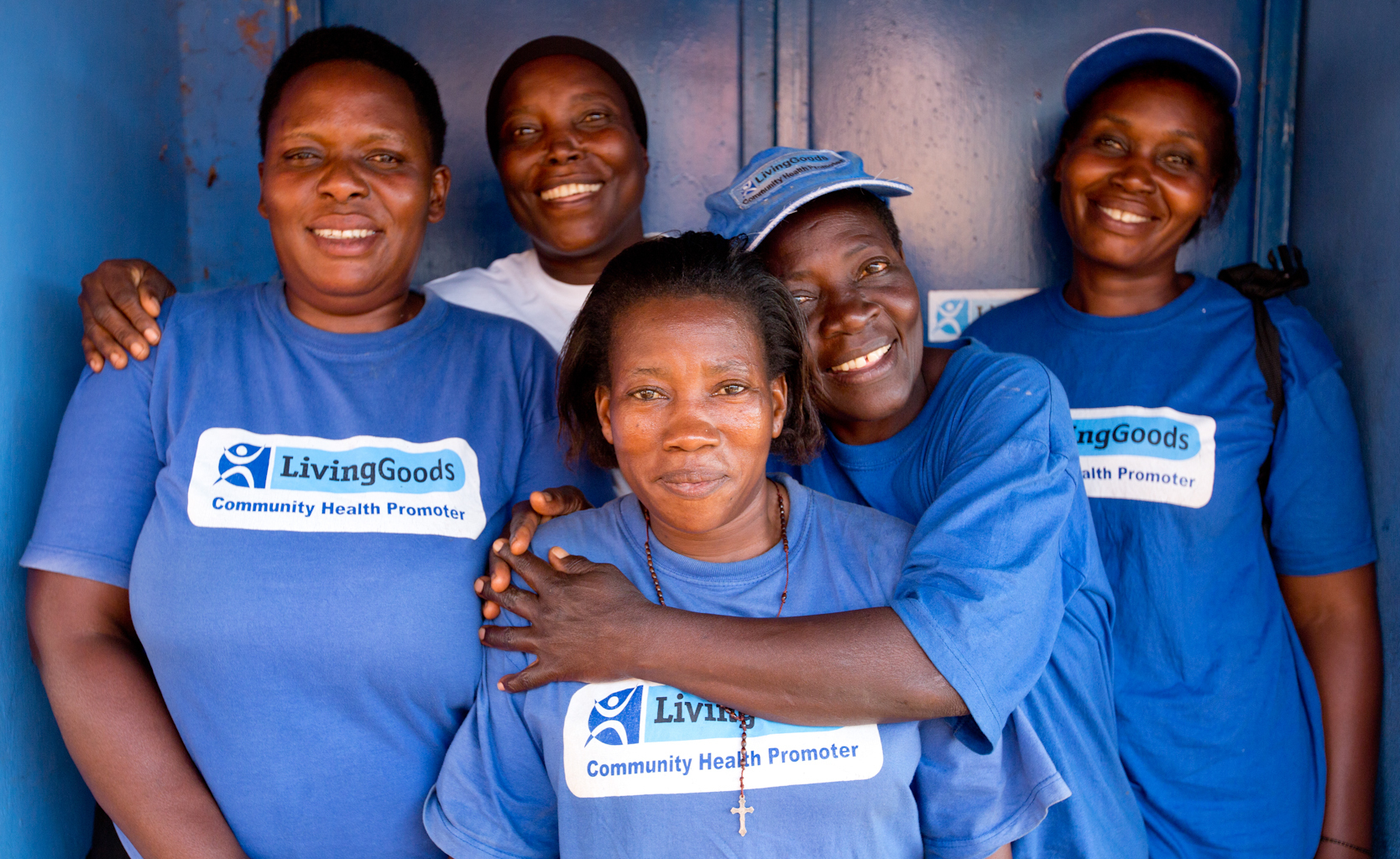
Milly goes door-to-door selling every day goods and medicines in her hometown district of Kyengera. Kyengera is just outside Kampala, Uganda’s fast growing capital. She diagnoses and treats what could otherwise be debilitating and deadly disease and illness like malaria and diarrhea. She also connects her customers to more specialized care in hospitals.
Five years ago, Milly was jobless and needed a way to support her three children, ages five, eight, and twelve. She never drew blood and couldn’t explain how malaria medication worked, but she did have basic reading and math skills and applied for a job as a Community Health Promoter with Living Goods.
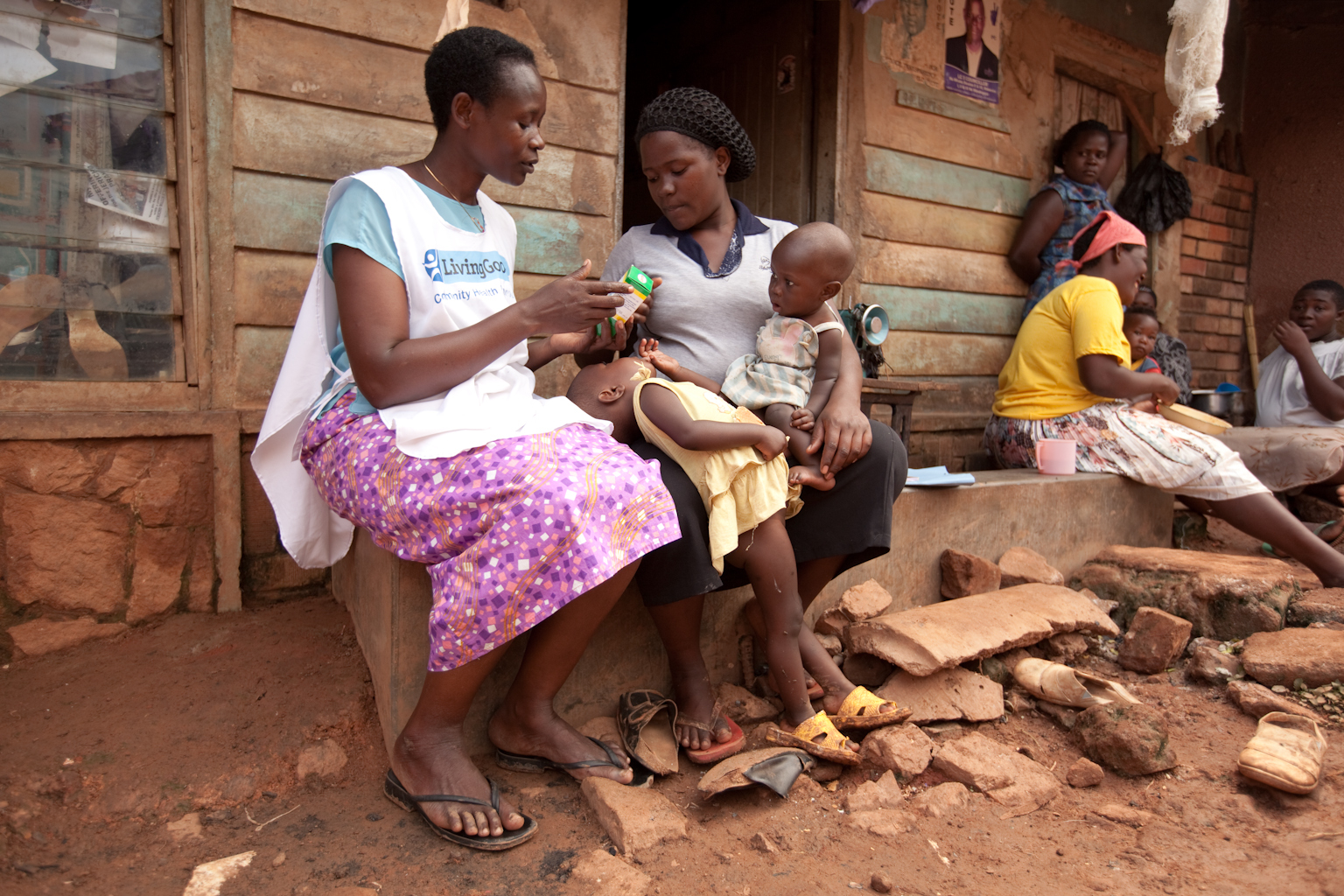 In the Photo: Living Goods agent Sarah Nakyambadde (left) visiting her client Olivia Nakazzi (right) and children at their home in the Kawempe division of Kampala, Uganda. Photo Credit: Esther Havens
Founded in 2007, Living Goods is a nongovernmental organization headquartered in the US with operations in Uganda and Kenya. They also operate in Myanmar and Zambia where they’re rolling out an adapted model in partnership with NGOs.
As part of the application process, Milly enrolled in a 3-week training program. She learned how to use a smart phone to diagnose illness and keep track of basic customer data, and how to conduct basic medical procedures like drawing blood. She passed the training with flying colors. Now she runs her own successful independent franchise, selling goods, making diagnoses, and caring for 150 people in her community.
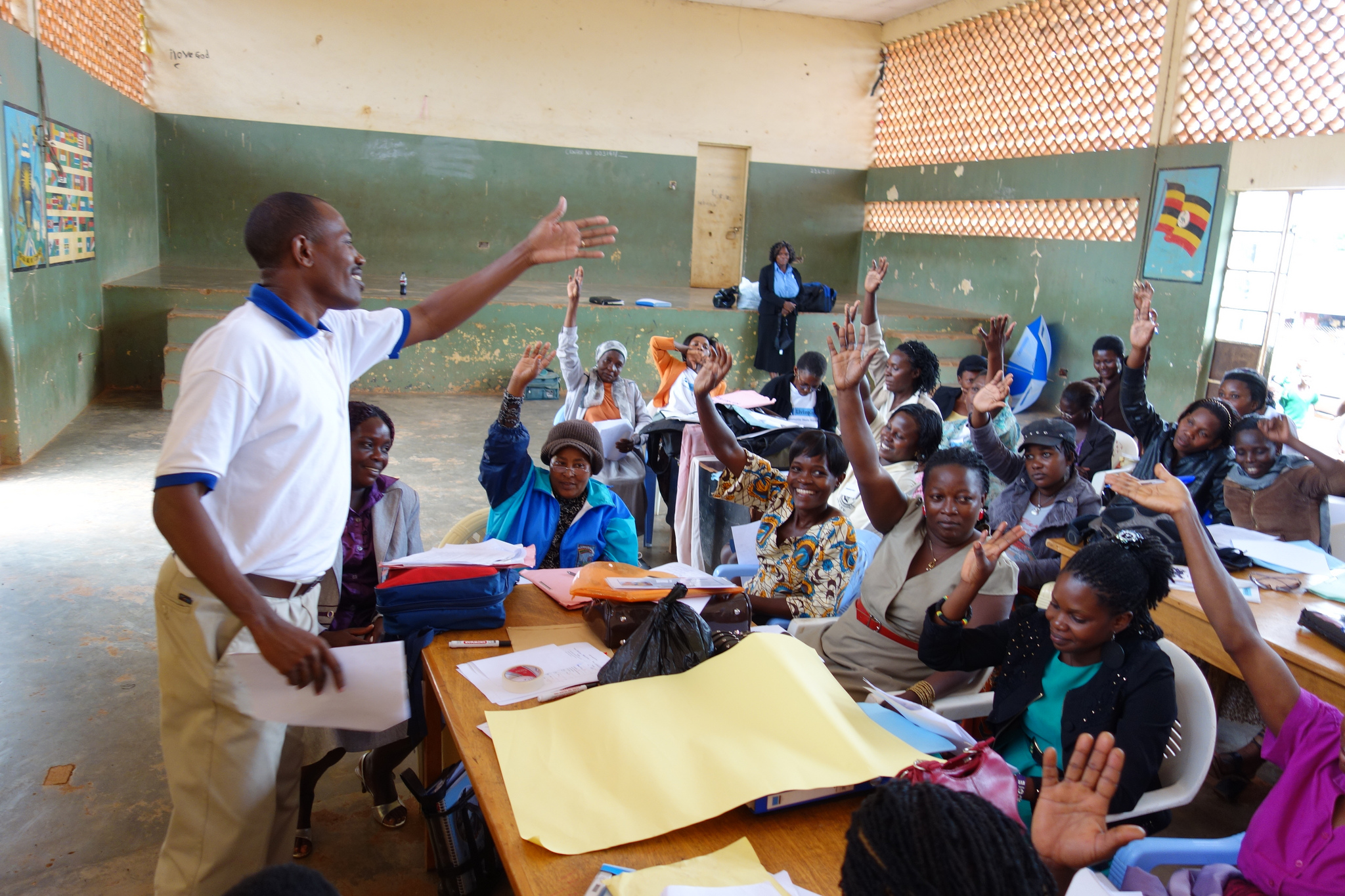
In the photo: Women taking training Photo credit: Living Goods
Living Goods markets Milly’s business, gives her access to products and medicines for 30-50 percent below market prices, and hosts monthly booster trainings.
Milly sells goods to her customers for at least 20 percent below market prices. This means that her profit margins hover between 10-30 percent, and this translates into real income.
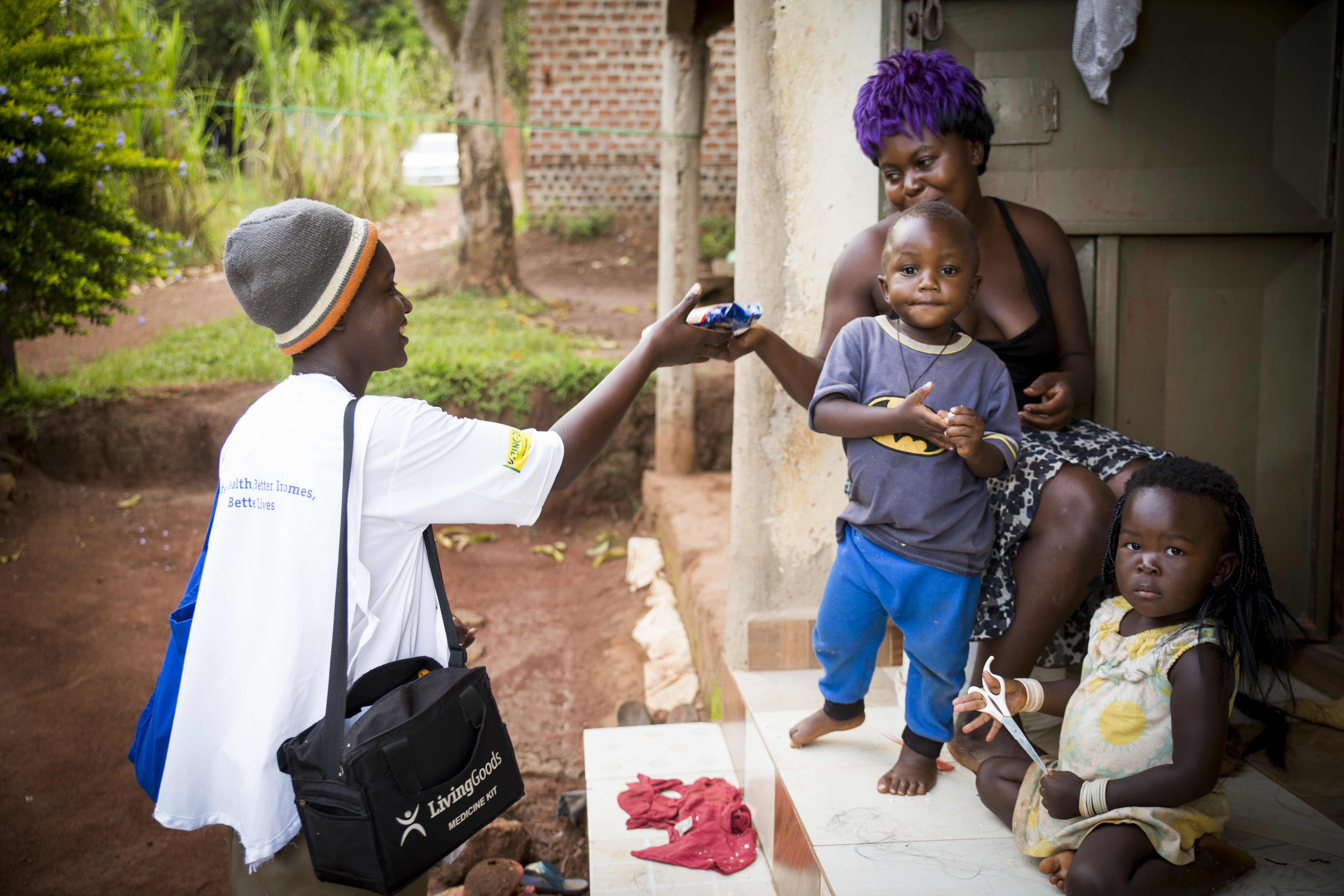 In the Photo: A client purchases a nutritious porridge called “Healthy Start” from her Living Goods Community Health Promoter. Photo Credit: Gabriel Diamond
Milly also uses successful business strategies to grow her customer base. For example, she provides free services like newborn visits and referrals and hosts product parties to generate buzz about her offerings. She explains, “We have community events. A lot of Community Health Promoters will get together and show the community our products and how they work. It’s fun for people to see what we have.” She also spends a great deal of time with her exiting customers.
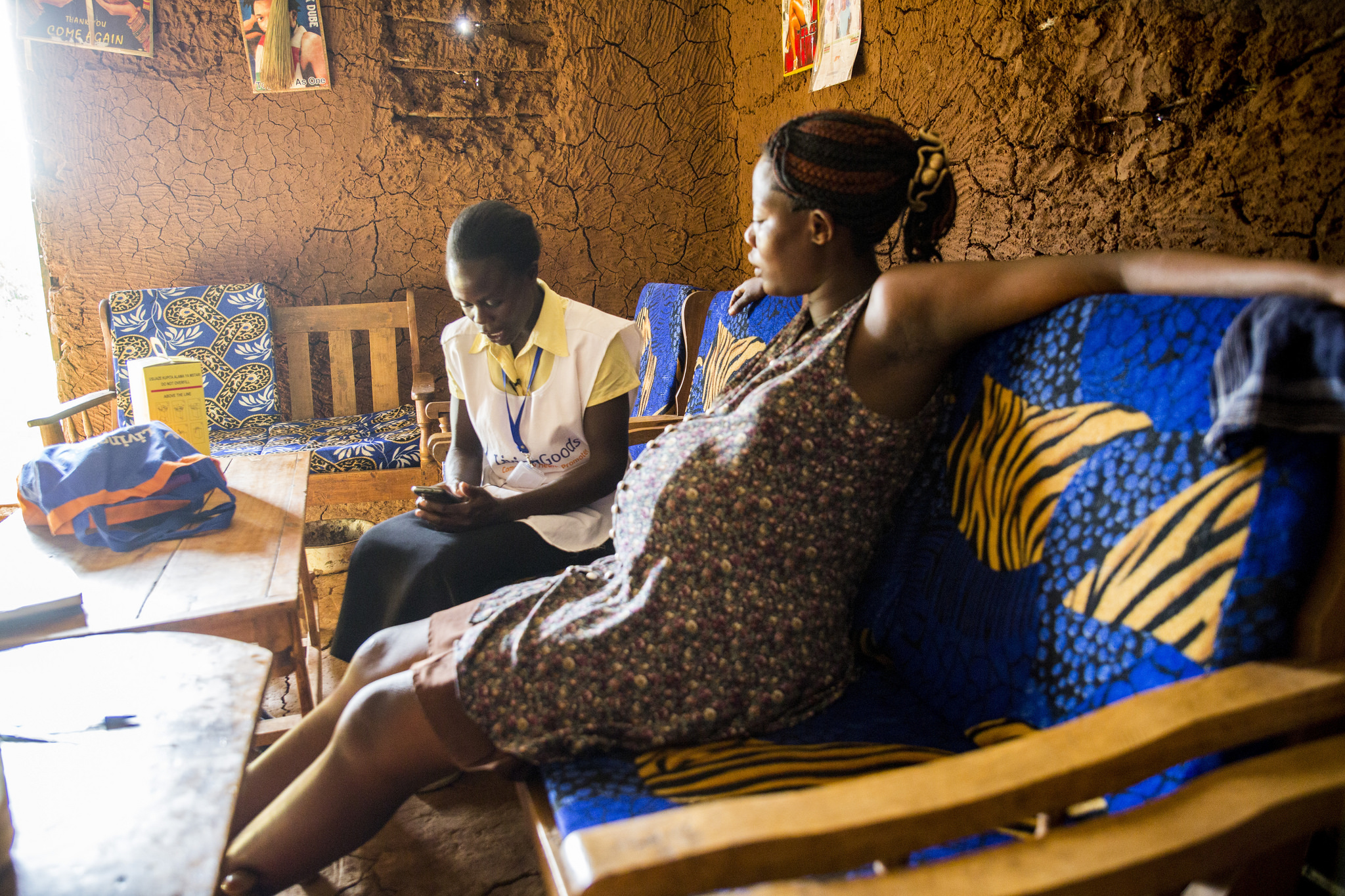 In the Photo: A Community Health Promoter provides wellness tips to a mom to be. Photo Credit: Gabriel Diamond
Beaming with pride, Milly explains what her household visits look like. “I provide counseling to pregnant women and keep children healthy. I teach women how to eat a balanced diet, I encourage them to go to the hospitals to give birth, and help them make a birth plan.” The birth plan includes choosing someone that will escort mom to the hospital. She emphasizes, “If they don’t get other people to go with them, I make sure I go with them.”
And this is what makes Milly different from an Avon lady. Her customers get hours of extra, unpaid service, and compassion and companionship that can’t be bought. She’s a trusted member of the community, a go-to pillar of support.
Related article: “UNCONDITIONAL CASH TO THE POOR: AN INTERVIEW WITH GIVE DIRECTLY”
Many of her customers have children under five. She takes special care to monitor newborns and toddlers. “If they don’t look well, I encourage the mother to go to the health center. I also encourage them to take their babies to get immunized and to feed them fortified foods.”
Through her visits and care, Milly and women like her are starting to curb the 5.9 million child deaths that happen each year. More than half of these are preventable through products that Community Health Promoters sell: affordable medicine, simple devices like clean and sterile razor blades that ensure hygienic births, and basic goods like water filters.
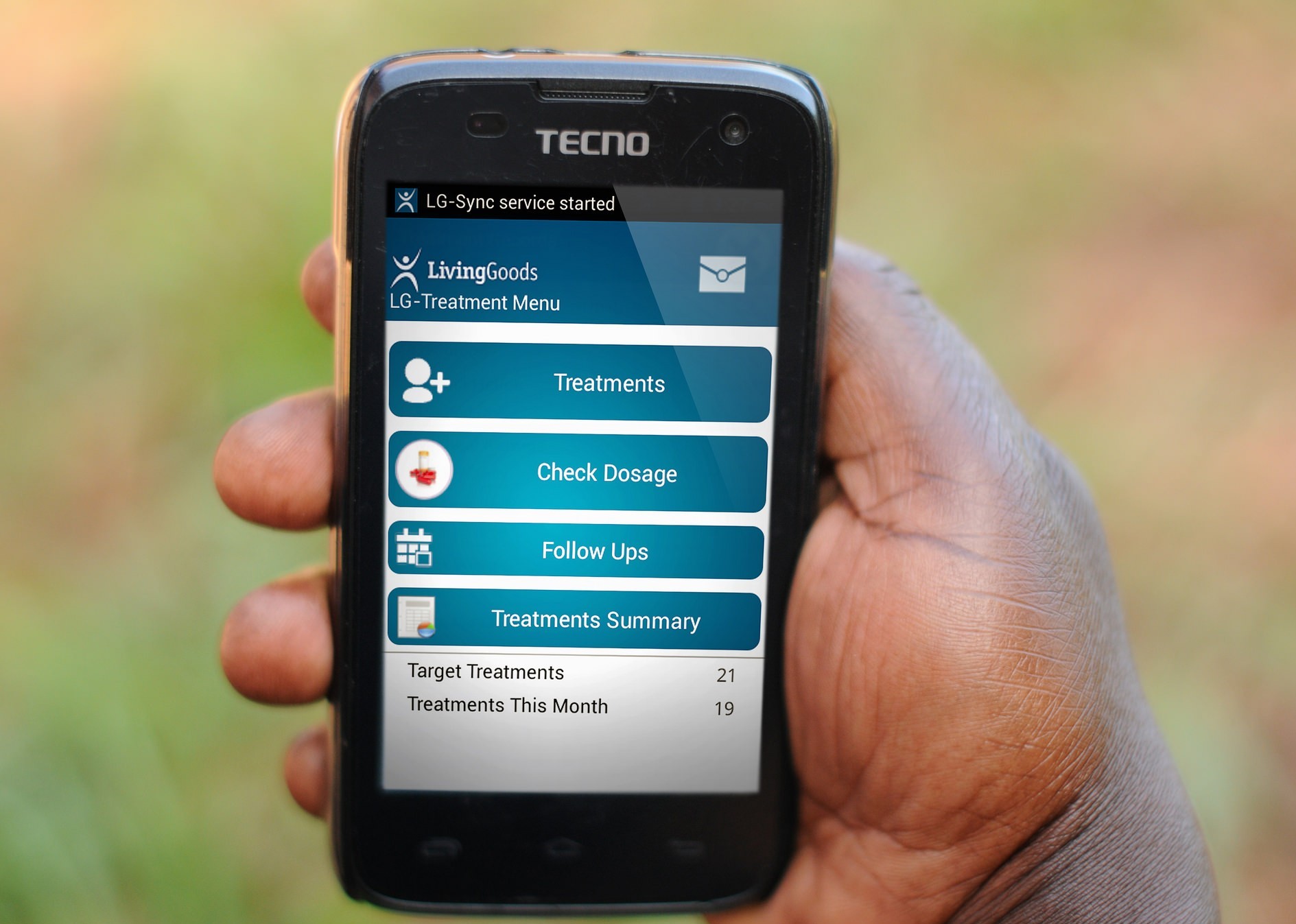
In the Photo: A Community Health Promoter (CHP) uses a smartphone to keep track of treatments. Photo Credit: Living Goods
Along with their partner BRAC in Uganda, Living Goods Community Health Promoters are currently reaching over five million people.
So does it work? Are lives being saved through this door-to-door model? In short, yes.
A randomized control trial, the gold standard in evaluating the effectiveness of programs like this, found that child mortality (the death rate of children younger than 5) was reduced by 27 percent and infant mortality (the death rate of children less than a year old) was reduced by 33 percent in homes that were visited by Community Health Promoters like Milly.
The idea of using community health promoters to improve community health isn’t new. But these efforts often fail because they lack enough of and the right incentives to motivate and retain workers. Living Goods is growing its cadre of health workers in part because it provides a steady pay check and occasional bonuses. Here’s how it works:
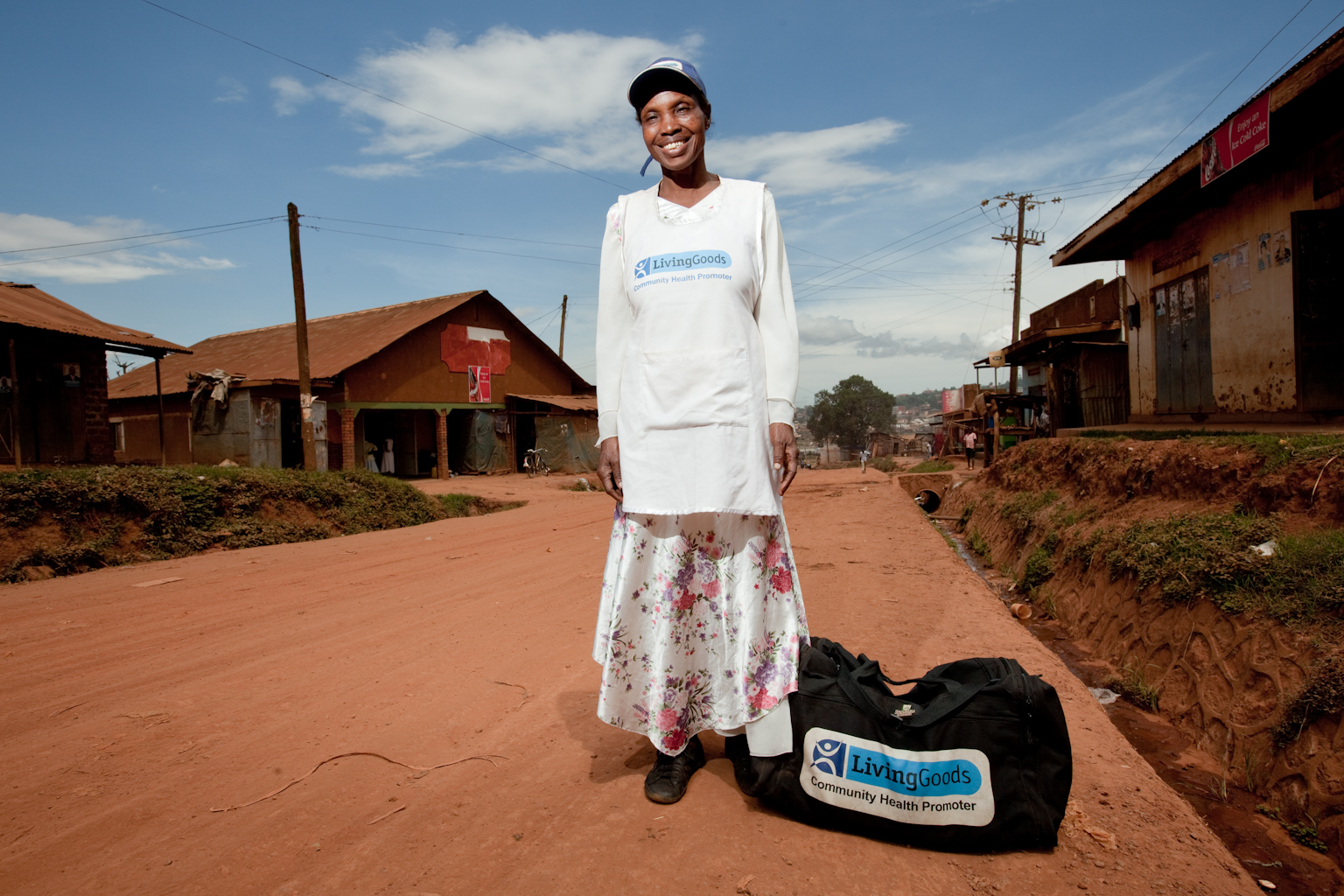 In the Photo: Living Goods provides Community Health Promoters with regular training, support, and a “business-in-a-bag.” Photo Credit: Esther Havens
Every day at 7 am, Milly fills up her travel bag with low-margin items like diapers, detergents, and hand soaps. She also takes along a few high margin items like cook stoves and solar lights. Regular customers scoop up the every-day items, and newer customers tend to make those one-time, high-margin purchases. This leaves Milly with a steady revenue stream, the occasional revenue boost, and an incentive to grow her customer base.
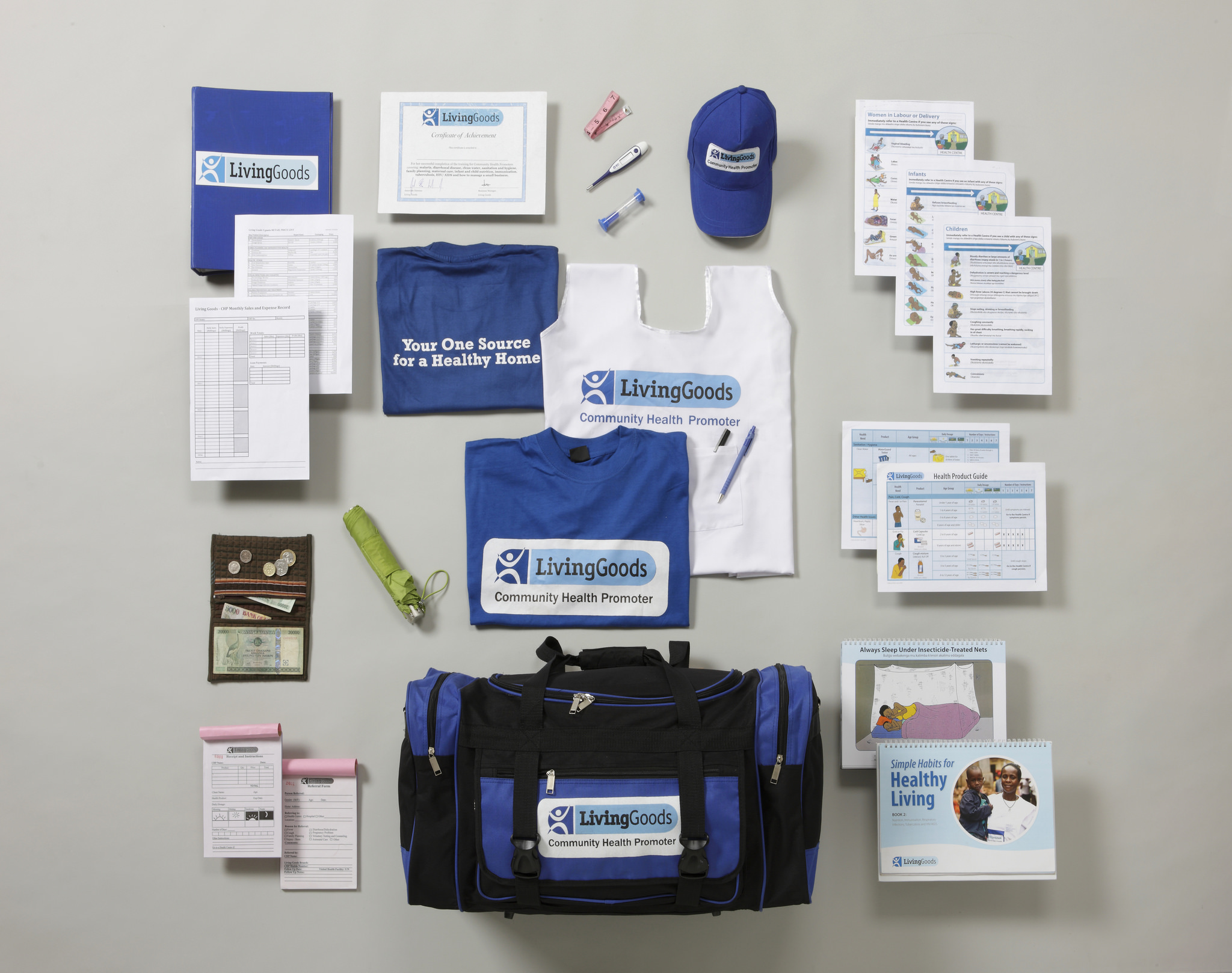
In the Photo: Community Health Promoters travel bag and supplies. Photo Credit: Living Goods
Milly gets direct support from her Branch Manager, Judith. Judith says that while Milly is out saving lives, she’s also transforming her own life. “When you’re working with ladies like Milly, you’re really changing their life. And everyone appreciates when they see this work being done. People really see the benefit. We’re improving lives, we’re leading by example. We show that it’s possible to use small businesses to make a positive impact in our country.”
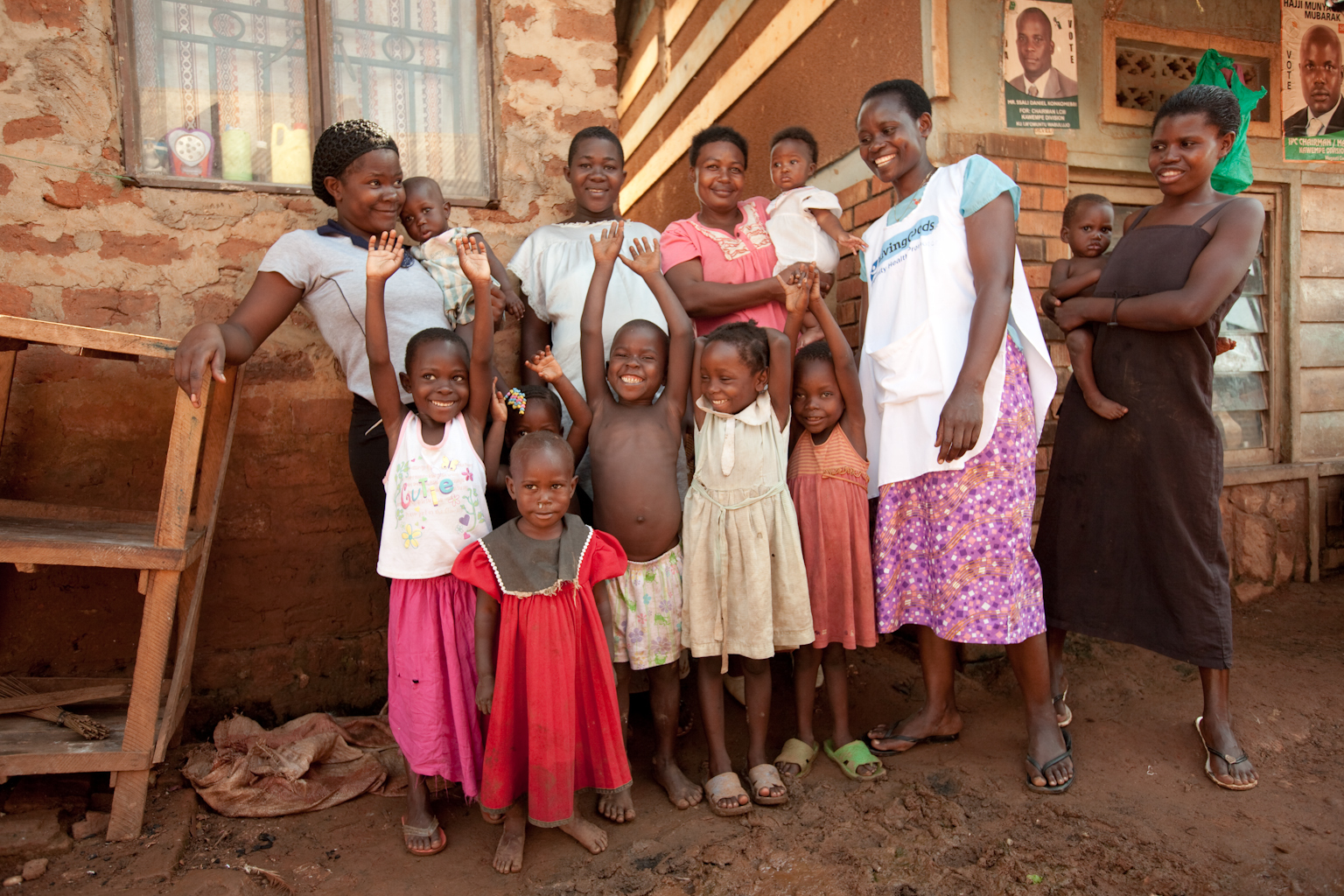 In the Photo: Community Health Promoters improve the health of moms and kids in their own communities—like the ones in this picture! Photo Credit: Esther Havens
I ended the video call by asking Milly what she liked most about her job. She laughed, repeated the question, and paused. “What I like most about my job, is that I make friends. I treat my friends, and I treat my family. And when I treat people, they get better. I feel proud about that.”
Milly builds trust and imparts kindness. This helps customers understand and believe in the benefits of medicines and bed nets. I think Milly saves lives because she makes friends, and this is why she’s my superhero.
Recommended reading: “UGANDA’S BAD SEEDS”