Sustainability used to be considered a niche concern, perhaps even a luxury. But rising concerns about climate change and our planet’s limited resources, as well as loss of biodiversity and increasing global equality, have led to the mainstreaming of sustainability. To help meet tomorrow’s sustainability needs, the world needs a new wave of leaders who have the drive, skills, and vision to help enact meaningful change. Preparing the next generation of sustainability leaders is essential if we hope to preserve humanity’s future.
New Sustainability Leaders: Why They’re Needed
Sustainability is a broad and sophisticated field, and the challenges facing the planet are more complex than ever. From decarbonizing energy systems to responsibility managing supply chains to reducing waste, these problems require a broad, holistic approach rather than the siloed, traditional strategies of the past.
In other words, tomorrow’s sustainability leaders need to think systemically — to have a broad vision of how climate, energy, society and business interact. They also need to be able to act collaboratively, working with stakeholders to create workable solutions. Without fresh eyes and a new crop of sustainability leaders, our progress may simply be too slow to meet the challenges facing us.
The Evolving Role of Sustainability Leadership
Sustainability leadership was once considered solely the province of academia and NGOs. But today, sustainability is a concern across nearly every sector. Governments need leaders to help shape climate policy; corporations need leaders who can help build sustainability into daily practice; international organizations need people who can think and act at a global level to mesh science, policy and practice together. In short, the world needs leaders with both the technical expertise and the strategic vision to tackle these broad-scale challenges.

Core Skills for the Next Generation
So exactly what kind of skills and expertise do these leaders need to demonstrate? The required competencies are specific but broad in scope.
- Systemic thinking and cross-sector collaboration. Large challenges can only be solved through collective action, making collaboration — and proper facilitation of it — a must.
- Technical expertise in energy and materials management. A sustainability leader must have an intimate working knowledge on sustainable production methods, renewable energy, and proper use of resources.
- Policy development. Sustainable operations and innovation requires a framework to keep it manageable and coherent.
- Collaboration with stakeholders. Sustainability costs money, and leaders must be able to work with businesses, communities, governments, and NGOs to not only secure funding, but make sure it’s put to the best possible use.
- Adaptability and resilience. The ability to both come up with bold solutions and bounce back from failure or setbacks is paramount to good sustainability leadership.
The Role of Education
Obviously, the suite of skills needed for sustainability leadership are numerous and daunting. These qualities don’t happen by accident; they need to be developed intentionally with study and hard work. Education plays a vital role in developing the strategic mindset and technical know-how required to tackle sustainability.
That’s why formal education is so important when it comes to learning these skills. For example, pursuing a master of science in sustainability management can do a lot to help prepare students for tackling subjects like energy transitions, resource management, and environmental policy.
But the “leadership” part is also critical, and the “soft skills” must also be taught. Good leadership and collaboration skills are incredibly important in this field. As an added bonus, pursuing a master’s degree in sustainability online offers a lot more flexibility than traditional classroom-based study, and professionals can continue in their careers while developing these skills.
Where Are Sustainability Leaders Needed Most?
If you’re thinking about pursuing a degree in sustainability leadership, you might be wondering where your skills would be in the most demand. As it turns out, there’s a broad range of areas where these skills are highly sought after, including:
- Shaping renewable energy policy
- Designing sustainable materials and production systems
- Leading corporate sustainability strategies
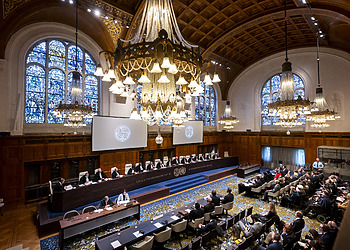
- Guiding international climate negotiations
A Global-Centric Perspective
Perhaps most importantly, a leader must understand that sustainability is inherently global. Issues such as carbon emissions, resource scarcity, and climate change aren’t a local or national phenomenon — they’re worldwide and transcend national borders. To that end, sustainability leaders have to not only think of sustainability in broad systemic terms, but they must maintain a global perspective, fostering collaboration and building networks that will span countries and cultures.
The ability to collaborate internationally and align efforts across multiple sectors and international borders could be the main difference between victory and defeat for any sustainability initiative.
The challenges faced by today’s world are immense, but they’re not hopeless, and the opportunities for leaders to step up and take charge are equally as expansive. By preparing the next generation of leaders with the skills and expertise they need to navigate those challenges, we can make real progress toward a more sustainable world.
Editor’s Note: The opinions expressed here by the authors are their own, not those of Impakter.com — Cover Photo Credit: AI generated