
Today’s ESG Updates
- Midterms Spell Rough Climate for AI Data Centres: Politicians on both sides of the aisle use anti-data centre sticking points to boost election chances.
- Indonesia’s Plans to Become Solar-Powered: Indonesia begins to phase out diesel power plants in favour of a planned 100 GW solar energy network by 2029.
- Nevada Sues Trump Admin Over Water Worries: Citing lack of due process and a violation of the rules governing water supply, Nevada sues the Trump administration over new mandatory reductions in water use and supply.
- Sanctions Mount on Iran: Iran’s situation becomes increasingly precarious, U.S. Treasury warns of ‘bad behaviour’ by actors cooperating with Iran.
Regulatory backlash against data centres turns political
An increasing backlash against data centres in the United States has become a worry for some in the tech sector. It looks to become a long-term political issue that will impact politics into 2028 and beyond.
Republican Gov. Greg Abbot and political hopefuls such as Josh Shapiro (House, D) and Michigan’s Mike Rogers (Senate, R) are the latest to sign on to data centre curbs. Shapiro is running against Stacy Garrity, who has endorsed a temporary moratorium on data centres.
Gov. Shapiro of Pennsylvania signed an executive order requiring local community approval before data centres can be built. Gov. Abbott paused approval for building new data centres while the state audits power, ownership and water use. Rogers came out in support of a one-year moratorium.
Data centres are on the ballot this election season. Democrats Abigail Spanberger and Mikie Sherrill both succeeded, running on a platform of forcing data centres to pay for costs up front. Tech companies have struggled to find an effective message that calms voters’ opinions on data centres.
Klimado – Navigating climate complexity just got easier. Klimado offers a user-friendly platform for tracking local and global environmental shifts, making it an essential tool for climate-aware individuals and organizations.
Indonesia’s first moves toward a solar-powered economy
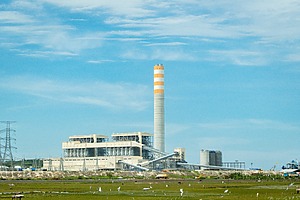
Indonesia’s president Prabowo Subianto christened 14 solar power plants on Tuesday, totalling a capacity of 5.3 gigawatts as part of the country’s goal to add another 100 GW of solar energy by 2029.
Of the projects, two are already functional, with six being constructed and six more open to bids by investors. Total investment adds up to $7.62 billion. In total, the plan to add 100 GW of solar power is estimated to require 1,140 trillion rupiah, or $64.3 billion.
Solar farms are estimated to reduce electricity costs by 73.9 trillion rupiah per year. The government aims to shut down 13 GW of diesel power plants to be replaced with renewable energy.
Related Articles
Here is a list of articles selected by our Editorial Board that have gained significant interest from the public:
Nevada sues Trump’s administration over water mandates

Nevada has sued Trump’s administration to prevent water supplies from being pulled from the waning Colorado River, concerned by the impact it could have on the state; stating it could violate laws governing the river.
The plan is to implement a 21% reduction in water to California, Nevada, and Arizona, lasting two years from 2027 onwards; potentially doubling after 2028. The ‘Upper Basin’ states — Colorado, Utah, New Mexico, and Wyoming, states also reliant on the river — have refused mandatory cuts. The lawsuit alleges that the administration did not comply with requirements to consider alternatives, consider impacts, reply to comments, or analyze mitigation measures.

US Treasury aims to cut Iran off from the world
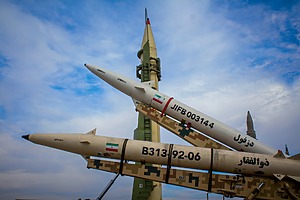
Photo credit: Moslem Danesh
New sanctions aimed at crippling the Iranian economy were detailed on Monday, an attempt at forcing other countries to end business with Iran, or else face the threat of being forced out of dollarised banking & monetary systems. Treasury Secretary Scott Bessent refused to elaborate which countries were the target of these statements, focusing on allowing countries to ‘remedy bad behaviour.’ The Treasury announced sanctions on 60 new individuals.
Washington has struggled with an unpopular war, and is looking to economic sanctions to remedy and quickly resolve the conflict. Despite a lack of military conflict, diplomacy has failed to create anything concrete so far. Iran has offered a number of bellicose responses, including calling the acts an ‘economic terrorist attack.’
Countries with allegiance to Iran such as Russia and China have been absent from the new sanctions, despite mounting pressure from the U.S. to cooperate and end their reliance on Iranian oil.
Editor’s Note: The opinions expressed here by the authors are their own, not those of impakter.com — Cover Photo Credit: Geoffrey Moffett