
Today’s ESG Updates
- Philippines, Singapore Sign Carbon Trading Deal: Agreement expected to boost climate investment and expand carbon market opportunities across the Philippines.
- ADB Offers Help to Pacific Countries Hit by Iran War: Fuel shortages expose energy vulnerability, with the bank stepping in to support immediate needs and long-term resilience.
- ADB Launches $70 Billion Infrastructure Plan: Regional push to expand power grids and digital access aims to cut emissions and support long-term growth.
- Record US Biofuel Targets Test Biodiesel Industry: Ambitious mandates strain supply chains, raising concerns over production gaps and rising compliance costs.
Carbon market deal boosts climate investment flows
The Philippines and Singapore have signed a carbon trading agreement that allows both countries to share verified emissions reductions, a move expected to boost climate investment. The deal, signed during ASEAN Climate Week, creates a framework under the Paris Agreement for transferring carbon credits between the two nations.
Singapore’s Environment Minister, Grace Fu, said the partnership would strengthen collaboration and channel funding into high-impact projects. A joint committee will oversee project approval and emissions tracking.
Philippine Environment Secretary Juan Miguel Cuna said the agreement could support renewable energy, waste management, and climate-resilient agriculture initiatives.
***
Further reading: Philippines, Singapore sign carbon trading deal to boost emission cuts, climate investment
Klimado – Navigating climate complexity just got easier. Klimado offers a user-friendly platform for tracking local and global environmental shifts, making it an essential tool for climate-aware individuals and organizations.
Asia-Pacific infrastructure push targets power and digital gaps
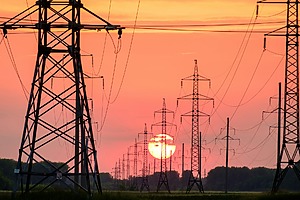
The Asian Development Bank has launched a $70 billion program to expand energy and digital infrastructure across the Asia-Pacific by 2035. The initiative aims to strengthen cross-border power grid links, increase electricity trade, and improve broadband access across the region.
ADB President Masato Kanda said stronger connectivity would support long-term growth as energy demand and digital transformation accelerate. A major focus is improving access to reliable power and digital services, particularly in underserved areas.
The program also seeks to integrate renewable energy and reduce emissions, while mobilizing both public and private investment to scale infrastructure development across borders.
***
Further reading: ADB launches $70 billion plan for energy, digital infrastructure in Asia-Pacific
Related Articles
Here is a list of articles selected by our Editorial Board that have gained significant interest from the public:
Pacific economies seek resilience amid energy shocks

The Asian Development Bank has pledged urgent support to Pacific countries facing fuel shortages following disruptions linked to the Middle East conflict. Speaking at the bank’s annual meeting in Samarkand, ADB President Masato Kanda said the region has been particularly exposed to external shocks due to its reliance on imported energy.
The bank is prepared to address immediate energy needs while supporting longer-term resilience through diversification of energy sources. The crisis shows how vulnerable Pacific economies are, with supply disruptions quickly affecting economic stability.
Growth in the Pacific is now expected to slow, reflecting the broader impact of global instability on smaller, import-dependent economies.
***
Further reading: Asian Development Bank offers help to Pacific countries hit by Iran war

Biofuel push tests industry capacity

The U.S. Environmental Protection Agency has set record biofuel blending mandates, requiring a sharp increase in biodiesel production that could challenge an industry still recovering from a weak year. Producers will have to increase output to hit the targets, though shortages of feedstock and capacity and logistical constraints may hold them back.
If producers fail to meet the targets, compliance credit prices under the Renewable Fuel Standard could rise, pushing up costs for refiners and possibly consumers. Analysts say current production is still falling short, pointing to a gap between what policymakers want and what the industry can realistically deliver as demand for cleaner fuels grows.
***
Further reading: Record US biofuel targets to test biodiesel industry after slow year
Editor’s Note: The opinions expressed here by the authors are their own, not those of impakter.com — In the Cover Photo: Singapore skyline Cover Photo Credit: Hu Chen