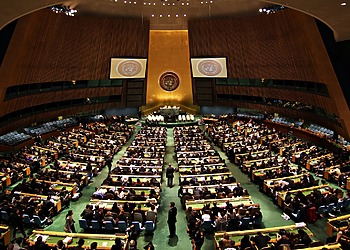
Editor’s Note: This article about paving a pathway to a plastic-free future by mobilizing change with a strong, enforceable Global Plastics Treaty at the United Nations INC-4 conference was authored by Marc Yaggi, CEO of the Waterkeeper Alliance.
From never-ending streams of garbage flowing into the oceans to microscopic pieces of plastic working their way onto our dinner plates, dangerous plastic pollution poses a massive threat to human health and life-giving ecosystems. With the United Nations Environment Programme’s fourth session of the Intergovernmental Negotiating Committee on the horizon, world leaders have a critical opportunity to honor their commitments to end plastic pollution and hold corporate polluters accountable with a strong Global Plastics Treaty.
During this INC-4 conference — the fourth of five total sessions designed to facilitate concrete global action on plastics — governments must endorse binding, enforceable commitments that will tackle this pervasive pollution at its source.
While many nations have taken action with varying levels of levies, bans, educational initiatives, and producer accountability measures designed to protect wildlife, waterways, and human health, clearly more needs to be done to combat the mounting crisis. These actions, though welcome, are not enough to deal with the scale and scope of the problem.
It is abundantly clear, across the so-called lifecycle of plastic, that the world needs to be making far less of it. To help drive momentum, as we work to build effective global solutions like the United Nations Global Plastics Treaty, we must focus on a more circular economy that puts plastic reduction at the forefront.
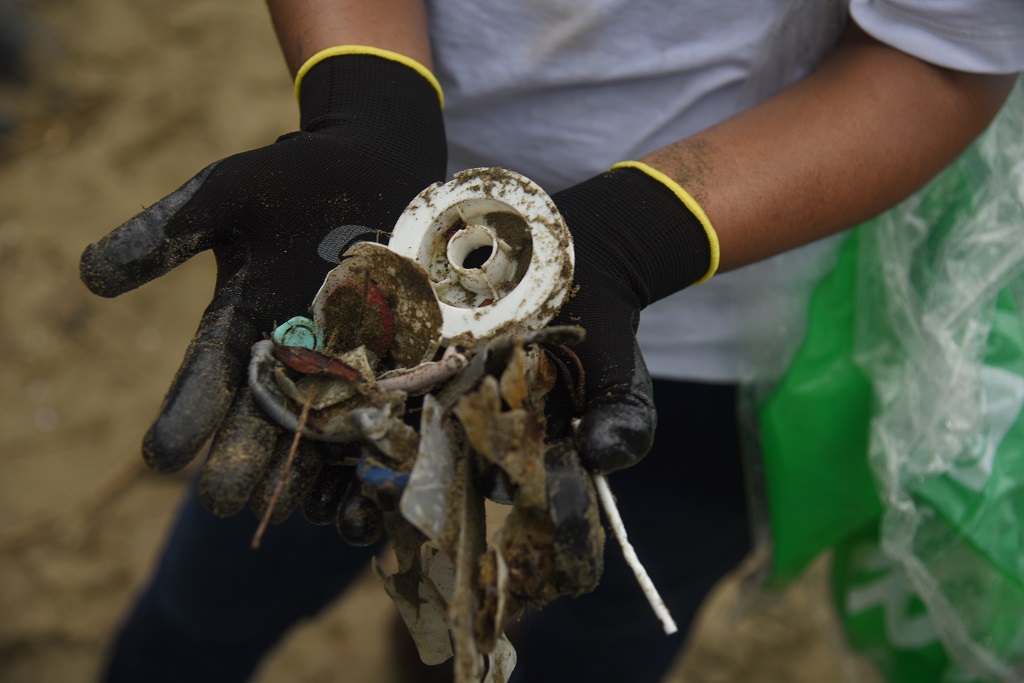
In the words of United Nations Environment Programme Executive Director, Inger Anderson:
“We will not recycle our way out of the plastic pollution crisis: we need a systemic transformation to achieve the transition to a circular economy.”
This means addressing the full lifecycle of plastics — from extraction, petrochemical processing, manufacturing, and producer responsibility to disposal, recycling, leakage, and incineration. Looking forward, utilizing reuse and remanufacturing with more sustainable materials is also an important component. Under a circular economy that is more resource efficient and eliminates plastic pollution at a global scale, we can stop plastic pollution at its source so it never reaches our communities and waterways in the first place.
Communities around the world urgently need strong, global action to address the catastrophic harm this toxic pollution has on human health. When massive amounts of plastics pollute waterways, they break down into smaller pieces to form microplastics that amass into dangerous amounts and leach into marine ecosystems.
Through a process called bioaccumulation, microplastics build up in animal bodies over time and make their way up the food chain — and into our daily meals. In fact, a 2019 study estimates that people ingest the equivalent of one credit card in toxic microplastics every week.
These microplastics and even smaller nanoplastics can also pollute our drinking water. For example, a recent study found that a one-liter bottle of water contained an average of 240,000 tiny pieces of plastic, predominantly nanoplastics. Studies show that prolonged exposure is associated with an increased risk of certain cancers and reproductive concerns. When microplastics are ingested they can cause changes in gene and protein expression as well as in brain development, decreased growth, inflammation and disrupted feeding behavior.
As if this isn’t concerning enough, a new landmark study found that nearly 60% of people undergoing surgery had microplastics or nanoplastics present in a main artery. Compared to those who were plastic-free, individuals with micro- or nanoplastics in an artery were 4.5 times more likely to suffer a heart attack, stroke, or death in the approximate 34 months following surgery.
From the food we eat to the water we drink, it is clear that our families cannot wait for strong, enforceable action that addresses all aspects of the plastic lifecycle.
Plastic production also leaves a toxic legacy along its entire path, harming frontline communities that bear the brunt of pollution. Whether it be fracking fossil gas to use as feedstock for making plastics, releasing toxic emissions from so-called plastic recycling, or processing petrochemicals in massive plants, every stage of the plastic lifecycle jeopardizes public health and perpetuates legacies of environmental injustice and harm.
For instance, the health impacts of petrochemicals, including a high risk of cancer and lung disease, wreak havoc in communities that live within several miles of petrochemical plants — many of which are disproportionately located in communities of color and low-income communities.
Related Articles: What You Need to Know About the UN’s Draft Global Plastics Treaty | Plasticosis: A Synthetic Health Crisis Waiting in the Wings? | 4 Ways to Reduce Plastic Pollution | Scientists Create the World’s First Soap Made From Plastic | Plastic Recycling: Ditch it or Improve it? | Massive Pacific Ocean Garbage Patch: Can It Be Contained? | Plastic Waste Is Creating New Communities on the Ocean’s Surface | Turning Ocean Garbage Into Green Fuel | Scientists Find Microbes That Can Break Down Plastic in the Cold
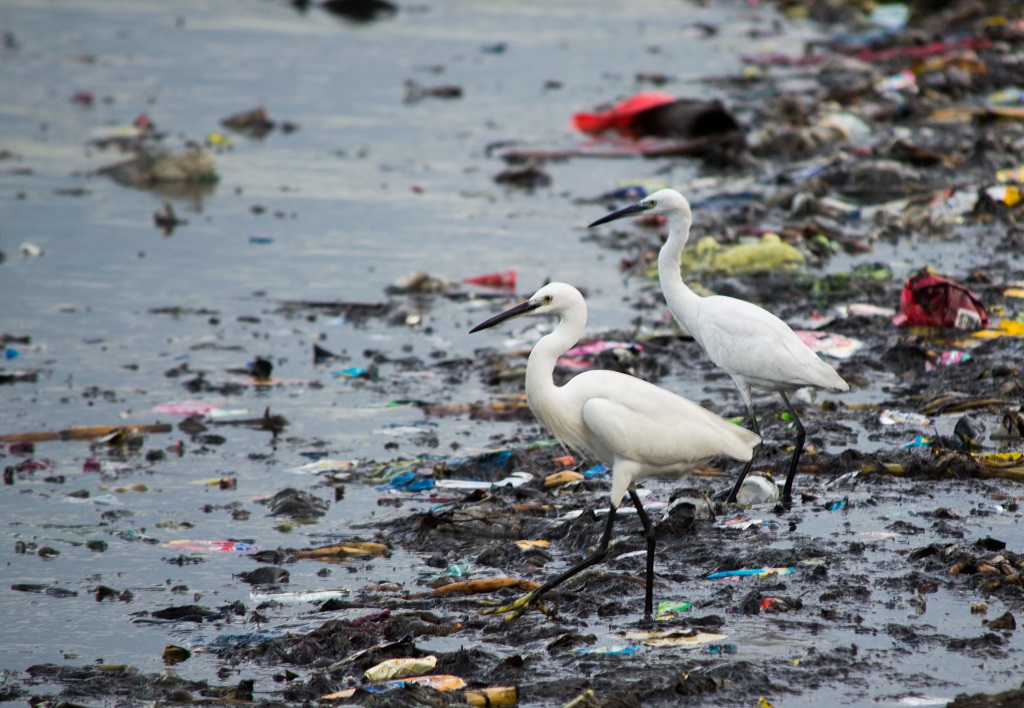
Dangerous marine litter and plastic pollution can also be found in every corner of the globe, and its impacts are particularly felt in communities and waterways in the Global South. Waterkeeper groups around the world who work to protect their local bodies of water, such as the Kenya Lake Victoria Waterkeeper team, have seen increasing amounts of plastic accumulating along roadsides, in fishing waters, and in local freshwater bodies.
Similarly, Charleston Waterkeeper in South Carolina, who gathers data to better understand the ubiquitous presence of microplastics in local watersheds, has found microplastics in every water sample collected. It’s no wonder, given that a disastrous 2,000 garbage trucks’ worth of plastic pollution is dumped into oceans, rivers, and lakes every day, with 19-23 million tonnes of plastic waste leaking into aquatic ecosystems each year. Without strong, meaningful change, the toxic plastic pollution clogging global waterways will continue to worsen.
However, global action must account for the different facets of the plastic pollution crisis. This includes meaningful engagement with local actors and contexts when applying solutions that break away from a hegemonic throwaway culture and effectively shift to a circular economy. For example, countries like Nigeria are littered with tens of millions of water sachets.
However, many low- and middle-income communities rely on water sachets due to the intermittent scarcity of public water supply. Thus, we must ensure that the communities that rely on these products have other reliable means to access basic, affordable water services. Solutions to reduce plastic waste must also be coupled with community-led partnerships and localized solutions to increase access to clean, portable water and address the root causes of the problem, rather than its symptoms.
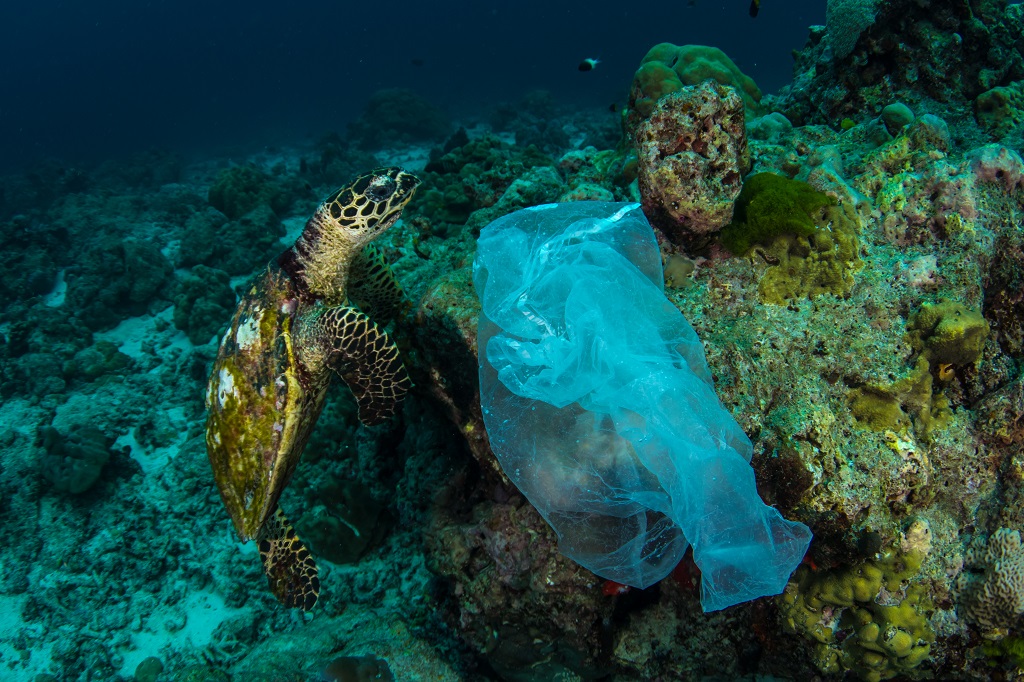
The devastation of plastic pollution harms not only human health but that of marine ecosystems — and the wildlife that depend on them. With plastics making up at least 85% of marine debris, microplastics pollute wildlife habitat and accumulate everywhere from the Great Pacific Garbage Patch to great depths of 36,000 feet inside the Mariana Trench.
Marine animals and organisms face a plethora of dangers from plastic pollution ranging from entanglement, starvation, and drowning to physiological stress, toxicological harm, and death. These blows to marine life not only endanger entire ecosystems but pose a serious threat to coastal economies. Plastic leakage into the oceans alone leads to $100 billion in financial risk each year. Our international community, and the future of our ecosystems, simply cannot afford to bear the burden caused by corporate polluters.
With so much at stake, we must not risk pushing our waterways and marine ecosystems any closer to the brink of destruction. As the impacts of fossil-fuel-driven climate change intensify, the enormous climate impacts and greenhouse gas emissions associated with plastics production are under increasing scrutiny.
Plastic pollution props up and expands the use of dirty fossil fuels at a time when governments should be drastically curtailing their extraction, production, and use. As the world transitions to renewable energy, a proliferation of plastics is offered as a Plan B for fossil fuels and threatens to undo our hard-earned progress at a pivotal moment. The last thing we need is increased fossil fuel production to introduce further risks of pollution from fracking wells, pipeline leaks, oil spills, and drilling disasters for which vulnerable communities and ecosystems must pay the price.
As world leaders gather at the INC-4 conference, they must prioritize the needs of communities over corporate polluters by finalizing a strong, enforceable Global Plastics Treaty. Doing so will protect waterways and communities, particularly the Global South, from the dangers of unnecessary and harmful plastic pollution as we transition away from dirty fuels towards a more just and plastic-free future.
Editor’s Note: The opinions expressed here by the authors are their own, not those of Impakter.com — Cover Photo Credit: Shutterstock.