Impakter
  • Environment
    • Biodiversity
    • Climate Change
    • Circular Economy
    • Energy
  • FINANCE
    • ESG News
    • Sustainable Finance
    • Business
  • TECH
    • Start-up
    • AI & Machine Learning
    • Green Tech
  • Industry News
    • Entertainment
    • Food and Agriculture
    • Health
    • Politics & Foreign Affairs
    • Philanthropy
    • Science
    • Sport
  • Editorial Series
    • SDGs Series
    • Shape Your Future
    • Sustainable Cities
      • Copenhagen
      • San Francisco
      • Seattle
      • Sydney
  • About us
    • Company
    • Team
    • Global Leaders
    • Partners
    • Write for Impakter
    • Contact Us
    • Privacy Policy
No Result
View All Result
Impakter logo
No Result
View All Result
One of Earth’s Driest Places Sees 75% of Annual Rainfall in Just 3 Hours

One of Earth’s Driest Places Sees 75% of Annual Rainfall in Just 3 Hours

In what meteorologists describe as a once in every 1,000 years event, the Death Valley in the American West experienced more rain in one day this month than it has ever recorded for the entire month of August

Andrej Pavicevic - Managing EditorbyAndrej Pavicevic - Managing Editor
August 12, 2022
in Climate Change, Society
0

The Death Valley National Park near the border between California and Nevada experienced unprecedented rainfall this month and two major floods last week. The area, typically dry and known as the driest place in the United States, remains the record-holder for the highest temperature ever observed on Earth (49°C in 1913).

“Climate change in action”

The first flood, on August 1, also hit the neighboring state of Arizona, forcing local authorities to close roads that were overwhelmed with mud and debris as well as to evacuate parts of the Joshua Tree National Park nearby. 

The second, significantly worse, took place on August 5 and was preceded by “nearly an entire year’s worth of rain in one morning,” according to the NASA Earth observatory. In just three hours, the area saw 75% of the rainfall it normally gets in an entire year.

While this fell just one inch short of breaking the daily rainfall record in the park, the amount of rain that fell that single day, NASA’s observatory points out, broke the record for the most rainfall ever recorded in the park for the entire month of August. 

Since we began keeping track in 1911, only one day saw more rainfall in the Death Valley than August 5. That record, however, was set in the month of April (in 1988) and was now almost broken in August, the month of the year that normally sees the least rainfall.

Historic rainfall in Death Valley today. Since records started in 1911, this is the second wettest day on record. The wettest day was only slightly higher with 1.47" falling in April 1988. #DeathValley #DeathValleyFlooding pic.twitter.com/MBcC558zk7

— Sam Argier (@SamArgier) August 6, 2022

According to Las Vegas National Weather Service meteorologist Daniel Berc, the flood on Friday was a historic event that would happen once in every 1,000 years. 

Climate journalist Colin McCarthy writes that this is the fourth such, once-in-1,000-year rainfall event across the US in less than two weeks.

Death Valley, the hottest and driest place in the US just saw the 4th 1-in-1,000 year rain event in less than 2 weeks in the US.

3/4 of Death Valley’s annual rainfall fell in 3 hours. pic.twitter.com/0DK6HNNZTq

— Colin McCarthy (@US_Stormwatch) August 9, 2022

August 5 flooding

As the rain poured over the park at unprecedented levels for this time of the year, the flooding swamped the roads with debris, damaging buildings, vehicles and facilities.

“Flood waters pushed dumpster containers into parked cars, which caused cars to collide into one another,” park authorities wrote in a statement, adding that many facilities were flooded, including hotel rooms and business offices.


Related Articles: Deadly Floods in India and Bangladesh Affect Millions | Yellowstone Damaged by Historic Flood

The flood also damaged and shut down a key water system, burying about 60 cars in debris and leaving around 500 visitors and another 500 park employees stranded; so far, no injuries have been reported.

Photographer John Sirlin, a regular park visitor who lives in Arizona and who has been following storms in the US since the 1990s, documented some of the flooding in the Death Valley on Friday morning: 

Highway 190 and Badwater Rd junction. Whole palm trees from the hotel were washing over the road. pic.twitter.com/44I5nf9dGy

— John Sirlin (@SirlinJohn) August 5, 2022

Sirlin describes the flooding as more extreme than anything he’s seen there, stressing that it took him almost six hours to cross 56 kilometers to get out of the park. 

“I’ve never seen it to the point where entire trees and boulders were washing down. The noise from some of the rocks coming down the mountain was just incredible,” the photographer said on Friday. 

NASA also documented the flooding, capturing the floodwater as it colored in blue areas that are otherwise brown:
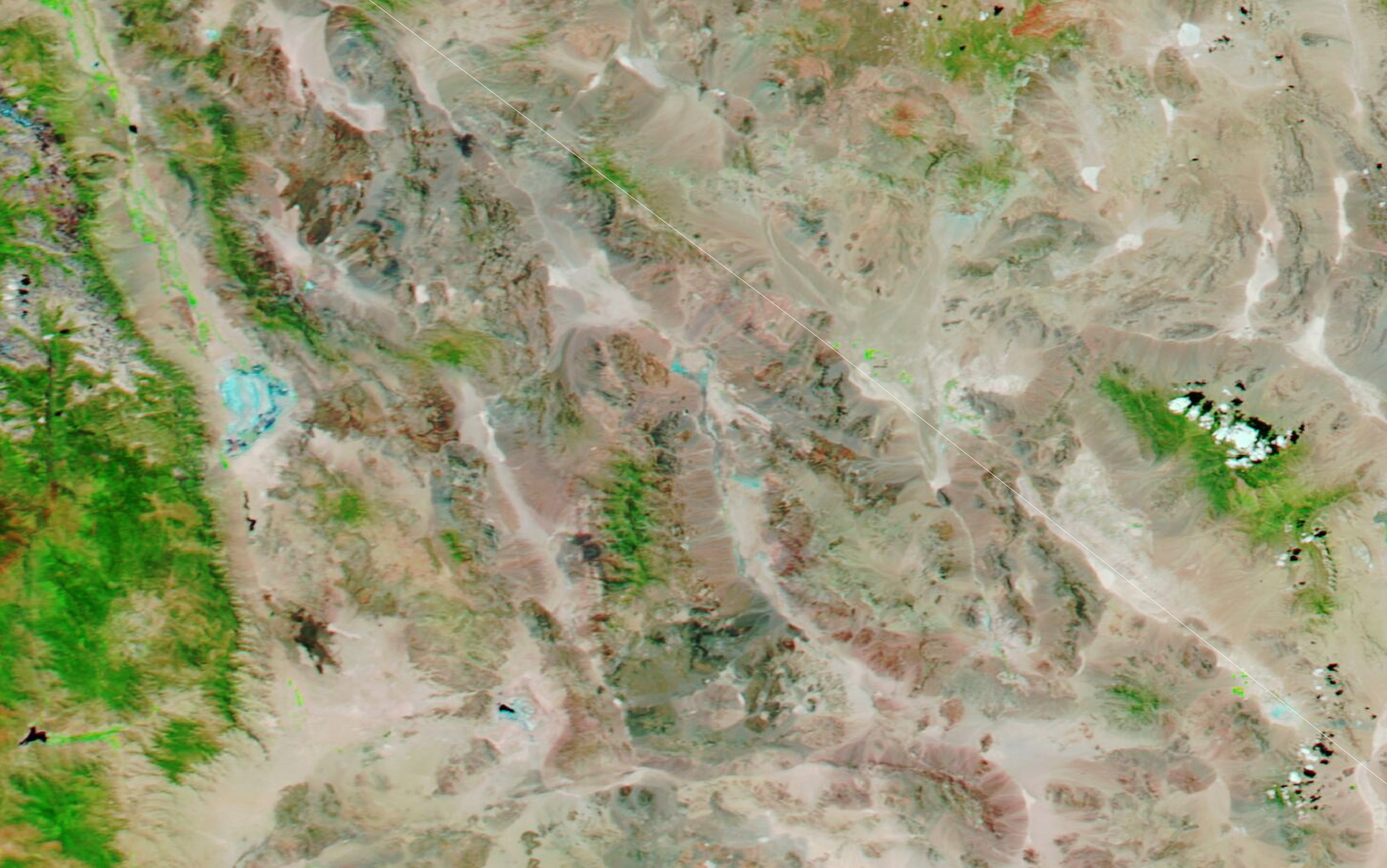
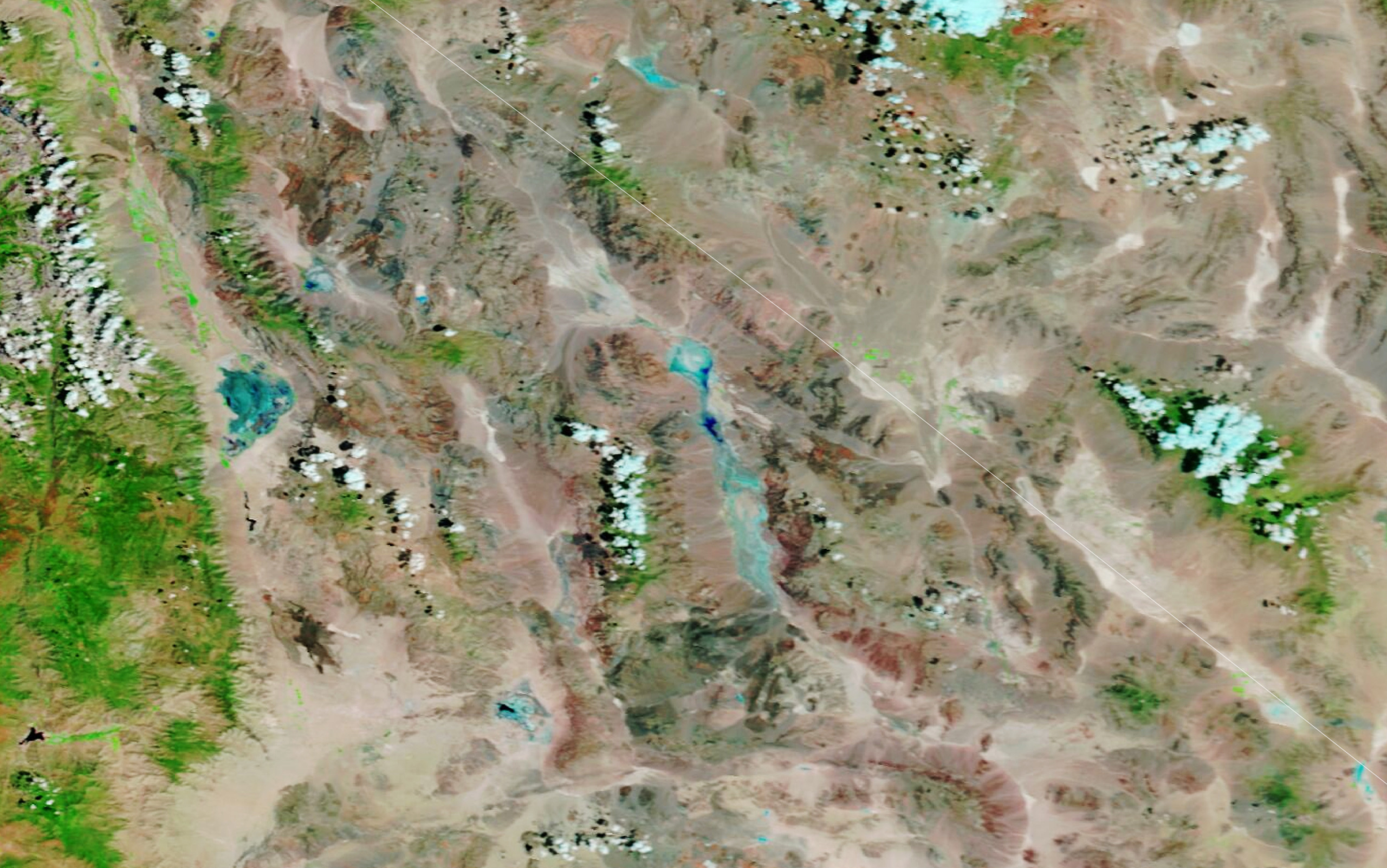
Death Valley on July 11, 2022. gust 7, 2022. Photo by: NASA Earth Observatory.
Death Valley on August 7, 2022. Photo by: NASA Earth Observatory.

As the Death Valley National Park superintendent Mike Reynolds highlighted, “[t]his week’s 1,000-year flood is another example of this extreme environment. With climate change models predicting more frequent and more intense storms, this is a place where you can see climate change in action.”

Indeed, the American West, which until recently has largely been spared from the most devastating consequences of climate change, is increasingly becoming a climate crisis hotspot. The Colorado River Basin, for instance, is losing water at record speeds and is now threatened with extinction.

While the floodwater in the Death Valley has retreated since Friday, extreme weather events like droughts and floods are on course to get worse, globally and across America. The more time passes and the more extreme the crisis becomes, the more scientific evidence there is proving that human activities on Earth are both causing and exacerbating the crisis, making extreme weather events more intense, more likely, and more frequent. 

As with most crises we have created so far, we know what is causing them as well as what we need to do to end them. In the case of this particular crisis, the only way to truly reverse the trend is to stop heating the planet as much as we — which, fortunately for us all, is not yet impossible. 


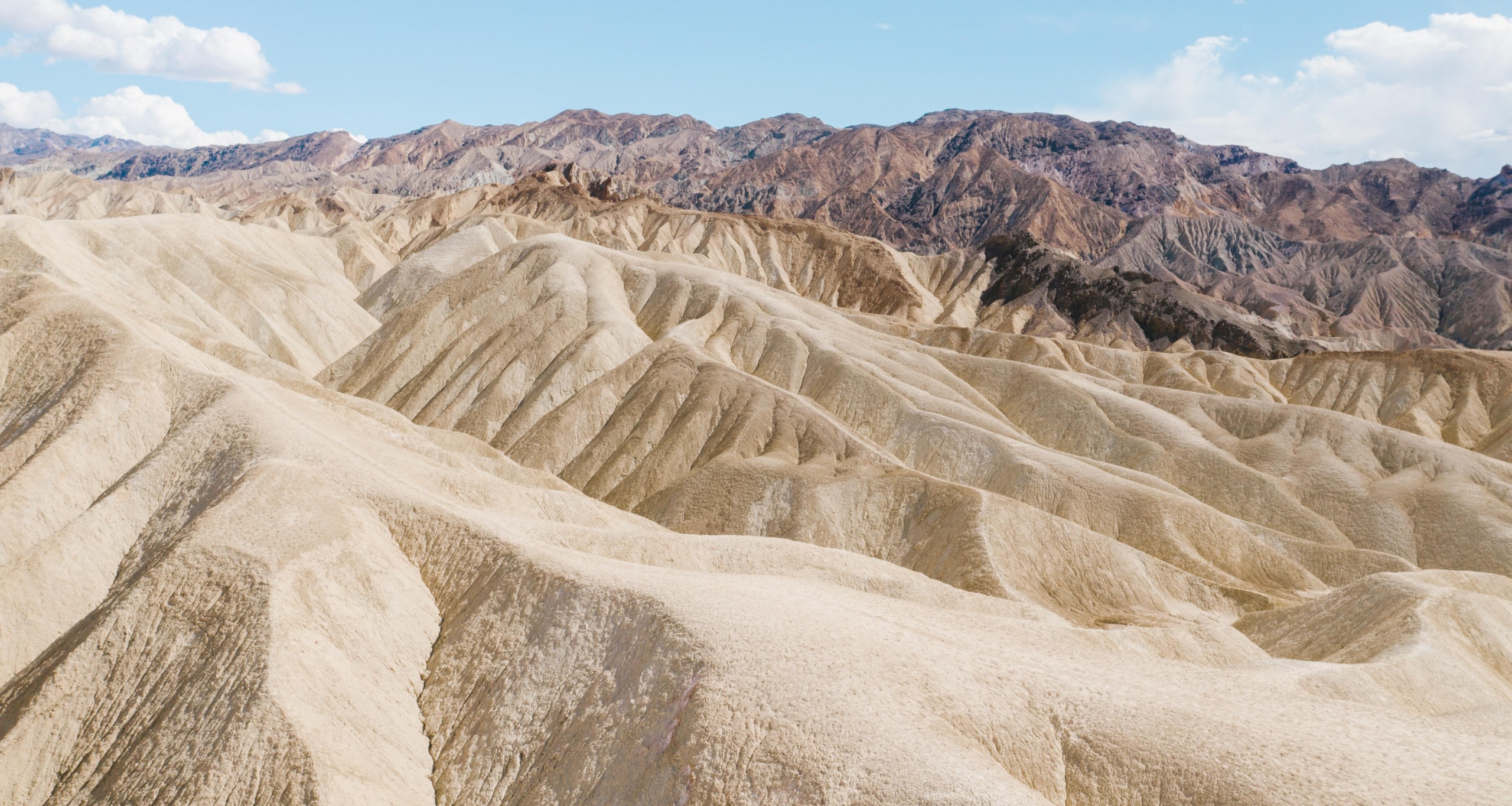
Editor’s Note: The opinions expressed here by the authors are their own, not those of Impakter.com — In the Featured Photo: Death Valley National Park. Featured Photo Credit: RODNAE Productions.
Tags: Climate ChangeDeath ValleyfloodsrainfallRecord Rainfall
Previous Post

Are Vegan Meats Really That Good?

Next Post

SiTration Raises $2.3M To Further Develop Its Battery Recycling Technology

Related Posts

Impakter’s Most-Read Stories of 2025
Society

Impakter’s Most-Read Stories of 2025

In 2025, as in previous years, Impakter readers turned in large numbers to stories examining climate change and pollution, environmental...

byImpakter Editorial Board
December 31, 2025
Year in Review: Trump 2.0 and the Environment
Environment

Year in Review: Trump 2.0 and the Environment

So much has happened this year. It seems that every day there is a new headline that is just as...

bySarah Perras
December 30, 2025
Is It Time to Recognize Climate Refugees?
Climate Change

Is It Time to Recognize Climate Refugees?

Climate displacement has become a defining feature of our present. Climate shocks now shape human (im)mobility, humanitarian crises, and political...

byDr. Shepherd Mutsvara - Research Fellow at the University of Münster, Germany
December 30, 2025
coal mine
Business

Can the War on Coal Still Be Won?

Ten years ago, I embedded in the war on coal. I spent a month inside the Sierra Club’s Beyond Coal campaign, watching an organization...

byCanary Media
December 25, 2025
What’s Next for Sustainable Development in 2026
Climate Change

What’s Next for Sustainable Development in 2026

As governments confront rising misinformation, constrained budgets, and intensifying climate risks, the need for evidence-based policy has never been greater....

byInternational Institute for Sustainable Development (IISD)
December 23, 2025
women and extreme heat
Climate Change

Women and Extreme Heat: Simple Adaptations Make a Big Difference

One of the more damaging impacts of climate change is extreme heat. From Spain to Bolivia to Burkina Faso, unusual...

byKate Schecter - CEO of World Neighbors
December 23, 2025
Canada Sets Green Investment Rules; UK Regulator Probes WH Smith; Louvre Workers Call Off Strike;Trump Allies Clash With Fannie, Freddie Staff.
Business

A New Rulebook for Green Capital: Canada

Today’s ESG Updates Canada Sets Green Investment Rules: Canada will introduce a sustainable investment taxonomy by 2026 to label green...

byEge Can Alparslan
December 19, 2025
How a Framework Convention Could Address Climate and Socio-Economic Displacement
Editors' Picks

How a Framework Convention Could Address Climate and Socio-Economic Displacement

The unprecedented shift in human (im)mobility has seen over 120 million forced to flee their homes due to war, violence,...

byDr. Shepherd Mutsvara - Research Fellow at the University of Münster, Germany
December 18, 2025
Next Post
SiTration Raises $2.3M To Further Develop Its Battery Recycling Technology

SiTration Raises $2.3M To Further Develop Its Battery Recycling Technology

Recent News

President Donald Trump delivers remarks at a press conference at Mar-a-Lago in Palm Beach, Florida, following Operation Absolute Resolve in Venezuela

Regime Change in Venezuela and the Crisis of Global Order

January 12, 2026
ESG News regarding U.S. lifting more sanctions on Venezuela, Egypt securing $1.8 billion renewable energy deals, U.S. pushing G7 allies to reduce reliance on China for critical minerals, richest 1% exceeding annual carbon share in just 10 days.

U.S. Considers Lifting More Venezuela Sanctions

January 12, 2026
Full-Cycle Engineer at work

Why Full-Cycle Engineering Is Becoming Critical for Sustainable Innovation

January 11, 2026
  • ESG News
  • Sustainable Finance
  • Business

© 2025 Impakter.com owned by Klimado GmbH

No Result
View All Result
  • Environment
    • Biodiversity
    • Climate Change
    • Circular Economy
    • Energy
  • FINANCE
    • ESG News
    • Sustainable Finance
    • Business
  • TECH
    • Start-up
    • AI & Machine Learning
    • Green Tech
  • Industry News
    • Entertainment
    • Food and Agriculture
    • Health
    • Politics & Foreign Affairs
    • Philanthropy
    • Science
    • Sport
  • Editorial Series
    • SDGs Series
    • Shape Your Future
    • Sustainable Cities
      • Copenhagen
      • San Francisco
      • Seattle
      • Sydney
  • About us
    • Company
    • Team
    • Global Leaders
    • Partners
    • Write for Impakter
    • Contact Us
    • Privacy Policy

© 2025 Impakter.com owned by Klimado GmbH