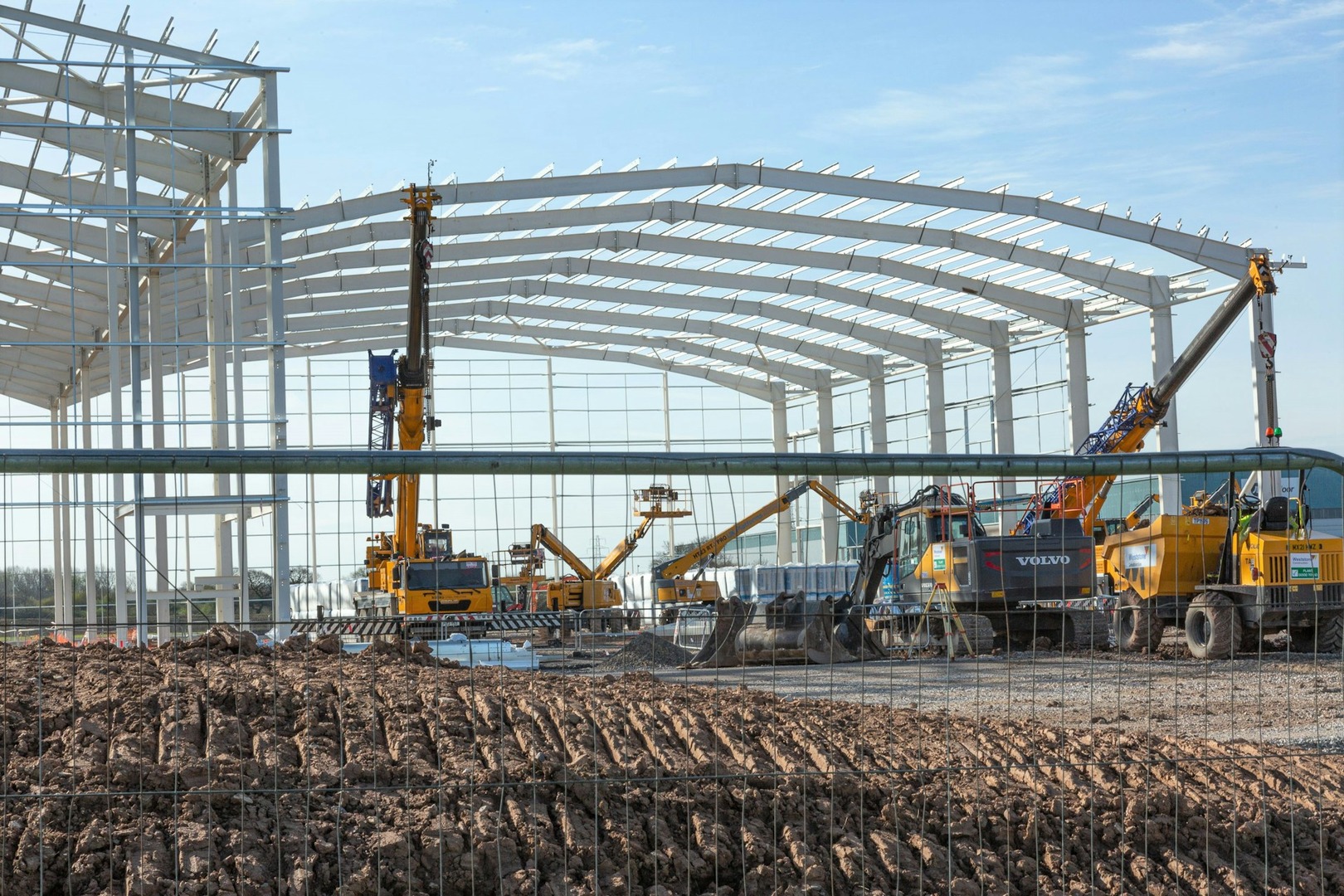
Today’s ESG Updates
- UK Steel Tariffs Risk Harming Manufacturers: Stricter import limits and tariffs up to 50% could raise costs and expose long-standing issues like high energy prices and limited domestic supply.
- JPMorgan Locks in Carbon Removal Supply: The bank secures 85,000 tons of forestry-based credits, prioritizing early market access despite concerns over permanence and verification.
- Lufthansa Pilots Strike Again: A fourth strike this year forces hundreds of flight cancellations, highlighting structural labor shortages and ongoing capacity constraints.
- Rolls-Royce Secures SMR Funding: Nearly £600M in government backing aims to scale small nuclear reactors, though cost advantages depend on future mass deployment.
UK steel tariffs can seriously damage manufacturers
In an attempt to strengthen protection for the steel industry, the UK is planning to impose stricter tariffs on imports to support domestic producers. The proposed changes include cutting import quotas by about 60% while applying tariffs of up to 50% on any additional amounts. The goal of the proposed protectionist policy is clear: to restore the UK’s domestic steel capacity and increase it to cover about half of domestic market demand.
Many industries currently face a shortage of specific grades of imported steel that are not supplied domestically or are available only in limited domestic supply. This will likely result in lower margins for manufacturers, which in turn can lead to the relocation of large plants from the UK entirely. This policy can make the domestic market less attractive than foreign markets in the long run, due to higher costs.
The key question now is whether the government introduces exemptions or softens the policy once downstream impacts become visible. Without adjustment, the likely outcome is a reshuffling of supply chains rather than a revival of domestic steel—protecting producers while eroding the competitiveness of the industries built on top of them.
***
Further reading: New UK steel tariffs threaten British manufacturing, industry warns
Klimado – Navigating climate complexity just got easier. Klimado offers a user-friendly platform for tracking local and global environmental shifts, making it an essential tool for climate-aware individuals and organizations.
JPMorgan acquires 85,000 tons of carbon removal credits
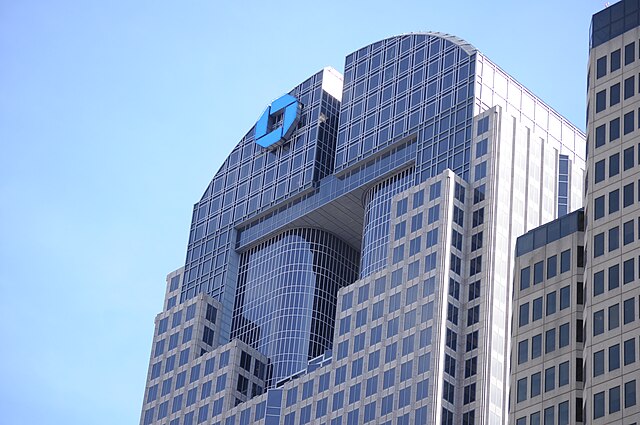
JPMorgan Chase has recently reached an agreement with the forestry platform Aurora Sustainable Lands to purchase up to 85,000 tons of carbon-removal credits. This is a sign that big companies are getting in early on the still-developing carbon removal market. The contract is structured as an off-take agreement to buy carbon removals at a later date, rather than paying the current spot market price.
Such a decision aligns with the bank’s overall climate and emissions policy. The credits come from forestry, a nature-based solution rather than engineering technology like direct air capture. Cheaper credits are easier to obtain, but they are far from permanent storage. Carbon is not permanently locked in forest soils, so fires, diseases, or other landscape changes may release it. Moreover, carbon removal is rather complicated to measure and verify.
***
Further reading: JPMorgan Signs 85,000 Ton Forest-Based Carbon Removal Deal
Related Articles
Here is a list of articles selected by our Editorial Board that have gained significant interest from the public:
Lufthansa pilots strike for the fourth time this year

Pilots at Lufthansa have launched a two-day strike—the fourth such action this year—forcing the cancellation of hundreds of flights and disrupting travel for tens of thousands of passengers. Firstly, the dispute is ongoing. Currently, the Lufthansa Group is dealing with high demand, low capacity, and a shortage of employees. Airlines are just running out of resources to fulfill passengers’ needs.
It seems a structural problem is the reason strikes are so dire for logistics. High training costs and labor shortages in the industry mean that there are no substitutes in the event of strikes. Thus, Lufthansa cannot stabilize the situation. Airlines face not only workforce shortages but also the need to cope with rising wages for existing workers. The possibility of increasing ticket prices is an obvious solution, but competition in the aviation industry is becoming fiercer. Hence, changing prices can be even more damaging.
***
Further reading: Lufthansa pilots strike for 2 days, flights severely hit

Rolls Royce starts the development of small reactors
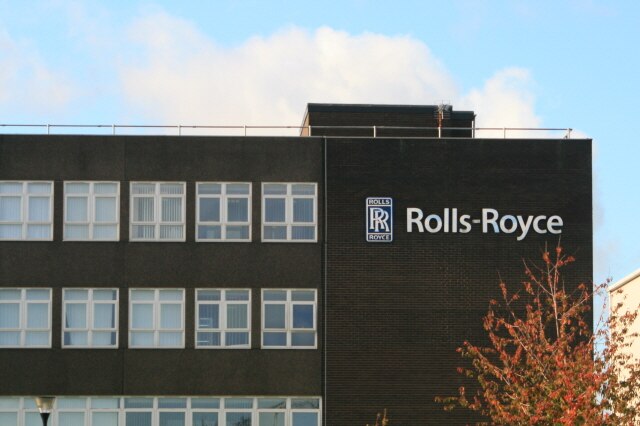
Rolls-Royce has secured nearly £600 million in funding from the UK government to advance its small modular reactor (SMR) program, marking a significant step in the country’s effort to expand nuclear energy capacity. The investment will accelerate the development of reactors that are smaller, modular, and theoretically faster and cheaper to deploy than traditional nuclear plants.
The UK is effectively using public funding to incubate a domestic nuclear technology industry, with Rolls-Royce at its center. The problem here is that there isn’t yet enough empirical evidence to prove that SMRs are economically better. It is true that they are predicted to save money because of their modularity and factory-based assembly, but this can only happen when they are made in sufficient quantities. The first models are sure to be quite costly.
***
Further reading: Rolls-Royce secures nearly £600m in UK government cash to develop small reactors
Editor’s Note: The opinions expressed here by the authors are their own, not those of impakter.com — In the Cover Photo: Steel frame for a building in UK; Cover Photo Credit: david Griffith