On April 21, 2021, the European Commission adopted the Sustainable Finance Package in an effort to channel funds towards sustainable endeavours in the EU. To aid companies, consumers and investors in transitioning to sustainable practice, the Corporate Sustainability Reporting Directive (CSRD) was proposed within the package.
Building from the Non-Financial Reporting Directive (NFRD) and strengthening the EU Taxonomy regulation, the CSRD will enforce a culture of transparency around the actual impact of business on the environment.
The new CSRD requirements are extended to some 50,000 listed small and medium enterprises (SMEs) requiring them to report on their impact on the environment. This also applies to non-EU companies with a turnover of above €150 million in the EU and they too will be asked to comply with the CSRD.
The CSRD entered into force in January of this year, with the first set of reporting standards open to a four-week public feedback period from 6th June 2023.
Following this period, the first set of 12 European Sustainability Reporting Standards (ESRS) were adopted on 31st July 2023, to be phased in over time for companies.
On 17th October 2023, the European Commission published its 2024 Commission Work Programme (the 2024 Programme), which lays out the plan of action for 2024. At the same time, a two-year postponement to the adoption of certain features of the CSRD was proposed.
Why the proposal to delay?
The delay affects the European Sustainability Reporting Standards (ESRS). These are sector-specific regulations, which set out specific information relating to the divisions within which companies operate.
The ESRS were adopted on the 31st July 2023, with the standards set to be in full force by June 2024, the European Commission proposed that the enforcement of the ESRS be pushed to June 2026. This postponement is a response to concerns from the private sector that disclosure requirements required by the ESRS were excessive.
According to the European Commission, the delay is necessary – it will allow more time for the deployment of resources relevant to the effective development of the ESRS, and give companies time to prepare.
The Commission’s proposal must now be reviewed by the European Parliament and Council, but neither are expected to deny the proposal. There is also an ongoing public consultation regarding the proposal, which will close on 19th December 2023.
This postponement came on the same day that the European Parliament rejected a motion to dilute the ESRS. Of 631 Members of European Parliament (MEPs), 359 voted against the motion, 261 in favour, and 11 abstained.
Related articles: Navigating the EU Corporate Sustainability Reporting Directive [2023], Can the New US and EU Climate Goals Save the World?
Senior Policy Manager at climate think tank E3G Tsvetelina Kuzmanova told Green Central Banking:
“Amid international backlash to corporate sustainability reporting and a growing anti-ESG movement [Environmental, Social and Governance investing], Europe held the fort for sustainable businesses today. Standardised, transparent, and comparable data will not just guide companies in their transition but inform investors and consumers.” (bolding added)
What will come of an extended timeline?
The European Commission ensures postponing is in the best interest of EU companies. Jozef Síkela, Minister for Industry and Trade of the Czech Republic, notes:
“The new rules will make more businesses accountable for their impact on society and will guide them towards an economy that benefits people and the environment. Data about the environmental and societal footprint would be publicly available to anyone interested in this footprint. At the same time, the new extended requirements are tailored to various company sizes and provide them with [a] sufficient transition period to get ready for the new requirements.”
Despite the delay, there remains a set of immovable deadlines regarding reporting: the delay won’t change the deadline for companies to start reporting on their sustainability measures. Companies will still have to submit their CSRD-aligned reports for the 2024 financial year on 1st January 2025.
So, reports on the 2024 financial year must be released in 2025, and reports on the 2026 financial year must be released in 2027 for large companies not currently subject to the NFRD.
Additionally, the European Council’s press release confirms that reporting on the 2026 financial year must take place in 2027 for listed SMEs, and reports on the 2028 financial year must be submitted in 2029 for non-EU companies with a net turnover of over 150 million.
The rejection of the motion to dilute is promising – it exemplifies the commitment of the European Commission to the CSRD, and its ESRS. Yet, some find the proposed delay of the sector-specific ESRS disappointing.
For investors and stakeholders, delay is unhelpful – this postpones disclosure of the transparent company climate data necessary for greener decision-making.
Extending the ESRS timeline may be unaccommodating for non-EU companies, too. Partner in Matheson’s ESG Advisory Group Susanne McMenamin reports:
“The delay narrows the window in which non-EU parent companies can prepare for their new reporting requirements and creates an element of uncertainty before their specific reporting obligations are published. For non-EU companies planning to report early across the entire group, this may be an unwelcome development.”
In other words, some fear that a delayed application of the ESRS alongside certain immovable reporting deadlines may put certain investors, stakeholders, and companies in a tricky position.
Clearly not everyone can be satisfied, but overall, the main point is that progress toward a more transparent and disciplined system of sustainability reporting is on its way and has received a considerable boost from the EU Commission, with effects that are expected to ripple well beyond the borders of Europe as major international corporations are also affected. This is yet another example of how EU regulations tend to impact the world, as Columbia University Law professor Anu Bradford so ably argued in her ground-breaking book The Brussels Effect, How the European Union Rules the World.
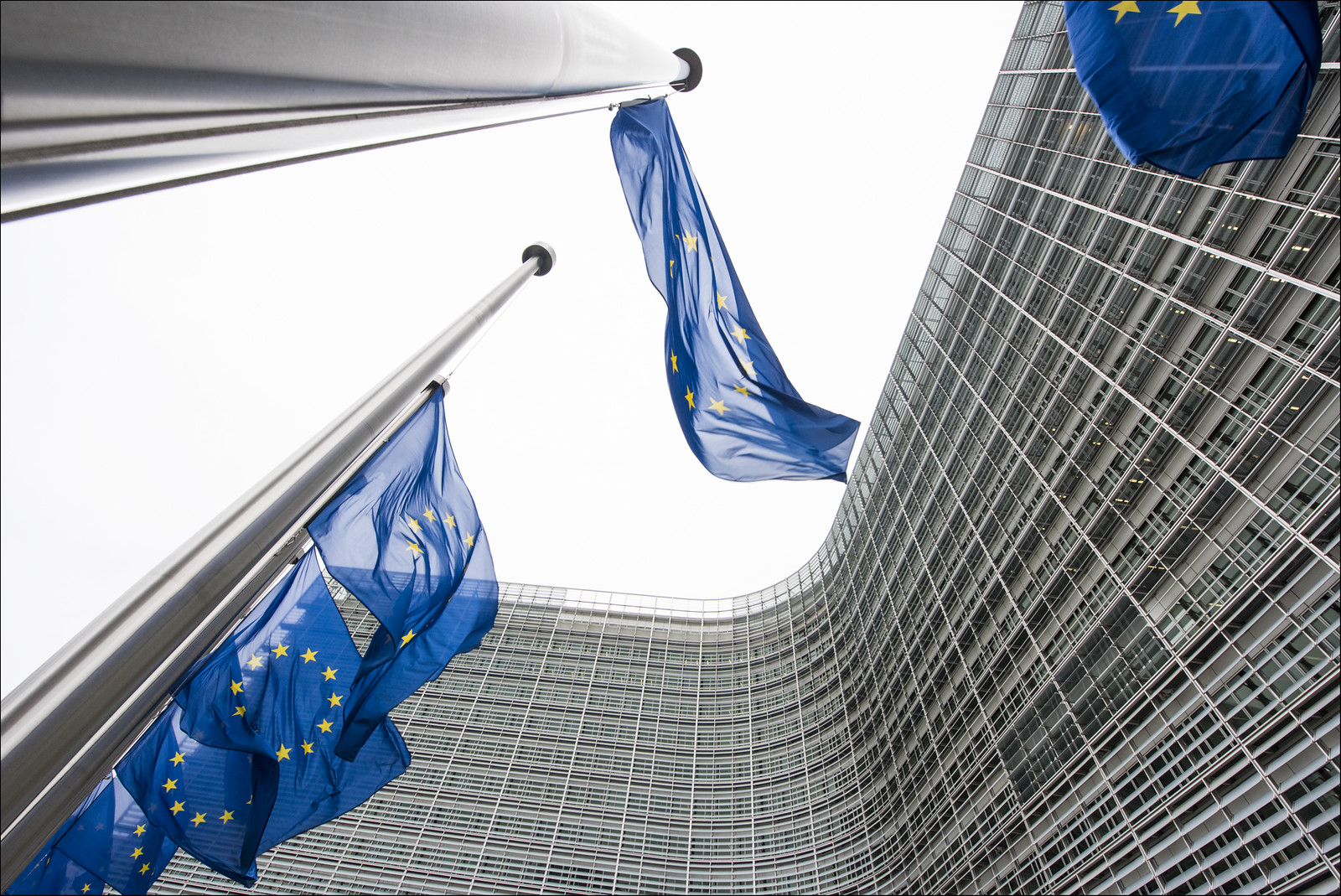
Editor’s Note: The opinions expressed here by the authors are their own, not those of Impakter.com — In the Featured Photo: European flags at half mast at the European Commission. Featured Photo Credit: European Parliament.