Impakter
  • Environment
    • Biodiversity
    • Climate Change
    • Circular Economy
    • Energy
  • FINANCE
    • ESG News
    • Sustainable Finance
    • Business
  • TECH
    • Start-up
    • AI & Machine Learning
    • Green Tech
  • Industry News
    • Entertainment
    • Food and Agriculture
    • Health
    • Politics & Foreign Affairs
    • Philanthropy
    • Science
    • Sport
  • Editorial Series
    • SDGs Series
    • Shape Your Future
    • Sustainable Cities
      • Copenhagen
      • San Francisco
      • Seattle
      • Sydney
  • About us
    • Our Story
    • Team
    • Partners
    • Write for Impakter
    • Contact Us
    • Privacy Policy
No Result
View All Result
  • Environment
    • Biodiversity
    • Climate Change
    • Circular Economy
    • Energy
  • FINANCE
    • ESG News
    • Sustainable Finance
    • Business
  • TECH
    • Start-up
    • AI & Machine Learning
    • Green Tech
  • Industry News
    • Entertainment
    • Food and Agriculture
    • Health
    • Politics & Foreign Affairs
    • Philanthropy
    • Science
    • Sport
  • Editorial Series
    • SDGs Series
    • Shape Your Future
    • Sustainable Cities
      • Copenhagen
      • San Francisco
      • Seattle
      • Sydney
  • About us
    • Our Story
    • Team
    • Partners
    • Write for Impakter
    • Contact Us
    • Privacy Policy
No Result
View All Result
Impakter
No Result
View All Result
covid pill

Merck to Share Covid Pill Formula With Poor Countries

The pharmaceutical company will license the drug to generic manufacturers — while vaccine manufacturers continue to refuse to do the same

byCharles Kershaw
October 28, 2021
in Health, Politics & Foreign Affairs, Science

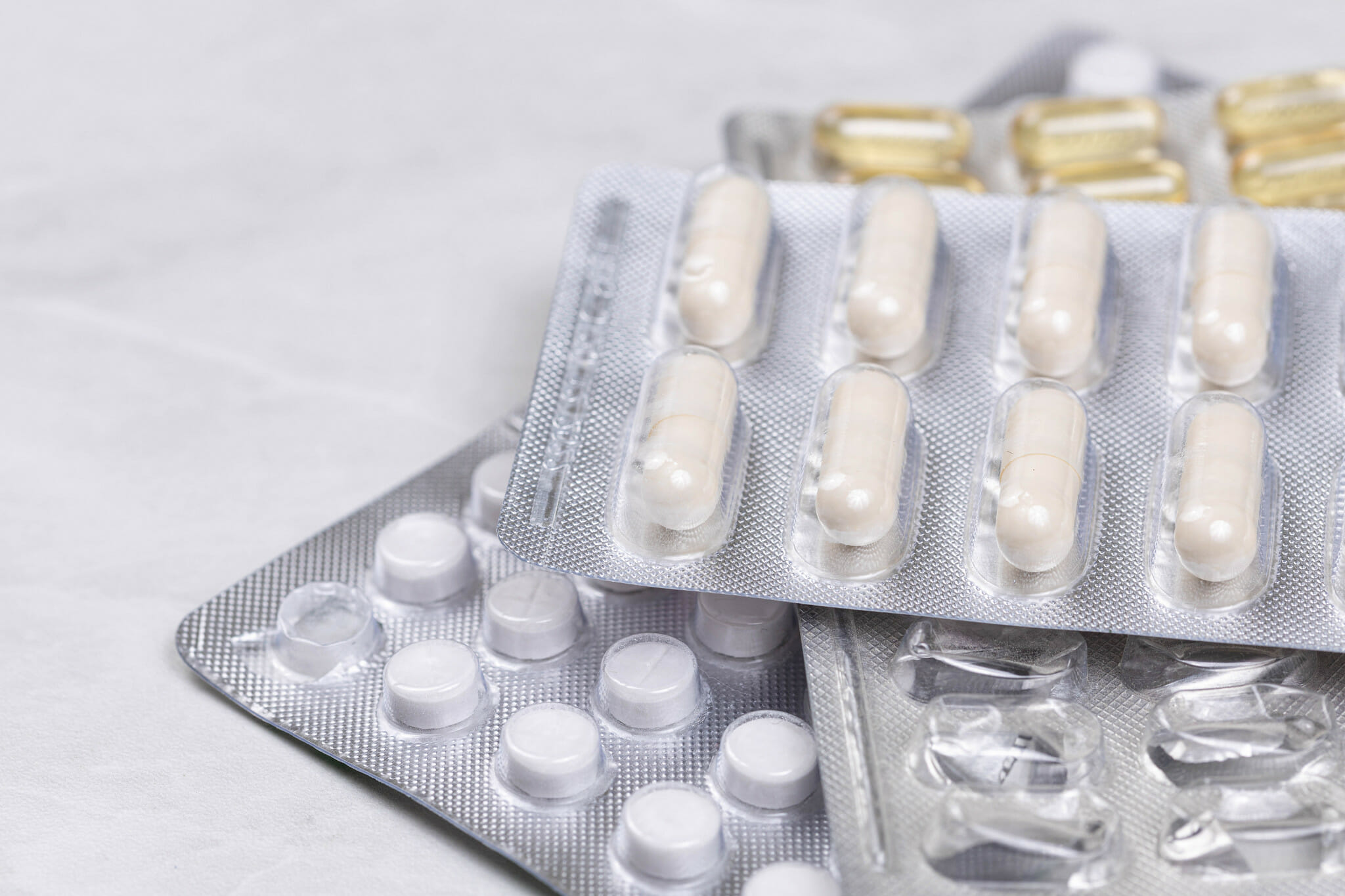
Merck, the American pharmaceutical company, has signed a royalty-free license waiver for their oral antiviral COVID drug molnupiravir. This will allow generic drug manufacturers the license to produce the pill. 

The company signed a licensing agreement with the United Nations-backed Medicines Patent Pool (MPP), which Merck says will allow the experimental drug to be used in 105 low- and-middle income countries. Manufacturers chosen by the MPP will be allowed to make the drug. 

https://twitter.com/Merck/status/1453301333818216466

As a result of this agreement, Merck will not receive sales royalties from the drug while COVID-19 is still classified as a public health emergency of international concern by the World Health Organization.

The drug, created in partnership with Ridgeback Biotherapeutics, halved the risk of serious and death from coronavirus in a clinical trial. Merck has submitted the trial data to the FDA, with hopes that the drug will be approved for emergency use by early December. 

In a joint statement, Merck and MPP stated: “This is the first transparent, public health-driven voluntary license for a COVID-19 medical technology.” 

A possible step forward in the fight against COVID — but with limitations

This licensing agreement will undoubtedly allow greater access to COVID treatment, especially for poorer countries that are struggling to gain access to vaccines, or areas where medical facilities are overwhelmed. A drug like this could be administered without the need to even see a doctor, as Charles Gore, director of the MPP, told the New York Times. The drug will also likely be very cheap. Gore claims that the drug might be sold profitably at only $8 per course.
pfizer vaccine
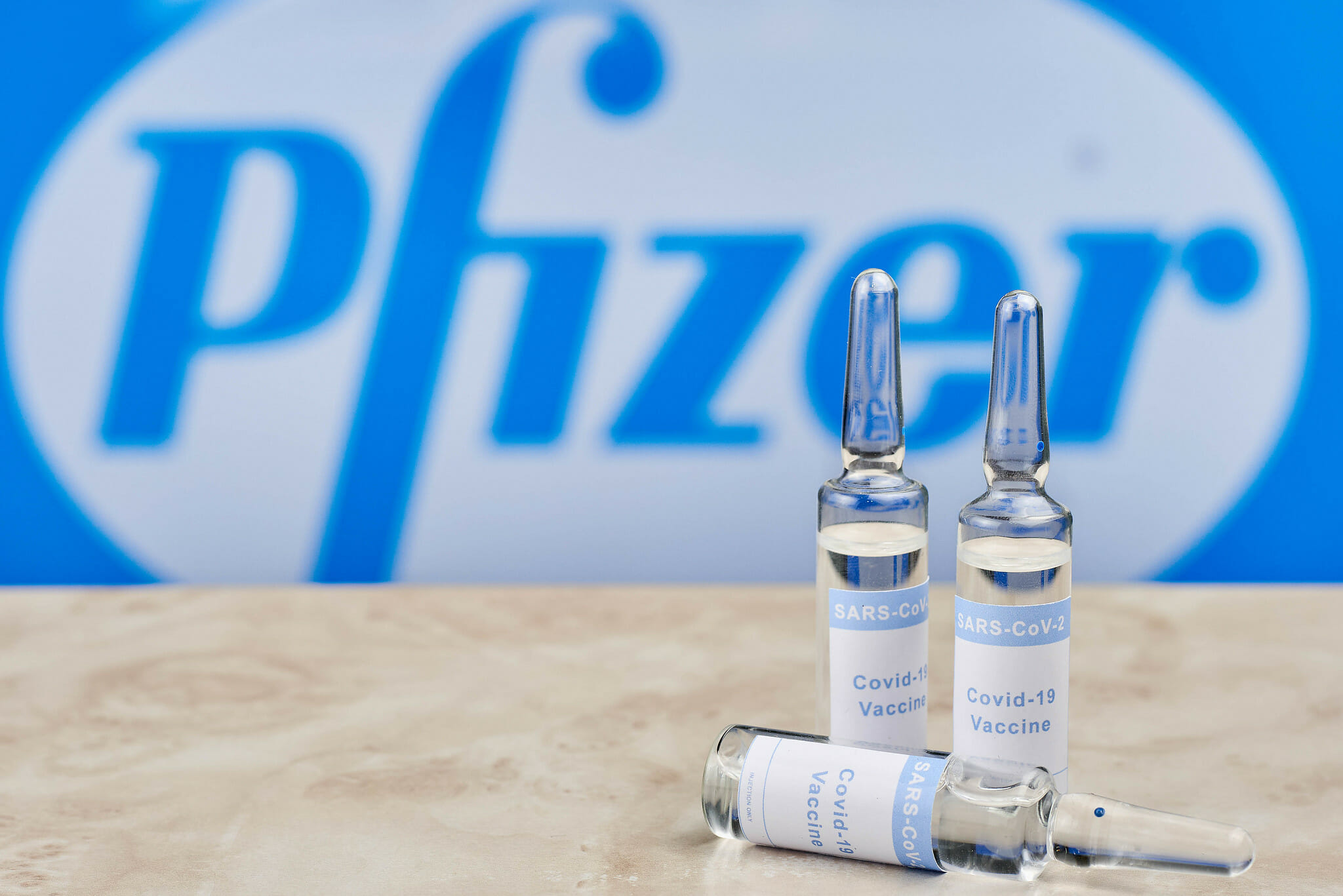
The Pfizer vaccine. The pharmaceutical company is currently developing its own COVID drug. Photo Credit: Marco Verch

Pfizer has its own antiviral COVID drug in late stage trials, and are reportedly in talks with the MPP. This suggests that more coronavirus drugs are set to follow Merck.   

However, there are concerns that Merck’s licensing agreement does not go far enough. The Medical Charity MSF, or Doctors Without Borders, has criticised the agreement. This is because the territory licensed by the agreement excludes countries such as Brazil and China, which have strong manufacturing capabilities.  


Related articles: Global Fight Against Covid: Vaccination Disparity on the Increase? | Africa’s Low Vaccine Rates Pose Worldwide Threat | COVID-19 Vaccines: Who Produces, Who Orders and Who Gets Them?

Time to waive vaccine patents?

While this might signal an influx of COVID drugs produced by generic manufacturers, it is surprising, if not a little concerning, that vaccine manufacturers, including Pfizer and Moderna, have been resistant to the waiving of intellectual property (IP) rights for vaccines. 

The World Health Organisation and 100 other countries have all called for a temporary waiving for IP rights for vaccines. This would allow for vaccines to be more easily manufactured all over this world, with countries not needing to have access to the rights, or pay royalties on the vaccines. Manufacturing, research and development of vaccines is currently concentrated in high- and- middle income countries.

This would be especially useful for the African continent, given that it is suffering from vastly lower vaccination rates compared to the rest of the world. In East Africa (Sudan, Somalia, Kenya, Ethiopia), the number of fully vaccinated people per country is currently between roughly one and three percent— a stark contrast to a country like the US, which is at 58 percent. Some rich nations, including Spain, are enjoying vaccination rates of upwards of 70 percent.
vaccine waiver
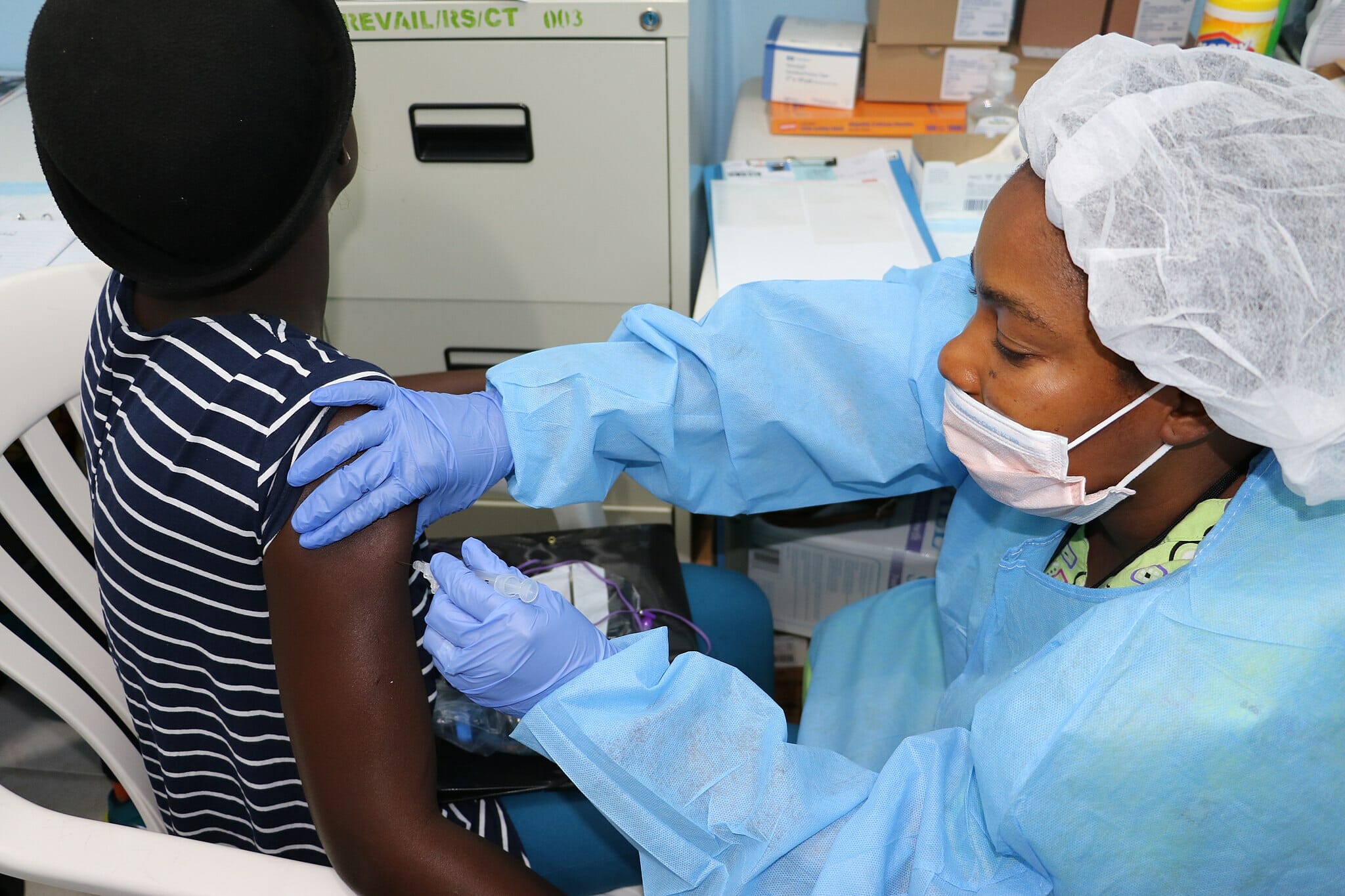
Ebola Vaccine Study in West Africa. Manufacturing, research and development of vaccines is currently concentrated in high- and- middle income countries. Photo Credit: NIAID via Wikimedia Commons

Most COVID vaccines also require storage at very low temperatures. This makes them much more difficult to transport and store in areas that do not have the necessary refrigeration. While this pill has been shown at least in clinical trials to fight the worst of coronavirus, it is not as preventative as vaccines: they still play a vital role in reducing cases, and their full effects last for months.

There are concerns that this global vaccination disparity could actually be extending the pandemic, and weakening global recovery. Without action, we could see developing countries continue to suffer from high cases and deaths as rich countries issue booster jabs, while at the same time fighting new variants, and struggling to economically recover.

The signing of this licensing agreement marks progress in the global fight against coronavirus, even if the patent could be extended further. At the end of the day, if we are to end the pandemic sooner rather than later, pharmaceutical companies need to make sure they always put saving lives before profit. IP waivers for covid vaccines would prove they are serious about that commitment.


Editor’s Note: The opinions expressed here by Impakter.com columnists are their own, not those of Impakter.com. — In the Featured Photo: Immunity Tablets and Pills against the Covid-19 virus. Featured Photo Credit: Marco Verch.

Share: Facebook X LinkedIn
Tags: Coronaviruscovid pillcovid treatmentCovid vaccinesglobal healthvaccine apartheid
Previous Post

EmpowerFULL, Helping Modern Slavery Victims Start A New Life

Next Post

‘Act Now,’ Says David Attenborough Ahead of Climate Summit

Related Posts

Ajay S. Banga
Politics & Foreign Affairs

Is Ajay Banga the Leader the World Bank Needs? No.

May 1, 2026
United Nations General Assembly Hall in the UN Headquarters
Politics & Foreign Affairs

Peace First: Why the Next UN Secretary-General Must Recenter the Organization on Its Founding Purpose

April 30, 2026
People fleeing the military offensive in Ukraine
Editors' Picks

The Small Country Paradox: New Migration Report Exposes the Fault Lines of EU Burden Sharing

April 29, 2026
Next Post
‘Act Now,’ Says David Attenborough Ahead of Climate Summit

‘Act Now,’ Says David Attenborough Ahead of Climate Summit

Related News

ESG news on Russia filling in Syria’s energy gap, India turning to biogas to fill LPG gap, Solaria Energia raising €300Million for “ready-to-made” data centre package, and INEOS Enterprises selling one of its chemical plants.

Russia to Fill Syria’s Energy Gap

May 1, 2026
Ajay S. Banga

Is Ajay Banga the Leader the World Bank Needs? No.

May 1, 2026

Impakter informs you through the ESG news site and empowers your business CSRD compliance and ESG compliance with its Klimado SaaS ESG assessment tool marketplace that can be found on: www.klimado.com

Registered Office Address

Klimado GmbH
Niddastrasse 63,

60329, Frankfurt am Main, Germany


IMPAKTER is a Klimado GmbH website

Impakter is a publication that is identified by the following International Standard Serial Number (ISSN) is the following 2515-9569 (Printed) and 2515-9577 (online – Website).


Office Hours - Monday to Friday

9.30am - 5.00pm CEST


Email

stories [at] impakter.com

By Audience

  • TECH
    • Start-up
    • AI & MACHINE LEARNING
    • Green Tech
  • ENVIRONMENT
    • Biodiversity
    • Energy
    • Circular Economy
    • Climate Change
  • INDUSTRY NEWS
    • Entertainment
    • Food and Agriculture
    • Health
    • Politics & Foreign Affairs
    • Philanthropy
    • Science
    • Sport
    • Editorial Series

ESG/Finance Daily

  • ESG News
  • Sustainable Finance
  • Business

About Us

  • Team
  • Partners
  • Write for Impakter
  • Contact Us
  • Privacy Policy

© 2026 IMPAKTER. All rights reserved.

No Result
View All Result
  • Environment
    • Biodiversity
    • Climate Change
    • Circular Economy
    • Energy
  • FINANCE
    • ESG News
    • Sustainable Finance
    • Business
  • TECH
    • Start-up
    • AI & Machine Learning
    • Green Tech
  • Industry News
    • Entertainment
    • Food and Agriculture
    • Health
    • Politics & Foreign Affairs
    • Philanthropy
    • Science
    • Sport
  • Editorial Series
    • SDGs Series
    • Shape Your Future
    • Sustainable Cities
      • Copenhagen
      • San Francisco
      • Seattle
      • Sydney
  • About us
    • Our Story
    • Team
    • Partners
    • Write for Impakter
    • Contact Us
    • Privacy Policy

© 2026 IMPAKTER. All rights reserved.