Impakter
  • Environment
    • Biodiversity
    • Climate Change
    • Circular Economy
    • Energy
  • FINANCE
    • ESG News
    • Sustainable Finance
    • Business
  • TECH
    • Start-up
    • AI & Machine Learning
    • Green Tech
  • Industry News
    • Entertainment
    • Food and Agriculture
    • Health
    • Politics & Foreign Affairs
    • Philanthropy
    • Science
    • Sport
  • Editorial Series
    • SDGs Series
    • Shape Your Future
    • Sustainable Cities
      • Copenhagen
      • San Francisco
      • Seattle
      • Sydney
  • About us
    • Company
    • Team
    • Global Leaders
    • Partners
    • Write for Impakter
    • Contact Us
    • Privacy Policy
No Result
View All Result
Impakter logo
No Result
View All Result
Measuring Progress Towards Sustainable Agriculture

Measuring Progress Towards Sustainable Agriculture

Dr. Amy Heyman, Jean-Marc FaurèsbyDr. Amy Heyman, Jean-Marc Faurès
February 18, 2019
in Global Leaders, SDG Series
0

Just about everyone agrees that sustainable agriculture is crucial for the future, especially given that the world’s population is expected to grow while the size of the planet will not.

While we have a broad consensus on what sustainable agriculture is, we still lack the way to measure it. That will soon change, thanks to the development of an SDG indicator that now operationalizes it.

There has been considerable discussion over the past 30 years on the definition and measurement of sustainable agriculture. There is no doubt that agriculture contributes to development – as an economic activity, as a source of livelihood and as a provider and user of environmental services. According to the 2030 Agenda for sustainable development, the performance of all sectors, including agriculture, need to be assessed against the three dimensions of sustainability: economic, social, and environmental.
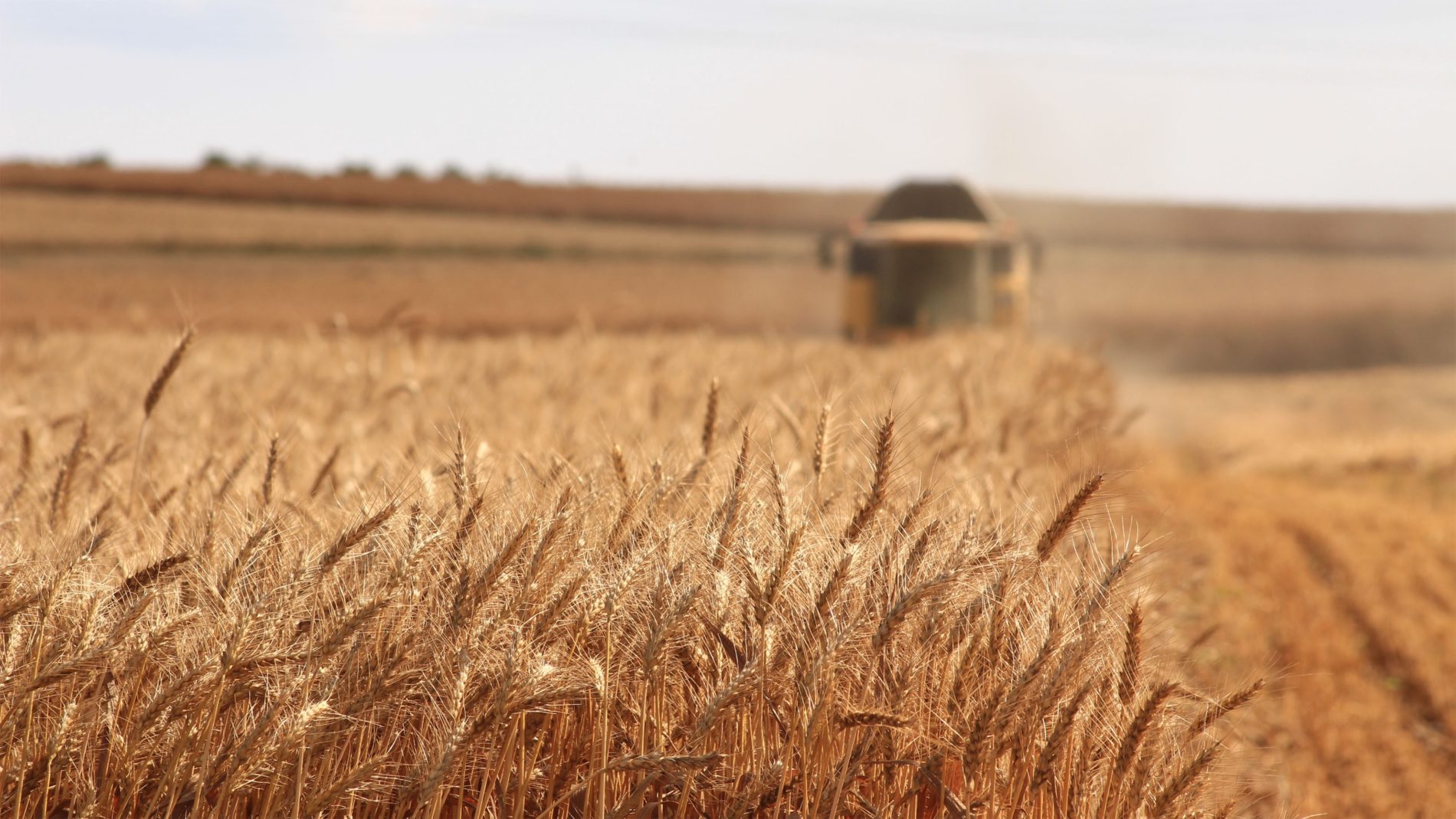
IN THE PHOTO: HARVEST OF WHEAT. PHOTO CREDIT: MERIC TUNA

Going back as far as 1988, sustainable agriculture has been defined as “the management and conservation of the natural resource base, and the orientation of technological and institutional change in such a manner as to ensure the attainment and continued satisfaction of human needs for present and future generations. Such development conserves land, water, plant and animal genetic resources, is environmentally non-degrading, technically appropriate, economically viable and socially acceptable.” Up until now, however, there has been no internationally agreed method to measure it.

The SDG process gave the opportunity to develop a commonly accepted measurement method. SDG Target 2.4 requires that by 2030, countries “ensure sustainable food production systems and implement resilient agricultural practices that increase productivity and production, that help maintain ecosystems, that strengthen capacity for adaptation to climate change, extreme weather, drought, flooding and other disasters and that progressively improve land and soil quality.”

During its recent meeting in early November 2018, the Inter-agency and Expert Group on SDG Indicators (IAEG-SDGs), the body that governs the SDG monitoring process, endorsed the methodology that the Food and Agriculture Organization has developed through an international and multistakeholder process to monitor progress towards Target 2.4.
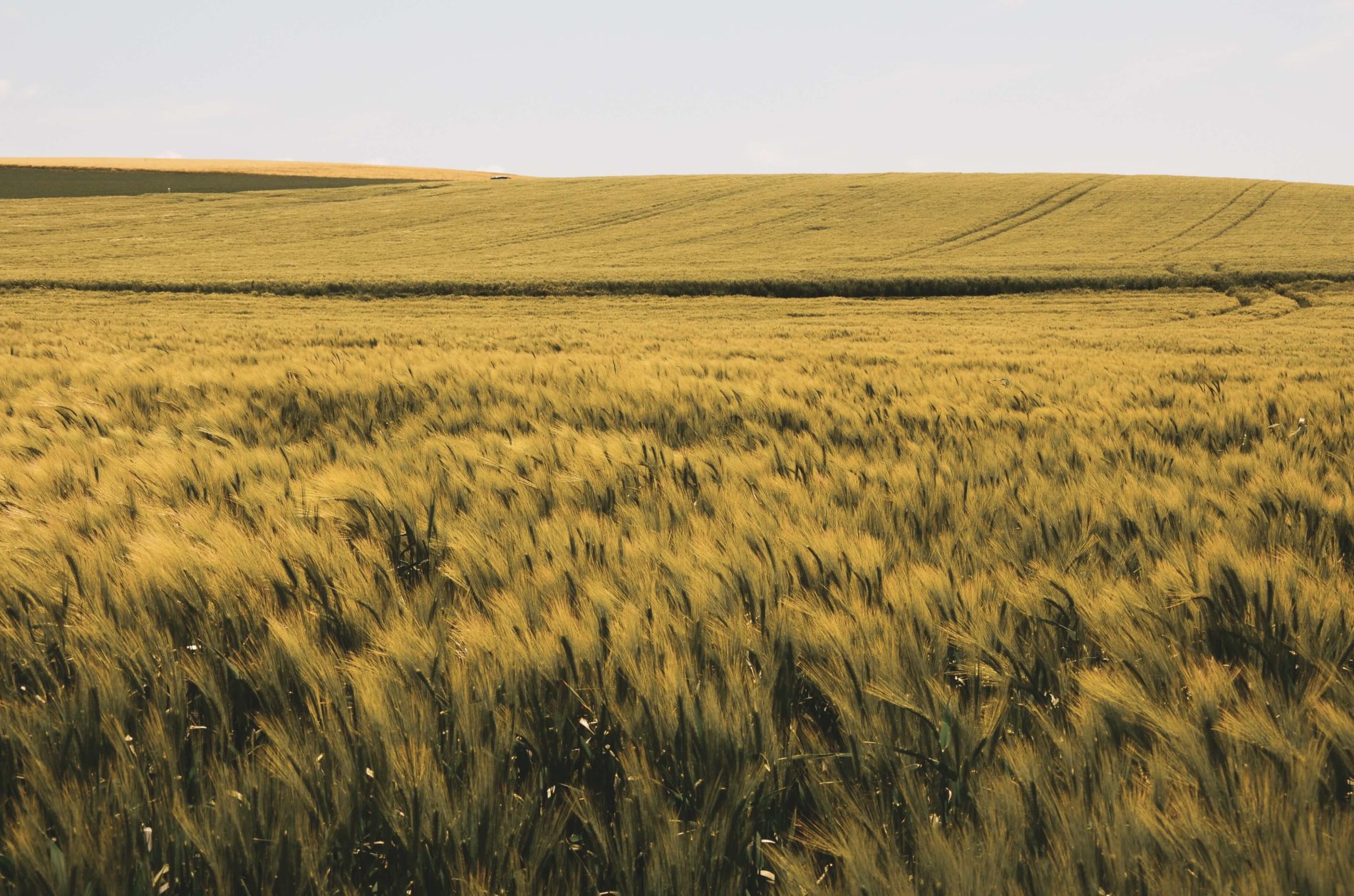
IN THE PHOTO: WIND-SPLASHED MEADOW. PHOTO CREDIT: ELISA KERSCHBAUMER

This is how the SDG indicator 2.4.1 came to life. It is defined as the “percentage of agricultural area under productive and sustainable agriculture.” FAO as the custodian U.N. agency has been working together with experts from NSOs, international organizations, civil society and the private sector to develop the methodology and build support for this important indicator. Many experts have contributed to the process. The goal was to make sure the indicator was owned by all key stakeholders, especially by the national statistics offices in countries who will be responsible for implementing programmes and reporting on progress towards the SDGs.

Representing the multidimensional nature of sustainable agriculture, the indicator is defined across the three dimensions of sustainability. It captures the main issues that are expressed in SDG target 2.4: resilience, productivity, ecosystem maintenance, adaptation to climate change and extreme events, and soils.

There are 11 themes and associated sub-indicators that form the basis of the indicator. They include land productivity (farm output value per hectare), profitability (net farm income), resilience risk (mitigation mechanisms), soil health (prevalence of soil degradation), water use (variation in water availability), fertilizer (pollution risk and management of fertilizers), pesticide risk (management of pesticides), biodiversity (use of biodiversity-supportive practices), decent employment (wage rate in agriculture), food security (food insecurity experience scale), and finally, land tenure (secure tenure rights to land) as a sub-indicator.

IN THE PHOTO: TRAFFIC LIGHTS. PHOTO CREDIT: HARSHAL DESAI

In order to capture the concept of continuous progress towards sustainability, a traffic light approach has been developed, in which three sustainability levels are considered for each sub-indicator against the percentage of agricultural area: green implies the level is desirable, red highlights a range of unsustainability, and yellow is an acceptable level in between on which progress can be made. The results are presented in a dashboard that allows for a quick understanding of the major sustainability issues that a country faces.

This indicator is scale-independent. It can be used to understand progress towards sustainable agriculture at national or regional level, at the level of a village or a community, or even at farm level, thus contributing to promoting the integrated approach to sustainable agriculture.

With 815 million people still hungry in the world and the additional pressure to feed a population of 9.7 billion by 2050, and the same amount of land in the world to support it, a transformative change towards sustainable agriculture is a must. With SDG indicator 2.4.1, there will now be a way to monitor the success in this direction.


EDITOR’S NOTE: THE OPINIONS EXPRESSED HERE BY IMPAKTER.COM COLUMNISTS ARE THEIR OWN, NOT THOSE OF IMPAKTER.COM. FEATURED IMAGE CREDIT: JEZ TIMMS
Tags: AgricultureClimate Changefood productionFood securitysdg2sustainable
Previous Post

Smart Vision Labs: Harnessing Telemedicine to Provide Affordable and Accessible Eye Care for All

Next Post

Financing Higher Education in Nigeria: Unleashing the Potential of Alumni Resources and Networks

Related Posts

ESG News regarding Microsoft signs long-term deal for 3.6 million tons of CO₂ removals from C2X’s Louisiana BECCS project., New York finalizes mandatory GHG reporting rules for major emitters beginning in 2027.
Business

Microsoft Signs 3.6 Million Ton CO₂ Removal Deal

Today’s ESG Updates Microsoft Signs 3.6M-ton CO₂ Removal Deal: Long-term CRUs secured from C2X’s Louisiana BECCS project. New York Mandates...

byAda Omar
December 16, 2025
How Climate Change Could Help Foster Peace in Yemen
Climate Change

How Climate Change Could Help Foster Peace in Yemen

Yemen's tragedy is traditionally depicted through the limited perspective of humanitarian need and political divisiveness, but there is a greater...

byTareq Hassan - Executive Director of the Sustainable Development Network Canada (SDNC)
December 15, 2025
ESG news regarding Deforestation Mandate Being Pushed; EUs Acceleration on Hydrogen and Net Zero Revolution; AT&T Will End All DEI; UK Watchdog Blocks Nike and Lacoste Ads Over Green Claims.
Business

U-Turn in Europe: Deforestation Mandate Pushed Back Again

Today’s ESG Updates EU Lawmakers Agree to Delay Deforestation Rules: The EU has delayed and simplified its Deforestation Regulation until...

byEge Can Alparslan
December 5, 2025
ESG News regarding Flooding in Indonesia; Glencore promises copper production boost; Trump proposes slashing fuel efficiency standards, and Vulcan Energy receives $2.57bn of funding for lithium project
Business

Indonesians Blame Deforestation for Recent Floodings

Today’s ESG Updates: More than 700 Lives Lost in Recent Indonesian Floods: A combination of mass deforestation and heavy rainfall...

byAriq Haidar
December 4, 2025
How a Framework Convention Could Address Climate and Socio-Economic Displacement
Editors' Picks

How a Framework Convention Could Address Climate and Socio-Economic Displacement

The unprecedented shift in human (im)mobility has seen over 120 million forced to flee their homes due to war, violence,...

byDr. Shepherd Mutsvara - Research Fellow at the University of Münster, Germany
December 3, 2025
Transboundary Animal Diseases Pose Urgent Threat to Global Food Security
Biodiversity

Transboundary Animal Diseases Pose Urgent Threat to Global Food Security

The Director-General of the Food and Agriculture Organization of the United Nations (FAO), QU Dongyu, urged Member Countries to reinforce...

byThe Food and Agriculture Organization of the United Nations (FAO)
December 1, 2025
fossil fuel subsidies
Business

How G20 Nations Can Make Progress After the Group Stalls on Fossil Fuel Subsidy Reform

The 2025 G20 Leaders’ Summit in South Africa sent mixed signals on climate action. In this year’s Leaders’ Declaration, climate change...

byInternational Institute for Sustainable Development (IISD)
November 28, 2025
Animal Health
Biodiversity

Better Animal Health Is the Low-Risk, High-Reward Climate Investment We Need

Imagine if there was a way to reduce emissions from the meat, egg and dairy sector by nearly a quarter,...

byCarel du Marchie Sarvaas
November 26, 2025
Next Post
Financing Higher Education in Nigeria: Unleashing the Potential of Alumni Resources and Networks

Financing Higher Education in Nigeria: Unleashing the Potential of Alumni Resources and Networks

Recent News

ESG News regarding the UK unemployment rate rising to a four-year high, oil prices drop below $60 amid Russia-Ukraine peace talks, water and wheat supplies crisis in Iraq, and Neste pushes back its climate targets

UK Unemployment Rate Hits Four-Year High

December 16, 2025
Nearshore Software Developer

How Nearshore Software Development in Eastern Europe Boosts Innovation for SMEs

December 16, 2025
RFK Jr.’s Vaccine Policies: A Hoax on Citizens

RFK Jr.’s Vaccine Policies: A Hoax on Citizens

December 16, 2025
  • ESG News
  • Sustainable Finance
  • Business

© 2025 Impakter.com owned by Klimado GmbH

No Result
View All Result
  • Environment
    • Biodiversity
    • Climate Change
    • Circular Economy
    • Energy
  • FINANCE
    • ESG News
    • Sustainable Finance
    • Business
  • TECH
    • Start-up
    • AI & Machine Learning
    • Green Tech
  • Industry News
    • Entertainment
    • Food and Agriculture
    • Health
    • Politics & Foreign Affairs
    • Philanthropy
    • Science
    • Sport
  • Editorial Series
    • SDGs Series
    • Shape Your Future
    • Sustainable Cities
      • Copenhagen
      • San Francisco
      • Seattle
      • Sydney
  • About us
    • Company
    • Team
    • Global Leaders
    • Partners
    • Write for Impakter
    • Contact Us
    • Privacy Policy

© 2025 Impakter.com owned by Klimado GmbH