The use of land has been altered, slowly and surely, and not just by policy or environmental concerns, but by improved materials in equipment and tools. This era of growth and change has also sparked a new focus on material innovation to drive performance, durability and environmental results, as industry increasingly Forestry seeks to achieve greater efficiency and sustainability.
The examples of such developments include the use of advanced material design in the development of modern machinery components, such as Prinoth carbide. These innovations are not just advancements in practices but are significantly contributing to changing the way land is being managed, making the most use out of it and also not stressing the environment. The link between the design of materials and land use is becoming a prominent consideration for sustainability.
What Material Innovation Means
The development and use of advanced materials that are stronger, longer-lasting and more effective in challenging applications is called material innovation. This can be done in practice by engineering materials to resist wear, damage and to perform over time.
In industrial and land-based operations, this kind of material is used with tools and machinery that directly interact with natural environments. They are not only important for performance, but also for other reasons. Improved materials mean fewer parts have to be replaced, systems are more reliable, and systems perform more consistently in tough environments.
Material innovation is also an element of engineering more resourcefully. Rather than just thinking about the output, contemporary design has become more concerned with the performance of the materials and their effects throughout the lifespan of the product, as well as on environmental and operational efficiency.
How Material Innovation Supports Sustainable Land Use
Material innovation helps in direct supporting by making the land use system more sustainable by ensuring efficiencies and reducing waste throughout the system.
Reducing Waste and Improving Efficiency
With long-lasting and more dependable materials, the number of tool and machinery replacements decreases. This decreases the consumption of raw materials, the pressure of manufacturing, and waste production. These enhancements over the years have resulted in better use of natural and industrial resources.
Lifecycle Thinking in Practice
It is not just about performance today that is sustainable. Rather, the entire lifecycle of equipment, from production to use, replacement and disposal, is in focus. More durable and stronger materials contribute to this longevity, and will contribute to a reduction of environmental impact over time and fewer disruptions.
Lowering Environmental Strain Through Reliability
Better materials also reduce breakdowns and maintenance needs. This leads to fewer repeated interventions in land use operations, which helps limit unnecessary disturbance to soil and natural environments. In this way, material performance becomes directly linked to environmental outcomes.
From Material Design to Real-World Land Use
Material innovation can be understood more when it is considered within the context of real land use systems. Machines are used in industries like agriculture, forestry and construction, where they come into direct contact with natural or constructed environments. These operations benefit from improvements in material design that affect the efficiency and responsible handling of these operations.
Innovation in materials not only impacts a single machine or part of machinery, but it will impact a system. Rather, it shapes the overall pattern of operation, such as fuel usage, breakdowns, maintenance schedules, and usage of resources. These interrelated impacts demonstrate the capacity to cascade from the material level to broader environmental and operational impacts.
This is, therefore, one of the areas that are getting more attention in the long-term sustainability plans of many industries: equipment reliability and material efficiency. The aim is to enhance performance, alongside minimizing the total impact of land-based activities.
Benefits for Industries
Agriculture
Better materials are used in agriculture to contribute to more efficient tools, decreasing the amount of physical work required and increasing productivity. Consistent performance of the equipment means farmers can manage the land more effectively. This, over time, contributes to more responsible use of agricultural land and the maintenance of the soil and field conditions.
Forestry
The precision and control are critical to forestry operations. Improved materials used for equipment minimize unnecessary damage when clearing and maintaining land. This enables a more targeted approach to natural environments to achieve a balance between productivity and care for the environment.
Construction
Durable equipment parts in construction minimise the need for regular changes and repairs. This ensures efficient use of resources and reduces waste. Extended life also aids in consistent project delivery, minimizing disruptions and resource usage throughout project cycles.
Broader Sustainability Implications
In all industries, material innovation plays a role in the general trend towards sustainable engineering practices. Increased awareness of efficiency as more than speed and output, but also managing resources and environmental responsibility for the long term.
This means that engineering tasks are increasingly driven towards sustainability. This encompasses choosing materials that will maximize equipment lifespan, minimise waste, and ensure consistent operation. This means that these decisions are moving toward a systems design that considers performance and environmental effects.
In many cases, systems like Prinoth carbide demonstrate how advanced material solutions contribute to these broader goals. By improving durability and reducing lifecycle strain, such innovations help industries move toward more sustainable land use practices without sacrificing operational performance.
Conclusion
Material innovation is increasingly playing a key role in the progress and transformation of land uses towards increased sustainability. Advanced materials offer increased durability, efficiency and lifecycle performance, which helps mitigate environmental impact and enables better industry operations.
Material design is no longer a tangential design concern; it is becoming a critical one in the development and operation of systems. Material innovation will be important in helping to drive more responsible and sustainable land management practices into the future as industries become more resource-efficient.
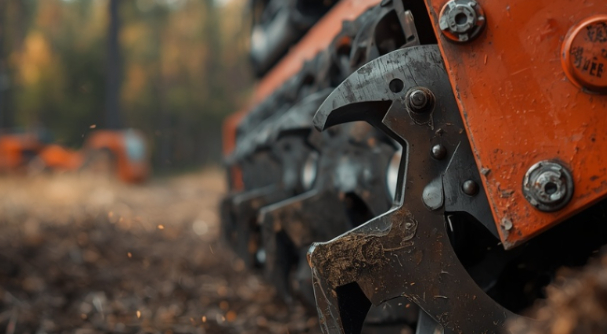
Editor’s Note: The opinions expressed here by the authors are their own, not those of impakter.com. In the Cover Photo: Prinoth carbide has the ability to extend equipment lifespan. Cover Photo Credit: werewolfparts