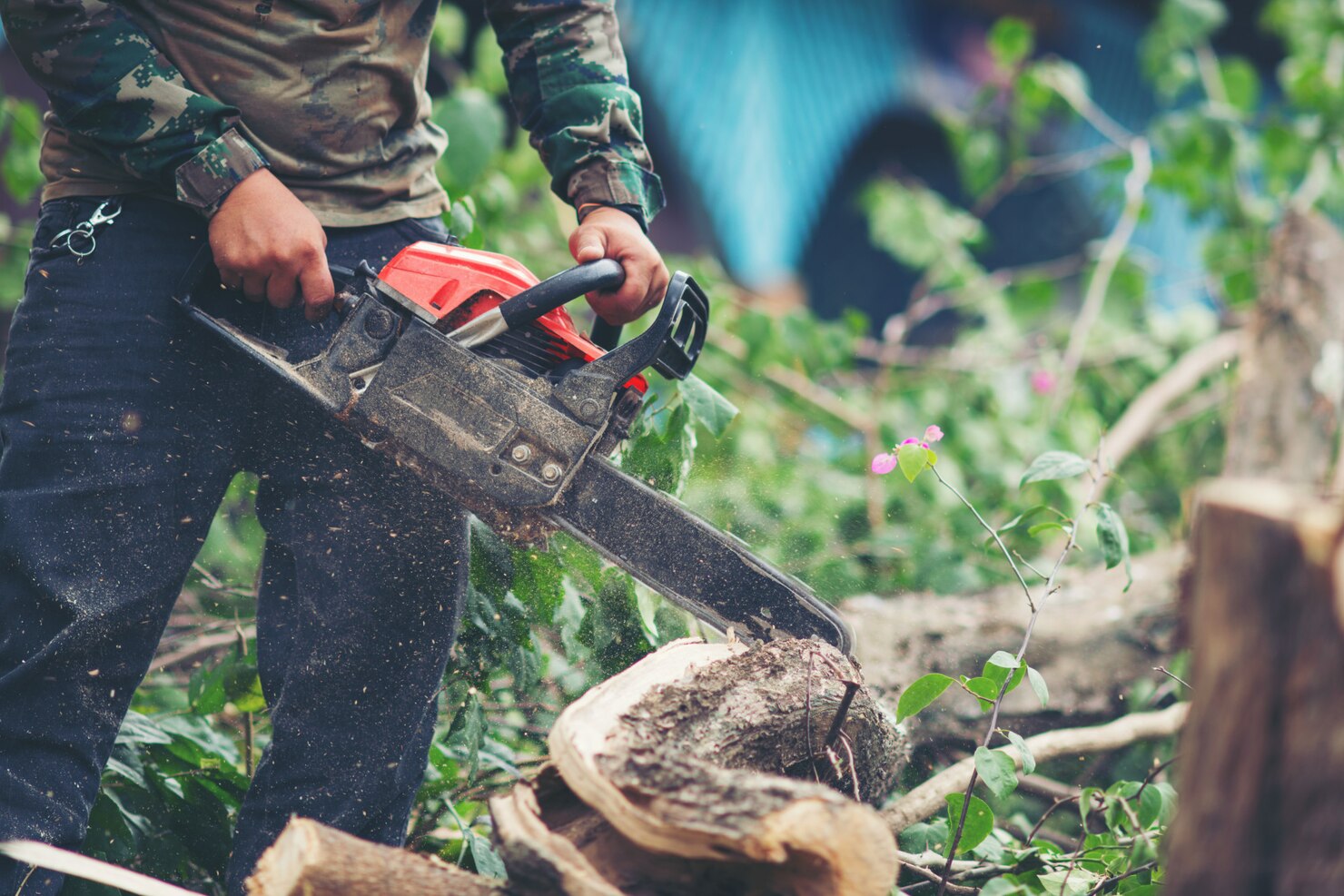
Tree trimming is important for safety in and around homes and in public spaces. While trees are pleasant to look at, if they are simply left to grow over the years, they can become dangerous. No doubt regularly maintaining trees helps them stay healthy and prevents unforeseen accidents from happening. Taking care of these aspects not only protects people but also property and infrastructure as well.
Prevention of Falling Branches
Branches can break under the forces of storms, disease, or just old age. A limb may shatter unexpectedly, then inflict injury on yourself or damage around you. Tree trimming gets rid of these dangerous branches before they can be a problem. Tree trimming removes dangerous branches before they cause harm.This preventive measure ensures the safety of outdoor spaces at home for families, pets, and visitors. Encouraged early detection of any potentially problematic issues and spared surprises.
Protection for Property and Infrastructure
Trees that have overgrown for too long can extend onto rooftops, over the energy lines, onto fences. Expense on designing structures: the branches that scrape we can shut that will drive the high rate of repair. Trimming ensures that vegetation is not too close to buildings. Avoiding contact with power lines also minimizes the risk of electrical outages or fires. Preventive maintenance helps protect homes and driveways, as well as utility services, from preventable damage.
Increased Visibility for Drivers and Pedestrians
Signage on sidewalks and roadways can be obstructed by low-hanging branches. Low visibility increases the likelihood of accidents occurring among drivers as well as pedestrians. Keeping walkways and roadways clear of overgrown vegetation through pruning prevents allowing movement in any manner, safely and freely. Near intersections or driveways, clear sight lines are even more imperative. maintaining a clear line of sight to reduce collisions and flow of traffic.
Disease and Pest Control
Sick or pest-affected branches can spread the issue to the rest of the tree or to plants nearby. Trimming helps to contain an issue quickly by removing the affected areas. The sooner you intervene, the less likely damage will spread throughout your home and the more your surroundings will remain healthy. Strong trees can resist insects and disease much better, and this makes it safer for all. Regular care supports long-term vitality.
Storm Preparation and Damage Reduction
Tree branches are strained by gusty winds and pelting rain. Limbs that are weak or crowded tend to snap in storms. Pruning makes trees stronger, which makes them less prone to failing in bad weather. Clearing away unnecessary growth help trees in surviving through harsh weather and minimizes the expenses of cleanup and repairs. Preventing storm damage also means fewer hazards on the streets for residents and passersby.
Supporting Tree Health and Growth
Regular pruning helps guide the tree into its desired form. Having a balanced canopy helps a tree develop evenly and helps avoiding having weak spots or uneven weight distribution on one side. In other words, fewer branches ready to fall off unexpectedly make for healthier growth. Pruning can also expose the inside of the tree more to sunlight and air.
Legal and Community Responsibilities
Landowners have a responsibility to keep their property safe. Some trees can become a hazard to neighbors or passersby at best when neglected. Regular stewardship goes a long way in preventing disputes or liability Several communities enforce tree-care regulations to help avoid accidents. Well-trimmed trees are respected in community areas and local laws.
Lower long-term costs
Handling problems at an early stage often helps avoids bigger problems later. Having to pay for emergency tree removal or property repairs is time-consuming and costly. Routine trimming is a low-maintenance cost that is offset by decreased emergency expenses and increased property value. Good-looking trees that are green, healthy, and well-maintained can also help improve curb appeal as well as the overall environment.
Conclusion
Regularly trimming trees is a good safety measure. This relatively simple habit can go a long way in preventing unnecessary damage to people, homes, and public spaces. Regular care promotes growth, keeps damage at bay, and ensures various other responsibilities are fulfilled. Proper tree care above all else leads to a safer, nicer neighborhood for all. lowering the risk of disease. Healthy trees live longer and grow stronger.
Editor’s Note: The opinions expressed here by the authors are their own, not those of impakter.com — Cover Photo Credit: Key home maintenance: regular tree trimming — Cover Photo Credit:jcomp