Impakter
  • Environment
    • Biodiversity
    • Climate Change
    • Circular Economy
    • Energy
  • FINANCE
    • ESG News
    • Sustainable Finance
    • Business
  • TECH
    • Start-up
    • AI & Machine Learning
    • Green Tech
  • Industry News
    • Entertainment
    • Food and Agriculture
    • Health
    • Politics & Foreign Affairs
    • Philanthropy
    • Science
    • Sport
  • Editorial Series
    • SDGs Series
    • Shape Your Future
    • Sustainable Cities
      • Copenhagen
      • San Francisco
      • Seattle
      • Sydney
  • About us
    • Company
    • Team
    • Global Leaders
    • Partners
    • Write for Impakter
    • Contact Us
    • Privacy Policy
No Result
View All Result
Impakter logo
No Result
View All Result
LONO

Making Waste Useful: An Interview with LONO

Seren Thomas - Junior EditorbySeren Thomas - Junior Editor
July 17, 2019
in Business, Environment, Tech
0

LONO is an organization based in Ivory Coast providing sustainable and affordable products and services for recycling agricultural waste to generate profit for users. We have reached Louise Bijleveld, Co-founder of LONO to find out more about her company.  

Can you please explain what kind of activities does LONO do?

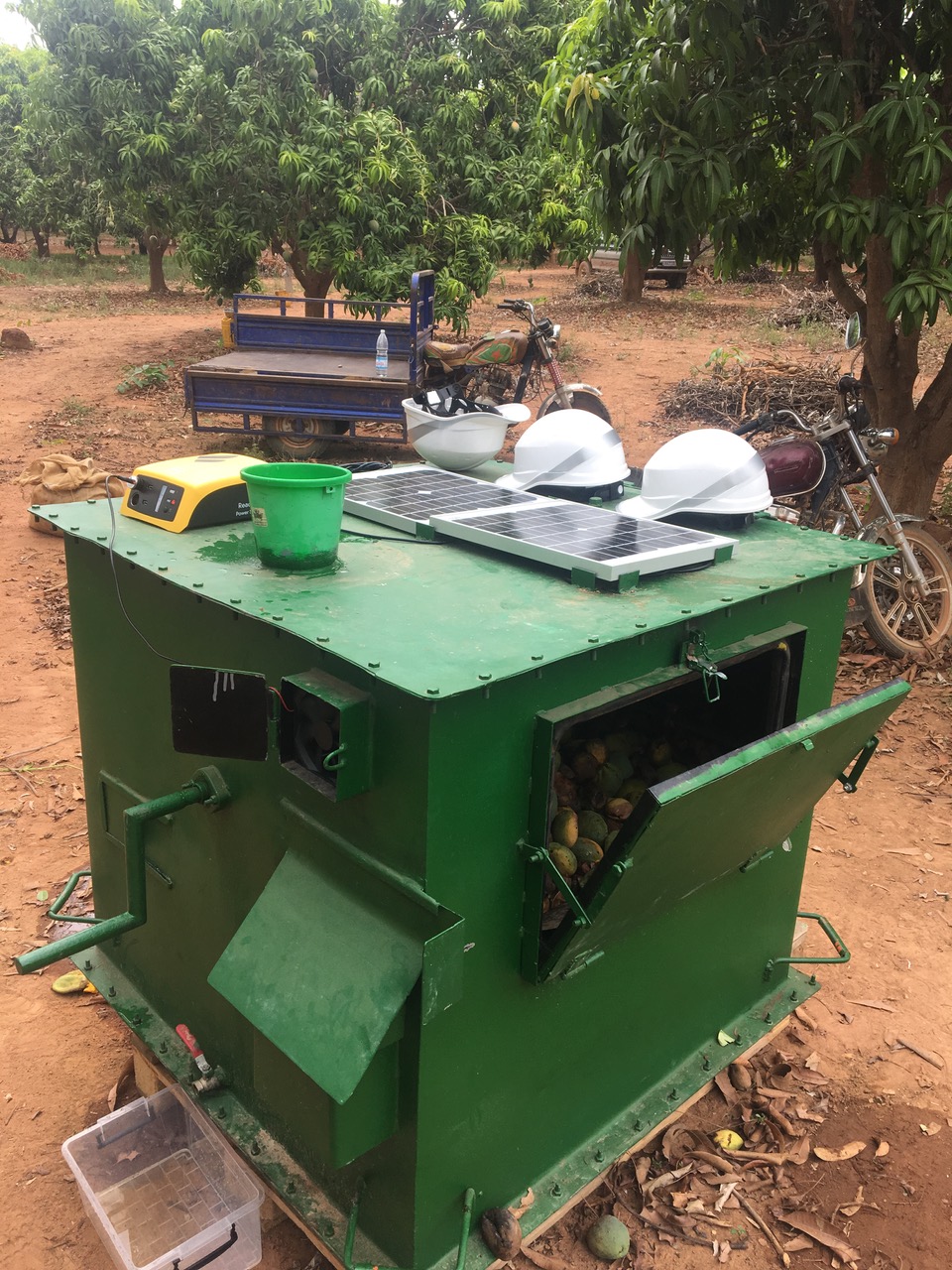
Louise Bijleveld: LONO developed a tool for farmers and agribusinesses in Ivory Coast to convert organic waste into products of value. We call this tool Kubeko: an efficient and low-cost method of transforming organic waste into compost, biogas, and electricity. We found that pre-existing technologies were either not adapted to the type of waste in Ivory Coast (often designed for animal dung instead of agricultural waste), or too expensive to be a viable business model. Kubeko’s two-step (dry-wet) process makes it possible to reduce the size of digesters and convert waste from fruit, cassava, cocoa, or cotton plantations in a low-cost manner.

There are two product ranges for the Kubekos. The first one is the Kubeko box (small-sized) designed for farmers, households, and cooperatives. The second one is the industrial Kubeko (large-sized) designed for agro-processing factories and agribusinesses.
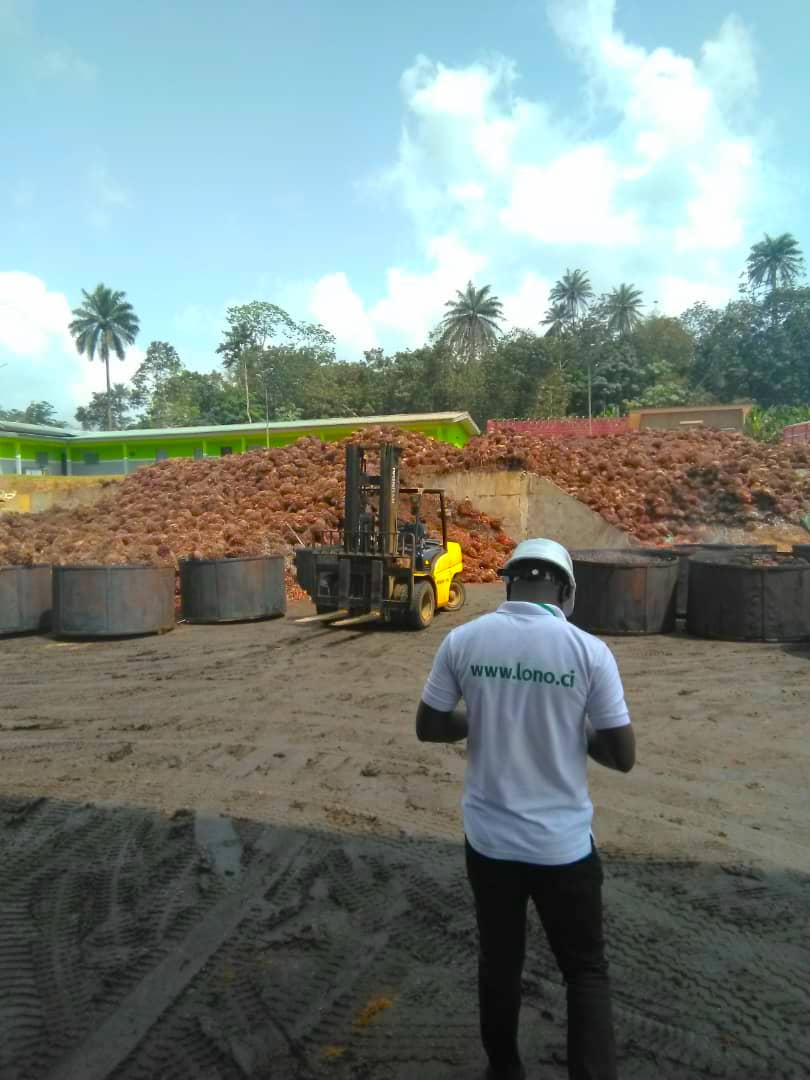
In the Photo: Staff recycling agricultural waste. Photo Credit: LONO

How many clients/customers have you had so far? How has this number changed over the last couple of years?

L. B. : In 2017 and early 2018, LONO was fully focused on research and product development activities. We began sales in 2018 with three industrial partners. In 2019, we are on track to double this customer list in addition to receiving follow-up orders from our initial customers. 


RELATED ARTICLES: 
“TURNING TRASH INTO TREASURE: AN INTERVIEW WITH PAULINA ALFEUS”

“AFRICANDRONE: OPPORTUNITIES FOR DEVELOPMENT IN AFRICA THROUGH TECH” by Johnny Miller


What kind of impact do you have on your community?

L. B. : We aim to have a social and environmental impact on the communities we work with. Waste valorization through compost and biogas production improves soil fertility through recycling nutrients, and it reduces air pollution by reducing greenhouse gas from uncontrolled landfills and open wood-burning. Kubeko also allows people and businesses at the beginning of the agricultural value chain to create an extra layer of value creation. This leads to additional income for rural households in Ivory Coast. 
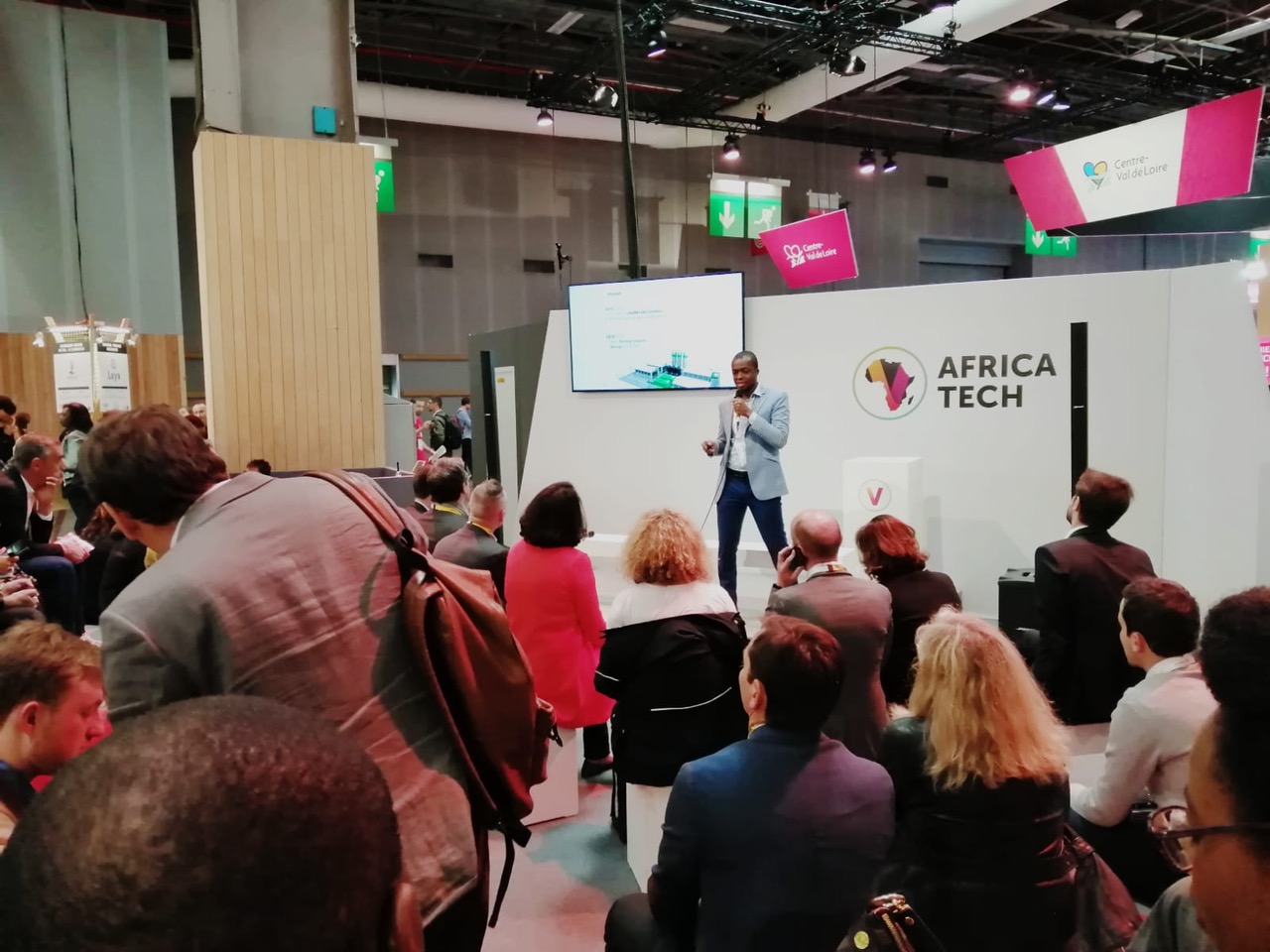
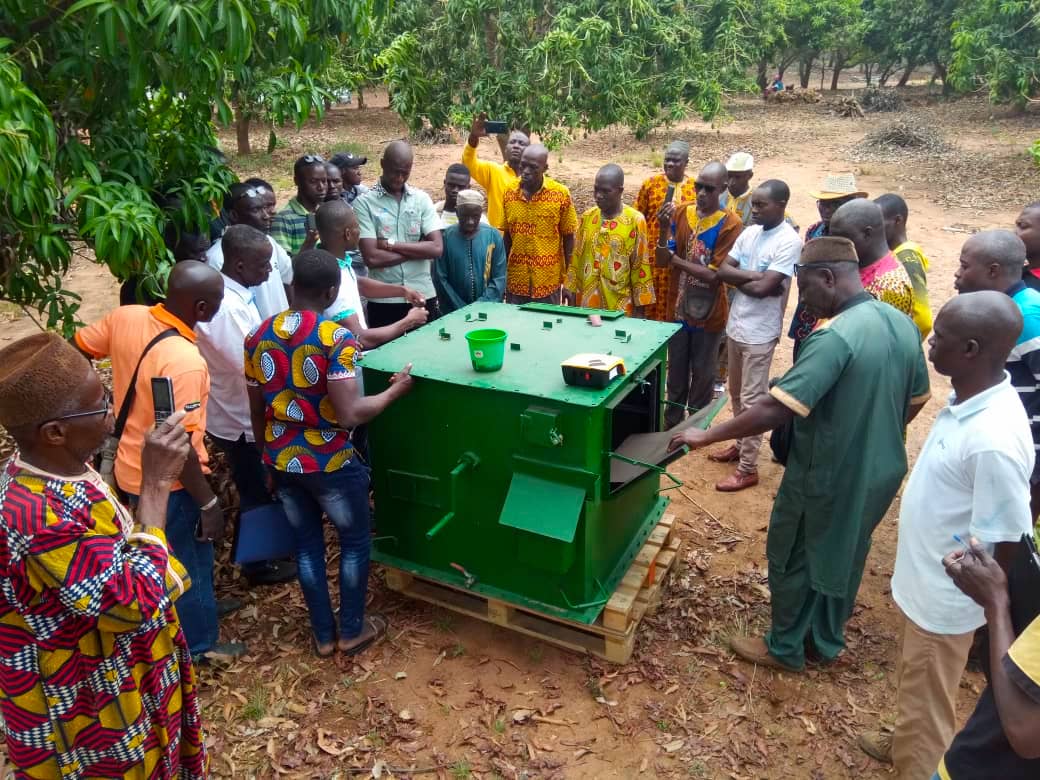
In the Photo: Kubeko presentation at Africa Tech Summit. Photo Credit: LONO

What do you think needs to be done to generate more female entrepreneurs and initiatives like yours in Africa?

L. B. : This is a complicated question since there is a lot of variation between the many countries that make up Africa. However, in Francophone West Africa, I believe we need more role models and success stories that show us what is possible and what female entrepreneurship and leadership could look like.

This would also encourage girls at school and women in the early stages of their careers to consider going into business. Looking at the numbers, investments in female-founded firms (particularly those of African women) are significantly low all over the world. For this to change, I think that more women need to be part of investment boards and selection committees in order to obtain more diversity when making decisions about funding allocation.  
LONO
In the Photo: Kubeko in action. Photo Credit: LONO

What are your thoughts about the SDGs?

L. B. :Our activities have a direct impact on soil quality, air quality, energy access, and income generation of households. Ultimately, we hope to contribute to improving perspectives for youth deciding to make a living from agriculture, combating climate change, and reducing rural and (eventually) urban poverty.

In Cover Photo: Group of farmers using a Kubeko. Photo Credit: LONO


EDITOR’S NOTE: The opinions expressed here by Impakter.com columnists are their own, not those of Impakter.com.

Tags: africaAgricultureClimate ChangeCote d'IvoireEnvironmentImpakterKubekoLONORecyclingTechnologyWaste
Previous Post

Canadian B Corps Gather To Build A More Inclusive & Sustainable Economy

Next Post

Greenland’s Shrinking Ice Sheet May Accelerate Global Climate Crisis

Related Posts

Encouraging Evidence of Momentum in Negotiations at COP30
Biodiversity

Encouraging Evidence of Momentum in Negotiations at COP30

With the second week of negotiations now underway at COP30, WWF is encouraged by an announcement by the Brazilian Presidency...

byWWF
November 18, 2025
ESG News regarding: only 16% of companies on track to hit net zero targets by 2050 per Accenture report, Orsted completes green transformation, EU and UK to begin carbon market link negotiations, China to expand renewable energy sector
Business

Only 16% of Large Companies on Track for Net Zero

Today’s ESG Updates Accenture Report Highlights Net Zero: While 89% of the world’s largest companies link decarbonization to business value,...

bySarah Perras
November 12, 2025
Bill Gates memo
Climate Change

Climate, Gates and COP30

Bill Gates’ recent article on the “three tough truths” of the ongoing environmental changes makes an essential point: we must...

byJosé Graziano da Silva - Former Director-General at FAO, Founder and Director of the Instituto Fome Zero, and Professor Emeritus at the University of Campinas
November 12, 2025
The Amazon rainforest is often called “the lungs of the world.” It produces oxygen and stores billions of tons of carbon every year. The Amazon rainforest covers more than 60% of the landmass of Peru. Photo Credit: USDA Forest Service / Diego Perez.
Biodiversity

Inside COP30

The 30th United Nations Climate Change Conference (COP30) is taking place in Belém, Brazil, from November 10 to 21, 2025....

byInternational Institute for Sustainable Development (IISD)
November 10, 2025
ESG news regarding U.S. absence from the COP30 climate summit, Europe’s role in the U.S. absence, new euro zone loan pricing, and countries suffering from global warming speak at COP30
Business

COP30 Without the U.S.

Today’s ESG Updates Global Climate Talks Proceed Without U.S. Leadership: Lack of U.S. representatives at the UN’s COP30 talks in...

bySarah Perras
November 10, 2025
From Caves to COP30: Comparing the Neanderthals and Modern Humans
COP30

From Caves to COP30: Comparing the Neanderthals and Modern Humans

There is much positive to be said about life in this twenty-first century; we live longer and have multiple technologies...

byRichard Seifman - Former World Bank Senior Health Advisor and U.S. Senior Foreign Service Officer
November 9, 2025
climate change and food
Biodiversity

COP30: Climate Extremes Are Already Impacting Food Yields Today

The 30th United Nations Climate Change Conference (COP30), taking place in Belém, Brazil, brings together world leaders, scientists, non-governmental organizations, and...

byThe Food and Agriculture Organization of the United Nations (FAO)
November 7, 2025
Baler Compactors
Circular Economy

Compressing Waste, Expanding Impact: How Baler Compactors Advance Corporate Sustainability

It is easy to see the glitzy side of sustainability. Solar panels, windmills, electric fleets. But there’s more to sustainability...

byHannah Fischer-Lauder
October 29, 2025
Next Post
Greenland’s Shrinking Ice Sheet May Accelerate Global Climate Crisis

Greenland’s Shrinking Ice Sheet May Accelerate Global Climate Crisis

Recent News

ESG News regarding COP30 Declaration on Information Integrity on Climate Change, Trump’s tariff volatility, EV boom in South America, and protests at COP30

COP30 Declaration on Information Integrity on Climate Change

November 18, 2025
Business planning: engineer generating a plan

How Comprehensive Business Planning Can Drive Long-Term Sustainability

November 18, 2025
Encouraging Evidence of Momentum in Negotiations at COP30

Encouraging Evidence of Momentum in Negotiations at COP30

November 18, 2025
  • ESG News
  • Sustainable Finance
  • Business

© 2025 Impakter.com owned by Klimado GmbH

No Result
View All Result
  • Environment
    • Biodiversity
    • Climate Change
    • Circular Economy
    • Energy
  • FINANCE
    • ESG News
    • Sustainable Finance
    • Business
  • TECH
    • Start-up
    • AI & Machine Learning
    • Green Tech
  • Industry News
    • Entertainment
    • Food and Agriculture
    • Health
    • Politics & Foreign Affairs
    • Philanthropy
    • Science
    • Sport
  • Editorial Series
    • SDGs Series
    • Shape Your Future
    • Sustainable Cities
      • Copenhagen
      • San Francisco
      • Seattle
      • Sydney
  • About us
    • Company
    • Team
    • Global Leaders
    • Partners
    • Write for Impakter
    • Contact Us
    • Privacy Policy

© 2025 Impakter.com owned by Klimado GmbH