Impakter
  • Environment
    • Biodiversity
    • Climate Change
    • Circular Economy
    • Energy
  • FINANCE
    • ESG News
    • Sustainable Finance
    • Business
  • TECH
    • Start-up
    • AI & Machine Learning
    • Green Tech
  • Industry News
    • Entertainment
    • Food and Agriculture
    • Health
    • Politics & Foreign Affairs
    • Philanthropy
    • Science
    • Sport
  • Editorial Series
    • SDGs Series
    • Shape Your Future
    • Sustainable Cities
      • Copenhagen
      • San Francisco
      • Seattle
      • Sydney
  • About us
    • Company
    • Team
    • Global Leaders
    • Partners
    • Write for Impakter
    • Contact Us
    • Privacy Policy
No Result
View All Result
Impakter logo
No Result
View All Result
Global Plastics Treaty

Major Gaps Remain in New Global Plastics Treaty Text Proposed by INC-5 Chair

Countries must ramp up ambition ahead of upcoming plastic pollution summit, says WWF

WWFbyWWF
October 31, 2024
in Environment
0

A WWF policy brief analysing the third iteration of the “non-paper,” a document that will serve as the basis of negotiations at INC-5, the fifth and final round of negotiations for the world’s first treaty to end plastic pollution, finds the document lacking in core measures that would make the resulting treaty fit for purpose.

While the “non-paper” provides a clearer and cleaner starting point for negotiations than the unwieldy 70-page draft produced at INC-4, WWF cautions that significant gaps remain that negotiators must immediately rectify. These gaps include the lack of explicit text to ban and phase out the most harmful plastic products and chemicals of concern; a similar lack of clarity on whether product design requirements will be mandatory, and not just encouraged; and the level of funding that countries need to commit and how such resources will be disbursed.

Most importantly, the current proposal could allow a single Party to veto any future decisions by the treaty’s governing body. WWF warns that this can result in a stagnant and dead treaty, incapable of adapting to changing developments and circumstances in the future.

“A global plastic pollution treaty that is fit for purpose is one that is undiluted, that includes binding global bans and phase-outs, product and systems design requirements, implementation support and mechanisms for gradual strengthening,” said Eirik Lindebjerg, Global Plastics Policy Lead at WWF. “The “non-paper” puts the negotiation process back on track by offering a much-needed and more accessible document for negotiating key measures, but it lacks specificity and well-defined content that assures us we will get a strong, ambitious treaty. We still need to see a significantly higher level of improvement to the treaty’s text. It is now up to the countries that want a strong treaty to ramp up ambition and make this a reality — a reality they promised us two years ago.”


Related Articles: What You Need to Know About the UN’s Draft Global Plastics Treaty | WWF Calls for a Global Ban on ‘Harmful and Unnecessary’ Single-Use Plastic Items Ahead of Key UN Plastic Pollution Treaty Talks | Draft Global Plastics Treaty Shows Promise | New UN Treaty Focused on Plastic Pollution | UN Treaty On Plastic Pollution: A Global Action Plan | Cities Are Key to the Success of the Global Plastics Treaty

WWF calls on countries to secure at INC-5 a treaty that includes four essential binding global measures across the entire plastic lifecycle:

  1. Global bans and phase-outs of the most harmful and problematic plastic products and chemicals;

  2. Global product design requirements to ensure all plastic we continue to produce is safe to reuse and recycle as part of a global, non-toxic circular economy;

  3. Aligning financial flows and resources to support nations in a just transition;

  4. Future-proofing the treaty through mechanisms that guarantee strengthening over time.

“The global plastic pollution crisis can only be addressed if all these measures are included in the treaty. If countries cannot reach a consensus, then the majority of countries that want a strong treaty should be ready to vote for a treaty that includes all four measures. Countries that want a strong treaty must push ahead with one, even if this means not all countries will ratify it, or be ready to take the decision to another forum. A treaty with binding measures supported by the majority of countries will be far more effective than a voluntary-based treaty supported by all countries,” said Lindebjerg.

Luis Vayas Valdivieso, an Ecuadorian diplomat tasked with chairing INC-5, first proposed the “non-paper” in late September, to streamline negotiations. At that point, the draft text compiled at INC-4 was a hefty tome that contained large sections left in brackets, signalling a lack of agreement on either the language used or whether negotiators wanted the text in the treaty. Since then, the non-paper has been updated twice, culminating in the current third iteration, which is likely the last time it will be updated before INC-5.

The non-paper creates a basis for negotiations at INC-5, and countries will have a week from 25 November to 1 December in Busan, Republic of Korea, to agree on measures that can put an end to plastic pollution.

** **

This article was originally published by WWF and is republished here as part of an editorial collaboration with WWF.


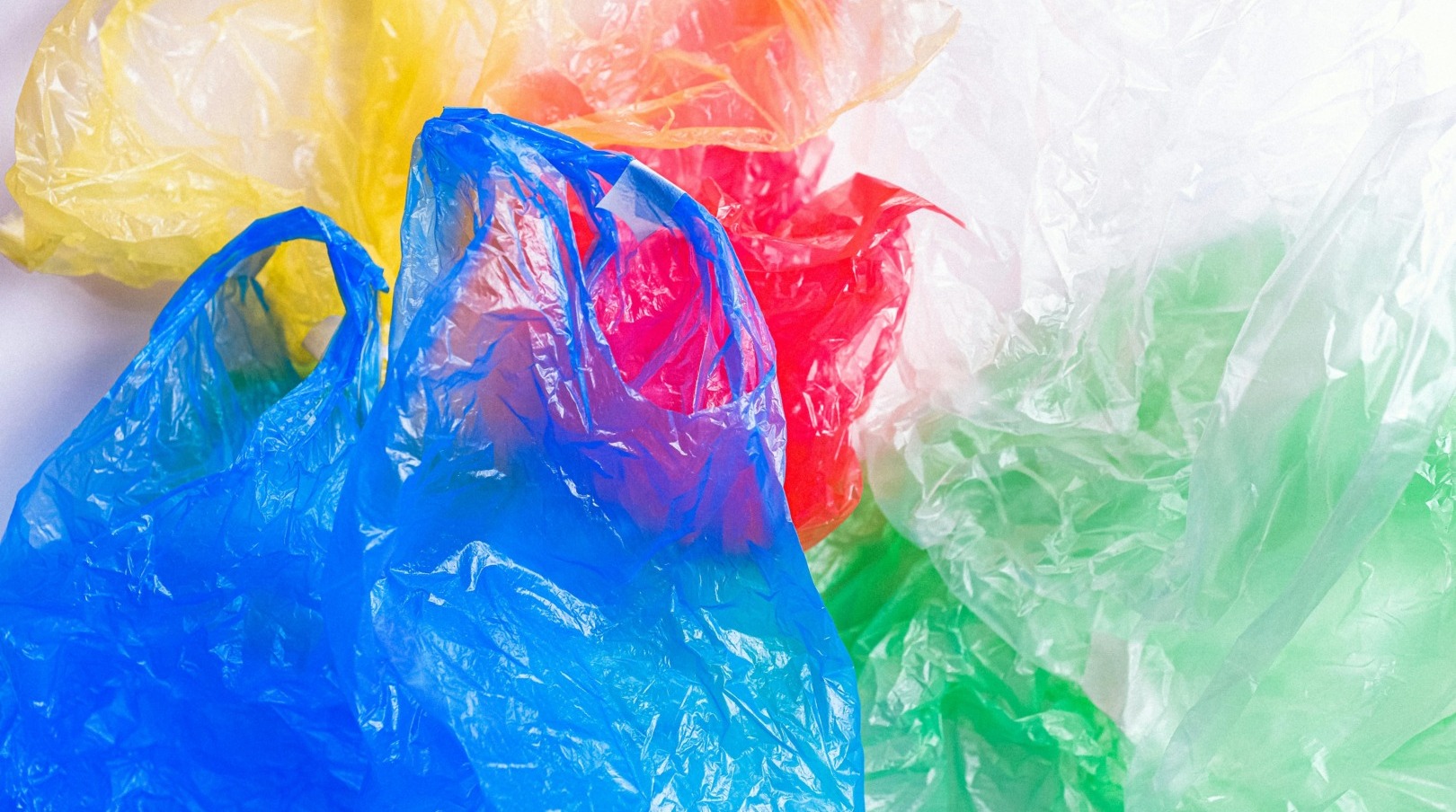
Editor’s Note: The opinions expressed here by the authors are their own, not those of Impakter.com — In the Cover Photo: Plastic bags. Cover Photo Credit: Anna Shvets.
Tags: Global Plastics TreatyINC-5plasticPlastic Pollutiontreaty to end plastic pollutionWWF
Previous Post

Bain Capital and Aquila Group Join Forces to Power Europe’s Data Center Future

Next Post

The Future of Sustainable Food Systems: Turning Challenges into Global Action

Related Posts

The Imperative of a Nature-Positive Future
Biodiversity

The Imperative of a Nature-Positive Future

For most of human history, survival was a gamble. Half of all children never reached puberty. Life expectancy hovered around...

byMarco Lambertini
January 16, 2026
Impakter’s Most-Read Stories of 2025
Society

Impakter’s Most-Read Stories of 2025

In 2025, as in previous years, Impakter readers turned in large numbers to stories examining climate change and pollution, environmental...

byImpakter Editorial Board
December 31, 2025
plastic diseases
Biodiversity

Plastic Can Now Help Spread Diseases

There has been growing attention to the “Great Pacific Garbage Patch” by those who correctly recognize it as an environmental disaster....

byRichard Seifman - Former World Bank Senior Health Advisor and U.S. Senior Foreign Service Officer
December 8, 2025
New GHG Protocol Structure Plans to Expand Reporting Beyond Scope 1–3
Business

New GHG Protocol Structure Plans to Expand Reporting Beyond Scope 1–3

Today’s ESG Updates GHG Protocol Develops New Multi-Statement Framework: Planned structure separates climate actions from scope 1–3 inventories. G20 Experts...

byLuis Guillermo Valdivia Chavez
November 26, 2025
plastic pollution
Environment

Biodegradable Plastics: Help or Hype?

The global annual production of plastics rose to 400 million metric tons in 2022 and is projected to double by 2050. Many items...

byThe Revelator
November 21, 2025
Encouraging Evidence of Momentum in Negotiations at COP30
Biodiversity

Encouraging Evidence of Momentum in Negotiations at COP30

With the second week of negotiations now underway at COP30, WWF is encouraged by an announcement by the Brazilian Presidency...

byWWF
November 18, 2025
nature finance
Biodiversity

New Tested and Scalable Investment Model Can Unlock Billions in Much-Needed Financing for Nature

The Landscape Finance Approach comes at a critical juncture when the global biodiversity funding gap has reached almost a trillion...

byWWF
November 14, 2025
TFFF
COP30

Historic $5 Billion TFFF Launch Is the Gamechanger Nature and Climate Need

WWF congratulates Brazil and partners including Norway, Indonesia, Colombia and endorsing tropical forest countries for their visionary leadership in launching...

byWWF
November 7, 2025
Next Post
Building sustainable food systems requires collaboration to address climate change’s impact on agriculture and ensure global food security.

The Future of Sustainable Food Systems: Turning Challenges into Global Action

Recent News

ESG News regarding EU-Mercosur deal, EU retaliatory tariffs over Trump’s Greenland bid, Bolivia to honor all contracts, and Trump losing wind farm legal battles

EU and Mercosur Sign Long-Awaited Trade Agreement

January 19, 2026
animals legal rights

From Stingless Bees to Sea Turtles: Species Around the World With Legal Rights

January 19, 2026
Sunset of the Lab Mouse Era

Sunset of the Lab Mouse Era

January 19, 2026
  • ESG News
  • Sustainable Finance
  • Business

© 2025 Impakter.com owned by Klimado GmbH

No Result
View All Result
  • Environment
    • Biodiversity
    • Climate Change
    • Circular Economy
    • Energy
  • FINANCE
    • ESG News
    • Sustainable Finance
    • Business
  • TECH
    • Start-up
    • AI & Machine Learning
    • Green Tech
  • Industry News
    • Entertainment
    • Food and Agriculture
    • Health
    • Politics & Foreign Affairs
    • Philanthropy
    • Science
    • Sport
  • Editorial Series
    • SDGs Series
    • Shape Your Future
    • Sustainable Cities
      • Copenhagen
      • San Francisco
      • Seattle
      • Sydney
  • About us
    • Company
    • Team
    • Global Leaders
    • Partners
    • Write for Impakter
    • Contact Us
    • Privacy Policy

© 2025 Impakter.com owned by Klimado GmbH