Called “10 New Insights in Climate Science” and released by Future Earth, The Earth League and the World Climate Research Programme, the annual report gathers insights from top academics and researchers around the world through a network of partner organisations. This year’s edition included input from 80 researchers across 45 countries.
The report comes at a time when global temperature records are being broken each year. In 2023, the global average temperature was 1.45 degrees Celsius higher than pre-industrial levels. Global sea temperatures have also broken records – for 14 consecutive months leading up to May 2024.
These numbers indicate that the world is “significantly off-track” in meeting the 1.5-degrees-Celsius goal set by the Paris Agreement, as found by the Global Stocktake (GST) – a certified progress assessment finalised at COP28 in Dubai.
The GST formally set the goal to ripple renewable energy capacity and double the rate of improvement in energy efficiency by 2030 to mitigate the unfolding fallout from climate change. To limit global warming to below even 2 degrees Celsius, the GST found that global emissions must be lowered by 28% more than current projections for 2030. Should the 1.5 degrees goal from COP21 in Paris be respected, emissions would have to be reduced by 42% more than currently projected.
2024 climate science insights
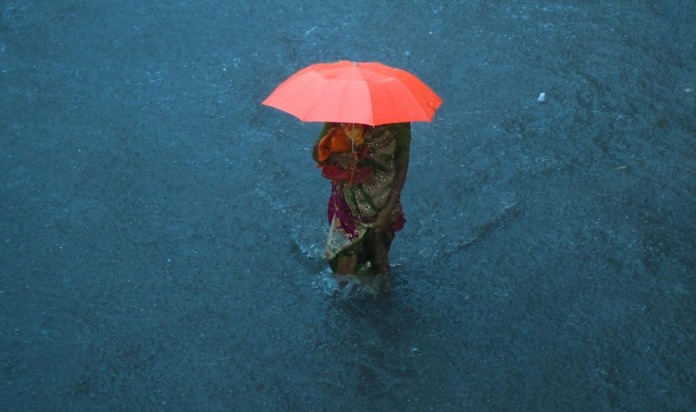
The report highlights the extreme weather events that have been occurring with increasing frequency and intensity as a result of climate change. For example, wildfires in Canada have been found to be twice as likely due to recent global warming; heatwaves across South and Southeast Asia have increased in likelihood by 30 times; and heavy rainfall and flooding have been found to be up to 50 times more likely and up to 50% more intense.

The first two insights highlighted by the report concern two different types of emissions that come from human activities. The first is surging levels of atmospheric methane in recent history and its high potency and short atmospheric lifetime, which greatly increase the rate at which Earth warms. Since it is such an immediate driver of climate change, policy changes and technological advancements targeted at controlling methane emissions are a fast and effective way to limit short-term warming. However, as the report finds, emissions reductions are not occurring at a desirable rate, in large part due to policy challenges.
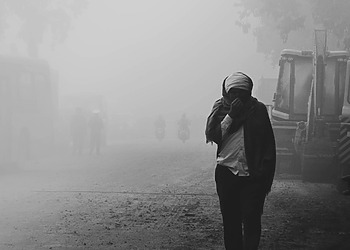
The second insight finds that aerosol loading in the atmosphere is actually in decline due to effective policy-making to improve air quality. While being a positive trend in the long run, aerosols have a net cooling effect on the atmosphere and can in turn differentiate the impact of extreme weather events such as heavy rainfall. That means that while aerosols are damaging the earth’s atmosphere, less aerosols could mean a faster rate of warming in the near term.
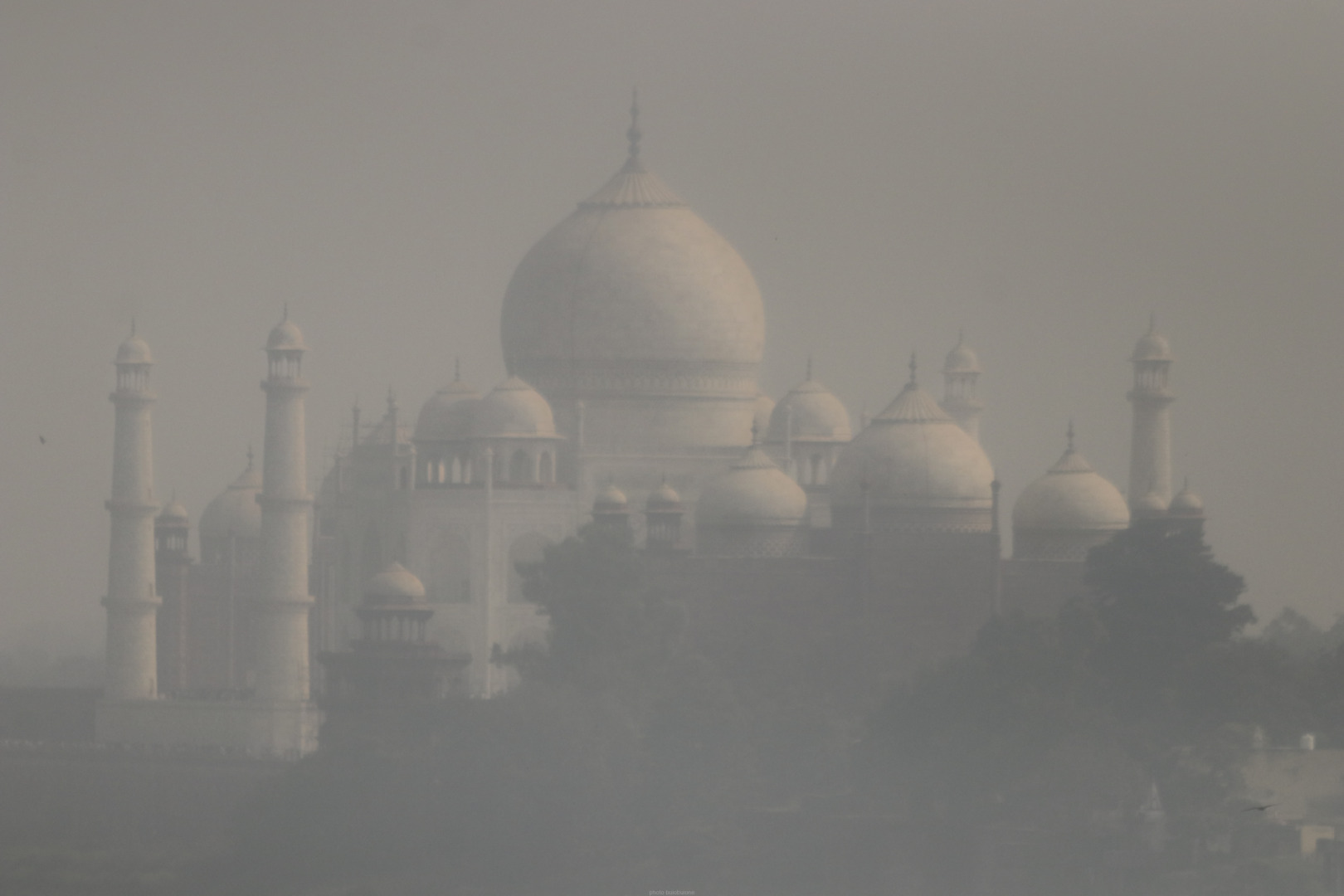
The 10 New Insights in Climate Science report stresses the need for more research on multiple pollutants and their interactions with chemicals in the atmosphere to best inform risk assessments.
Continuing with other insights, the report found that hundreds of millions of people worldwide are currently living in climate conditions beyond the “historical range of habitability.” Particularly in lower-income countries and tropical countries, populations are still growing as climate conditions worsen, putting more and more people at risk of harm and displacement from extreme weather. Extreme heat has been found to have growing negative impacts on pregnant women and newborn infants, for example.
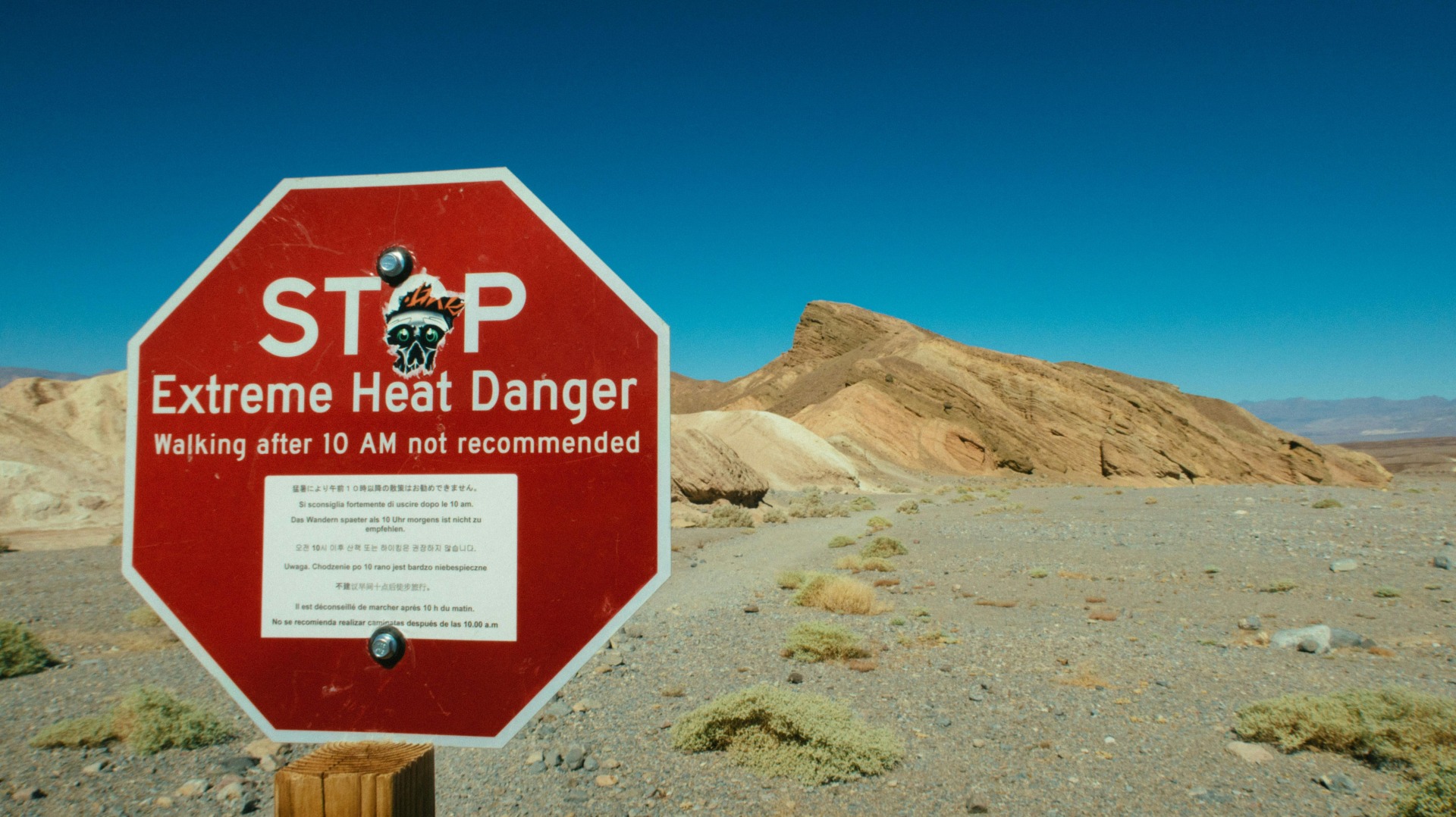
Extreme weather not only affects the livelihoods of entire populations but can also devastate ecosystems and infrastructure, which has a large spillover effect on the economy. For example, natural El Niño climate events are being made more intense by global warming and are projected to potentially cost tens of trillions of dollars by the end of the century according to Insight 5 of the report.
Later insights call for more climate finance focused on adaptability and resilience of critical infrastructure to prepare for future climate hazards.
Related Articles: COP28: Countries Agree to ‘Transition Away’ From Fossil Fuels | The Climate Debate Has Turned Explosive: From Apocalypse Doom-sayers to Climate Fixers | How Climate Change Affects Health and How Countries Can Respond | Climate Change’s Catch-22 | How Much Will Climate Change Drag Down the Economy?
Perhaps even more pressing, while human-made emissions are causing significant changes in climate, the direct disruption of key ecosystems could bring about disaster even quicker. The Amazon rainforest, for example – the most biodiverse ecosystem on earth – is being destroyed. Restoring environments such as the Amazon would be a much harder task than even adapting to catastrophic changes in climate, according to the report released last week.

The final insights mainly concern climate-resilient development (CRD). Particularly in cities, which have a disproportionately large climate footprint, more systems are needed to reduce greenhouse gas emissions and transition to renewable energy. The demand for energy transition minerals has exploded as the world aims to move towards clean energy. A key issue going forward will be the management of the energy transition materials value chain, and the surrounding logistical problems. As clean energy becomes a staple in the modern economy, government policy including subsidies and other support will become more important, the report finds.

Finally, Future Earth, The Earth League and the World Climate Research Programme’s key finding is that policy changes to address the climate crisis must grow in volume and acceptance. The report highlights that whether a policy is seen as fair by the affected population influences whether it is accepted or resisted by citizens. For wide-scale adoption and a mobilisation of the population to reduce emissions and save Earth, policies must be fair in a socio-economic context.
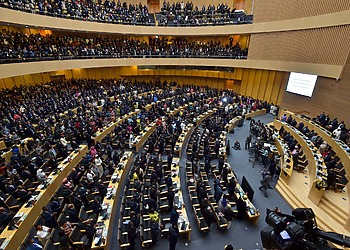
The authors of the report aim to help inform climate policy and rhetoric in the near future, stating how they “hope that the 10 New Insights in Climate Science 2024/2025 will reach party delegations attending COP29 in Baku, Azerbaijan, helping inform their positions and arguments, and ultimately being reflected in the final outcomes of the negotiation.”
Specifically, they hope to put in place “concrete financial commitments” to increase climate resilience, implement quantifiable targets for methane reduction and aerosol considerations and strengthen the economics of the clean energy transition. All with the goal in mind of a “major step-up of climate action between COP29 and COP30.”
While the symptoms of climate change seem to worsen year-by-year and even month-by-month, the 10 New Insights in Climate Science report pinpoints the key areas that can be addressed by stakeholders in the interest of protecting the population, the economy and the natural world from the impacts of climate change.
Editor’s Note: The opinions expressed here by the authors are their own, not those of Impakter.com — Cover Photo Credit: Aamir Dukanwala.