Impakter
  • Environment
    • Biodiversity
    • Climate Change
    • Circular Economy
    • Energy
  • FINANCE
    • ESG News
    • Sustainable Finance
    • Business
  • TECH
    • Start-up
    • AI & Machine Learning
    • Green Tech
  • Industry News
    • Entertainment
    • Food and Agriculture
    • Health
    • Politics & Foreign Affairs
    • Philanthropy
    • Science
    • Sport
  • Editorial Series
    • SDGs Series
    • Shape Your Future
    • Sustainable Cities
      • Copenhagen
      • San Francisco
      • Seattle
      • Sydney
  • About us
    • Company
    • Team
    • Global Leaders
    • Partners
    • Write for Impakter
    • Contact Us
    • Privacy Policy
No Result
View All Result
Impakter logo
No Result
View All Result
beanless coffee

Is Beanless Coffee the Future?

Massive demand for coffee has led to deforestation around the globe. However, a new startup based in Seattle may have the answer

David BassbyDavid Bass
October 16, 2023
in Climate Change, Food and Agriculture, Society, Start-up, Tech
0

After the introduction of dairy–free milk and plant–based meat, now comes a new and more sustainable form of coffee: Beanless coffee.

The average person drinks 2-4 cups of coffee a day, and an estimated 517 million cups of coffee are consumed per day in America alone. With a coffee tree only producing one pound of coffee a year, the problem soon becomes clear.

The coffee and climate change issue

Climate change is heating the world’s coffee-growing regions. Coffee requires a very narrow band of climate conditions to grow properly. If the climate where it is grown is too hot, the bean matures too quickly, resulting in poorer quality. 

As the world’s climate heats up, coffee farms are seeking cooler climates needed to grow beans, usually found uphill, destroying the forests and natural habitats there.

“Coffee is causing deforestation at a pretty alarming rate — almost up to 10 [New York] Central Parks a day,”  said Atomo’s CEO and co-founder Andy Kleitsch. 

That’s where Atomo Coffee might be able to lead the way, with a method of producing beanless in laboratory conditions.

How is beanless coffee made?

This new method of making coffee paradoxically doesn’t use any coffee beans. Instead, food waste such as date pips, the discarded caffeine from decaffeinated tea, papaya and lemon.

Atomo claims that its molecular structure is the same as regular coffee and has the same taste — although it has been designed to be smoother and slightly less bitter.

The exact ingredients are: Date Seed, Ramon Seeds, Sunflower Seed Extract, Fructose, Pea Protein, Millet, Lemon, Guava, Defatted Fenugreek Seeds, Caffeine, Baking Soda

The process has been to reverse engineer the coffee bean and come up with a form of more eco–friendly, sustainable coffee production.

Sustainability of beanless coffee

“It’s really a necessity for the planet to find an alternative way to satisfy the demand for coffee and something more sustainable” says Andy Kleitsch.

Apart from helping fight deforestation, this new way of producing coffee has other benefits. It uses 94% less water and 93% less carbon emissions, with 98% upcycled ingredients. This fits in well with the startup’s initial aim of finding a way to replicate the taste of coffee while reducing the negative effects of traditional coffee production. 

Investment in beanless coffee

Investors are also getting behind this new form of coffee. So far the brand has raised $40million in a funding round to scale its beanless coffee product line. 

At the moment, Atomo employs 25 people and can produce 1,000 servings a day.


Related articles: Brewing Sustainability: Imagining a Circular Coffee Supply Chain | Spotlight on Starbucks: The Complete Cost of a Cup of Coffee | Koffeco, Bringing Circular Economy To The Coffee Industry | Climate Change is Affecting Your Favorite Cup of Coffee — and so Much More

Their beanless coffee is also selling at an increasing rate, which suggests that people actually like it. Andy Kleitsch, Atomo co-founder commented: “We hope everyone who’s been waiting for this has a chance to buy it, but we’ll probably run out before everyone has a chance.” 

The future

So will we all be soon drinking coffee that has been synthetically produced? There are a few challenges. 

Firstly, in the age of organic whole food being put forward as optimal for health, will consumers go for something artificially produced? 

Similarly, many coffee lovers enjoy what they see as authentic coffee sourced from regions around the world such as Brazil, Colombia and Indonesia. Will coffee lovers switch to coffee made in a lab? 

It will be interesting to see if the environmental benefits of beanless coffee will win over nostalgic coffee lovers in the future. 


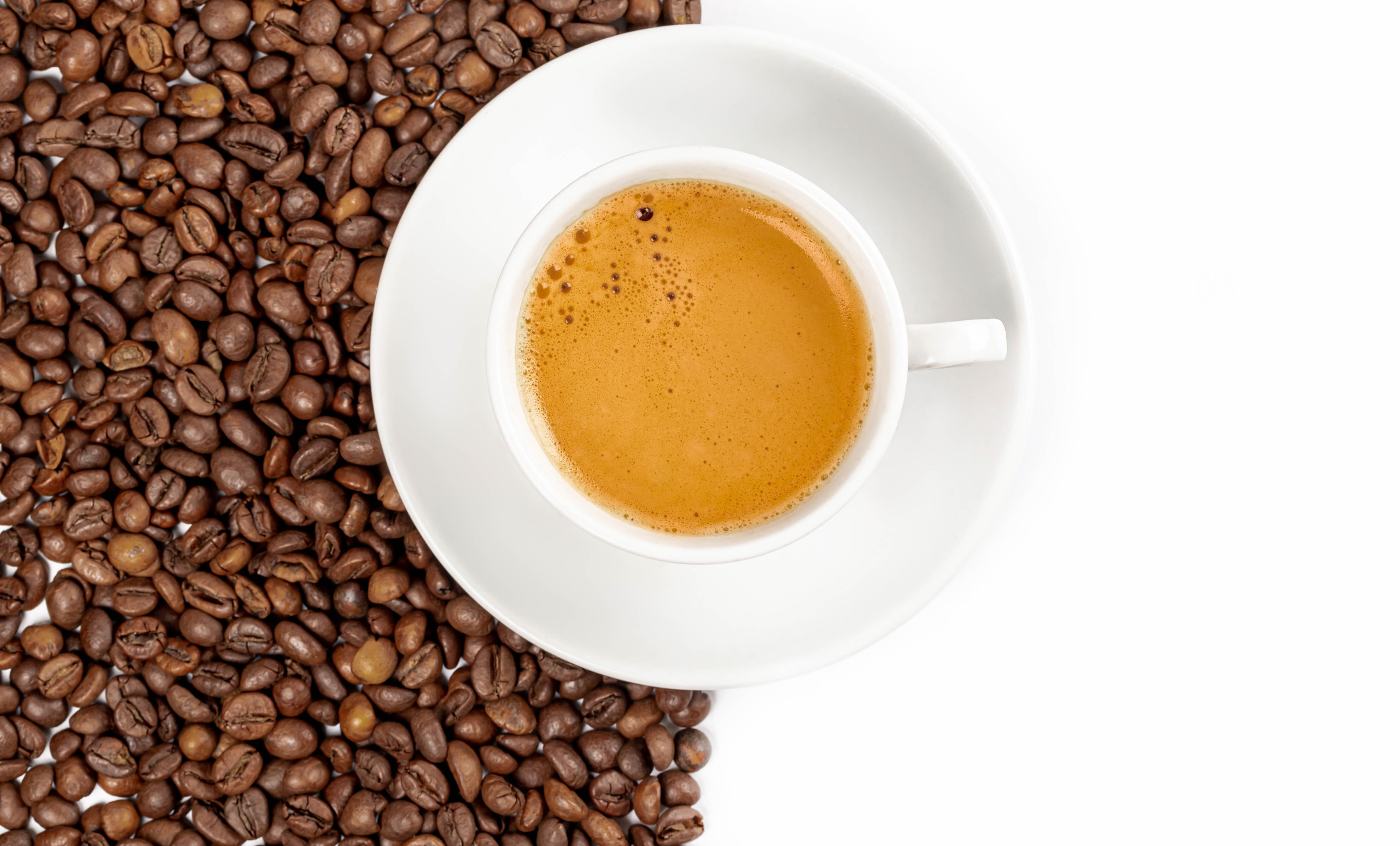
Editor’s Note: The opinions expressed here by the authors are their own, not those of Impakter.com — In the Featured Photo: Cup of coffee on a background of beans and on white. Featured Photo Credit: Marco Verch/Creative Commons 2.0.

Tags: Atomo coffeebeanless coffeeClimate ChangeCoffeeCoffee without beansSustainability
Previous Post

Space-Based Solar Power: Gathering Clean Energy From Space

Next Post

Coca-Cola Plans to Make Bottle Tops From CO2

Related Posts

The Era of ‘Global Water Bankruptcy’ Has Begun
Climate Change

The Era of ‘Global Water Bankruptcy’ Has Begun

Humanity’s long-term water usage and damage have exceeded nature's renewal and safe limits, a situation scientists and the media have...

byNmesoma Ezetu
January 30, 2026
Food Waste in India
Climate Change

India’s Food Waste Is Turning Into an Environmental Time Bomb

India, a key player in this fight, is currently battling a confluence of climate-driven disasters. Last year’s punishing extreme heatwave,...

byPranjali Chowdhary - Research and Policy Associate at the Institute for Governance and Sustainable Development, Indiaand1 others
January 30, 2026
One Health Education Is Essential for Pandemic Preparedness and Global Security
Education

One Health Education Is Essential for Pandemic Preparedness and Global Security

The One Health concept/approach offers a powerful tool for public health and biomedical research globally. The combined integration of human medicine,...

byDr. Bruce Kaplan - Epidemiologist formerly at the CDC/EIS and USDA-FSIS Office of Public Health and Science & Co-Founder of the One Health Initiativeand2 others
January 29, 2026
Three sponsors for the 2026 Winter Olympics in Italy could generate 1.3 million tons of CO2
Climate Change

Winter Olympics Sponsorship Emissions: Who Are the Main Offenders?

The 2026 Winter Olympic Games are set to begin in Italy next month. Scattered across towns in northern Italy, from...

bySarah Perras
January 28, 2026
WEF Report Ranks Environmental Challenges as Greatest Long-Term Threat to Global Stability
Business

WEF Report Ranks Environmental Challenges as Greatest Long-Term Threat to Global Stability

The World Economic Forum’s Global Risks Report 2025 found that environmental risks are deteriorating faster than other threats and challenges.  ...

byBenjamin Clabault
January 28, 2026
ESG News regarding Clean energy is Europe's only path to prosperity; 2150 raises €210 million to back sustainable cities; EcoCeres’ new Malaysian plant is operating at 95% capacity; New study suggests the world is not ready for rise in extreme heat.
Business

Clean Energy Is Europe’s Only Route to Prosperity

Today’s ESG Updates: Clean Energy is Vital for Europe's Autonomy: UK Energy Secretary Ed Miliband and EU Energy Commissioner Dan...

byFedor Sukhoi
January 27, 2026
ESG news regarding: a push for wind power in Europe, possible massive metal fraud, wind power in Western Australia, and Citi layoffs.
Business

Europe’s Answer to Trump: More Wind Power

Today’s ESG Updates New Draft Reveals Europe’s Massive Wind Power Push: Nine European nations are defying U.S. criticism by signing...

byEge Can Alparslan
January 23, 2026
Climate Change Charities
Business

Beyond Carbon Offsets: 7 Climate Change Charities Tackling Root Causes in 2026

Philanthropy is surging again. U.S. charitable giving reached a record $592.50 billion in 2024, and, for the first time since...

byHannah Fischer-Lauder
January 23, 2026
Next Post
coca-cola bottle tops

Coca-Cola Plans to Make Bottle Tops From CO2

Recent News

The Era of ‘Global Water Bankruptcy’ Has Begun

The Era of ‘Global Water Bankruptcy’ Has Begun

January 30, 2026
ESG news regarding: New Report Urges Urgent Action to Halt PFAS Contamination Across EU, US Proposes New Rule to Force Greater Transparency in Pharmacy Benefit Manager Fees, EU and Brazil Seal Landmark Deal Creating World’s Largest Free Data Flow Zone, Beijing Suspends Import and Use of Sun Pharma Alzheimer’s Treatment

Without Regulation, ‘Forever Chemicals’ Will Cost Europe €440 billion by Mid Century

January 30, 2026
Food Waste in India

India’s Food Waste Is Turning Into an Environmental Time Bomb

January 30, 2026
  • ESG News
  • Sustainable Finance
  • Business

© 2025 Impakter.com owned by Klimado GmbH

No Result
View All Result
  • Environment
    • Biodiversity
    • Climate Change
    • Circular Economy
    • Energy
  • FINANCE
    • ESG News
    • Sustainable Finance
    • Business
  • TECH
    • Start-up
    • AI & Machine Learning
    • Green Tech
  • Industry News
    • Entertainment
    • Food and Agriculture
    • Health
    • Politics & Foreign Affairs
    • Philanthropy
    • Science
    • Sport
  • Editorial Series
    • SDGs Series
    • Shape Your Future
    • Sustainable Cities
      • Copenhagen
      • San Francisco
      • Seattle
      • Sydney
  • About us
    • Company
    • Team
    • Global Leaders
    • Partners
    • Write for Impakter
    • Contact Us
    • Privacy Policy

© 2025 Impakter.com owned by Klimado GmbH