Flor de Dalia, a Nicaraguan coffee cooperative, needed credit and has accomplished a great deal in its few short years working with Root Capital.
 Article in collaboration with: Root Capital invests in the growth of agricultural enterprises so they can transform rural communities. These businesses purchase crops such as coffee, cocoa,or grains from smallholder farmers. With growth, they become engines of impact that can raise incomes, create jobs, empower women and young people, sustain peace, and preserve vulnerable ecosystems.
Wiston Vílchez had barely turned 24 when he took over as general manager of the fledgling Flor de Dalia coffee cooperative in 2014. At the time, the cooperative consisted of a handful of families who sold their coffee to local brokers at rock-bottom prices. The brokers then sold the coffee on the international market with a huge mark-up—pocketing all the profit for themselves.
Related topics: A Farmer-Responsive Approach: Rethinking New Technology for Small Farmers – Social Farming for Sustainable Development – How Colombia’s President is Ignoring the Climate Crisis
A lot has changed over the half-decade since Wiston began leading Flor de Dalia. The cooperative, nestled in the foothills of northern Nicaragua, has grown to reach more than 200 farmers and now works directly with international buyers—avoiding the low-priced local market. This has enabled Flor de Dalia to work on broader social initiatives, including environmental stewardship and clean water projects that benefit all members of the community.
But not all of the recent changes were welcome ones. Climate change has forced many of the cooperative members to diversify into cocoa and rice as rising temperatures make their land inhospitable to the coffee they have grown for generations. Meanwhile, the price of coffee plummeted below the cost of production. And since 2018, Nicaragua has been plagued by political unrest. In the face of these challenges, Flor de Dalia needed more than the ingenuity and hard work of cooperative leaders like Wiston—they needed credit. But no lender would provide them with the financing they needed to grow.
That’s where Root Capital came in. In addition to providing the loan Flor de Dalia needed to deepen their impact, we’re equipping them with the skills necessary to put those funds to good use. Capacity building is particularly important for early-stage enterprises like Flor de Dalia. But in their remote location, training is hard to access. That’s why we’ve partnered with the Trafigura Foundation and the Puma Energy Foundation to provide financial and agronomic advisory services to 12 early-stage cooperatives like Flor de Dalia across Mexico and Central America. The idea behind the partnership is simple: by providing on-site training, we can propel the growth of these cooperatives so that they can access more credit and deepen their impact on the communities where they work.
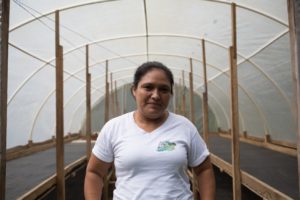
In mid-2017, our Advisory Services team implemented a series of participatory workshops with the employees and board members of the Flor de Dalia cooperative. The first step was to determine the foundational values that guide the organization, and the core tenet quickly became clear: quality. “The quality of the coffee,” Wiston clarifies, “but also the quality of how this coffee gets from the farm—of what we are doing on the family level, on the community level, on the organizational level. We want to sell a coffee of quality in all meanings of the word.”
For Flor de Dalia, the key to growth was producing a higher quality product that increased incomes for farmers while also improving the quality of the local community and ecosystem.
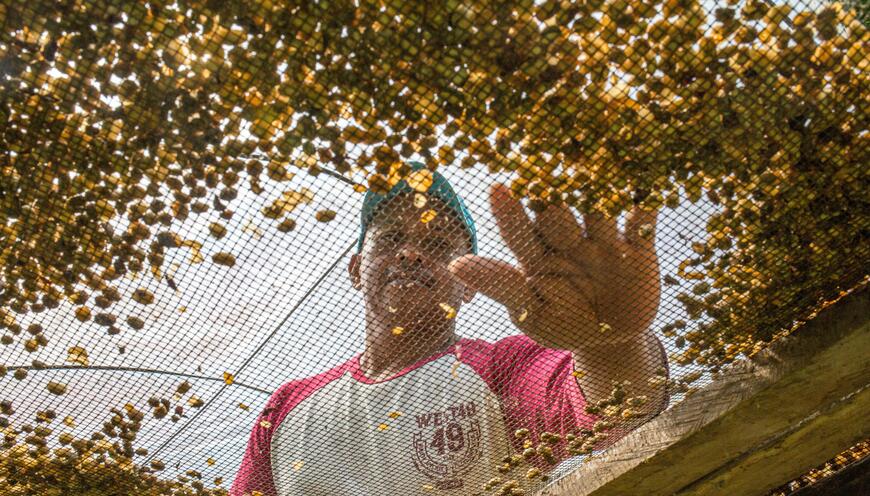
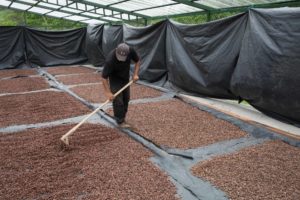
With this in mind, our team worked with the cooperative’s management to conduct a step-by-step analysis of every source of income and expense for the organization. Through this analysis, the cooperative discovered that one of their biggest costs—the outsourced process of drying coffee—might be avoidable. After installing drying beds at the cooperative offices, they saved money while also improving coffee quality through increased control over the process. The decrease in cost per pound means more money can be paid directly to farmers.
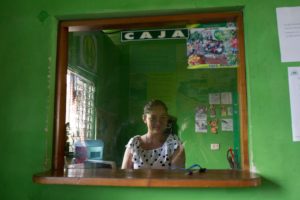
One of the most important ways the cooperative has added to the quality of life for its farmers is through their internal credit system. The coffee harvest in Nicaragua runs from November to February, meaning farmers make most of their income during just those few months. Oftentimes, much of the previous year’s income has been used before the next harvest is ready for picking.
Acknowledging the problem, Flor de Dalia implemented a system in 2016 to provide credit to its farmers to sustain them through these lean months. But the system wasn’t efficient enough to reach all of the producers who needed it—leaving some farmers without access to the credit they needed to hold them over until the next harvest. Through on-site workshops, Root Capital advisors shared industry best practices, revamping the internal credit system with increased controls and capacity. This scaled-up system now enables Flor de Dalia to provide sufficient credit to all of its members, enabling them to not just feed their families during those lean months, but also make the on-farm investments necessary to set themselves up for long-term success.
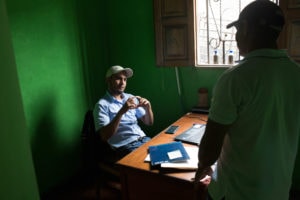
Wiston (left) knows that the cooperative has a lot more work to do given the challenges that farmers are facing.
Flor de Dalia has accomplished a great deal in its few short years working with Root Capital. The cooperative increased sales of coffee to international buyers by 150% between the 2018 and 2019 harvests, and is reaching more smallholder farmers than ever before. But at the same time, the challenges it faces are growing ever larger. Climate change has increased the frequency and magnitude of diseases, pest infestations, and natural disasters. Meanwhile, the global coffee price shows no sign of rebounding.
But Wiston is determined to not let these challenges deter him. “We are monitoring at the farm level,” he explains, “in what we have improved and in what we haven’t.” Wiston and his team will continue to grow as they learn from their effort, and they won’t be alone. With the help of Root Capital’s Advisory Services team—and the donors who support these crucial trainings—enterprises like Flor de Dalia can continue to serve as changemakers in rural communities as they face present-day hurdles and the challenges to come.
About the author: Rob Hefferon is a Communications Associate at Root Capital
EDITOR’S NOTE: The opinions expressed here by Impakter.com columnists are their own, not those of Impakter.com. Photo Credit: Sean Hawkey