Why Animals Are Pertinent to Sustainable Agriculture
“I Speak for the Livestock.”
You can call me the “Lorax,” and although I may be a fruit tree physiologist, I am not here to speak for the trees today, but for animals. I’d like to speak on behalf of livestock.
Climate Change and Agriculture Are Connected
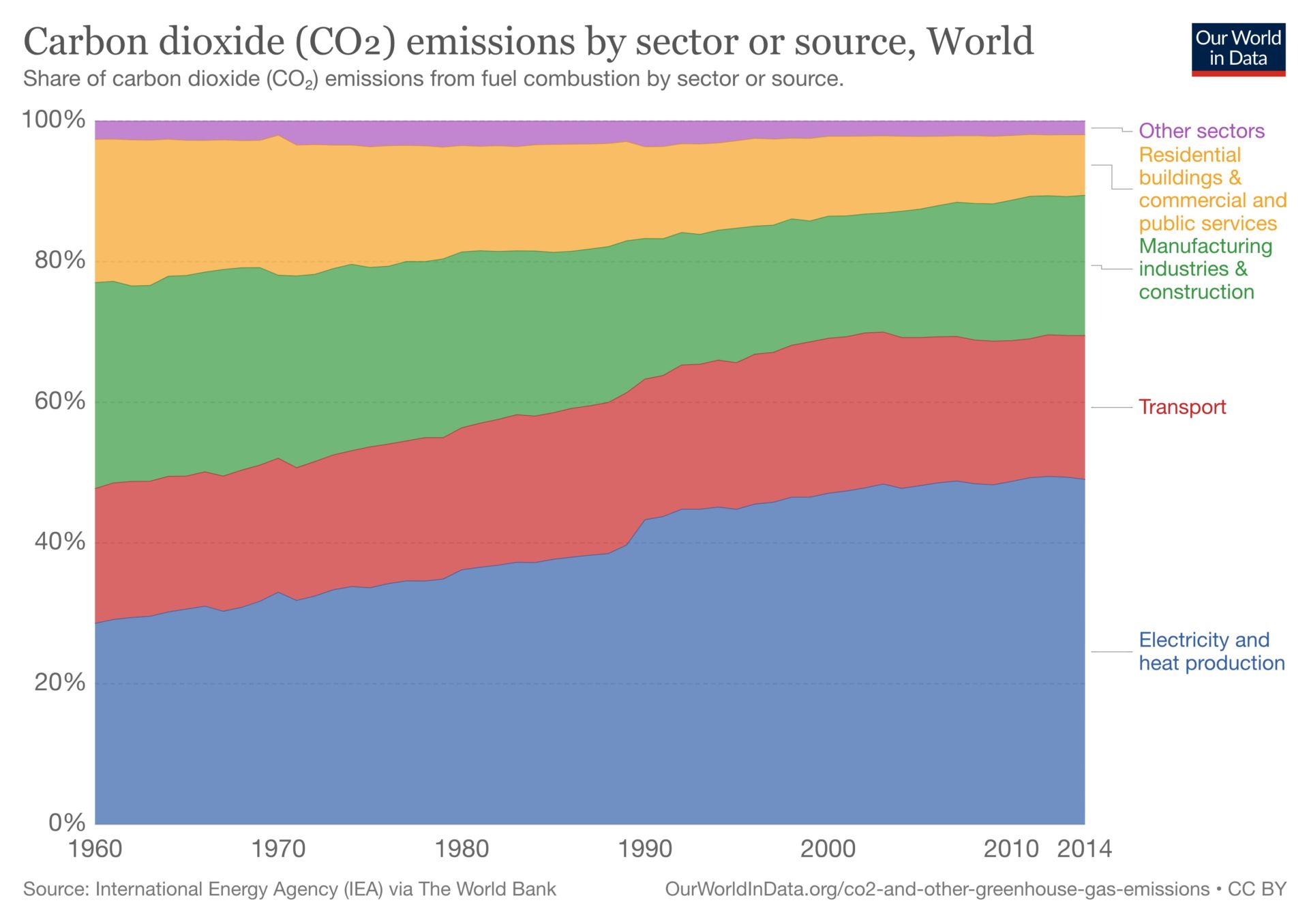
It seems that recently, we hear more and more that we need to stop eating meat, reject animal livestock production systems, and head for the black bean burgers. Now, I am certainly in full agreement that livestock production, in the industrial, factory farm context is extremely detrimental to the health of the animals, ourselves and our environment. It has been demonstrated that beef production alone requires more land and contributes to more greenhouse gas emissions than pork, chicken, and fish combined. Furthermore, the agriculture sector emits significant amounts of greenhouse gas emissions, comparable to the entirety of all planes, trains, and automobiles combined. So, make no mistake, finding solutions to climate change is inherently connected to agriculture, and livestock production.
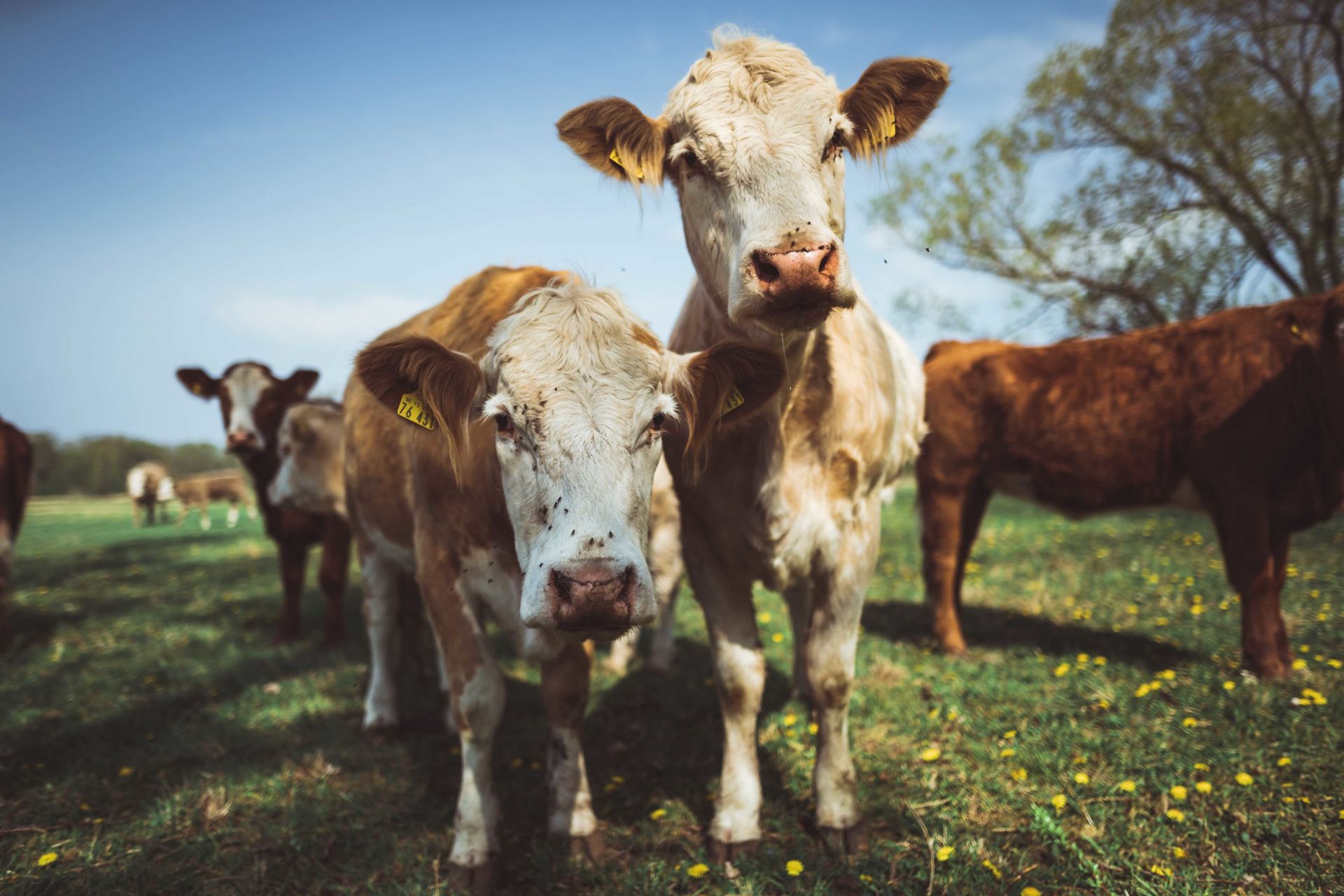
The impacts on climate change from the industrial livestock production and the animals in it are vast, but the context of their management system matters. The real culprit is not the animals themselves, but the industrial, high density, corn-consuming, excessive anti-biotic and growth hormone using, poor waste managing, livestock production system. Therefore, I am here to speak in defense of cows.
Related Articles: Measuring Progress Towards Sustainable Agriculture | Swimming Against the Current: Sustainable Agriculture in an Age of Commercial Farming
From an environmental and human health perspective, we could certainly do with less meat in our grocery stores and in our diets, but to abolish animals from our production systems entirely would have grave impacts on our capacity to produce food sustainably and address SDG Goal #2: Zero Hunger. So, in which context can animals be critical to eliminating hunger and preserving the environment?
The Problems of Industrial Livestock Production
Well, in short, it is not the industrialized animal agriculture context. In this context, livestock production is conducted in extremely high population densities (without rotation), with minimal biodiversity (in most cases, a single species), poor sanitation and living conditions, only to be ameliorated with anti-biotics and hormones, with an overall heavy reliance on fossil fuels to transport feedstock in, and ship waste and finished animal products out. The high concentration of waste typically is not managed properly, leading to run-off into our rivers, which results in massive algal blooms, eutrophication, and collapsed eco-systems in our oceans. Essentially, the only benefit to this production system is a high amount of food produced in a small area, resulting in meat products that are cheap and affordable.
What if the solution is as easy as eating less of the bad, and paying more for the good?
Which begs the question. Would you be willing to pay for a different kind of production system, one that manages animals properly? A system that can produce more calories on less land, with less emissions and environmental degradation, with improved animal welfare, and working conditions for farmers. What if the solution is as easy as eating less of the bad, and paying more for the good?
The Benefits of Animal Integration in Regenerative Agriculture
The reality is that this farming system exists. It exists under the umbrella of various names and movements, including regenerative agriculture, holistic management, and/or agroecology. The basis of these sustainable agriculture systems is to mimic natural patterns and ecosystems. Natural eco-systems have been functioning for a very long time without human intervention. I’d say they are the pinnacle of sustainable success, so why wouldn’t we want to base our agricultural systems after them?

In this regenerative agricultural context, multiple species of animals are included and rotated to serve a niche for the other. For example, Joel Salatin’s cow-chicken-grass integrated rotational model shows us how cows can graze in a “paddock” for a period of “stay,” and then rotated, allowing “rest” for the grass. Then the chickens come on to that same paddock of grass after the cows to scratch through the cow patties for grubs, leading to manure dispersal (something industrial agriculture relies on machinery, energy and fossil fuels to do), and thus allows for an in situ nutrient cycling program that allows the grass to regenerate abundantly before the cows return. On and on this repeats, with minimal inputs and no fossil fuel-based emissions, nor wasted output. On the same piece of land, you can grow grass (or hay), beef, chicken, and eggs. This is why the integration of animals is so vital to sustainable food production and a diversified diet.
Nutrient cycling and biodiversity are just a couple benefits to this management system. There are several other benefits to animal integration, and these include: fossil-fuel-free transportation and labor on the farm, converting foods that are inedible to humans (e.g., high cellulose grasses) into a source of food for humans, provide pest control (e.g., poultry eating insects), aid in decomposition (e.g., pigs eating dropped fruit that would typically rot and host bacterial/fungal pathogens), and can be used for energy generation (e.g., anaerobic digester creating biogas). There are several benefits and niches that animals can serve in bolstering food production, and to completely write them off and vilify them because of improper management seems illogical. The context of their management system matters.
Cows — The Cause or Solution of Desertification
For example, desertification is a massive issue globally where natural landscapes are becoming more and more arid, losing moisture and primary production, and subsequently leading to the loss of their eco-systems. By and large, the villain in the blight of desertification has been, the cow. Its overgrazing tendencies scrape the earth bare, leaving very little vegetation behind, leading to minimal moisture retention and carbon sequestration capabilities of the land. Thus, the end result, a desert.
But imagine your surprise, when a leading ecologist, Allan Savory, suggests that the solution to desertification is in fact the same exact thing that every other scientist is saying is the issue, the cow.
To summarize Savory’s point, the issue isn’t the cow. It’s the management system. Overgrazing is a product of cows being left in the same area for extended periods of stay, if not indefinitely. However, as Savory suggests, we need to rotate these cows frequently, with short periods of stay, in a high intensity rotational grazing system, known as holistic management, which mimics migratory herds of buffalo across the Northern plains, or elephants across the Savanna. By doing this, we can ensure the grass is never eaten bare, leaving it to regenerate through natural fertilization (e.g., the feces of the ruminants), giving it the capacity to be lush, retain more water and store more carbon. Thus, livestock can encourage the retention and redemption of natural landscapes, as well as mitigate climate change.
Context Matters — Support Sustainable Farming Systems
Animals and livestock production are not the issue, but the industrial high jacking of their management is.
The context of the management system matters. Animals and livestock production are not the issue, but the industrial high jacking of their management is. But, let’s face it, animal production and consumption aren’t going anywhere. Especially with the advancement of developing nations (Levels 1 and 2), acquiring a Western-style appetite for a more meat intensive diet.
This is why I believe that the people who are the most motivated by these issues of animal welfare, environmental restoration and sustainable agriculture; the vegans, the plant-based athletes and the environmental activists, should not just entirely abstain from the “meat debate,” but be proactive in the support of those farmers that do it right. These are the farmers that are mimicking their agricultural systems after ecological processes, practicing regenerative agriculture, and integrating animals into their sustainable systems so that we can achieve SDG#2: Zero Hunger.