The whole world needs to adapt and prepare for climate change.
The problem is, lower-income and less developed countries are often unable and unprepared to do so, as The University of Notre Dame’s Global Adaptation Initiative Country Index shows. These poorer nations face a double-bind: They urgently need to build climate resilience — but they tend to have fewer resources, and often lack the necessary institutional capacity and financing to do so.
The Loss and Damage Fund established at COP27 means there’s new money on the table. That’s a start. But in reality the gap between adaptation funding needs and available financing has drastically increased in recent years.
While Norway is among the most ready and least vulnerable, Chad is notably vulnerable to, and unprepared for, climate change, as The University of Notre Dame’s ND-GAIN data shows.
There are also inequalities between individuals and social groups when it comes to climate change vulnerability and resilience.
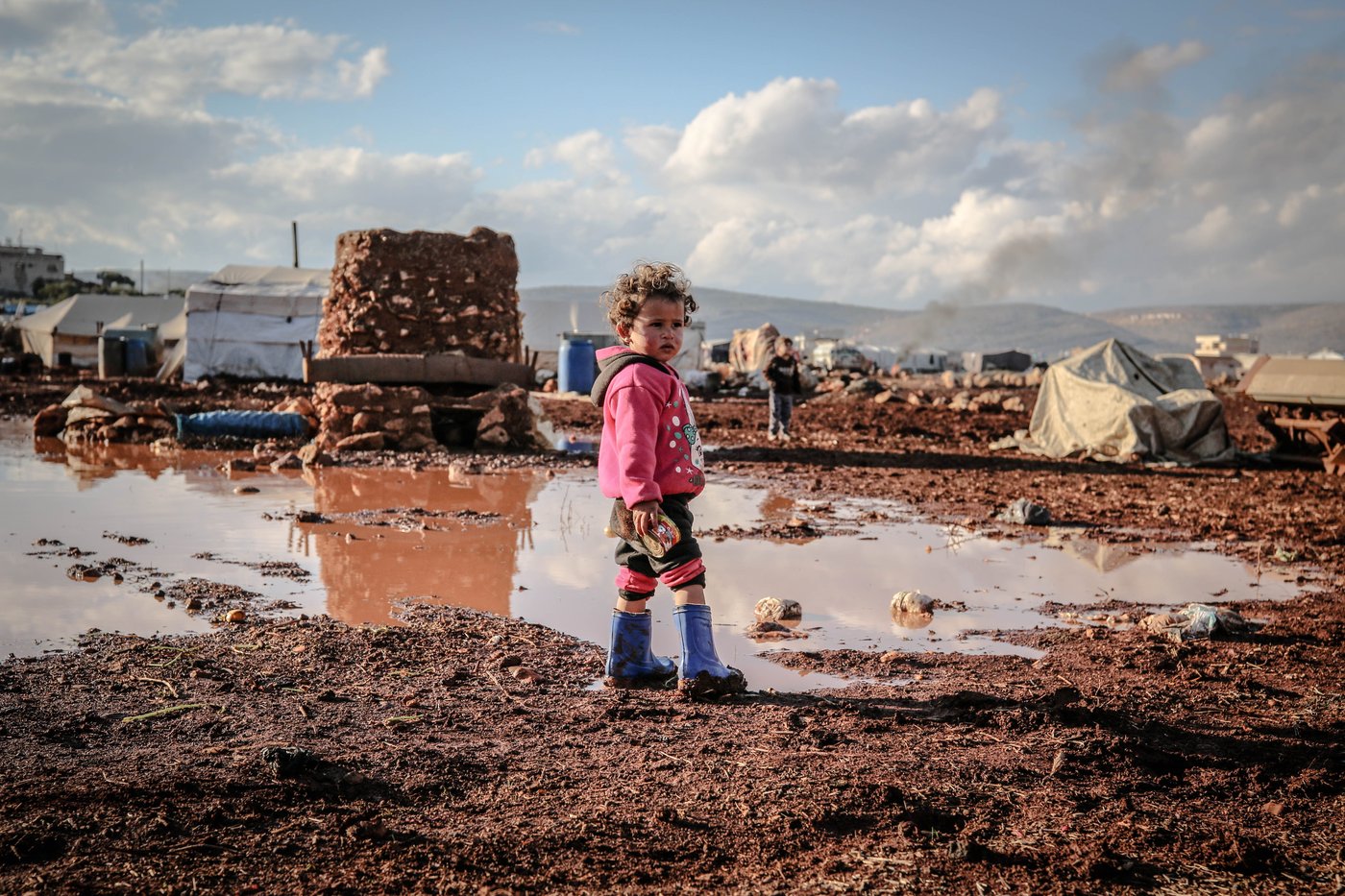
Broadly, poor individuals and communities tend to be less resilient, as their economic status often means they have limited adaptive capacity. Those who are economically, culturally, politically, institutionally, or otherwise marginalised are especially vulnerable to climate change. This can include women, the elderly, young people and Indigenous populations.
Marginalised groups generally have less access to information and resources, which makes coping and rebuilding after a crisis more challenging. Discriminatory laws and social norms also mean some groups typically have less access to employment and when weather patterns change, they are less able to adapt their livelihoods and recover.
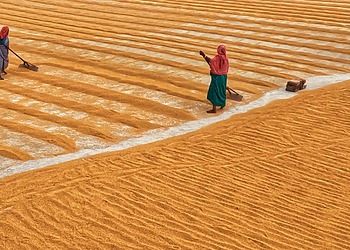
Groups whose livelihood is dependent on agriculture, are often among the most vulnerable to climate change. With rice supply under threat from droughts caused by El Nino, for example, the livelihoods of some farmers in Indonesia, India and elsewhere is in jeopardy. Food insecurity linked to climate-related crop failure can also cause malnutrition, especially in poor communities that have not yet adapted through food diversification and other measures.
Despite commitments, the international community doesn’t walk the talk
It’s clear that investment in climate resilience — and the closely related concept of climate adaptation — is needed. Ideally, every country would have comprehensive climate resilience and adaptation mechanisms that target the needs of disadvantaged groups.
But while vulnerable groups are acknowledged in key international agreements including the United Nations Convention on Climate Change, the Cancun Adaptation Framework and the Paris Agreement, national governments and international bodies don’t always walk the talk.
One out of six countries doesn’t yet have a National Adaptation Planning instrument — a key approach to climate resilience established under the Cancun Adaptation Framework.
Related Articles: The Link Between Climate Change, the Environment, and Our Health | Our Emissions Are Aggravating Almost 60% of All Infectious Diseases | Cholera and Climate Change: What’s the Link?
Many nations have adaptation and resilience plans that don’t address the needs of disadvantaged populations: Two-third of climate adaptation communications make no reference to targeting vulnerable groups at all, the 2023 UN Adaptation Gap report found.
Other countries have plans for climate resilience that look comprehensive on paper, but fail to track outcomes. Australia, for instance, submitted a national adaptation plan to the UN in 2021, yet it doesn’t contain a mechanism to ensure progress on adaptation measures happens, nor does it state how often the assessments should occur.
Solutions are endless, but start with investment
Addressing these shortcomings is impossible without adequate investment.
Climate resilience is grossly underfunded. The gap between what’s needed and what’s being pledged is a staggering US$194-366 billion per year, the 2023 UN Adaptation Report found.
The Loss and Damage fund agreed upon at COP27 in 2022 is a step forward. But that fund will need to embrace more innovative financing mechanisms such as debt relief, taxation and debt swaps to reach the necessary scale of investment.
Climate resilience measures including National Action Plans are also of limited use if they fail to consistently measure outcomes, including impacts on vulnerable groups.
Countries could also better meet the needs of disinvited and vulnerable groups by engaging and integrating those groups’ experiences in resilience planning.
The need to better integrate Indigenous knowledge about nature, land use and fire management is becoming better recognised. Along similar lines, climate resilience planning must engage with disability communities. The consequences of sidelining disabled voices in climate action can be dramatic: Bangladesh’s 2022 floods, for example, highlighted how people with disabilities face disproportioned difficulties when evacuating disaster areas and accessing services and infrastructure when disability-inclusive climate resilience planning is overlooked.
Outside the formal national adaptation plan process, climate resilience can be built in a range of ways — within communities, and across public and private sectors. There is no one-size-fits-all approach to climate resilience planning, as the needs of vulnerable group differ between regions and countries. What’s clear is that a range of sectors including agriculture, food and waste, health, energy, transport and building all have important roles to play.
Likewise, improving or increasing affordable housing can help reduce the poorest individuals’ vulnerability to extreme weather.
Healthcare systems must also prepare for an increased burden of human ill-health from climate change, especially in developing countries with low income. As climate change increases the spread of various infectious diseases, vaccines remain among the most effective vulnerability reduction measures for health.
Displacement and migration as a result of climate change is on the rise and will increase with time. As is the case in the Indian Sunderbans, the poorest residents often most urgently need to locate, but many feel they have nowhere to go, or report feeling overlooked in government assistance packages. Expanding opportunities for mobility can reduce vulnerability for such populations.
Including migration in National Adaptation Plans can play an important role in achieving this, but there is much to be done in this space. For example, National Adaptation Plans currently generally provide little detail on how to facilitate migration when needed. Thus, instead of just preventing unwanted ‘distress migration’ displacement, National Adaptation Plans could better focus on facilitating beneficial movements that enable better adjustment to the impacts of climate change.
Ultimately, without a lens of vulnerability — and active efforts to target the build resilience of the most disadvantaged — adaptation action can instead lead to maladaptation, and can lose credibility, relevance and legitimacy.
** **
This article was originally published by 360info™.
Editor’s Note: The opinions expressed here by the authors are their own, not those of Impakter.com — Featured Photo Credit: Ahmed Akacha.