
In September of this year, Sweden’s Environmental Protection Agency (Naturvårdsverket) submitted a report to the Swedish Ministry of Climate and Food outlining a series of proposals aiming to reduce Sweden’s methane emissions.
Cutting methane emissions is crucial. As the US Environmental Protection Agency (EMA) writes:
“Methane is the second most abundant anthropogenic GHG after carbon dioxide (CO2), accounting for about 20 percent of global emissions. Methane is more than 25 times as potent as carbon dioxide at trapping heat in the atmosphere.” (bolding added)
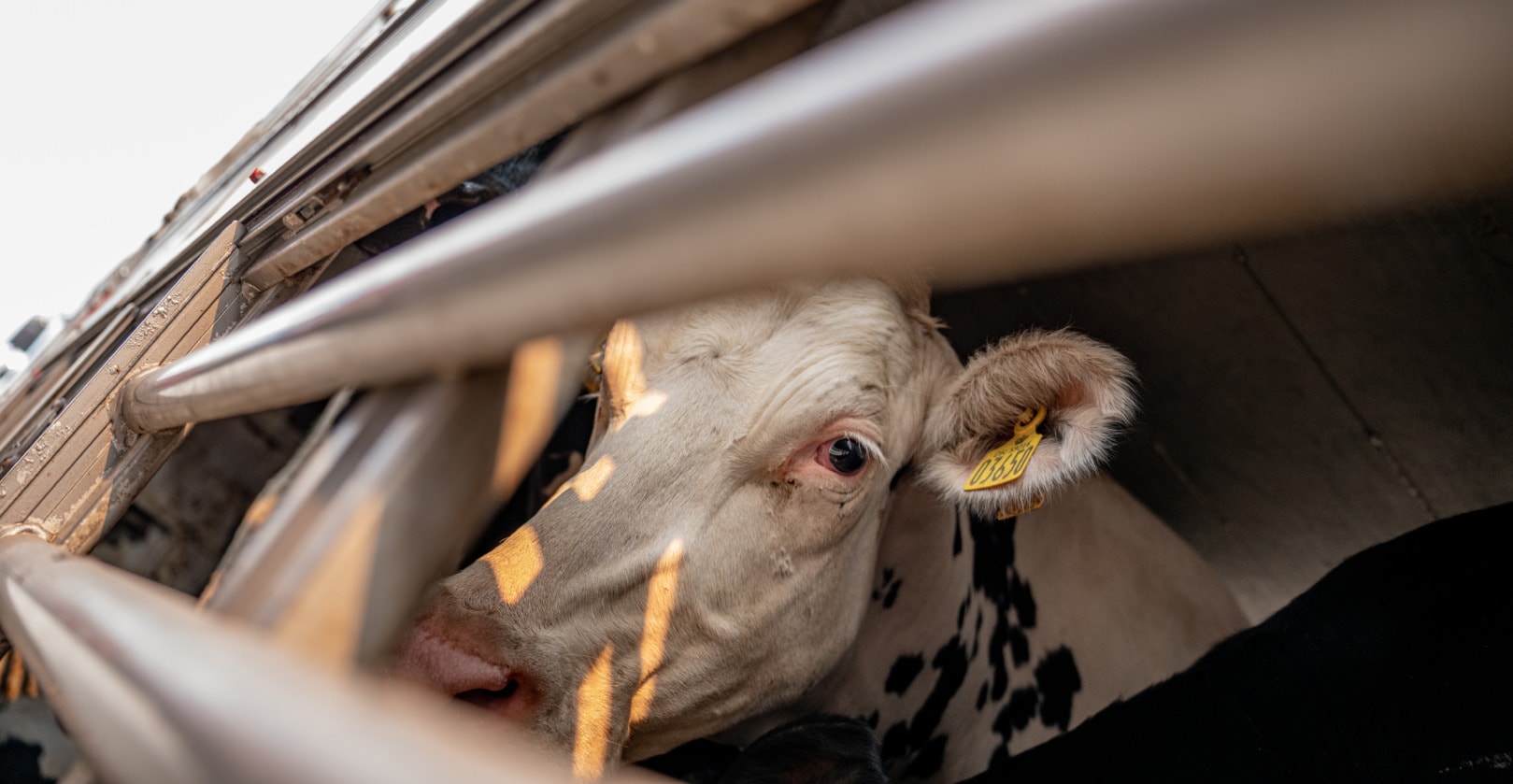
What’s more, the EMA says, just one cow “produces between 154 to 264 pounds of methane gas per year,” which means that, globally, cattle emit at least 231 billion pounds of methane into the atmosphere each year.”
Given this, the Swedish Environmental Protection Agency’s report asks that the Swedish “government ensures long-term and effective investment support” [rough translation by the author] to implement methane reduction measures, and cites feed additives (“fodertillsatser”) that could reduce methane emissions from cattle.
In the report, the Swedish Environmental Protection Agency names “3-nitrooxypropanol (3-NOP)” as an additive that could “reduce methane emissions by an average of about 30 percent in dairy cows and by 45 percent in cattle for meat production.” [rough translation by the author]
The report also promotes Bovaer® — a product containing 3-NOP manufactured by DSM, a global company focused on innovative nutrition.
Among the cattle feed additives was also red algae (“rödalger”). According to certain manufacturers, the report says, giving cattle a daily dose of red algae Asparagopsis (“Rödalgen Asparagopsis”) could reduce methane emissions by “up to 90%.”
This isn’t the first time seaweed has been thought to slash methane emissions. Seaweed has already been said by Australian researchers to minimise methane production. In the scientific research journal PLOS ONE, an article published in 2021 explains that “Asparagopsis taxiformis” (seaweed) was proven to be “the most promising species” with regard to reducing methane emissions — the algae produced a “98.9% reduction of CH4” (methane).
One Australian trial, however, showed disappointing results. After feeding a select number of cattle the seaweed supplement for 300 days, only a 28% decrease in methane emissions was reported. Yet, Dr Rob Kinley, chief scientist at leading Asparagopsis seaweed manufacturer FutureFeed, said this was still to “be celebrated,” and is “confident other trials would deliver far higher reductions.”
While the Swedish Environmental Protection Agency’s report states that “significantly more knowledge is needed when it comes to optimising the cultivation and use of red algae,” some Swedish organisations have already started to use the substance in innovative ways.
Red algae is already being used to slash methane emissions in Sweden
One Swedish start-up that has already implemented the use of red algae in cattle feed additives is Volta Greentech, co-founded by Fredrik Åkerman, Leo Wezelius and Angelo Demeter, the report noted.
According to FeedNavigator, a news outlet on animal feed and nutrition, a trial pioneered by Volta Greentech on a “commercial farm in Sweden” showed that red algae “reduced over 80% of methane (CH4) emissions from beef cows.”
Related Article: Alga biosciences – Reducing Cow Burps To Help The Planet | Why Reducing Methane Emissions Is Key to Sovling the Climate Crisis
By fixing a methane detector on the farm, the trial shows the difference in methane emissions before and after feeding the cattle the red algae additive. Their data is then sent to a third party for verification, reports the Guardian.
Following “several commercial pilot projects” for the feed additive, Volta Greentech created Lome Beef: “a special food experience filled with rich flavor, story, and an important message.” (bolding added)
Lome™ (Low On Methane) beef is made from cattle grazed on “groundbreaking seaweed-based feed supplements to reduce methane emissions in beef cattle and lower the climate footprint.”
The Volta Greentech website claims that “by providing farmers with an entirely natural seaweed-based feed supplement Lome™ to drastically reduce the methane emissions produced by dairy cows and beef cattle, Volta Greentech is supporting the agriculture sector in taking a massive leap in going sustainable.”
After a collaboration between Volta Greentech, supermarket chain Coop Sweden and food company Protos, writes European Supermarket Magazine (ESM), Lome Beef is now also available in certain Swedish Coop stores.
A focusing of green efforts on cattle
So, we might be able to significantly slash methane emissions produced by cows by feeding them seaweed-based feed additives – but why not promote veganism or introduce a meat tax to accelerate the process?
The Washington Post reported that New Zealand “proposed a first-in-the-world tax on cow emissions” last year, which is expected to cut methane emissions “by as much as 47 percent by 2050.” The money raised by the tax would then be used for environmental research.
Moreover, climate warrior Greta Thunberg urges people to go vegan in her short film For Nature, and the United Nations’ Intergovernmental Panel on Climate Change state in their report, Climate Change 2022: Mitigation of Climate Change, that “studies demonstrate that a shift to diets rich in plant-based foods […] could lead to substantial reduction of greenhouse gas emissions as compared to current dietary patterns in most industrialised countries.”
Volta Greentech CEO and co-founder Fredrik Åkerman, however, believes that we don’t have time to convince people that veganism works:
“To lower the consumption of meat and dairy products is a good and obvious solution, but at scale that transition in consumer behaviour would take more time than we have.”
He added that, while “we are on our way to electrifying the transport sector and we know how to produce green electricity, we don’t know how to handle methane emissions from cows.”
This is where red algae feed additives and Lome Beef comes in. Åkerman told Green Start-Up:
“The 1.5 billion cows on the planet produce 5 percent of global greenhouse gas emissions, twice the amount of the world’s airplanes. We have now shown that our seaweed has the potential to reduce a large part of those emissions. The market potential and the impact we can achieve with this solution is huge.” (bolding added)
So, Lome Beef is proven to be a greener alternative to regular beef and is available in Swedish supermarkets. The only hold-up, says Åkerman, is “[maintaining] profitability” without “incentives.” This is why “policy development is very important,” he notes.
Perhaps, then, the inclusion of Volta Greentech’s upcoming sustainable meat product in the Environmental Protection Agency’s report is a step forward.
If the Swedish government decides to honour the agency’s requests, we may see start-ups like Volta Greentech and the use of seaweed in cattle feeding gain traction quicker than ever.
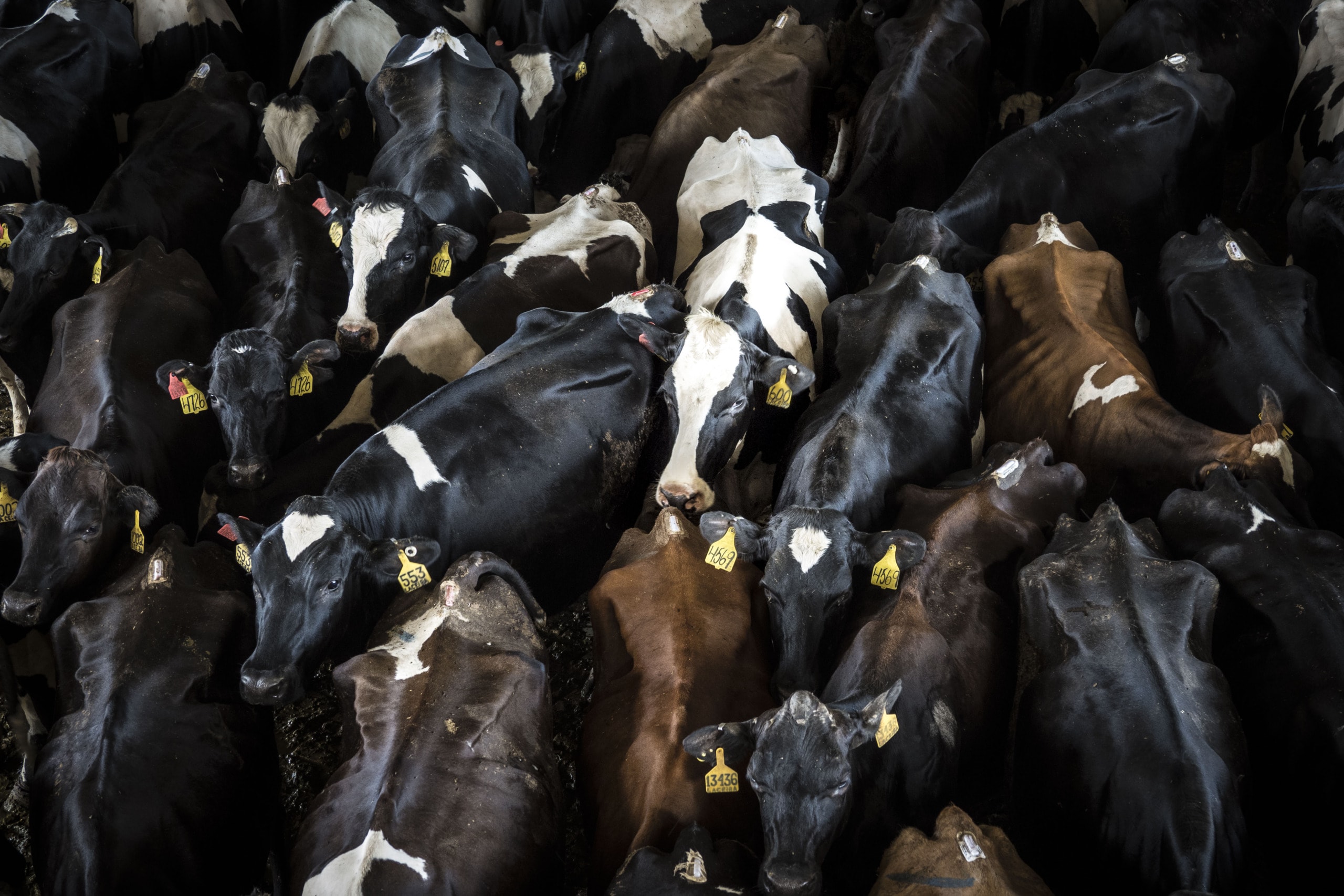
Editor’s Note: The opinions expressed here by the authors are their own, not those of Impakter.com — In the Featured Photo: Cows at Vaqueria Ceiba Del Mar, in Arecibo, Puerto Rico, one of the largest dairy producers on the island and was a recipients of the new Dairy Assistance Program due to Hurricane Maria. The farm is also eligible for the Emergency Conservation Program. Featured Photo Credit: U.S. Department of Agriculture/USDA Photo/Preston Kere.