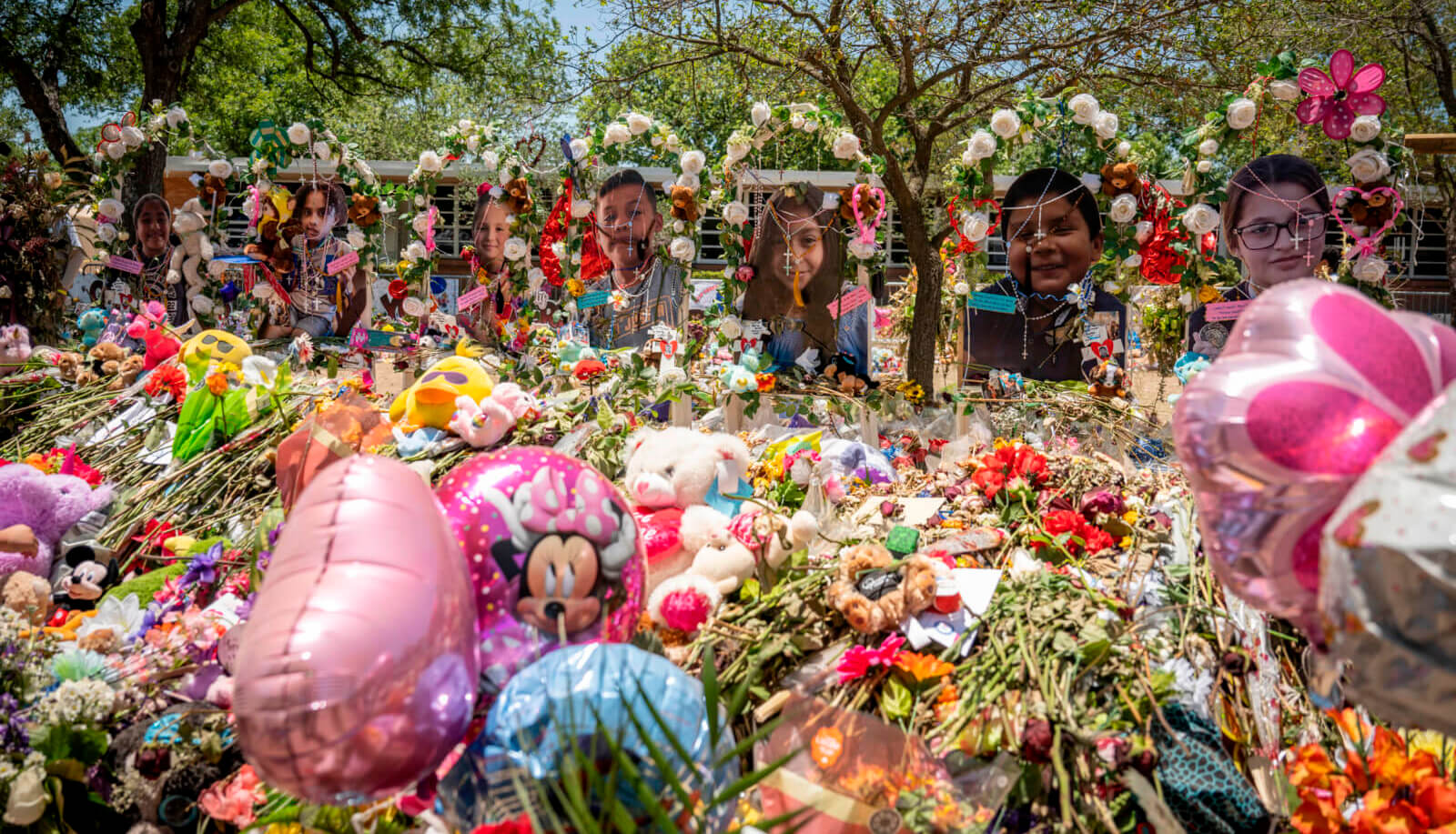

The greatest victims of gun violence in America are the children who bear much of the pain — physical, emotional, and developmental
The impact of guns in America, particularly their effect on children, is a significant challenge to public health, safety, and confidence in governance in the United States. Gun-related incidents here are far more widespread than in other countries of the Global North. It is a subject that gets the attention of the media and politicians after a shooting at a school or elsewhere, with compassionate “hearts and minds” expressions, an outpouring of tears and handwringing; but, in fact, not much happens in terms of adoption of more effective policies or actions.
Does it have to be so?
Overview of Gun Violence in America
The United States stands out globally with exceptionally high rates of gun ownership and gun-related deaths. About 393 million guns are estimated to be in civilian hands, which is more than the U.S. population. It leads to 4.31 gun-related deaths per 100,000 people in 2021, much higher than in many low-income countries, such as Bangladesh with 0.6 deaths per 100,000 people.
This pervasive presence of firearms, which has been historically and forcefully supported by the Second Amendment of the U. S. Constitution, combined with cultural attitudes toward gun ownership, differentiates the U.S. from most other developed nations, where gun ownership is generally more regulated, and gun-related incidents are less frequent. Indeed, they often have strict gun-control laws, comprehensive mental health support, and lower rates of firearm availability, all of which contribute to decreased gun violence.

Health Impacts of Gun Violence on Children
Children and adolescents face vulnerabilities that are not solely physical but also have serious psychological, social, and emotional effects. Childhood trauma exposure, such as domestic violence, even community violence, when guns are involved, may increase the risk for future aggression by the grown-up child.
Physical Health Impacts of Gun Violence
- Injury and Death: According to the Centers for Disease Control and Prevention (CDC), firearms were involved in more than 4,300 deaths among children and adolescents aged 0-19 in 2020, with significant numbers of those being homicides, and likely figures for later years are no better.
- Unintentional Shootings: Many gun-related incidents among children involve accidental shootings. Poor firearm storage practices and a lack of education can lead to tragic accidents. To combat such accidents, initiatives that promote gun safety education and responsible storage practices are critical.
What is relevant and disconcerting is that, after the passage of the “One Big Beautiful Budget Bill” (OBBB)” this summer, there is now a proposal to reduce funding for the Bureau of Alcohol, Tobacco, Firearms, and Explosives (ATF) by $468 million, equivalent to 29%of its budget. This is important in that ATF firearms experts provide crucial support to local and state law enforcement agencies.
Psychological Impacts on the Individual
- Trauma and Mental Health Disorders: Exposure to gun violence can lead to profound psychological impacts on children. Those who witness or experience such violence may develop post-traumatic stress disorder (PTSD), anxiety, depression, and other mental health issues. For teenagers especially, gun violence has the further corrosive effect of distorting who has power, suggesting an unfortunate future role model.
- Developmental Disruptions: Children living in communities with high rates of gun violence experience chronic stress, which can hinder their development. This may affect cognitive functioning, school performance, and social interactions, creating a cycle of increasing disadvantage.
- Fear and Anxiety: Children in areas affected by gun violence often live in fear of victimization. This persistent anxiety can affect their capacity to engage in everyday activities, including education and socialization, and can contribute to a larger public health crisis marked by mental health disparities.
Psychological Impacts on Communities and Family Dynamics
Gun violence not only immediately affects the individual child but also has implications for the child’s future life, given the impact on communities, healthcare systems, and the economy.
- Displacement and Instability: Communities fraught with gun violence often force families to move to escape violence, disrupting education, social services, and family-support systems.
- Economic Implications: For affected families and communities, the costs associated with medical care, legal proceedings, and loss of productivity strain the local economy.
- School Safety: The prevalence of gun violence has led to heightened security measures in schools, with lockdown drills for children and the hiring of armed security personnel. (Some jurisdictions now have teachers carrying weapons in classrooms). While intended to protect children, these measures contribute to an overall climate of fear and anxiety.

Gun Violence in America and in Other Countries
In many countries, strict gun control laws, comprehensive mental health support, and lower rates of firearm availability contribute to decreased gun violence. The contrast between the U.S. and other countries that have successfully minimized gun-related incidents is dramatic. Comprehensive data come from a massive database maintained by the University of Washington’s Institute for Health Metrics and Evaluation, which tracks lives lost in every country, in every year, by every possible cause of death.

Below are examples of specific OECD countries that successfully pursue positive approaches:
- Gun Control Policies: Australia and the United Kingdom have implemented stringent gun control measures following instances of mass shootings. These measures include mandatory buybacks, restrictions on semi-automatic firearms, and comprehensive background checks.
- Public Health Approaches: Countries with lower rates of gun violence often employ public-health approaches, focusing on prevention and education regarding gun safety. For instance, Canada prioritizes mental health resources and community engagement to mitigate the risks associated with gun violence.
- Cultural Attitudes: Societal attitudes toward guns shape national policies and the extent to which they are adhered to. In nations with significantly lower tolerance for gun ownership and more extensive condemnation of gun violence, such as Japan, firearm possession is often viewed as strictly limited by regulation, and not as a symbol of personal freedom. As mentioned in the United States the right to bear arms encased in the Second Amendment has very much shaped America.
Related Articles: Why Gun Ownership in Switzerland Is Not the Same in the US | Gun Ownership Laws and Policies: Has This Largely Fallen Off the Global Radar? | Guns In America: Is It Freedom? | Could US Gun Policy Start to Change? | US Gun Industry Sued for Fueling Mexican Gangs | Guns Go Permitless in Texas: First Results
Potential Solutions and Policies
If there were to be political and sufficient public clamor, there are a suite of proactive steps to consider, consistent with the Second Amendment strictures on the right to bear arms, which could include legislative action, community engagement, and increased mental health resources.
Legislative Measures
- Universal Background Checks: Implementing universal background checks for all gun purchases would help prevent firearms from falling into the hands of those who might have relevant criminal records or mental conditions. The checks should apply to gun shows, private sales, and online transactions.
- Red Flag Laws: Red flag laws allow law enforcement or family members to petition for the temporary removal of firearms from individuals deemed a threat to themselves or others. These laws can help prevent suicides and violent incidents.
- Safe Storage Requirements: Regulations mandating safe storage of firearms can prevent unintentional shootings among children. These laws should come alongside educational campaigns promoting responsible gun ownership.
Community Education and Engagement
- Gun Safety Education: Initiatives focused on educating gun owners about safe storage practices and gun handling would help prevent accidents. Programs should engage families, schools, and communities, each of which is essential for raising awareness.
- Mental Health Resources: Increasing access to mental health resources for children and families affected by gun violence is vital. Support services, counseling, and community programs can help mitigate the psychological impact of trauma.
- Community Partnership: Collaborating with local organizations, schools, and healthcare providers can create a network of support for communities impacted by gun violence. Programs that foster resilience and community cohesion can counteract the effects of gun-related trauma.
Research and Data Collection on Gun Violence in America
Investing in research to assess the breadth of health impacts of gun violence would then inform policies and interventions. Comprehensive data collection on gun-related injuries, deaths, and their psychological effects can guide evidence-based policies tailored to community needs.
America needs to do better
The high rates of gun-related injuries and deaths, especially for children and the young, coupled with profound psychological consequences on them and their caregivers, underline the need for comprehensive solutions that span legislative, educational, and community initiatives.
There are many experiences in other nations that can be adapted to the U.S., ones that provide valuable insights into how to design and implement effective strategies in reducing gun violence and improving public health outcomes for future generations. The long-term answer to urban gun violence and related crime is not to put more guns on the street by adding a military presence. Rather, it is by investing in the kinds of solutions described above.
Editor’s Note: The opinions expressed here by the authors are their own, not those of Impakter.com — In the Cover Photo: A memorial site commemorating the victims of the Robb Elementary School shooting, which killed 19 children and two teachers, Uvalde, Texas, June 6, 2022. Cover Photo Credit: U.S. Department of Homeland Security (DHS).