

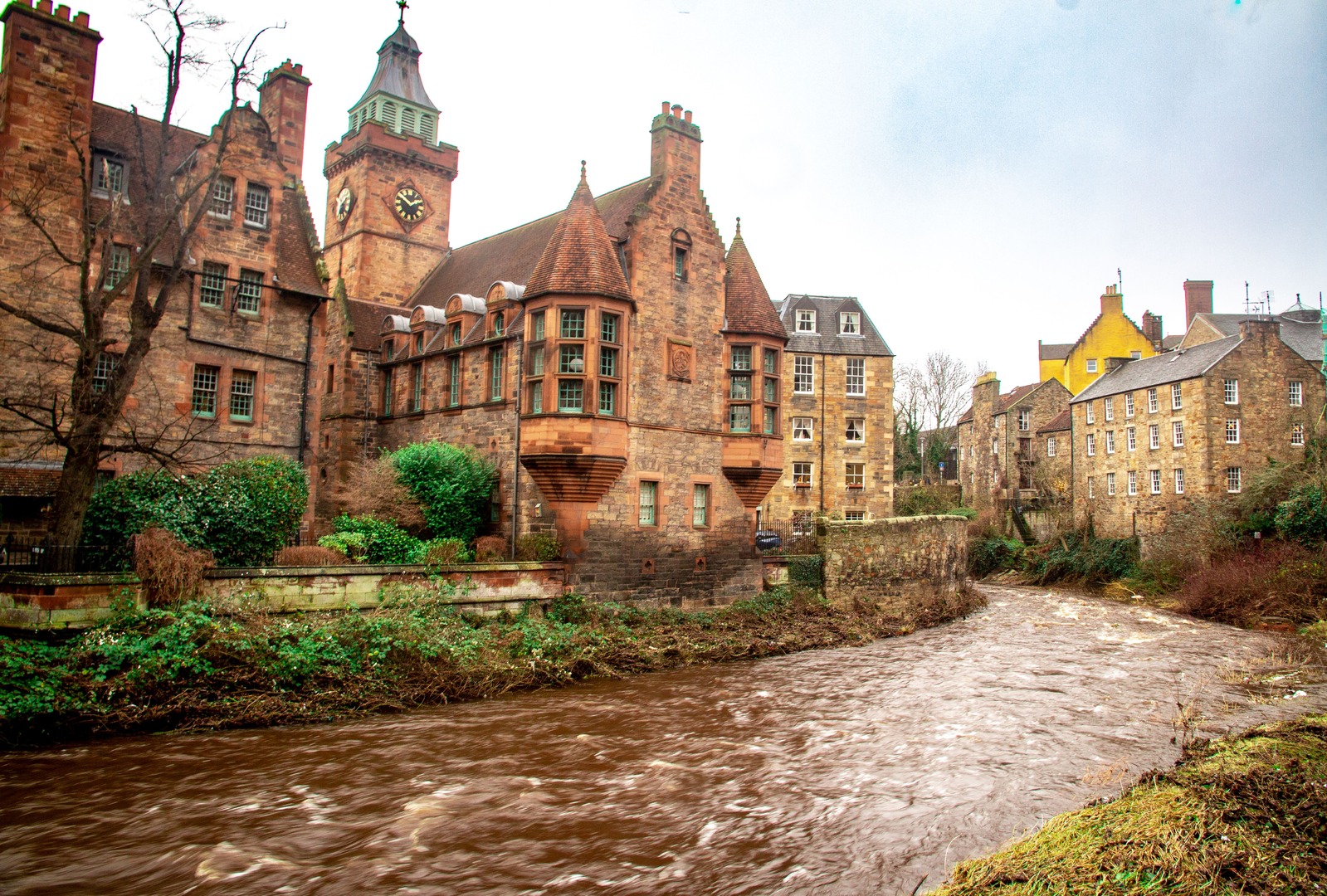
Every old building needs upkeep, but the type of work that’s now required looks very different from what it did a decade ago. Weather across the UK has grown more extreme, and listed properties are taking the worst of it. According to the Environment Agency’s 2024 National Assessment of Flood Risk, around 6.3 million properties in England sit in areas prone to flooding from rivers, the sea or surface water, and that number could climb to eight million by 2050. A lot of heritage buildings went up centuries ago near rivers or along coastlines, which puts them right in the firing line.
When damage hits, the repair bill stacks up fast because every fix has to meet conservation standards, use approved materials and, in most cases, get listed building consent before anyone picks up a trowel. So what does all of this actually mean for the people who own these buildings, and how will it change the way insurance works for them?
Flood risk and the cost of conservation repairs
Flooding in the UK isn’t a new problem, but it’s getting worse at a pace that’s hard to ignore. The Met Office’s UKCP18 climate projections estimate that winter rainfall could increase by up to 24% by 2099, depending on emissions levels, and that extreme hourly rainfall intensity could jump by 25% by the 2070s. Heritage buildings, many of which were originally built in low-lying spots close to rivers or harbours, will bear the brunt of that increase as it arrives.
What really drives up the cost when a listed building floods is the repair process itself. You can’t slap cement render or plastic fittings on a Grade II property, so everything has to be done with approved alternatives. Lime mortar, handmade bricks, traditional stonework, heritage-grade timber: all of it costs more and takes longer to source. A repair that might wrap up in two weeks on a modern house could easily drag on for months when conservation rules apply.
Historic England’s own guidance on flooding and historic buildings also flags the need for specialist drying techniques, because aggressive modern drying methods can crack old plaster and wreck lime-based finishes beyond what the original water damage would have done.
Storm damage and heritage rebuild costs
Storms have become an increasingly serious issue for heritage buildings in exposed parts of the country. Storm Arwen in 2021 caused widespread damage to roofs, chimneys and stonework across northern England and Scotland, and older buildings came off particularly badly.
Once a roof needs fixing on a listed building, things can get complicated fast. Original slate, lead flashing and handmade clay tiles are often no longer manufactured in standard sizes, which means owners will either need to track them down from specialist suppliers or have them made to order. Planning law requires that the building’s character and appearance are maintained, so cheaper modern substitutes are rarely an option anyone can take.
The rebuild cost on a listed property can end up significantly higher than its market value, sometimes by hundreds of thousands of pounds once conservation-grade materials and listed building consent are factored in. That’s exactly why Intelligent Insurance listed building cover and similar specialist policies price around rebuild value instead of market price. It’s a distinction that matters more with each passing year as extreme weather pushes repair costs higher, and any owner whose policy is still based on market value is carrying a gap that will only widen as the climate worsens.
Where the pressure will build next
The problem for listed building owners goes well beyond individual repair bills. As flood maps get updated and climate projections become more detailed, some properties in high-risk zones will see premiums climbing or find it harder to arrange cover through standard insurers.
The Environment Agency’s 2024 assessment identifies 6.3 million properties at flood risk, up from 5.5 million in 2018. The biggest shift is in surface water flood risk, where improved modelling has revealed a 43% increase in affected properties compared to the previous assessment. On top of that, a UCL pilot study using UKCP18 climate projections found that expected annual damage to cultural heritage buildings from extreme rainfall events could increase three-to-four-fold by the end of the century, a finding that has serious implications for the UK’s 380,000-plus listed buildings.
Adapting these properties to cope with worse weather won’t be simple either. A modern home can have flood barriers installed, electrical sockets raised or flood-resistant plasterboard fitted without much fuss. A listed building often can’t do any of that without consent and a conservation officer’s sign-off on every single material choice, which can delay work by months.
Historic England has acknowledged this tension in its climate change strategy, noting that heritage properties require specialist care to adapt to increasingly severe weather events. Owners who maintain their buildings proactively, plan ahead and make sure their insurance reflects the true rebuild cost instead of the market price will be in a much stronger position. For everyone else who owns a listed property, the gap between what the climate will demand and what conservation rules will allow is only going to widen.
Editor’s Note: The opinions expressed here by the authors are their own, not those of impakter.com — Cover Photo Credit: Gever.