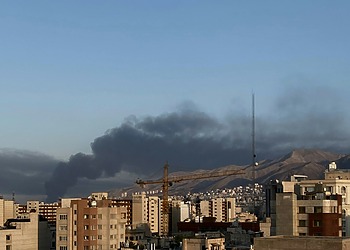
Air travel is one of the fastest-growing sources of greenhouse gas emissions. As passenger demand rebounds and global mobility continues to expand, policymakers and environmental experts have struggled with a difficult question: how can aviation reduce its climate impact without grounding flights or restricting travel?
A new study suggests the answer may lie in something far less disruptive.
Researchers from the University of Oxford found that global aviation emissions could be reduced dramatically through better use of aircraft, seating arrangements, and passenger capacity. According to the research, the global aviation industry could cut emissions by 50-75% without reducing the number of flights by maximizing operational efficiency.
The findings, published in the journal Communications Earth & Environment, suggest that significant emissions reductions may be possible using technologies and strategies that already exist today.
The study analyzed 27 million commercial flights from 2023, covering roughly 26,000 global routes and about 3.5 billion passengers. By examining aircraft type, passenger load, seating configuration, and flight distance, researchers calculated the carbon intensity of each route and identified where efficiency gains could be made.
The results reveal a striking reality: aviation emissions vary dramatically between flights performing similar journeys. Some routes generate nearly 900 grams of carbon dioxide per passenger per kilometer, while the most efficient flights emit around 30 grams per passenger per kilometer, nearly 30 times less.
These differences are not driven by distance alone. Instead, they are largely determined by operational choices made by airlines.
The Hidden Inefficiency in Air Travel
While aviation is often discussed as a single industry with a unified climate footprint, the study shows that how airlines operate their fleets matters just as much as how much they fly. Researchers identified three primary factors shaping the carbon intensity of flights:
Aircraft efficiency: Newer aircraft models burn significantly less fuel than older ones. Planes such as the Boeing 787-9 and Airbus A321neo can reduce fuel consumption by roughly 25–28% compared to older aircraft.
Passenger load factors: Flights that operate close to full capacity spread fuel consumption across more passengers, dramatically lowering emissions per person.
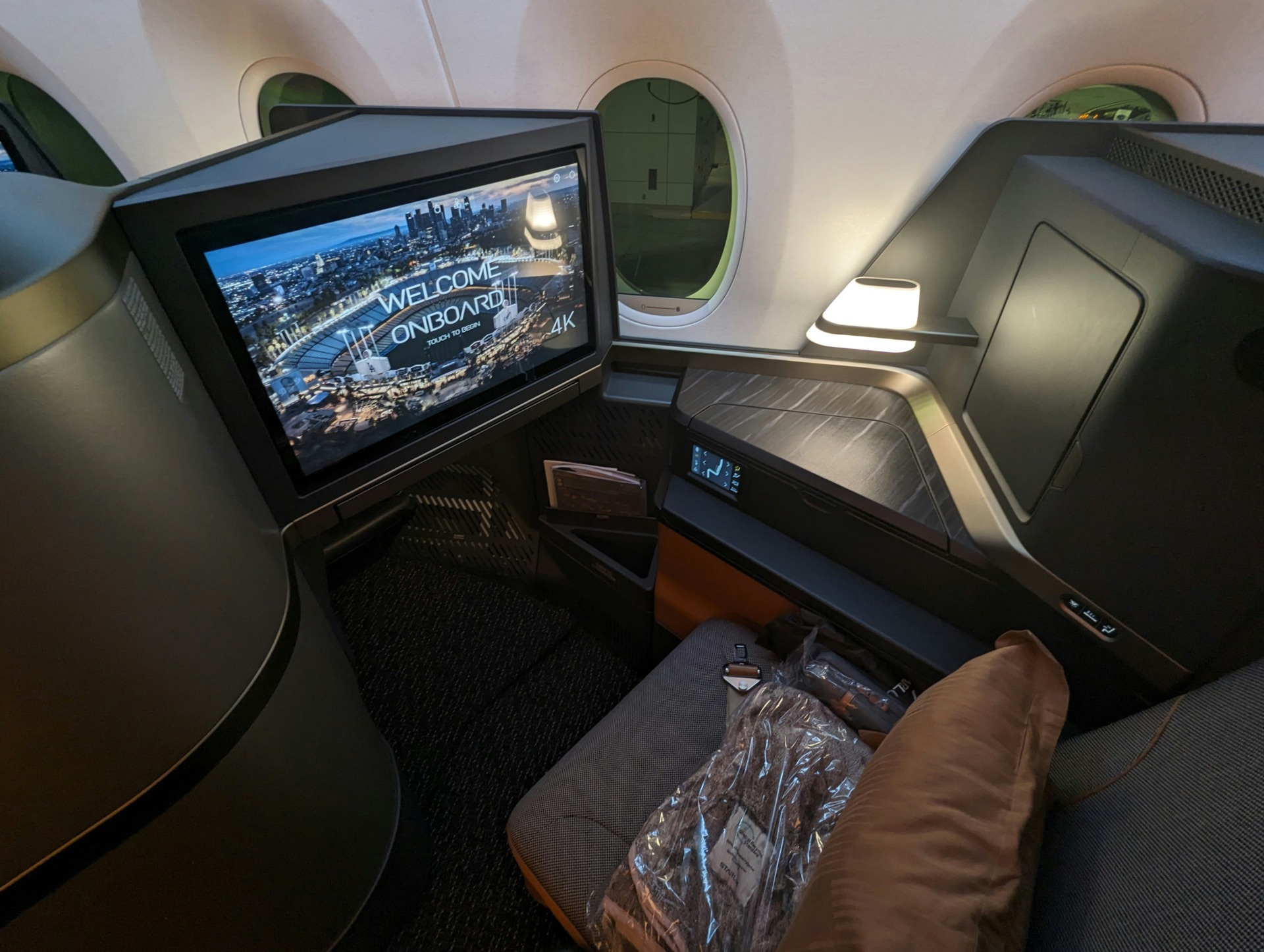
Seating configuration: Premium seating plays an unexpectedly large role in aviation emissions. Business- and first-class seats take up significantly more space, meaning fewer passengers share the aircraft’s fuel consumption. As a result, a passenger flying in business class can be responsible for up to five times more emissions than an economy passenger on the same flight.
When these factors combine, the climate impact of two similar flights can diverge significantly.
Immediate Reductions Are Already Possible
Perhaps the most striking conclusion of the research is how much change could happen immediately.
According to the study, airlines could reduce global aviation emissions by about 11% today by deploying their most fuel-efficient aircraft more strategically across existing routes. In many cases, airlines already own efficient aircraft but do not necessarily use them on routes where they would provide the greatest environmental benefit.
Beyond these short-term improvements, larger structural changes could unlock even deeper emissions reductions. If airlines adopted more efficient aircraft fleets, increased passenger load factors to around 95%, and relied primarily on economy-class seating layouts, global aviation emissions could be reduced by 50–75% per passenger.
Importantly, these reductions could occur without reducing the number of flights or limiting passenger demand.
Why Aviation Is So Difficult to Decarbonize
The aviation sector faces unique challenges in climate mitigation.
Unlike ground transportation, where electric vehicles are rapidly scaling, aircraft require extremely energy-dense fuels to operate safely over long distances. Alternative technologies such as hydrogen propulsion or battery-powered aircraft remain years, if not decades, away from widespread commercial deployment.
Sustainable aviation fuels (SAF) are often presented as a promising solution, but they remain expensive and limited in supply. Current production levels meet only a small fraction of global aviation fuel demand.
As a result, operational efficiency may represent one of the fastest and most practical pathways for near-term emissions reductions. The new research suggests that much of aviation’s carbon footprint stems not only from technological limitations, but from economic and commercial choices.
The Economic Trade-Off
If the solutions are already available, why have airlines not implemented them more aggressively? The answer lies largely in airline business models.
Premium seating — particularly business and first class — generates a significant share of airline revenue. Although these seats increase emissions per passenger, they are financially lucrative and help subsidize lower economy ticket prices.
Similarly, aircraft scheduling decisions often prioritize operational flexibility and profitability rather than environmental efficiency. Replacing older aircraft also requires major capital investment, and airlines typically operate planes for decades before retiring them.
These economic realities mean that even when efficiency improvements exist, they may not be adopted without policy incentives or regulatory pressure.
Related Articles
Here is a list of articles selected by our Editorial Board that have gained significant interest from the public:
Policy Could Accelerate the Shift
The study’s findings highlight a potential opportunity for policymakers seeking faster climate progress in aviation.
Rather than relying solely on long-term technological breakthroughs, governments could encourage immediate emissions reductions through measures such as:
- Carbon intensity standards for flights
- Incentives for deploying fuel-efficient aircraft
- Airport fees tied to aircraft efficiency
- Greater transparency around emissions per passenger
Such policies could push airlines toward operational practices that reduce emissions while maintaining global connectivity.
Aviation’s Climate Crossroads
Global air travel demand is projected to continue rising in the coming decades, particularly as middle-class populations expand across Asia, Africa, and Latin America. Without intervention, aviation emissions could grow significantly, complicating global efforts to limit warming. The new research suggests that part of the solution may already be within reach.
While long-term technologies like sustainable fuels and next-generation aircraft remain essential, improving how the industry uses its existing fleet could deliver substantial climate benefits in the near term. The challenge now is not whether efficiency gains are possible but whether the aviation industry and policymakers are willing to prioritize them. Reducing aviation emissions without reducing travel may sound ambitious, but according to the latest research, it may simply require flying smarter.
Editor’s Note: The opinions expressed here by the authors are their own, not those of impakter.com — Cover Photo Source: Maxim Kovalev.