Home maintenance is easiest when it happens before something breaks. A dripping pipe, loose roof shingle, malfunctioning sprinkler, or deteriorating seal may seem minor at first, yet small problems can become expensive when ignored. Regular inspections and timely repairs help homeowners protect structural components, improve everyday comfort, and keep important systems operating efficiently. Maintenance also provides an opportunity to notice gradual changes that are easy to overlook when you see your home every day. Instead of waiting for obvious damage, develop a routine that covers both indoor and outdoor areas. A little preventive attention throughout the year can reduce surprises and make homeownership considerably more manageable.
Keep Your Irrigation System Working Efficiently
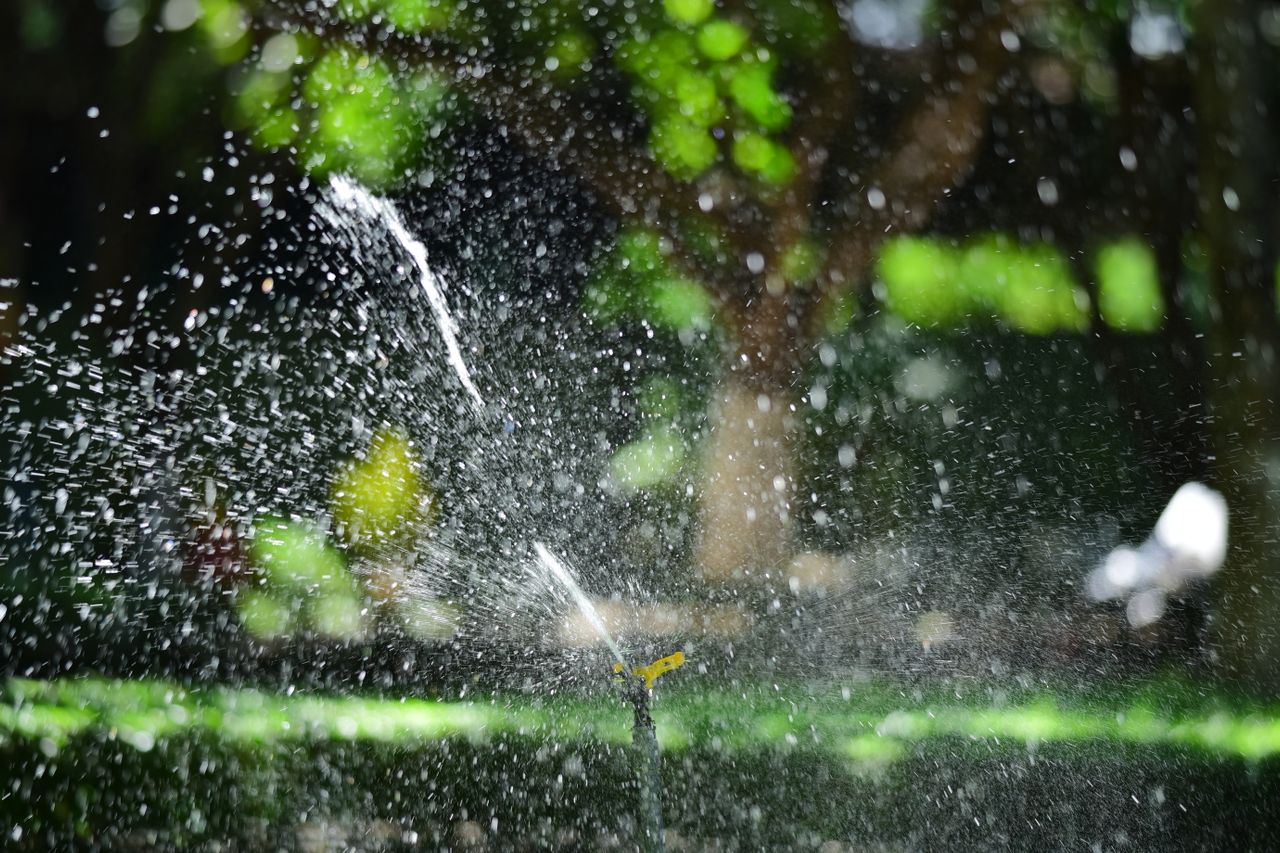
A sprinkler system can quietly develop problems long before the entire system stops working. Clogged or broken heads may create uneven coverage, while leaking components, damaged pipes, faulty timers, wiring problems, and inappropriate water pressure can interfere with normal operation.
Watch the lawn while the system runs occasionally instead of simply assuming every zone is functioning correctly. If you notice persistent dry patches, excessive water around individual heads, weak spray patterns, or unexplained increases in water use, landscape sprinkler repair may be worth considering. A professional system evaluation can examine components such as sprinkler heads, control valves, the water supply, and the controller to identify the actual source of the problem.
Addressing irrigation issues promptly can reduce unnecessary water waste while helping the landscape receive more consistent coverage.
Inspect the Roof Before Water Gets Inside
Your roof spends every day exposed to sunlight, rain, wind, falling debris, and changing temperatures. Unsurprisingly, it deserves regular attention.
You do not need to climb onto the roof yourself to perform basic monitoring. From a safe position, look for visibly missing or damaged materials, unusual sagging, debris accumulation, or changes around flashing and roof penetrations.
After significant storms, perform another visual check.
The attic can reveal problems as well. Water stains, damp insulation, musty odors, or unexplained moisture may indicate that something needs professional investigation.
Keep nearby trees maintained so questionable branches are less likely to fall onto roofing materials during severe weather.
Preventive inspections are particularly valuable because roof leaks do not always announce themselves immediately. Water can travel before becoming visible indoors, meaning the ceiling stain you eventually notice may be some distance from the original entry point.
Keep Gutters and Drainage Paths Clear
Rainwater needs somewhere sensible to go.
Gutters collect runoff from the roof and direct it toward downspouts, but leaves, twigs, and other debris can interfere with that process. When gutters overflow, water may repeatedly saturate areas where you would rather it did not.
Inspect gutters periodically and keep them reasonably clear. Look for loose sections, leaks, or downspouts that no longer discharge effectively.
Then examine what happens at ground level.
Water should move away from the house rather than collecting immediately beside it. After heavy rainfall, walk around the property and look for pooling, erosion, or unusually saturated areas.
Drainage problems deserve investigation instead of repeated cosmetic fixes. Adding soil to a puddle every few months is unlikely to solve a larger runoff problem.
Good water management protects more than landscaping. It helps reduce unnecessary moisture exposure around important exterior components of the home.
Pay Attention to Plumbing Warning Signs
Plumbing problems are much easier to tolerate when they remain hypothetical.
Unfortunately, small warning signs can become serious if continually ignored. Check beneath sinks, around toilets, near appliances, and around accessible plumbing connections for moisture or staining.
A faucet that drips continuously deserves repair rather than becoming part of the household soundtrack.
Also pay attention to changes in water pressure, slow drains, unusual sounds, or unexplained increases in water consumption. These symptoms do not automatically indicate a major problem, but they provide a reason to investigate.
Know where your home’s main water shutoff is located before an emergency occurs. Trying to find it for the first time while water is spreading across the floor is an unnecessarily stressful learning experience.
For repairs beyond straightforward household maintenance, use an appropriately qualified professional rather than improvising with systems that could create water damage.
Maintain Heating and Cooling Equipment
Heating and cooling systems influence comfort throughout much of the year, yet homeowners often pay attention to them only when indoor temperatures become uncomfortable.
Follow manufacturer guidance regarding filter replacement or cleaning. A filter that has been forgotten for an impressive length of time is not a badge of honor.
Keep vents unobstructed and maintain appropriate clearance around outdoor equipment. Vegetation, leaves, and other debris should not be allowed to crowd components that need airflow.
Notice changes in performance. Strange noises, unusual cycling, weak airflow, inconsistent temperatures, or sudden increases in energy consumption can indicate that equipment needs attention.
Periodic professional servicing can help identify developing issues and keep systems maintained appropriately.
Remember that HVAC performance is also connected to the condition of the house itself. Poor insulation and excessive air leakage can make perfectly functional equipment work harder to maintain comfortable temperatures.
Check Windows, Doors, and Exterior Seals
Windows and doors create numerous transitions between indoor and outdoor environments, making their condition worth monitoring.
Inspect frames and surrounding areas for deterioration, visible gaps, moisture damage, or failing sealant. Check whether doors close correctly and whether weatherstripping has become damaged or compressed.
Drafts can provide another clue. If you consistently feel outside air entering around a closed opening, investigate the cause instead of compensating by adjusting the thermostat.
Exterior penetrations around vents, pipes, and similar features deserve attention too. Sealants deteriorate over time and may eventually need replacement.
Not every gap requires an elaborate renovation. Some maintenance problems can be addressed relatively simply when discovered early.
The important habit is inspection. Exterior materials age gradually, making deterioration surprisingly easy to miss until a minor maintenance job has developed into a more complicated repair involving surrounding materials.
Make Safety Checks Part of Maintenance
Some of the least glamorous maintenance tasks are also among the most important.
Test smoke and carbon monoxide alarms according to manufacturer instructions and replace batteries or units when required. Keep fire extinguishers accessible and understand how they should be used.
Walk through the house looking for loose handrails, unstable steps, damaged electrical cords, overloaded outlets, and other preventable hazards.
Outdoor safety matters too. Check decks, stairs, fences, gates, pathways, and exterior lighting. Uneven walking surfaces that seem obvious during daylight can become much more troublesome after dark.
If you use power equipment for lawn and garden maintenance, inspect it periodically and store it appropriately.
Home safety should not be treated as a single annual checklist that disappears into a drawer afterward. Build simple checks into normal maintenance routines.
Fixing a loose handrail takes considerably less effort than explaining why everyone spent six months walking around it.
Create a Maintenance Calendar You Can Follow
The best maintenance schedule is one you will actually use.
Divide tasks according to sensible intervals rather than attempting to inspect the entire property during one exhausting weekend. Some jobs require frequent attention, while others may only need seasonal or annual checks.
Create reminders for HVAC servicing, filter changes, gutter cleaning, irrigation inspections, exterior checks, alarm testing, and other recurring responsibilities relevant to your property.
Keep records of professional repairs and major equipment installations. Save warranty information and note approximate replacement dates for important systems.
Photographs can also be useful. Taking occasional pictures of roofing, exterior materials, plumbing areas, and landscaping makes it easier to recognize gradual changes.
Home maintenance ultimately comes down to awareness and consistency. Systems such as irrigation can benefit from routine evaluation because problems including leaks, clogged heads, damaged pipes, pressure issues, and faulty controllers can interfere with performance and waste water. The same preventive mindset applies throughout the property.
You do not need to spend every weekend repairing something. Regularly inspect the home, respond when conditions change, and address manageable problems before they become emergencies. Those habits can protect your property, control maintenance costs, and leave considerably more time for actually enjoying the home you work so hard to maintain.
Editor’s Note: The opinions expressed here by the authors are their own, not those of Impakter.com — Featured Photo Credit: Pexels