
For most of the twentieth century, buildings were explained rather than shown. Blueprints, sections, elevations, and technical drawings were the primary tools used to communicate architectural ideas. These documents were precise, but they were also abstract. Only trained professionals could truly read them with confidence. Everyone else had to rely on imagination.
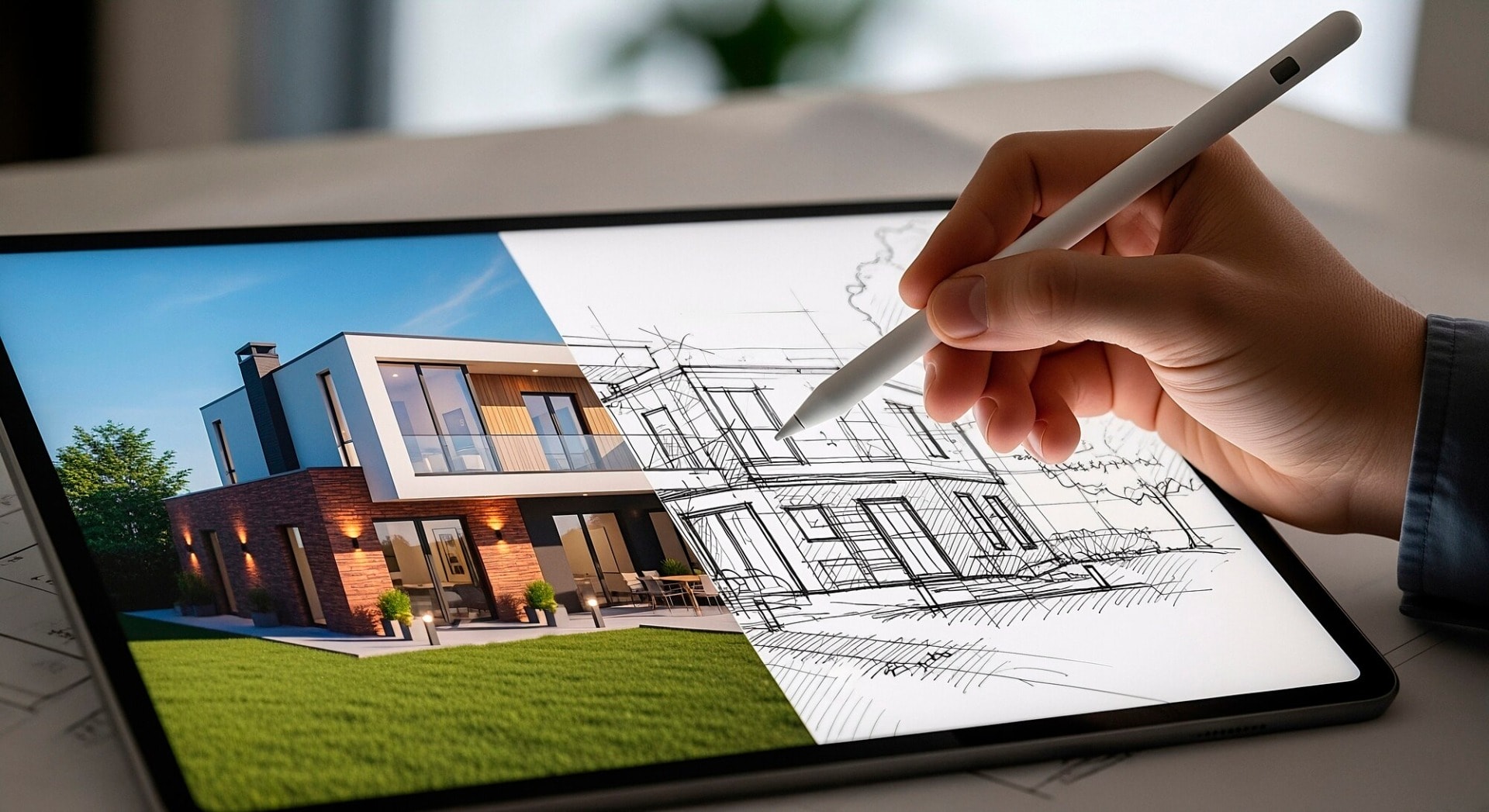
Today, that model no longer works. Architecture is no longer presented as a set of technical instructions. It is presented as a story—a visual one. The way buildings are communicated has shifted from abstract plans to clear, immersive, and emotionally readable visuals that speak to a much wider audience.
This shift is closely tied to the growing relevance of what is architectural visualization in modern design and real estate workflows. Visualization has become the bridge between technical intent and human understanding, transforming how buildings are introduced, discussed, and evaluated.

The limits of traditional blueprints
Blueprints were never meant to persuade. Their purpose was accuracy, not clarity for a general audience. They describe dimensions, materials, and structure, but they do not explain atmosphere, light, or experience.
For architects and engineers, this is not a problem. For investors, clients, city officials, and end users, it often is. When a project relies only on technical drawings, conversations become slow and full of assumptions. Each participant imagines something slightly different.
This disconnect leads to misunderstandings. Expectations diverge early, and those gaps often surface late, when changes are expensive or impossible. As building projects grew more complex and more publicly visible, the need for clearer presentation became obvious.
Architecture enters the visual era
The rise of digital tools changed the role of visual communication in architecture. Instead of serving only internal teams, visuals began to support decision-making, approvals, and sales.
Architectural presentation shifted from “explaining how it will be built” to “showing how it will exist.” This is a fundamental change. Buildings are no longer introduced as technical objects, but as environments with a purpose, mood, and context.
This visual-first approach reflects how people process information today. Images are faster to understand than drawings or text. They reduce cognitive effort and make complex ideas accessible without simplifying them.
Visualization as interpretation, not decoration
A common misconception is that architectural visualization is just decoration layered on top of real design work. In practice, it is the opposite. Visualization is interpretation.
A good visual translates architectural intent into something readable. It answers questions that plans cannot. How does light move through the space? How do materials interact? How does the building sit in its surroundings?
This interpretive role makes visualization a core part of how architecture is presented today. It is not added at the end. It is developed alongside the design itself, shaping how decisions are made and communicated.
From object to experience
Older architectural presentations focused on the building as an object. New presentations focus on experience.
Visual stories show how people move through spaces, how interiors feel at different times of day, and how buildings interact with their environment. Streetscapes, courtyards, and interiors are no longer shown in isolation. They are connected through narrative.
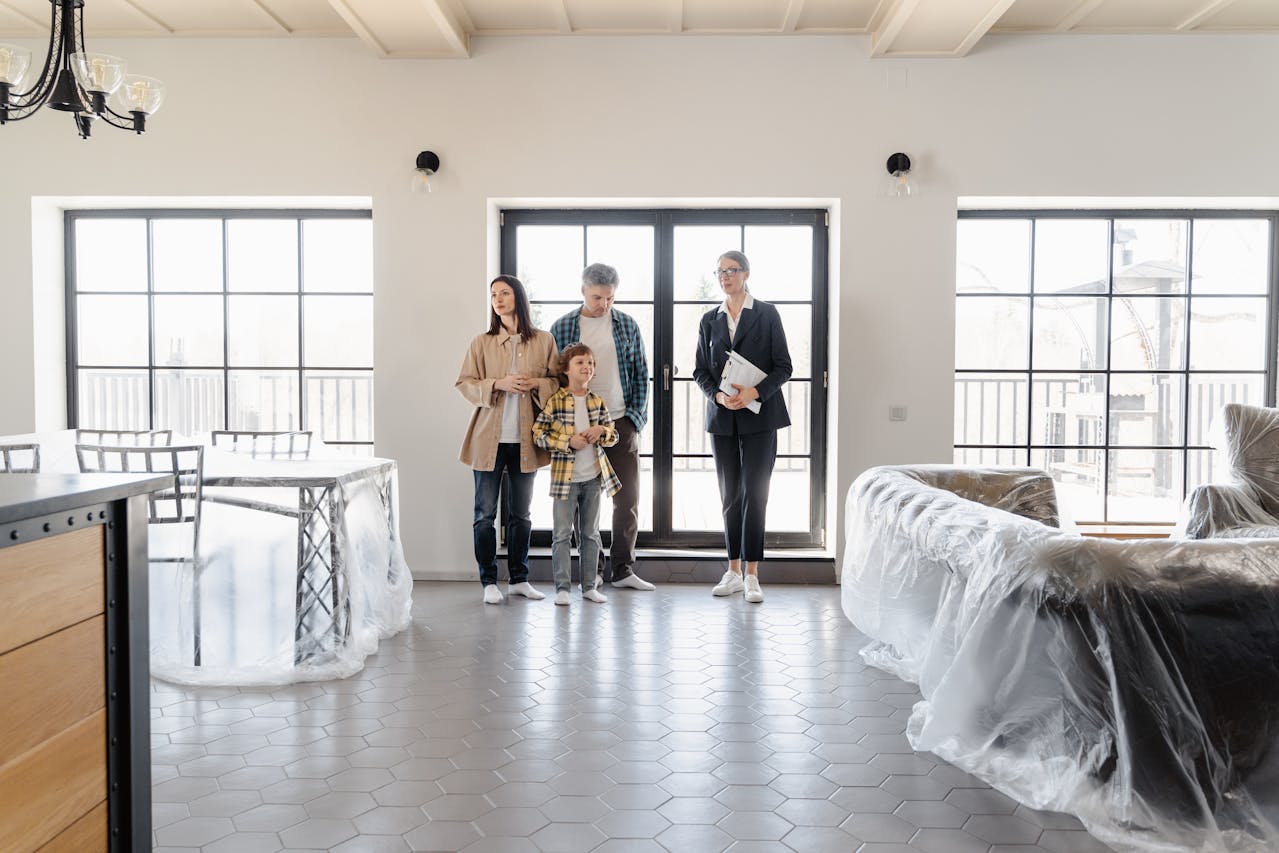
This shift is especially visible in residential, mixed-use, and public projects. Buyers and communities are not just evaluating square meters. They are evaluating lifestyle, comfort, and identity. Visual storytelling speaks directly to these concerns.

Aligning multiple audiences with one visual language
Modern building projects involve many stakeholders. Architects, developers, investors, city planners, and future users all look at the same project from different angles.
Visual storytelling creates a shared reference point. Instead of each group interpreting technical documents separately, everyone responds to the same images. This alignment reduces friction and speeds up decisions.
When visuals are clear, discussions become more constructive. Feedback is grounded in what is shown, not in what is imagined. This is one of the main reasons visualization has become standard practice rather than a special feature.
The role of context in modern presentations
Buildings do not exist in a vacuum, and modern presentations reflect that. Context has become central to architectural storytelling.
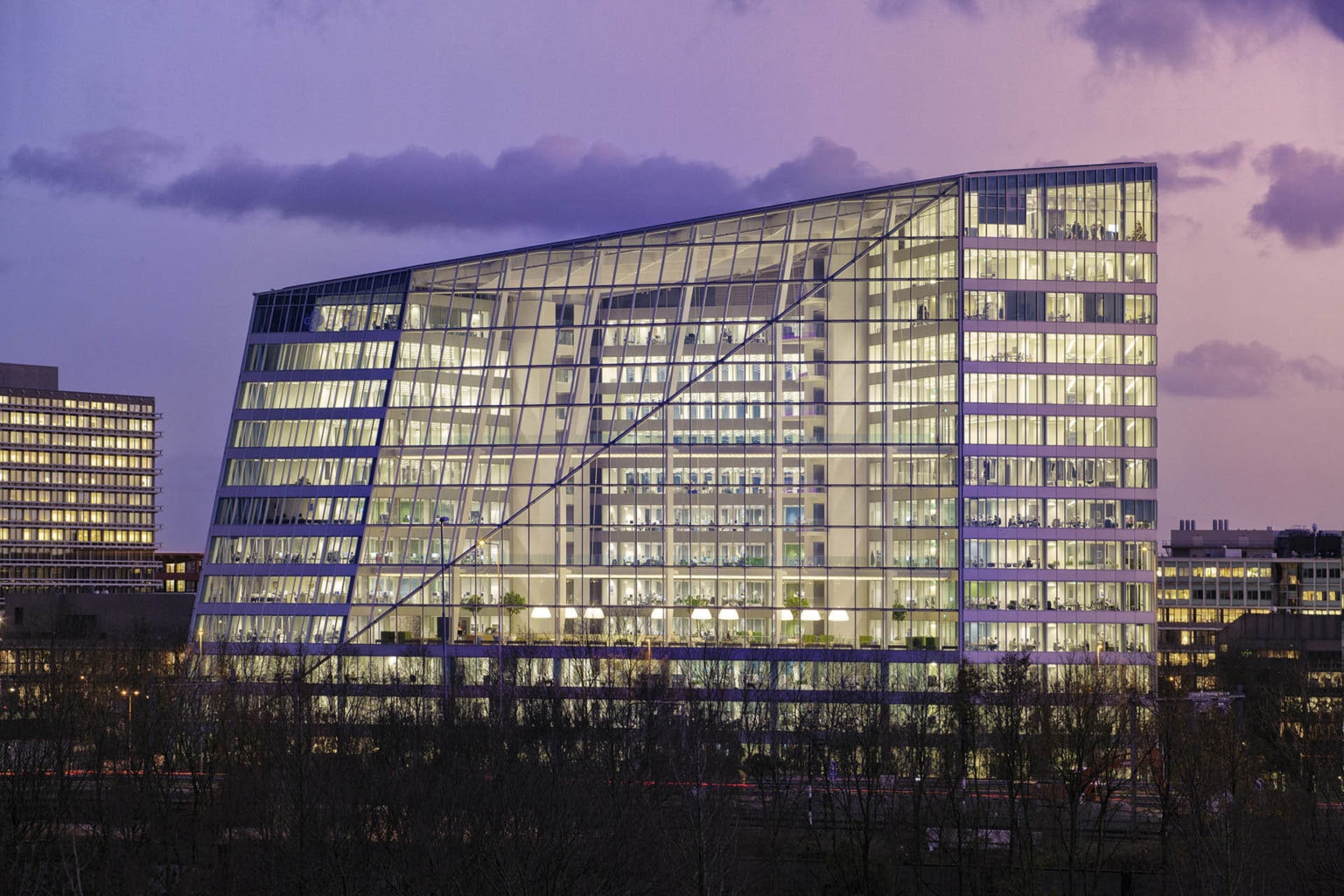
Visuals now show how a project fits into its surroundings, how it affects views, light, and public space, and how it contributes to the broader environment. This is particularly important for urban projects, where community impact and planning approval are critical.
By showing context clearly, visual stories help build trust. They demonstrate that a project has been thought through, not just designed in isolation.
Speed, clarity, and decision-making
Time is a constant pressure in construction and development. Decisions need to be made quickly, but not blindly.
Visual storytelling accelerates understanding. Stakeholders can grasp complex ideas in minutes instead of hours. This speed does not reduce quality. It improves it by allowing more time for meaningful discussion rather than basic explanation.
In this sense, visualization is not just a communication tool. It is a decision-making tool.
Digital presentation replaces static documentation
Another major change is the format of architectural presentation. Static boards and printed plans are being replaced by digital assets.
Visual stories live on websites, in presentations, and across digital platforms. They can be updated, refined, and adapted as projects evolve. This flexibility reflects the reality of modern design, where iteration is constant.
Instead of freezing a project at one moment in time, digital visuals allow it to grow and adjust while remaining understandable to all involved.
Emotional engagement as a design requirement
Modern building presentation is not purely rational. Emotion plays a role, and visual storytelling acknowledges this openly.
People make decisions based on how spaces make them feel. Warmth, openness, privacy, or energy are emotional responses that visuals can communicate clearly. Blueprints cannot.
This does not undermine architectural seriousness. It strengthens it by connecting design intent with human response. A building that cannot be emotionally understood is harder to support, fund, or sell.
The future of architectural presentation
As technology evolves, the line between design, presentation, and experience continues to blur. Visualization is no longer an output. It is part of the design conversation itself.
Buildings are presented today as stories with structure, context, and purpose. This approach reflects how people understand the world: visually, emotionally, and holistically.
Blueprints remain essential. They just no longer stand alone.
Conclusion: architecture as a visual narrative
The journey from blueprint to visual story marks a deeper shift in architecture. It is a shift from abstraction to clarity, from explanation to experience.
Visual storytelling has become the dominant way buildings are presented because it aligns design intent with human understanding. It allows complex projects to be seen, discussed, and trusted by everyone involved.
In this landscape, platforms like VisEngine illustrate how architectural presentation has moved beyond technical necessity and into the realm of clear, shared visual narratives that define how buildings are understood today.
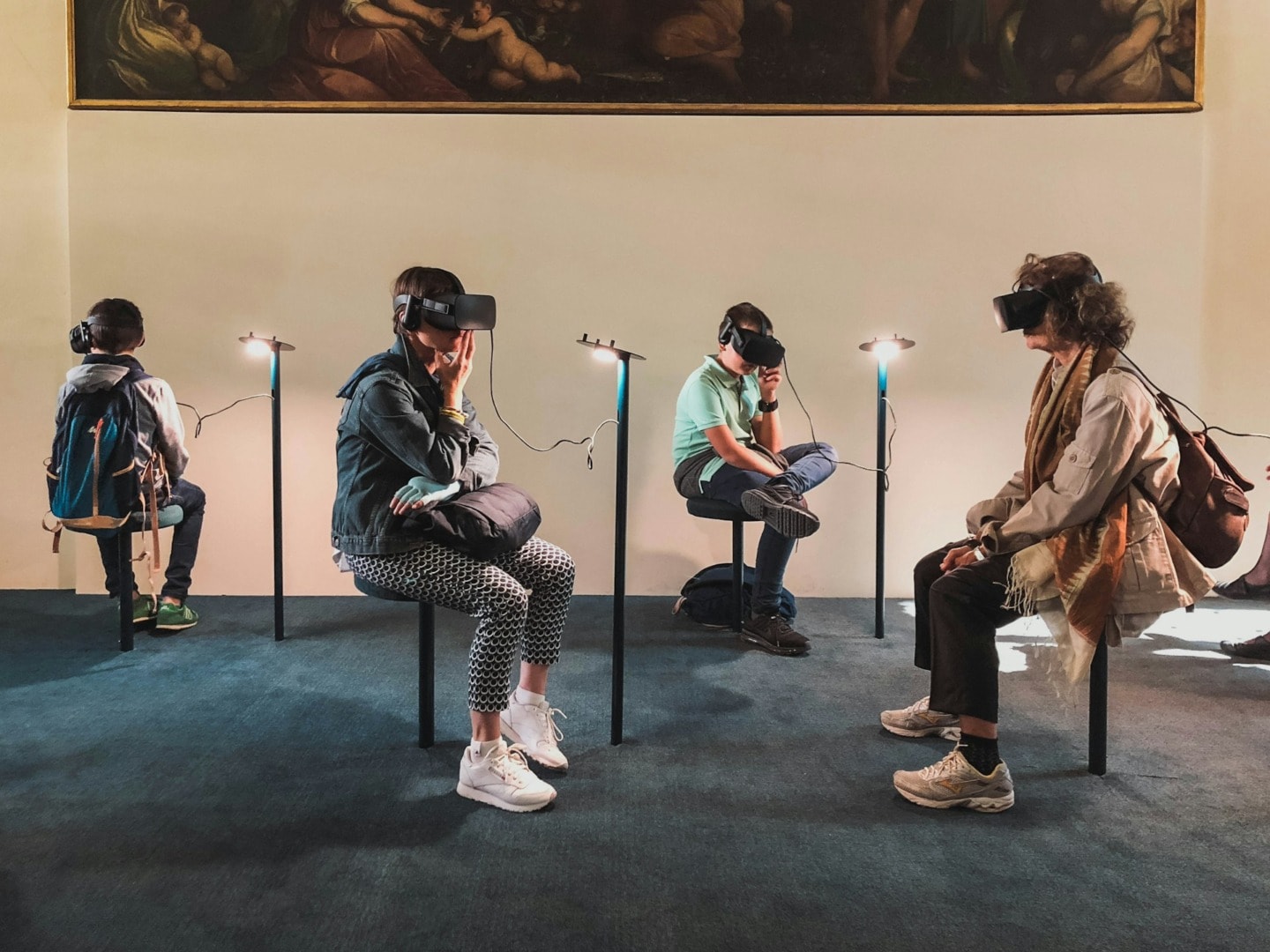
Editor’s Note: The opinions expressed here by the authors are their own, not those of impakter.com — In the Cover Photo: Architectural visualization through the use of VR Cover Photo Credit: freepik