In the last couple of years, some very interesting solutions applying the circular economy of plastics have appeared. Several brands in UK, USA and elsewhere successfully practise the principles of reduce-reuse-recycle on takeaway drinks and meals. Some of them have updated the old US “milkman model” by delivering products in reusable packages and later collecting them back directly from homes.
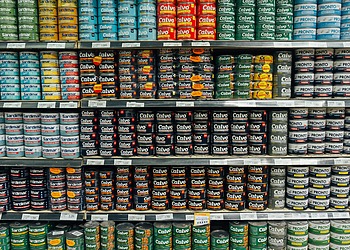
However, the in store solutions as for example the so-called packaging-free stores are fighting plenty of hygienic and logistic problems, which discourage the bigger market players from behaving “zero waste.”
The Hygiene Question
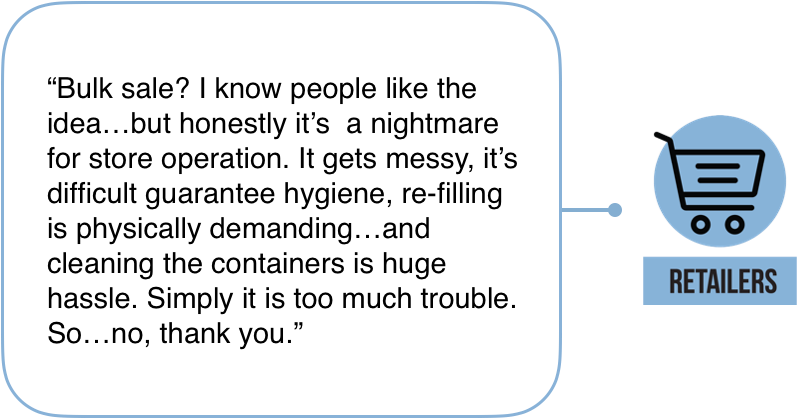
Nowadays, the growing pressure — both from legislative and public opinion side — moved sustainability to the central agenda of the big brands. Many of them are actively seeking the eco-friendly services. It is clear that for a real systemic change, we need to open the door into the packaging-free field also for bigger retailers and global supermarket chains. But these are at the same time often skeptical — and their concerns are absolutely legitimate.
The fact that there are still only a few practical solutions available on the market brings good opportunities to start-ups. However, the risks mentioned above — mainly the hygienic ones — are still there and need to be eliminated.
Engaging New Technologies
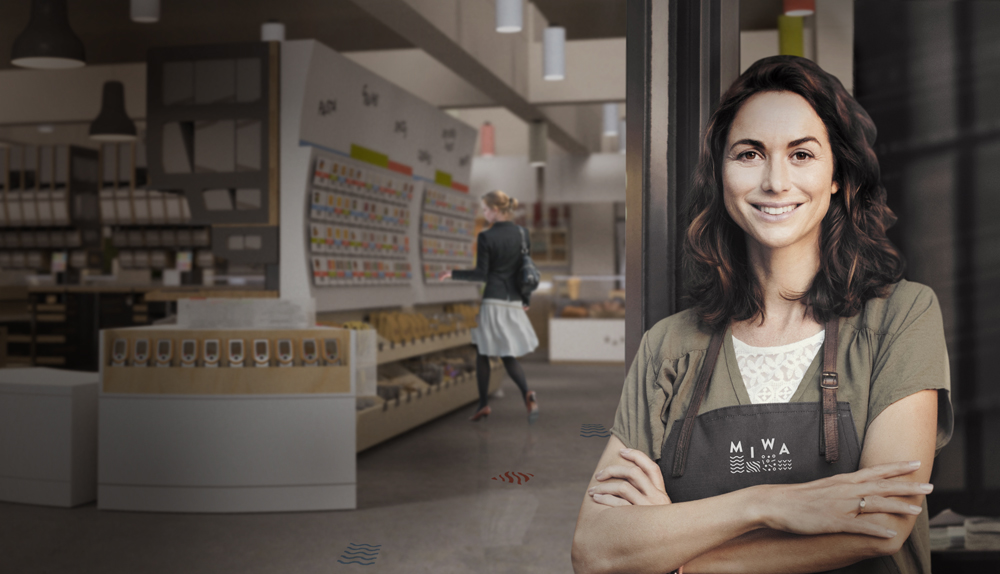
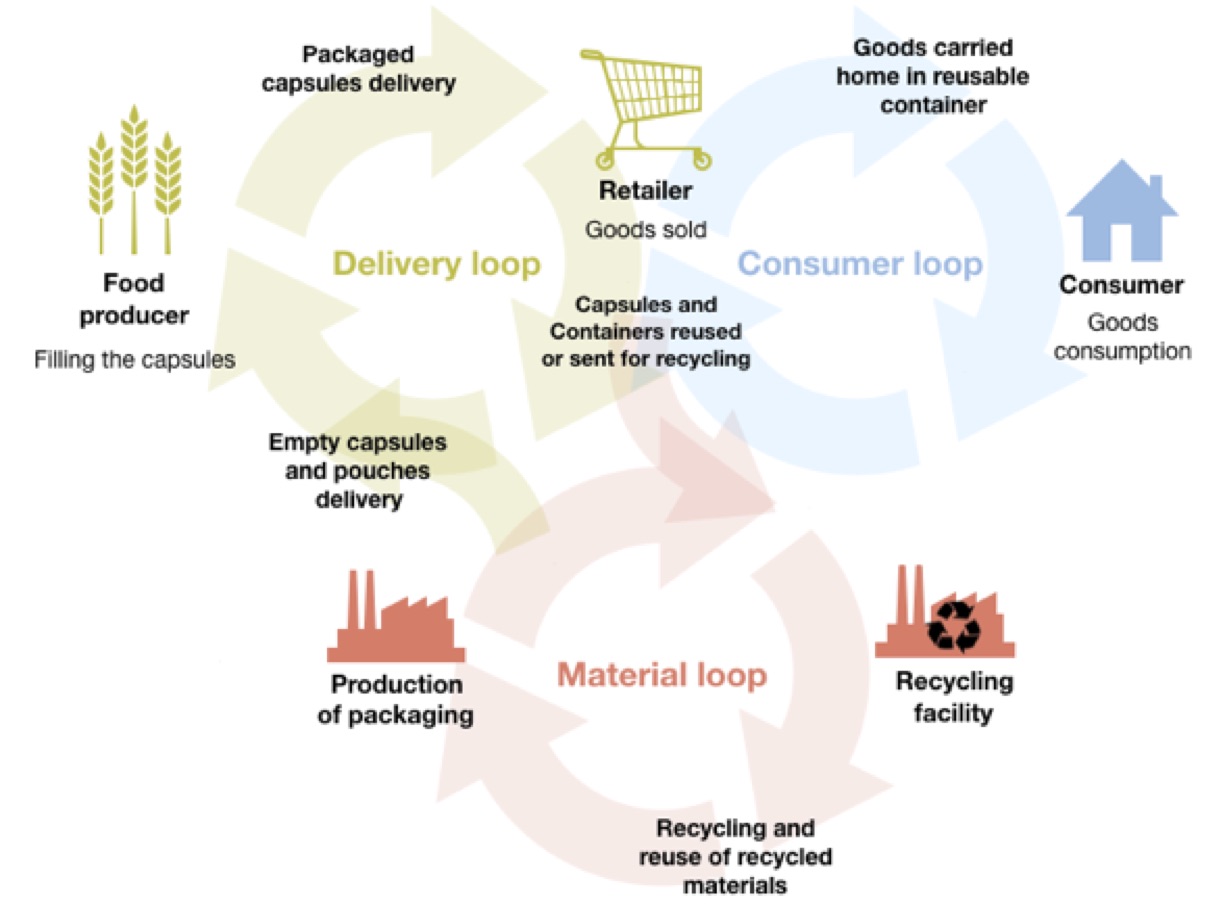
The solution MIWA team has designed can serve for illustration. We have invented a system of refillable capsules, which are equipped with a hygienic insert (pouch) and are hygienically sealed after producers have filled them. Since then, the capsules are kept closed.
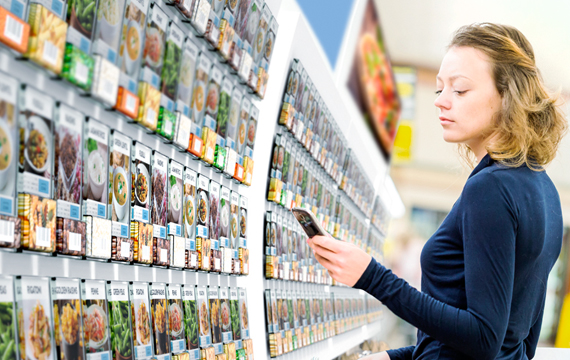
When transported into the store, the capsules are easily clicked into a modular shelf with smart valves. Thanks to RFID/NFC tags on each valve, real-time stock data are being sent to the retailer monitoring system.
The customers are coming and filling their containers directly from the capsules. When empty, the capsules are sent to the washing centre and the inner hygienic pouch goes for a controlled recyclation. Finally, clean capsules with new pouches arrive to the producers and the delivery loop repeats.
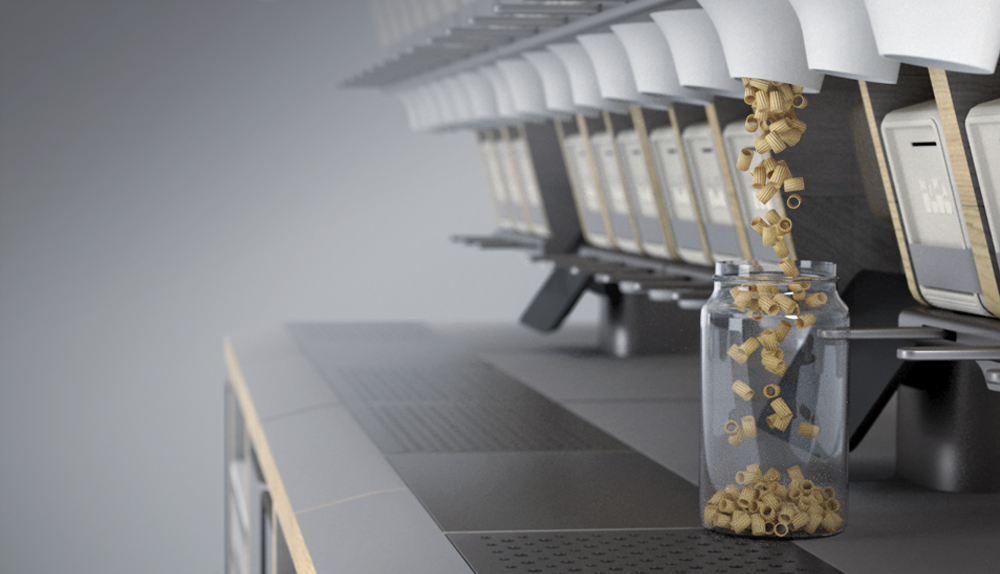
The faith of each capsule, pouch or any other system component is clearly defined. Thanks to the advanced technologies, everything is being constantly traced and monitored. Whenever an item has reached its lifespan, it is recycled and used for further production. Preventing unnecessary material value lost is one of our highest priorities.
The capsules are offered to the companies as a service and remain in the ownership of Miwa. This also helps to keep the control over the materials in our hands.
Redefining Shopping
Attracting the end customer is naturally a crucial point. No matter how good and effective the innovations are, when the consumers show no interest on the new way of shopping.
The Eurobarometer survey from 2017 shows that most EU citizens feel concerned about negative effects of plastic pollution on the environment (84%) and health (74%). The research conducted for our company in the Czech Republic demonstrates an overall awareness and a desire for change, as well as a willingness to adopt new ways of shopping by the consumers.
However, only a small percentage of people (4% in CZ) go shopping to packaging-free stores.
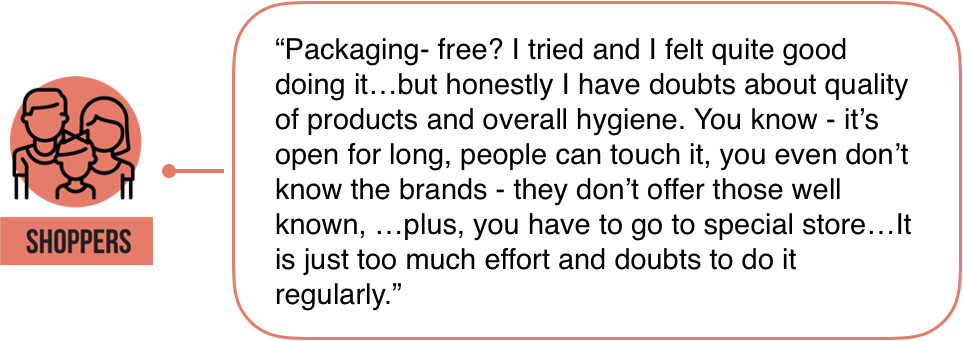
What we need is to make the packaging-free shopping easy, modern, safe and available. Engaging new technologies can be a first step. The digitization in the means of connecting RFID/NFC tags with a mobile application brings enormous possibilities to optimize shopping. Not only that it is very time saving and enables to buy exactly the amount we need, or that we can see a broad range of information such as origin, allergens, expiration date and many others in the app. It could even penetrate into our homes and reorganize the home management: for instance, if our shopping list was automatically generated according to a chosen recipe or if — thanks to a smart tag on the returnable container — a mobile application reminded us that we are running out of salt.
Editor’s Picks — Related Articles:
 “Sustainable Consumption and Production Are Key for Sustainable Development”
“Europe’s Centrality to the Circular Economy”
Principles of a Circular Solution
While developing a new solution adapting a circular economy of plastics, technology should go hand in hand with sustainability. Further on, following principles need to be kept in mind:
- Circularity has to be the driving element of the whole design
- All parts of the ecosystem should be designed to be reused or recycled with a clear vision of reused material
- We should prefer high-quality and long-lasting materials with a definite utilization
- A smart information system enables to trace each element in the system and to detect materials finishing their life-span
- Producers, retailers as well as end consumers have to benefit in some way
- Standardisation of packages helps to facilitate the reuse of discarded materials
- Modern economical systems such as sharing or “product as service” can be considered
Inspiring Others
After four years of development, we are about to launch three pilot projects this summer (including one with a global food concern), and a couple of big brands are seriously interested in cooperation with Miwa.
A successive restructuring of the public opinion is crucial for an effective adaptation of circular economy into the world as we know it. Therefore, every brand focused on sustainability should also make some kind of public engagement.
However, our mission is not merely “making a good business.” A successive restructuring of the public opinion is crucial for an effective adaptation of circular economy into the world as we know it. Therefore, every brand focused on sustainability should also make some kind of public engagement.
In the Czech Republic, we still often meet people who believe that recycling waste is enough. This has inspired us to create the Minimum waste — a space in the centre of Prague where we organize public events, designer installations or discussions with experts on a regular basis.
Another goal, which in our opinion companies should strive for, is to actively support legislative changes. Miwa, for example, has co-organized a panel discussion about circular economy in the Senate of the Czech Republic in 2018. Some countries, as for instance France, already have a very effective legislation in environmental matters, but this is not common yet. Generally, before someone decides to ban or set high taxes on a certain packaging type, a better solution has to exist. The development of environmentally friendly, mainly circular solutions is therefore a task of a high importance.
 MIWA solution has been recognized and awarded by several authorities and quoted in key circular economy papers (e.g. Ellen MacArthur Foundation, SGD Awards, E.ON Energy Globe Awards, the European Commission, UN). A Life-Cycle Assessment study showed that the overall environmental impact could be reduced up to 71% when compared to single use packaging.