The Committee on World Food Security (CFS), a key governing body for world food security and eradicating hunger, has just been evaluated –What changes will this bring?
The follow-up to the evaluation of the Committee on World Food Security (CFS) has been a major undertaking for the Committee in 2017-2018. Numerous formal and informal meetings were organised to gather views from Member States and other CFS stakeholders, to discuss the recommendations of the independent evaluation, to reach consensus on the response and to implement this response.
What is CFS?
CFS was established in 1975 as a committee of the Council of the Food and Agriculture Organization of the United Nations (FAO). It was reformed in 2009, in part as one of the global responses to the 2007-2008 food crisis to improve global governance.
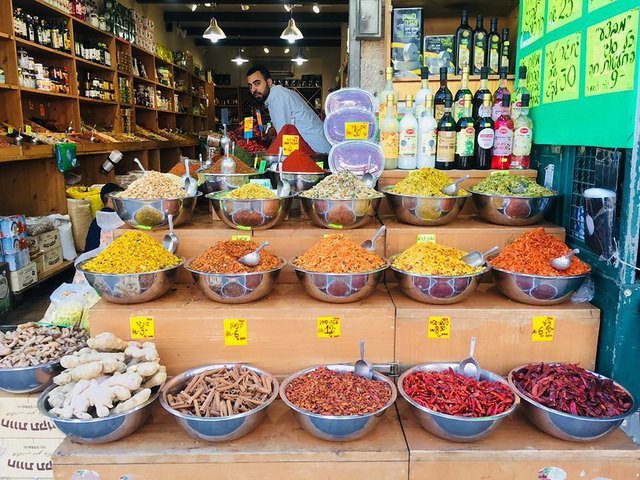
In the photo: Jerusalem market; FAO strives to defeat world hunger. Photo credit: ©FAO/Selvaggia Cognetti De Martiis
In the context of the reform, the vision and roles of CFS were redefined to focus on the key challenges of eradicating hunger, and ensuring food security and nutrition; the participation was broadened to ensure that voices of all relevant stakeholders were heard in the policy debate. The rules and procedures were then adapted for CFS to become the central United Nations political platform dealing with food security and nutrition, reporting to the United Nations General Assembly (UNGA) through the United Nations Economic and Social Council (ECOSOC) and to the FAO Council. CFS constitutes the foremost inclusive international and intergovernmental platform for a broad range of committed stakeholders to work together towards the elimination of hunger and ensuring food security and nutrition*. It focuses on coordination at a global level and policy convergence to achieve these goals.
The distinguishing features of CFS are:
- Its inclusiveness and multistakeholder nature: in addition to Member countries, CFS ensures participation of civil society, private sector, philanthropic foundations, UN agencies, financial institutions and international agricultural research systems through its Advisory Group (AG).
- The CFS High-Level Panel of Experts on Food Security and Nutrition (HLPE) which supports CFS work through hard evidence and state-of-the-art knowledge on cross-cutting issues.
Why an independent evaluation?
The objective of the independent evaluation was to assess progress towards CFS overall objectives and main outcomes since the 2009 reform. The evaluation was conducted from May 2016 to April 2017 by a team of independent consultants. The results were presented at the 44th Session of the CFS in October 2017. Fourteen recommendations were issued to improve the relevance, effectiveness and efficiency of the Committee. There was a general agreement amongst CFS stakeholders that the findings, conclusions and recommendations of the evaluation provided a solid and comprehensive basis to strengthen CFS. The report documenting the implementation of the response to the evaluation was endorsed at the 45th session of the CFS in October 2018.
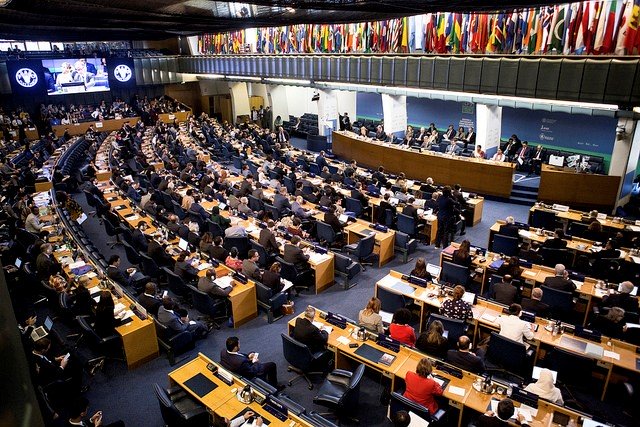
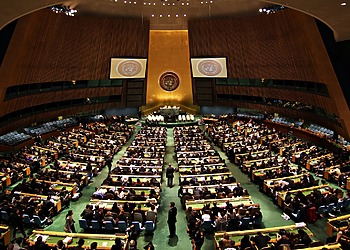
In the photo: 45th session of CFS, October 2018
What changes is the follow-up to the evaluation expected to bring?
A series of measures have been agreed for strengthening CFS to achieve its vision, addressing the weaknesses underlined by the evaluation and adjusting to the new global environment for food security and nutrition, shaped by, inter alia, the 2030 Agenda for Sustainable Development, the follow-up to the Second International Conference on Nutrition (ICN2), the UN Decade of Action on Nutrition (2016-2025) and the UN Decade on Family Farming (2019-2018).
These measures will stimulate the potential of CFS and its policy products, and are expected to result in:
(i) CFS work being more strategic by focusing on the root causes of food insecurity and malnutrition and the needs of the people most affected. This will be achieved through:
- Longer term planning, allowing a more strategic approach to define CFS activities, with the duration of Multi-Year Programmes of Work (MYPoWs) increased from two to four years, beginning with the 2020-2023 MYPoW.
- The preparation of the 2020-2023 MYPoW guided by three interlinked strategic objectives which emphasize the roles of CFS as a platform to coordinate collective actions at all levels, to promote policy convergence and coherence among stakeholders and across sectors and to foster the uptake of its policy work.
- A more prominent role given to plenary to define future work, ensuring CFS is more demand-driven, and to identify priority issues for CFS work, proposing, discussing and giving guidance on MYPoWs.
- A more effective prioritization and selection of CFS work, guided by more precise criteria, to more directly contribute to a positive impact on food insecurity and malnourished people. The process will consider the resources available and the workload of the Committee to enhance the quality and inclusiveness of the process.
(ii) CFS policy convergence and coherence working more systematically based on the best independent scientific evidence from across the world through regular and sustained interaction between the HLPE Steering Committee and the CFS Bureau and AG. The HLPE will provide advice and focused interventions at the request of CFS to maximise the value of the HLPE in supporting CFS policy convergence and coherence work, as a complement to the main HLPE products (typically substantive reports), subject to HLPE resources and workload.
(iii) Increased ownership, and involvement and commitment of high-level representatives of member states through more vibrant and substantive plenaries.
(iii) Increased uptake of CFS products at national, regional and global levels through active involvement of all CFS stakeholders in promoting CFS and its policy products at all levels. In particular:
-
- Member States are encouraged to constitute or strengthen multidisciplinary national mechanisms to increase linkages with regional and country levels.
- Rome-based Agencies (RBAs) and other UN bodies will continue to play an active role in mainstreaming and facilitating the use and application of CFS products and recommendations.
- CFS will continue to hold events in plenary every 2 years to take stock of the application of its main policy products.
(iv) Adequate and sustainable funding for CFS through the development of a robust resource mobilization strategy.
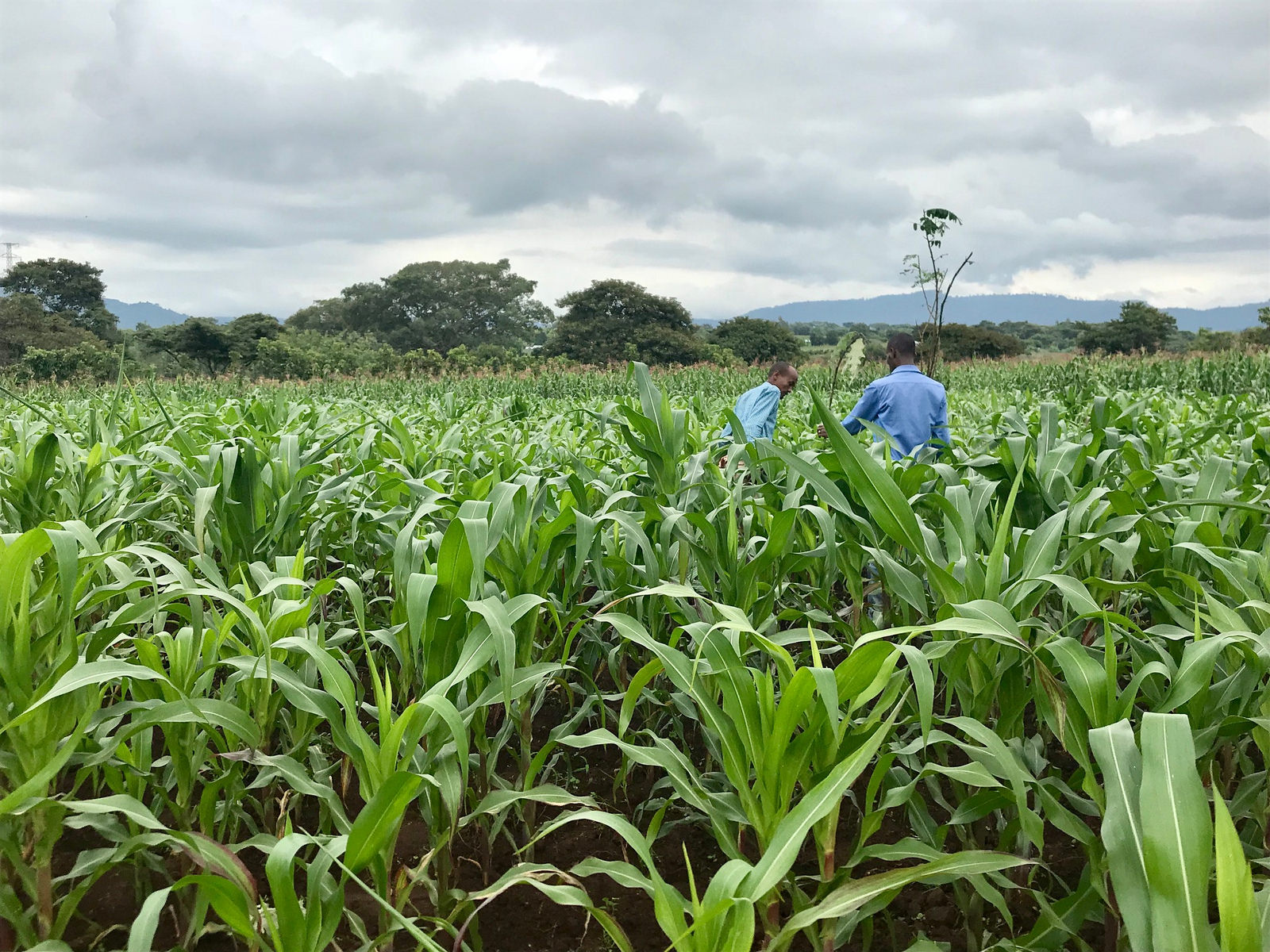
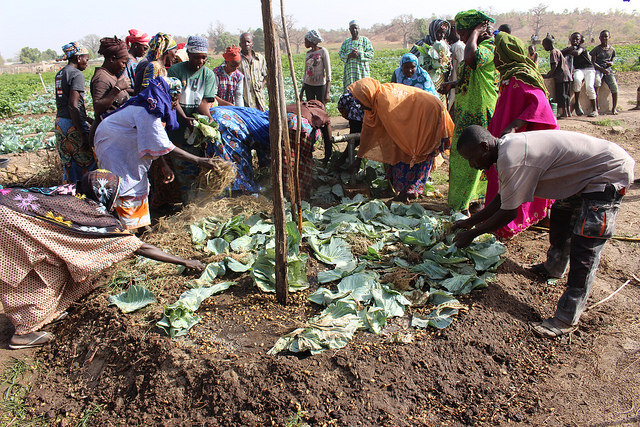 In the photo: Farmers making a compost in Gambia. Photo credit: ©FAO/Amadou Bah
To what extent will these measures contribute to the strengthening of CFS?
The next twelve months will be critical. The successful application of these measures requires full support from CFS Members and other stakeholders. CFS needs a recommitment from all its Members**. The first challenge will be to prepare a four-year strategic MYPoW, with priorities that clearly reflect the demands that will emerge from stakeholders’ dialogue on policy areas where CFS can bring added value.
CFS has demonstrated its relevance to address important priorities in food security and nutrition. The evaluation confirmed that CFS has contributed towards enhancing global coordination and convergence on food security and nutrition policies at a global level.
Strengthening CFS should be part of the response to address the deteriorating situation of food security and nutrition***.
Authors Note: The views expressed in this information product are those of the author(s) and do not necessarily reflect the views of the Food and Agriculture Organization of the United Nations (FAO).
* CFS main policy products are the following:
– The Framework for Action for Food Security and Nutrition in Protracted Crises (FFA) endorsed in 2015;
– The Principles for Responsible Investment in Agriculture and Food Systems (RAI) endorsed in 2014;
– The Voluntary Guidelines on the Responsible Governance of Tenure of Land, Fisheries and Forests in the
Context of National Food Security (VGGT) endorsed in 2012;
– The Voluntary Guidelines to Support the Progressive Realization of the Right to Adequate Food in the
Context of National Food Security (RtF) endorsed in 2004.
** As of today, membership includes 128 Member States.
*** The absolute number of undernourished people, i.e. those facing chronic food deprivation, has increased to
nearly 821 million in 2017, from around 804 million in 2016. FAO, IFAD, UNICEF, WFP and WHO, 2018. The State of Food Security and Nutrition in the World 2018. Building climate resilience for food security and nutrition. Rome,
FAO.