“Organic beef,” “GMO-free,” and “100% natural” are just some of the countless claims designed to attract the eyes of eco-conscious consumers in the supermarket. Yet while people are increasingly willing to spend more on these labels, there is often not enough consideration of how much these features actually contribute to a food’s environmental sustainability.
It’s understandable why consumers are confused.
Determining the environmental impact of different food products is highly complex — influenced by how much resources and energy they consume, greenhouse gases they emit, the way they impact the biodiversity of the area where they are produced, how and how far they are transported to market, and the amount and type of waste they create.
Despite this, the basic characteristics of a diet that would benefit both human health and the planet are clear.
At least half of our daily calorie intake should come from fruits, vegetables, wholegrains, legumes, nuts, and seeds while significantly limiting red meat and energy-dense, nutrient-poor foods such as sugar and refined grains.
Unfortunately, typical Western diets are far from this ideal and many economic, political, and societal factors contribute to this discrepancy, making it a difficult issue to address.
However, tackling the psychological barriers that prevent the public from consuming more sustainably can help improve their behaviour. The first step towards doing this is addressing the significant lack of knowledge consumers have about what makes a food choice eco-friendly.
Here are five common food myths that need to be busted:
Myth 1: “Meat’s eco-footprint is exaggerated”
Animal husbandry is one of the most environmentally damaging activities in food production due to its high greenhouse gas emissions, extensive resource use, and the pollution it causes.
Consequently, the most impactful change a person can make to reduce their dietary ecological footprint is to limit animal-based foods, particularly beef.
Many people underestimate the environmental impact of meat, eggs, and dairy and doubt the environmental benefits of substituting them with plant-based alternatives.
Additionally, there is a widespread but mistaken belief that reducing car and plane travel, conserving electricity, recycling, and avoiding plastic are more significant to one’s climate footprint than reducing animal-based food consumption. Specifically, adopting a plant-based diet can cut a person’s greenhouse gas emissions by 20 to 30%, as compared to a 5 to 15% reduction from other actions.
Addressing these misconceptions and shifting towards a more plant-based diet can significantly enhance and promote environmental sustainability.
Myth 2: “Organic and local always equals sustainable”
People often assume that organic and local production is the gold standard for sustainability as it can reduce chemical use and lower transportation emissions.
However, this perspective requires more nuance. For example, organic tomatoes grown in open fields can have higher environmental impacts due to increased fuel and machinery use.
Similarly, locally grown tomatoes, especially in heated greenhouses, can be less sustainable than those produced in distant unheated greenhouses due to higher energy requirements.
Consumers’ misconceptions are particularly problematic when they believe buying organic meat from a local butcher can significantly alleviate meat production’s environmental impact.
The environmental benefits of organic and local meat are limited compared to the substantial reductions achieved by eating plant-based foods.
Myth 3: “What is natural is good”
Humans have a “natural bias,” believing that what is natural is inherently good. As a result, foods without preservatives, additives, artificial ingredients, or high levels of processing are often perceived as superior.
It’s important to critically evaluate this belief. For instance, genetically modified (GM) crops are often viewed negatively due to the belief that anything altered by humans, especially at the genetic level, must be unsafe for society and the environment.
However, some GM crop varieties can contribute to more sustainable agricultural practices by increasing yields, reducing pesticide use, and improving resource efficiency.
Evaluating any novel food technology based on their actual environmental impacts is essential, rather than dismissing them due to their perceived unnaturalness.
Related Articles: Vegan Cheese That Tastes Like Cheese? These Startups May Have Cracked the Code | Sustainable Agriculture in the EU: Research and Innovation at Heart | Biotech Meets Veganism: How One Startup Uses Tech to Create Vegan Cheese | Food Tech: Are 3D-Printed Food and Meatless Meat the Future? | First in Europe: UK Approves Lab-Grown Meat | The Vegan Transition
Myth 4: “Good for me, good for the planet”
Healthy foods are often assumed to be automatically eco-friendly. However, a food’s nutritional quality and its environmental impact aren’t necessarily related.
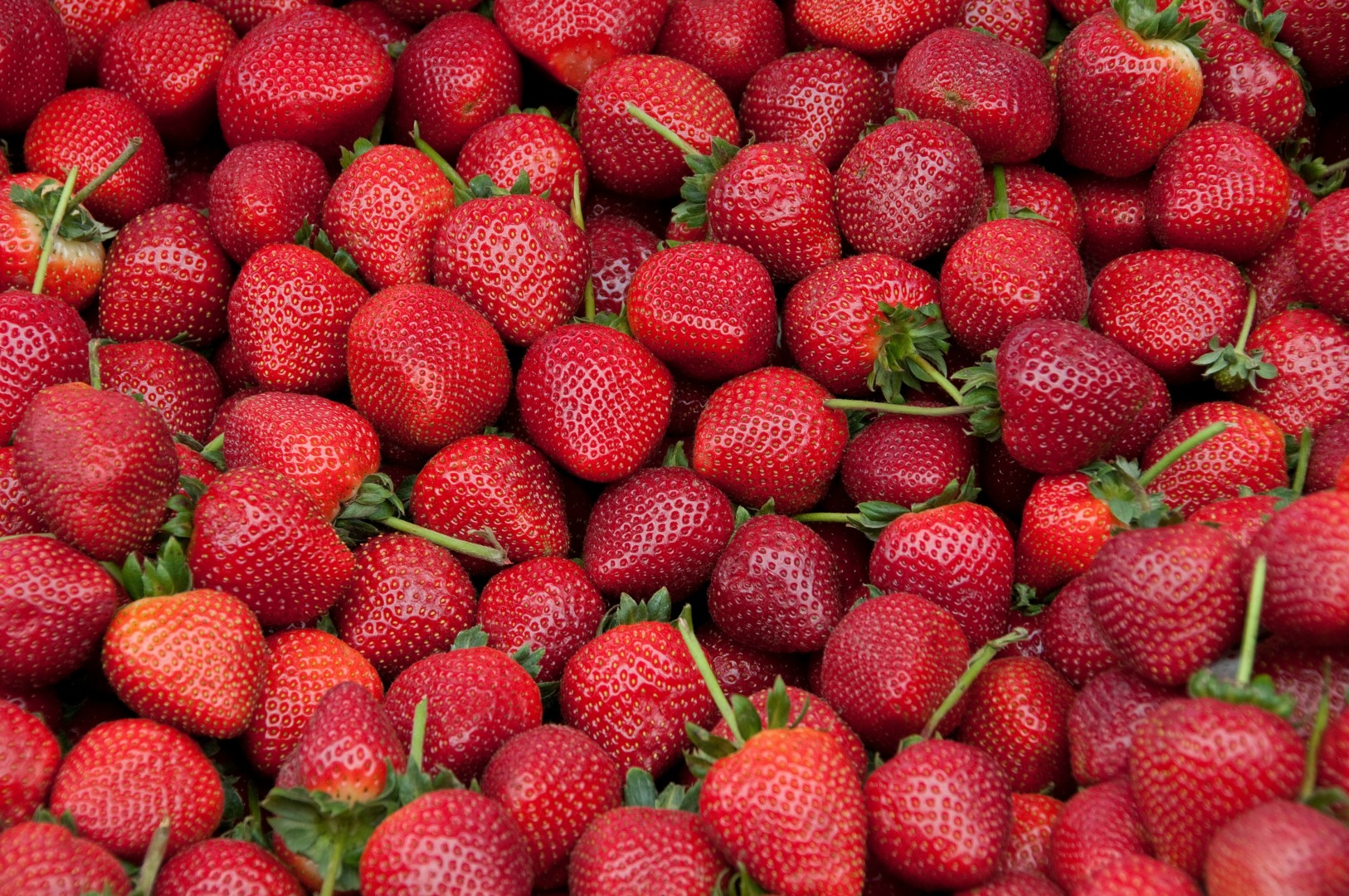
Even though strawberries, for example, are highly nutritious, their environmental impact can vary depending on whether they were grown locally or in a faraway country, on a field or in a heated greenhouse.
Similarly, while eating more plant-based foods is better for the environment, they may not always offer the same nutritional benefits as their animal counterparts. For example, plant-based foods are more likely to be incomplete sources of protein because of their lower digestibility and because they’re missing some of the nine essential amino acids humans need.
Achieving a truly sustainable diet requires careful consideration of both nutritional value and ecological footprint.
Myth 5: “Conserving the planet requires breaking the budget”
Many consumers believe that eating in an environmentally friendly way is expensive. However, scientific calculations reveal that more sustainable diets are cheaper than current Western diets.
In high-income countries, plant-based diets are the most affordable, with vegans and vegetarians cutting food costs by up to one-third. Flexitarians who reduce their meat intake can save 14% on food costs.
However, costs can vary between countries: in low-income countries, where diets rely on cheap starchy staples, increasing the intake of fruits, vegetables, nuts, and legumes may not be affordable.
Even in high-income countries, lower-income households in food deserts may have limited access to fresh produce.
In addition to changes to consumer behaviour, the public would also benefit from economic and policy interventions to make truly sustainable diets affordable and accessible to everyone.
** **
This article has been republished as part of a special report for World Food Day. It first appeared on June 14, 2024, and was originally published by 360info™.
Editor’s Note: The opinions expressed here by the authors are their own, not those of Impakter.com — In the Cover Photo: Strawberries. Cover Photo Credit: Massimiliano Martini.