The Impakter team would like to thank Jaime Jennings of Island Press for the photo contributions. Island Press will publish Plastic Soup: An Atlas of Ocean Pollution, authored by Michiel Roscam Abbing of The Plastic Soup Foundation (PSF) on April 4th.
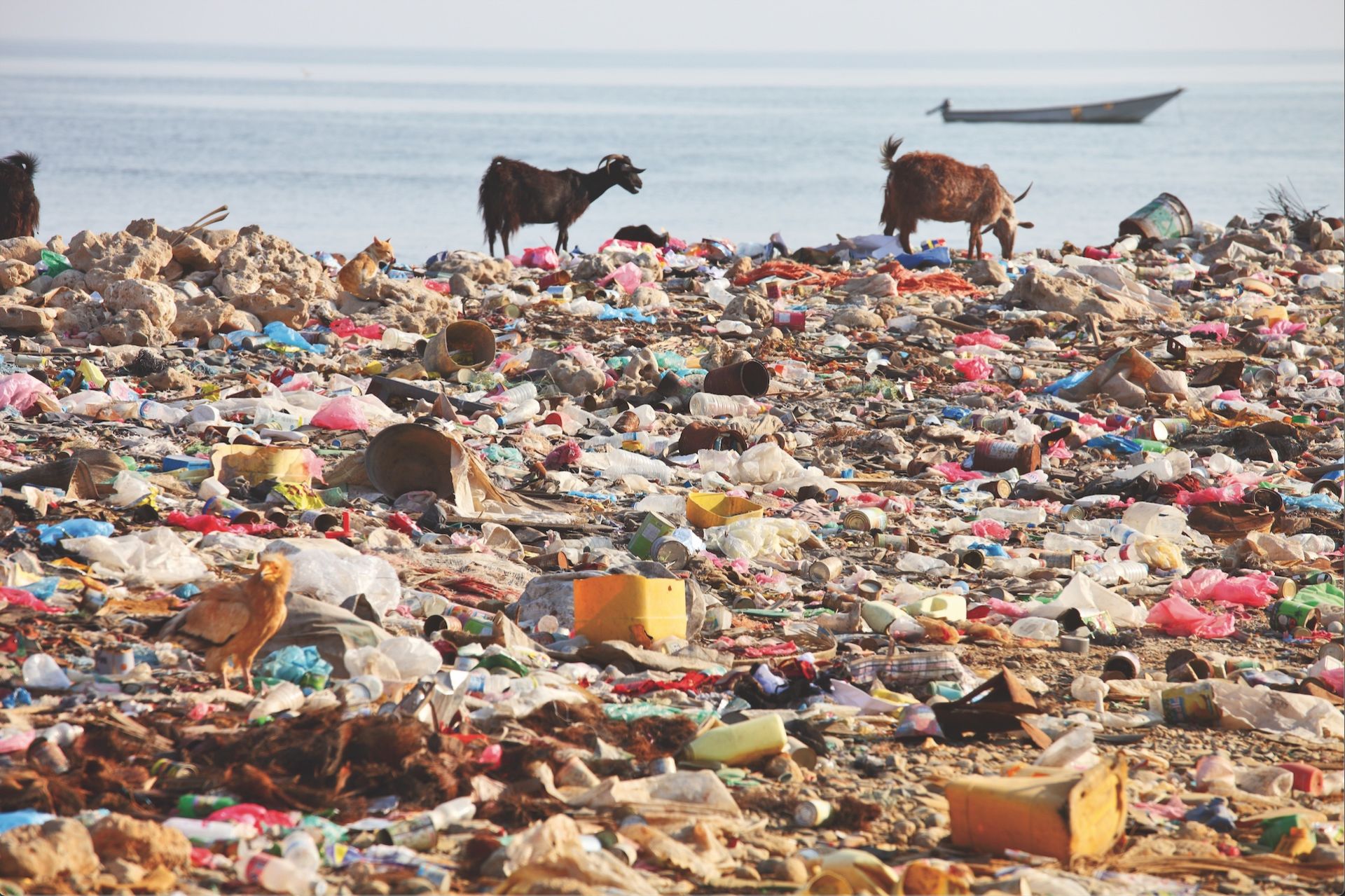
One of the many reports regarding the issue of plastic pollution makes the following observation: 93% of the rubbish in low-income countries is dumped in landfills in open air compared to just 2% in high-income countries. Plastic waste that is dumped in open air often blows away. Plastic is an eternal plague in many ways because it does not biodegrade. This report, “What a Waste 2.0”, published in 2018 by the World Bank, also asserts that the Sustainable Development Goals (SDGs) adopted by the United Nations in 2015 offer a framework for action. The implicit message to fix the problem is clear: just improve waste management systems in low-income countries.
While none of the 17 SDGs has plastic pollution as a main theme, the relationship between the SDGs and the need to curb plastic pollution is clear. The Plastic Soup Foundation, a UNEP-accredited NGO based in the Netherlands and founded in 2011, has highlighted the relationship between SDG 3 (Health and well-being), SDG 6 (Clean drinking water and good sanitation), SDG 11 (Resilient and sustainable cities), SDG 12 (Sustainable consumption and production), SDG 13 (Stopping climate change), SDG 14 (Protection of the seas and oceans), and SDG 15 (Restore ecosystems and preserve diversity).
One could easily link plastic pollution to other SDGs as well, given that plastic and plastic waste are omnipresent. The diverse negative impacts of plastic on sustainability clearly demonstrate that the world has to deal with a tough and persistent problem.
We believe that the fight against plastic pollution involves three essential, distinct actions:
- preventing plastic from entering the environment;
- avoiding health risks;
- realizing absolute reduction in plastic production.
Framing of the issue
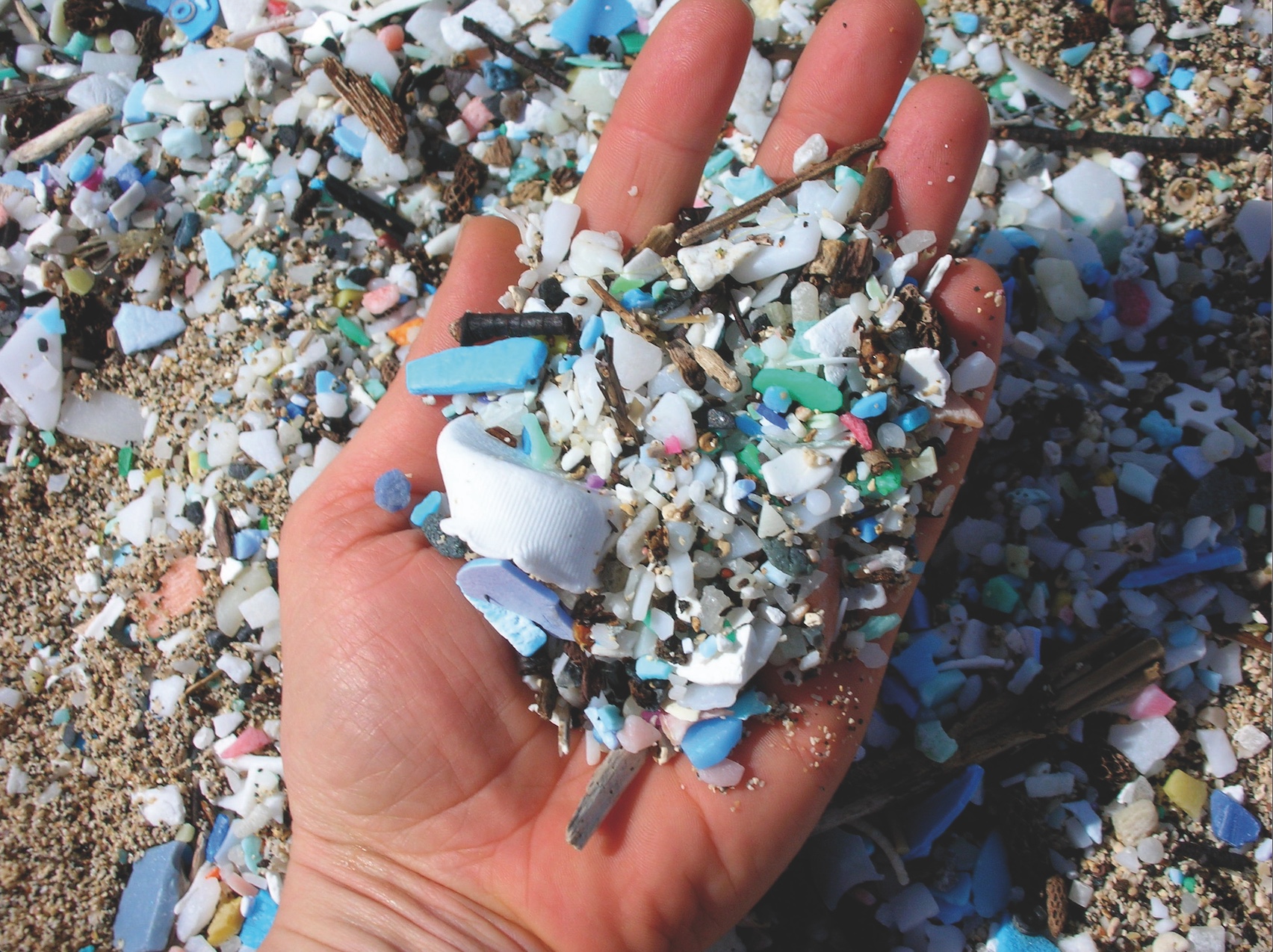
When the United Nations adopted the Agenda for Sustainable Development and its 17 SDGs in 2015, the fight against plastic pollution was not recognized as a separate SDG. Following “The Honolulu Commitment” of 2011 it was presented as a marine debris problem. Plastic pollution was not yet conceived to compromise freshwater environments, land or human health. In the meantime, however, our insights have increased significantly. For instance, according to German scientists, land-based pollution with micro-plastics is an underestimated threat. The long-term impact of micro-plastics in soil can have all kinds of negative effects on terrestrial ecosystems with an even greater impact than that at sea.
The Stockholm Resilience Centre has indicated nine planetary boundaries for Earth, which includes climate change, loss of biodiversity, ocean acidification, and chemical pollution among others. When these planetary boundaries are exceeded, ecological restoration is almost impossible. Plastic pollution is not yet in this list, but scientists have recently argued that plastic pollution should be considered as one of the planetary boundaries. Environmental plastic is irreversible—it is impossible or unrealistic to clean up, particularly when discussing micro-plastics—and plastic is present everywhere in increasing quantities.
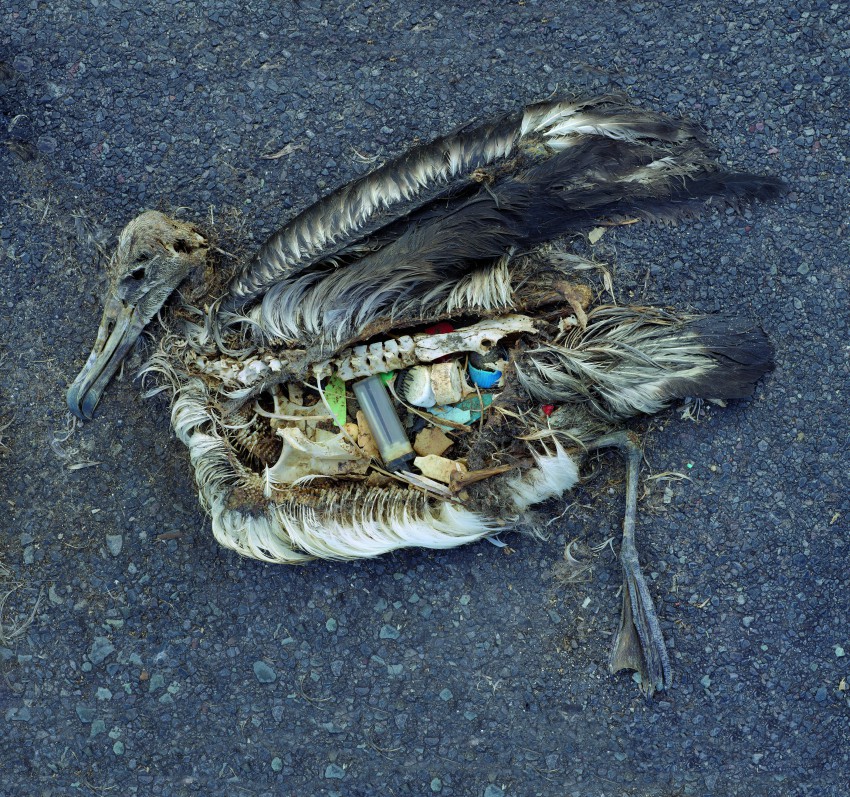
A more difficult aspect of assessment within the framework of the planetary boundaries is to what degree plastic pollution will affect the Earth System, particularly in regard to the irreversible consequences for humans and ecosystems.
In July 2017, the United Nations met to discuss the implementation of Sustainable Development Goal 14 (Preserve and make sustainable use of oceans, seas and marine resources). The world adopted the resolution “Our Ocean, our future: call for action”. All countries agreed to “implement long term and robust strategies to reduce the use of plastics and micro-plastics, in particular plastic bags and single use plastics, including by partnering with stakeholders at relevant levels to address their production, marketing and use.”
However, in spite of this promise, reducing the plastic soup on an international scale has not yet been successful. On the contrary—American scientists argue that the expected 40% rise in plastic production in the next decade will risk “near-permanent contamination of the natural environment with plastic waste.” A frequently quoted prediction from the Ellen MacArthur Foundation report “The New Plastics Economy” of January 2016 is that in “a business-as-usual scenario the ocean is expected to contain 1 tonne of plastic for every 3 tonnes of fish by 2025, and by 2050, more plastics than fish (by weight).”
SDG target 14.1 is often referred to when combatting international plastic pollution. It reads: “By 2025, prevent and significantly reduce marine pollution of all kinds, in particular from land-based activities, including marine debris and nutrient pollution.”
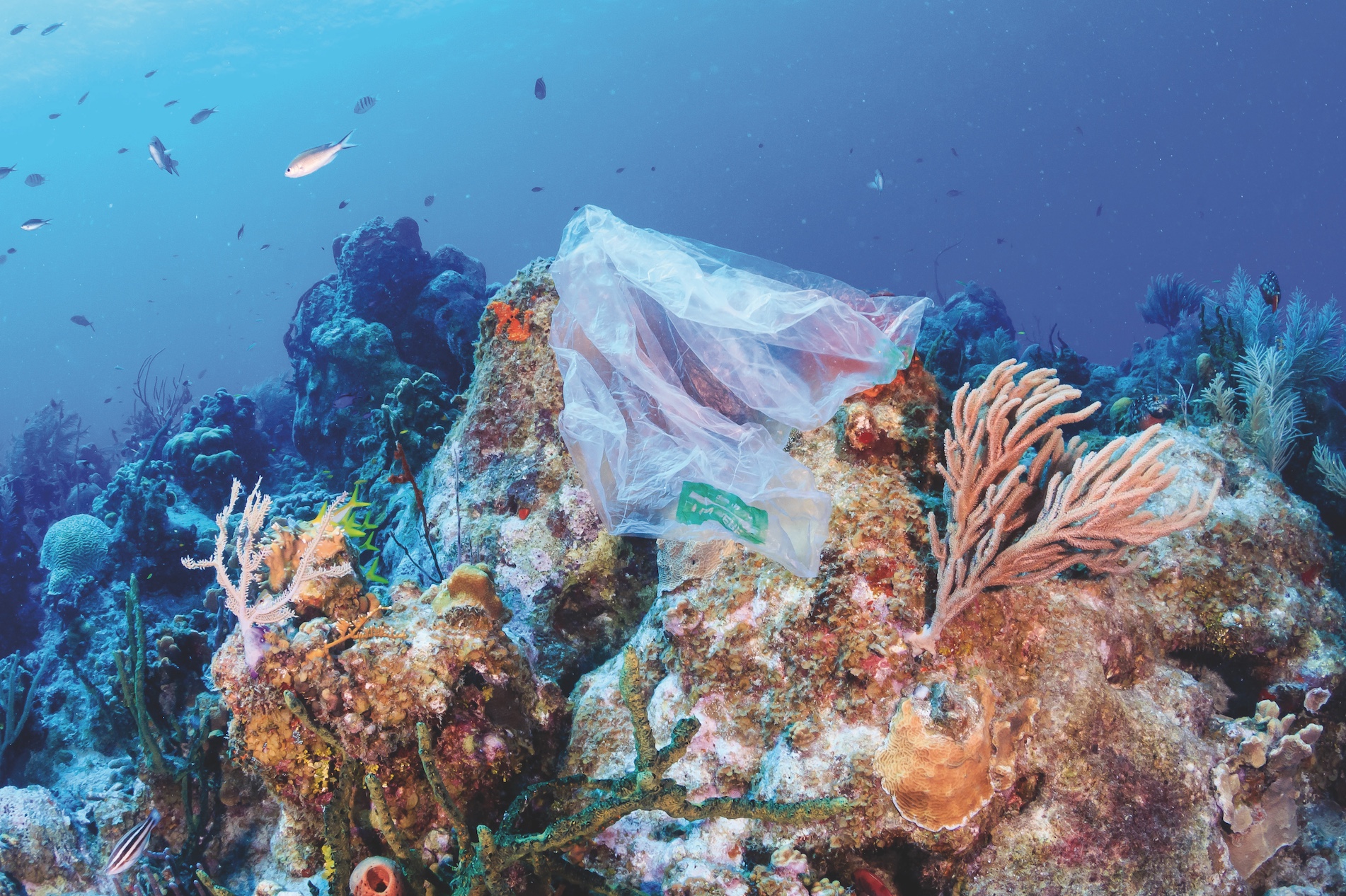
The wording of this target is misused by global industries to frame the issue in their favor. This strategy entails stressing certain aspects while omitting others, which manipulates and misdirects readers. The emphasis on marine plastic pollution suggests that the problem of plastic pollution can be adequately solved through end-of-pipe initiatives, such as clean-ups, recycling, improvement of waste collection and incineration. Meanwhile, human health risks and the ongoing increase of plastic production are completely ignored.
A clear example of this strategy is the reaction of the World Plastics Council to the resolution adopted by the 3rd United Nations Environment Assembly in December 2017 in Kenya. That resolution called for the strengthening of international governance structures in order to fight plastic pollution. The World Plastics Council, which represents all plastics producers worldwide, instantly responded to the resolution with a press release, welcoming the resolution because of the worldwide consensus that “better waste management” is needed to put an end to plastic pollution. To further its case, the press release refers to a report published in 2015 entitled “Stemming the Tide; Land-Based Strategies for a Plastic-Free Ocean”.
The biggest contribution to the plastic soup originates from five Asian countries (China, Indonesia, the Philippines, Vietnam and Thailand). The report, largely funded by companies such as Coca-Cola, Dow Chemical and The American Chemistry Council who have vested interests, advocates better refuse collection in these countries. The word ‘reduction’ is not even mentioned. The framing of the issue does not end there—the press release concludes by demonstrating how “good” plastics are. They are apparently “valued” for their benefits and environmental performance compared to other materials.
The implicit message of this industry is clear: the world can carry on buying and using plastics with impunity, since these products are “good” for the environment. Waste management is the where the problem truly lies. The responsibility of regulating plastic pollution therefore falls upon governments and consumers, and not upon companies.
Not SDG 14, but SDG 3 and 12
The Plastic Soup Foundation, together with an international coalition of NGOs united in the Break Free From Plastic movement, believe that it is not SDG 14—with its focus on ocean clean-up—that should be the starting point for strengthening international governance in the fight against plastic pollution. The world should instead concentrate on SDG 3 (Health and well-being) and SDG 12 (Sustainable consumption and production) in order to prioritize real solutions that address the problem at its core.
This would compel organisations to confront plastic pollution throughout its entire life cycle. The initial focus would then be to realize an absolute reduction in plastic production in order to avoid and prevent plastic from entering the environment and thereby imposing health risks.
The world must refute the solutions proposed by multinational firms that promise 100% recyclable packaging, which entails using recycled material to replace new plastic and to reduce the amount of plastic per product. These solutions, which are often implemented by national governments when determining policy, simply allow businesses to function as usual, which translates to an unlimited growth of plastic, especially single-use plastic packaging.
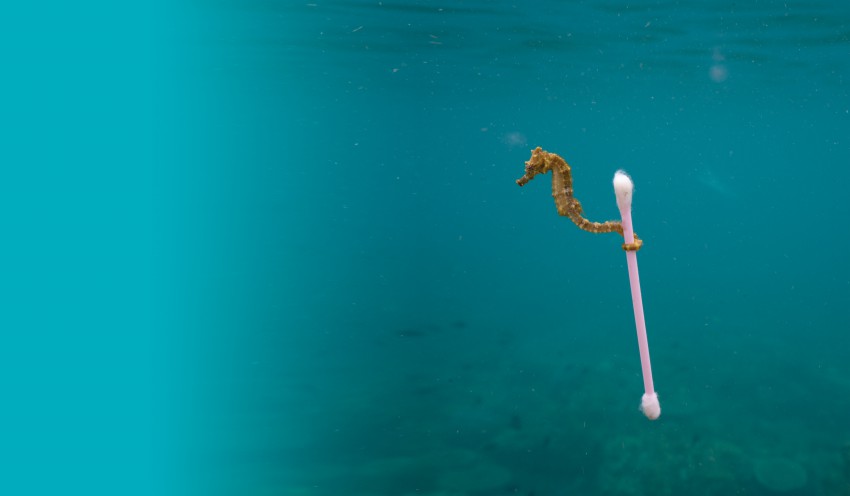
In “Plastics Exposed”, a recent study based on a large household brand audit conducted in the Philippines, it was revealed that Nestlé, Unilever and Procter&Gamble—the same multinationals that embrace these misleading solutions—contribute the most to plastic pollution. In the Philippines alone an estimated 118 million pieces of low-value non-recyclable multilayer sachets are used every day.
Another recent example of the industry’s approach is the foundation of the Alliance to End Plastic Waste, in which 27 companies have pledged more than 1 billion dollars to fight plastic pollution. This approach is two-fold: on the one hand, solutions are to be developed for size and treatment of plastic waste, yet on the other hand, reuse and recycling are promoted. The founding companies are among the world’s biggest investors in new plastic production plants. Signatories like Shell and ExxonMobil are actually investing tens of billions of dollars in new plastic production.
SDG 3 – Health and well-being
Countless illnesses are related to plastic. A recent report known as “The Plastic & Health. The hidden costs of a plastic planet” illustrates the severity of accumulated health risks due to the individual phases in the life cycle of plastic. The phases are not only plastic in the environment, but also include: mining and transport of fossil raw materials, refining and production, processing of the raw materials into plastic production pellets, consumer products and packaging, and waste processing. Plastic is posing a health risk worldwide that must be challenged. In order to call attention to the health effects, the Plastic Soup Foundation launched the Plastic Health Coalition. You may read our Position paper on this issue.
SDG 12 – Sustainable consumption and production
Plastic production based on fossil fuel feedstock consumes an estimated 8% of current global oil production. The natural gas boom, especially in the United States, made plastic feedstock cheap and abundant. Ethane, originating from shale gas sources, has become the new feedstock for the petrochemical ethylene, with crackers converting ethane into ethylene. This is then processed into an intermediate product of plastic production pellets, which are used to make a variety of plastic products, including polyethylene (PE), polyvinylchloride (PVC), polystyrene (PS) and polyethylene terephthalate (PET).
Editor’s Picks — Related Articles:
 “Plastic Whale: Fishing for Plastic and Saving the Planet”

“The Ocean Cleanup: Cleansing Our Oceans From Our Plastic Sins”
This development led to a significant drop in the cost of production of virgin plastic, therefore causing an increase in usage and waste of cheap plastic. Current investments of billions of dollars by major integrated oil companies compromise any international agreement on the reduction of plastic. To conclude, the SDGs do offer a framework for action, but the emphasis should not only be put on SDG 14, but also on SDG 3 and SDG 12 in a more equal manner.
What to do?
“How can we reduce plastic production and its associative harms in the first place?” As explained in a press release by the Center for International Environmental Law (CIEL) in March 2019 at the 4th UNEA, a group of over twenty civil society organizations from the Break Free From Plastic movement will be pushing member states to ask this question, demanding that civil governments attack plastic pollution at its source.
If the fight against plastic pollution had been a separate SDG or an accepted planetary boundary, it would be easier to reach an international agreement. Fortunately, one solution comes in drafting a new global convention in order to prevent both growth in plastic pollution and in harm to human health at all phases of the plastic production cycle.