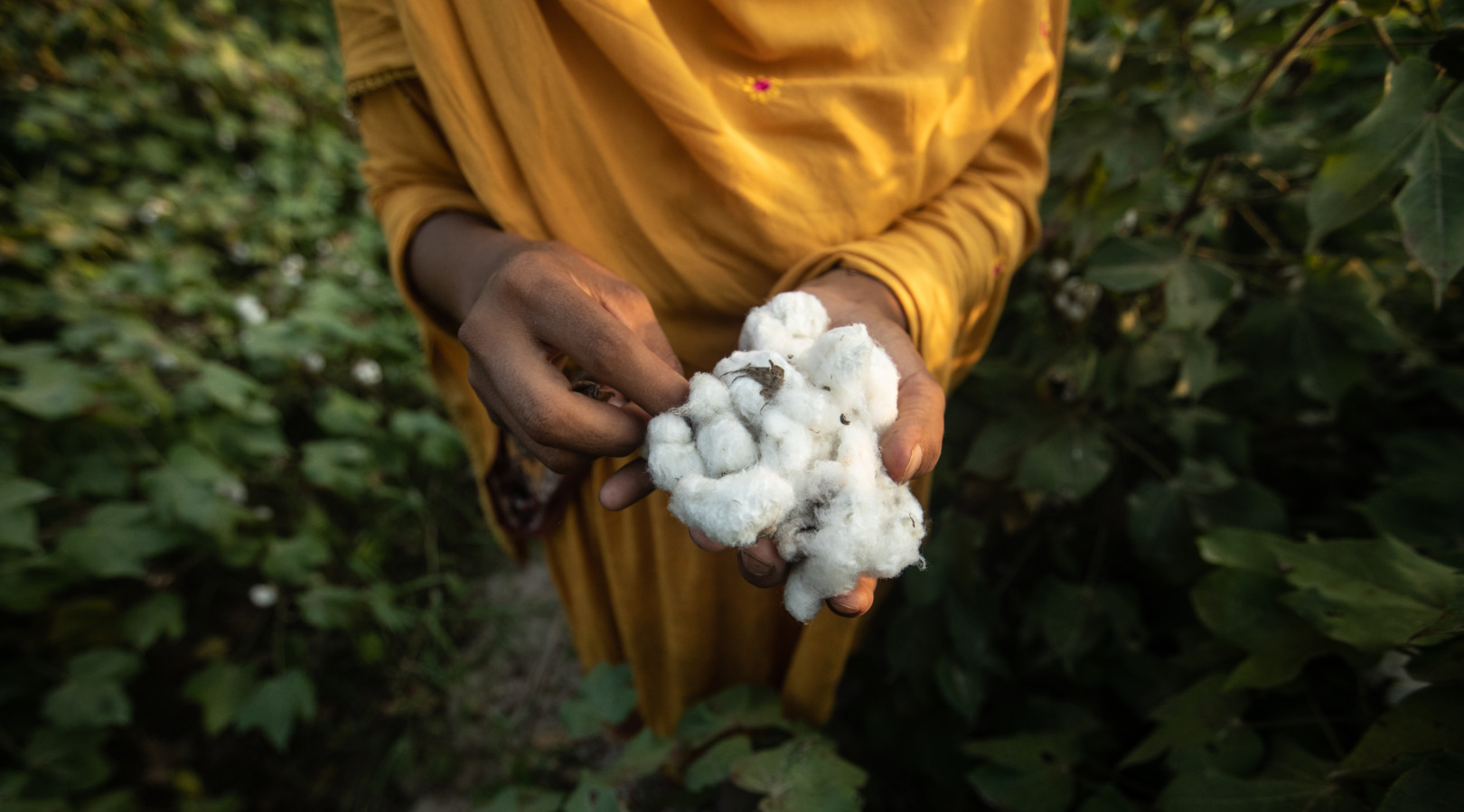
Whether it is used to make classic blue jeans and a tight white T-shirt, or a high thread-count bedsheet and reusable nappies, cotton comes with a production story.
This story starts not in a factory, but in cotton fields and their surrounding communities. At present, it is one in which there are still very few women leads; but, this is a story that can change.
Not a simple numbers game
According to the Food and Agriculture Organization of the United Nations (FAO), roughly 31.5 million farmers cultivate cotton worldwide and almost half are women (46%).
At first glance, this representation sounds promising, but headline numbers only tell half the story.
When we break these totals down by geography, country, role and task, the story gets a lot more complex. It makes a real difference what the actual job is, and where. For example, the FAO found that more than one-fifth of all cotton production takes place in India.
The number of women employed on these farms is high. Along with Pakistan, India is one of the countries where the sustainable trade initiative IDH estimates women account for as much as 70% of the cultivators and even 90% of the cotton pickers.
Yet, as our 2023 India Impact Report has highlighted, whilst 85% of rural women in India are engaged in agriculture, only 13% own land. The inequality is still plain to see.
Sustainable livelihoods, not just jobs
Much of the vital work women do is low-skilled and low-paid. Due in part to deeply ingrained cultural traditions and social norms that keep them in domestic roles, women face disproportionate barriers and are seldom found in decision-making roles.
Furthermore, in the labour-intensive jobs more commonly done by women, the working conditions are typically worse, with long hours spent out in the field, in the heat. This can mean the women in these roles are not only cash-poor, but time-poor, too.
In response, our ambition at Better Cotton extends beyond basic job counts towards sustainable livelihoods. This means cotton farmers, workers and communities will have the knowledge, skills, power and choice to access the resources they need to sustain or improve their wellbeing, regardless of gender.
Principles in practice, in partnership
So, how do these principles play out, in practice?
Well, Better Cotton has set itself a 2030 target of reaching one million women in cotton with programmes and resources that promote equal farm decision-making, build climate resilience, or support improved livelihoods. In all of this, collaboration is key.
By the time International Women’s Day comes around again, we’ll have strengthened existing ties and forged new partnerships with textile industry actors, helping advance our work towards gender equality.
Working with our multistakeholder network on a revised gender strategy, we’ll also have actioned plans to unlock field-level finance. As a traceability win-win, this will reward Better Cotton Farmers for performance around environmental and social sustainability.
Related Articles: Investing in Women and Girls Makes Economic Sense and Accelerates Progress for Millions of People | Heatwaves and Floods Affect Rural Women and Men Differently | How Does Climate Change Affect Agriculture? | Connections That Matter: Climate Change and Gender Equality | Gender Equality: The Foundation for Achieving the Global Goals
Much of this may sound aspirational, but we have already revised our field-level standard to prioritise gender and mainstream inclusive approaches. This is in addition to improving farm labour monitoring that will better equip us to identify and remediate emerging issues.
We want women in cotton to realise their full potential, free from gender discrimination, so that they can participate and benefit equally from training and opportunities in cotton communities. This includes recognition for their work, access to and control over economic resources (like land and credit), and decision-making power.
Driving change through investment
Training makes a tangible difference. Its success can be seen in fields and lives, alike.
In Maharashtra, western India, for instance, a two-year gender analysis by Sattva and IDH found that training women in cotton cultivation boosted adoption of best farm practices by 30-40%.
When it comes to personal life stories, though, training can bring about profound change — take the case of Almas Parveen, a 27-year-old woman in Punjab, Pakistan.
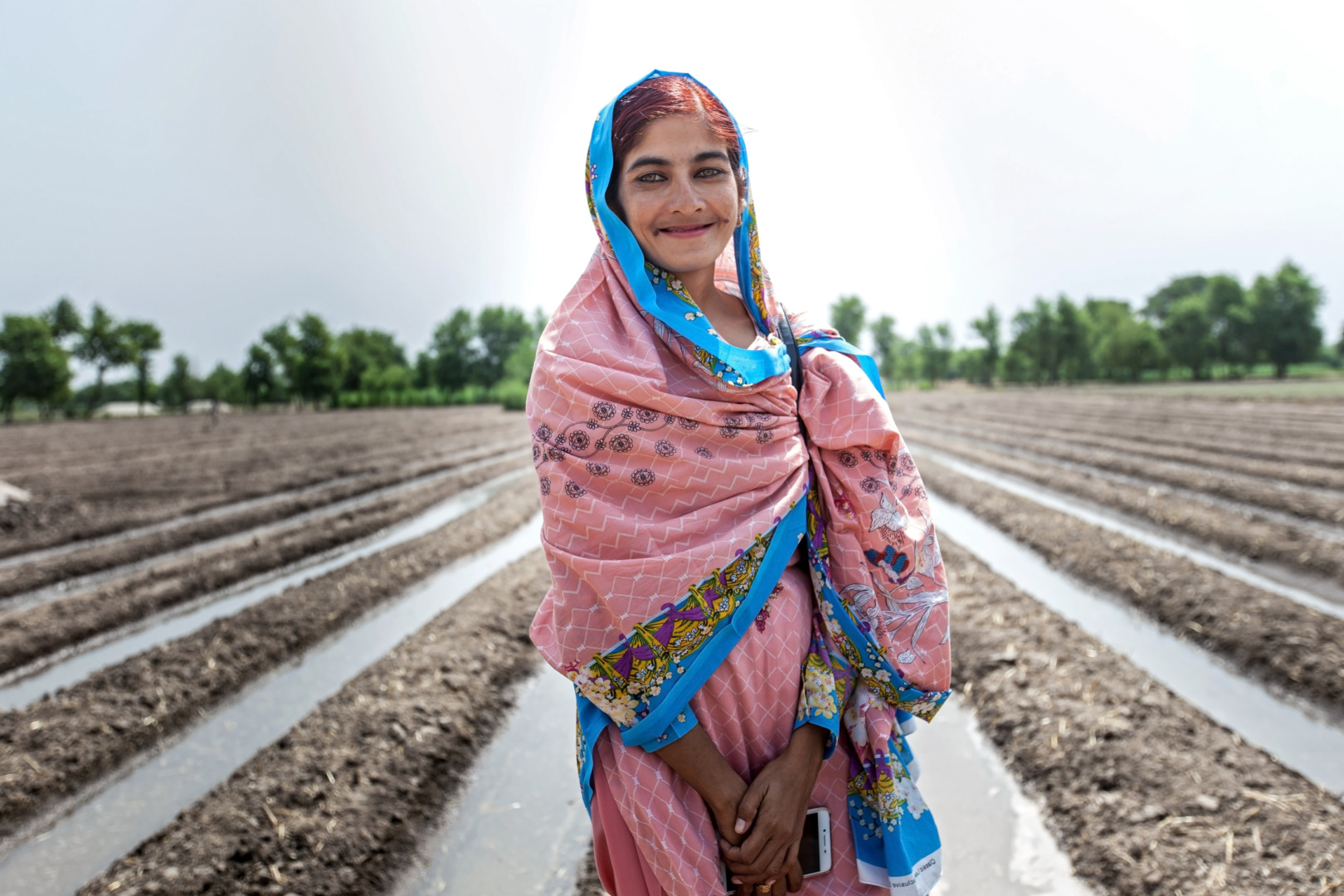
One of four siblings, Almas had been running her family’s nine-hectare farm since 2009, in place of her elderly father. Better Cotton’s local Partner, the Rural Education Economic and Education Development Society (REEDS) was working with her to raise productivity.
As her interest and competence grew, Almas wanted to spread the word, and enable other farmers — both men and women — to benefit from what she had learned.
So, in addition to managing her own farm, Almas completed the training with REEDS and qualified to become a Better Cotton Field Facilitator, paid to train other farmers.

Right now, women Field Facilitators remain rare in the Global South. Numbers are up, though, rising from a mere 10% to 15% in India, for example, over just 12 months in 2022.
The total is still small, but the change is not; and, for the likes of Almas, it wasn’t easy. She faced discrimination and opposition from community members, before winning them over.
This is women’s empowerment in action. We want women in leadership positions, with representation for their voices to be heard. This is where Almas is now; this is change.
Editor’s Note: The opinions expressed here by the authors are their own, not those of Impakter.com — In the Featured Photo: Farm-worker Shahida Parveen picking cotton in her family’s cotton field, Rahim Yar Khan, Punjab, Pakistan, 2019. Featured Photo Credit: Better Cotton/Khaula Jamil.