Today’s ESG Updates
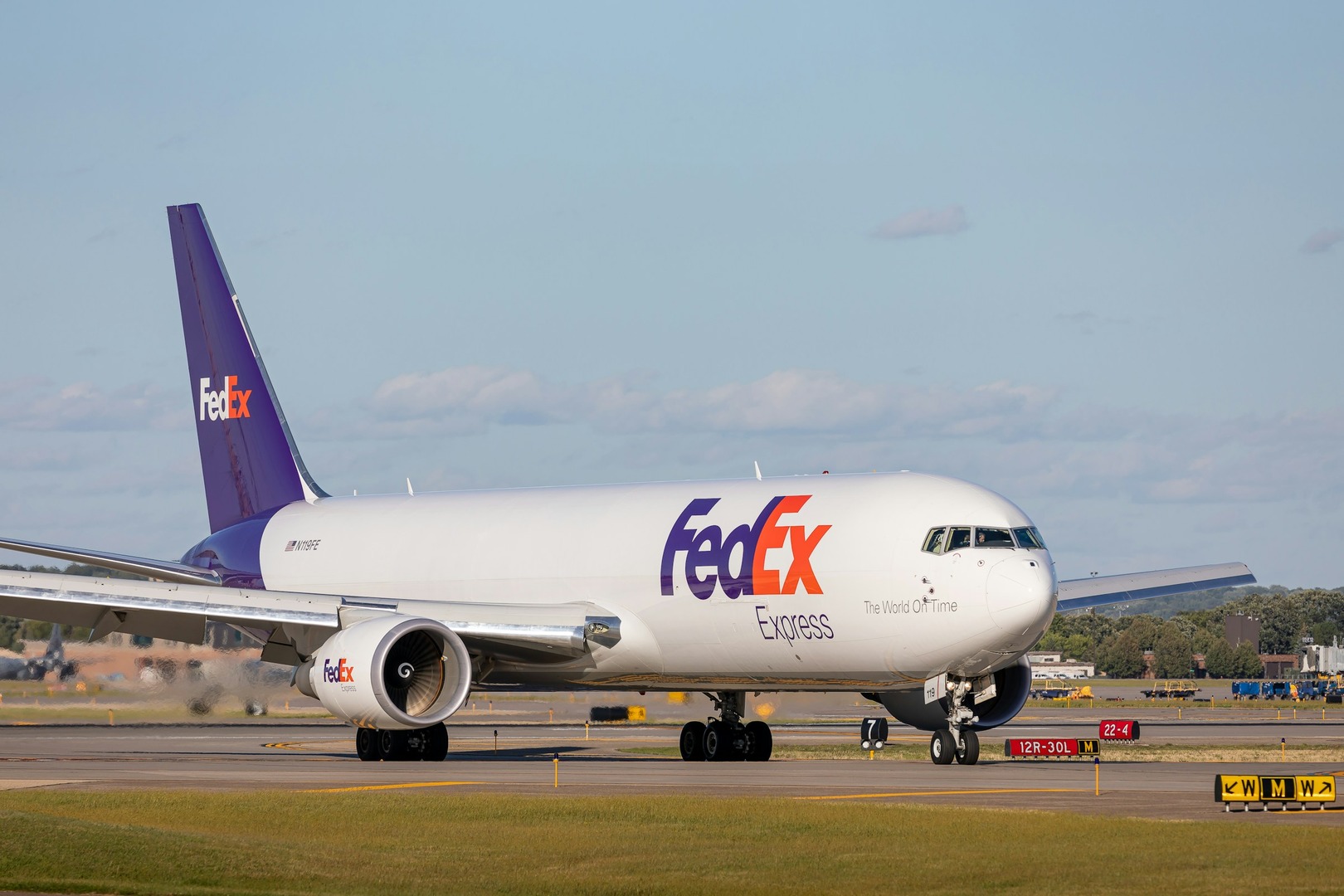
- FedEx Launches Reusable Packaging: New reusable packaging for B2B shipping can last 50 cycles, cut costs 30%, and reduce emissions up to 88%.
- EV Adoption in Australia: Replacing 1 million petrol cars with EVs could cut foreign fuel use by over 1 billion litres annually.
- Trafigura & Minerven Gold Deal: The partnership launches a responsible gold-sourcing programme to ensure compliance and curb illegal mining.
- Tesla & LG $4.3B Battery Deal: Tesla and LG will build a Michigan facility to produce LFP batteries for Megapack 3 systems starting in 2027.
FedEx launches reusable packaging for sustainable B2B logistics
FedEx launched a reusable packaging system for B2B shipping to reduce waste and carbon emissions. The system was developed in partnership with Returnity, which specialises in reusable packaging systems for logistics, retail, and e-commerce supply chains. It’s designed for closed-loop environments, and well-suited for in-house fulfillment centers, store restocking, or field service support, where returns and reuse are controlled and predictable.
The lifespan of each reusable packaging is up to 50 shipping cycles, and each cycle can reduce costs by up to 30% compared to single-use packaging. Moreover, there is a 64%-88% emissions reduction compared to single-use corrugated packaging.
The system is currently available in the U.S., with plans to expand to Australia and Europe.
***
Further reading: FedEx Launches Reusable Packaging for B2B Shippers
Klimado – Navigating climate complexity just got easier. Klimado offers a user-friendly platform for tracking local and global environmental shifts, making it an essential tool for climate-aware individuals and organizations.
EV adoption in Australia could reduce reliance on foreign fuel by billions of litres
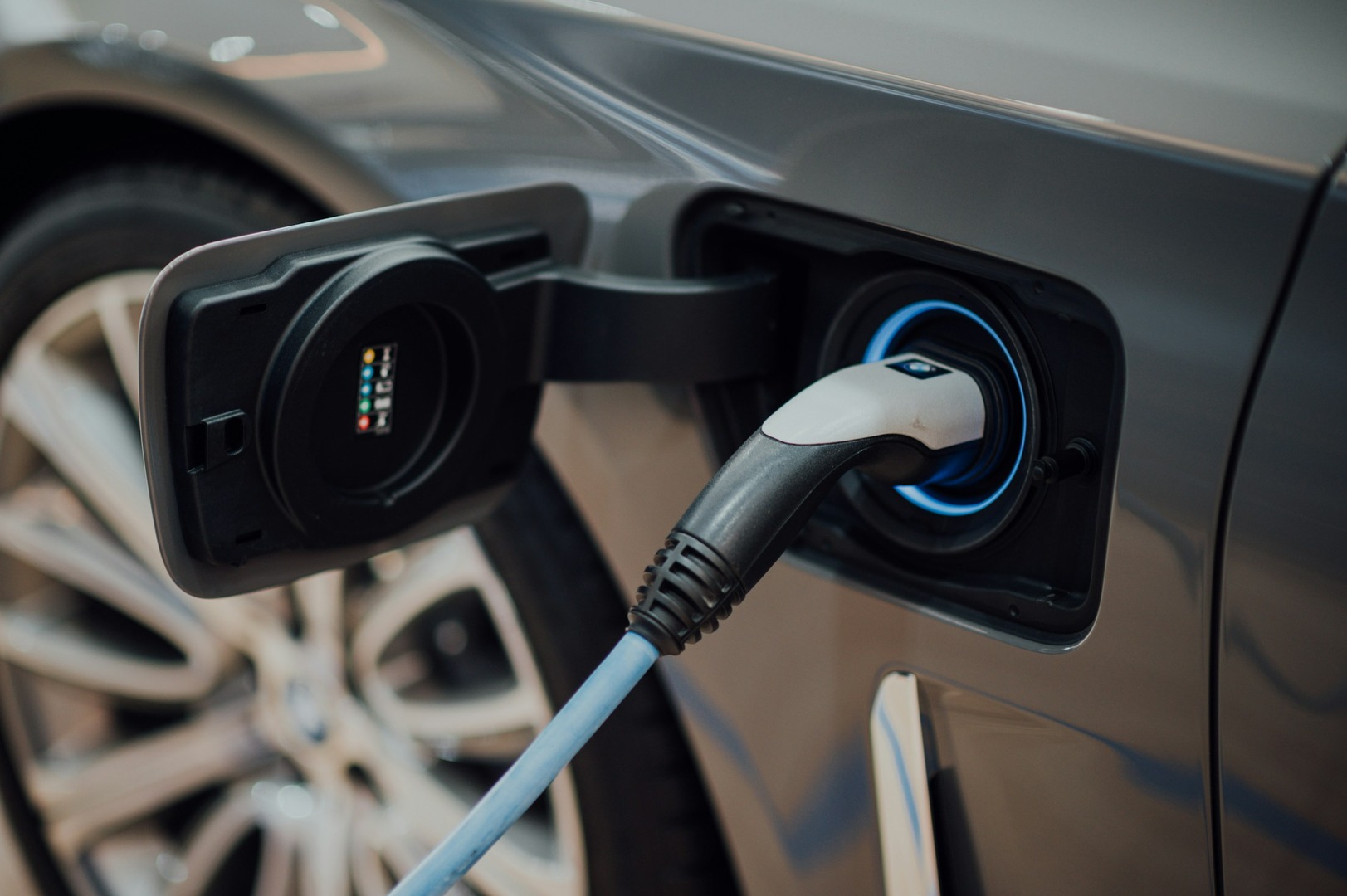
Switching from petrol cars to electric vehicles (EVs) could greatly reduce Australia’s dependence on foreign fuel and lower emissions. Experts say EV adoption shifts energy consumption from imported petrol to domestically produced electricity, making Australia less exposed to global oil price shocks.
Australia could reduce its reliance on foreign fuel by more than 1 billion litres a year if 1 million petrol cars are replaced with EVs. Currently, only about 2% of Australia’s 20 million vehicles are EVs. Annual fuel consumption by petrol and diesel cars in Australia is about 25 billion litres, so replacing half of all vehicles with EVs could cut consumption by around 12 billion litres.
***
Further reading: Replacing 1m petrol cars with EVs could cut Australia’s reliance on foreign fuel by 1bn litres a year
Related Articles
Here is a list of articles selected by our Editorial Board that have gained significant interest from the public:
Trafigura and Venezuela’s Minerven launch responsible gold‑sourcing programme

Trafigura will partner with Venezuela’s state-owned miner Minerven to develop a responsible gold-sourcing programme. The programme is part of a pre-payment deal in which Trafigura will buy and sell gold dore produced exclusively by Minerven, with the supply ranging from 650 kg to 1 metric ton. The initiative aims to ensure compliance with labor and regulatory standards and avoid gold linked to illegal or criminal mining activities, particularly in areas like the Orinoco Mining Arc. The programme is intended to improve the credibility and international acceptance of Venezuela’s gold industry.
According to official data, Venezuela’s gold production rose 37% to 9.5 tons in 2025. Venezuela’s central bank had 47 tons of gold in its official reserves as of the end of 2025.
***
Further reading: Trafigura to help Venezuela’s Minerven develop a responsible gold-sourcing programme

Tesla and LG Energy Solution sign $4.3 billion U.S. battery deal
The U.S. government has officially confirmed that Tesla and LG Energy Solution have signed a battery supply agreement to build a $4.3 billion battery cell manufacturing facility in the United States. The facility will produce lithium iron phosphate (LFP) prismatic battery cells in Lansing, Michigan, boosting domestic battery supply chains. The batteries are intended to power Tesla’s Megapack 3 energy storage systems in Houston. The deal was part of a broader statement on deals highlighted by the Trump administration at the Indo-Pacific Energy Security Summit.
The production at the new battery facility is scheduled to begin in 2027.
***
Further reading: US government confirms Tesla and LG Energy Solution’s $4.3 billion battery deal
Editor’s Note: The opinions expressed here by the authors are their own, not those of impakter.com — Cover Photo Credit: Nick Morales