Today’s ESG Updates
- Europe’s Extreme Weather Costs Soar: Annual damages more than doubled this decade, hitting €44.5B between 2020 and 2023.
- Malaysia Unveils Plan for Decarbonizing Steel: The plan aims to achieve a “fully green” sector by 2050, incorporating carbon pricing and regional decarbonization hubs.
- Trump Pushes Coal Expansion: The Trump Administration announces its plan to increase U.S. coal output despite climate and market headwinds.
- Mercedes Bets on Low-Carbon Aluminium: Partnership with Norsk Hydro cuts emissions in Mercedes EV supply chains by 40%.
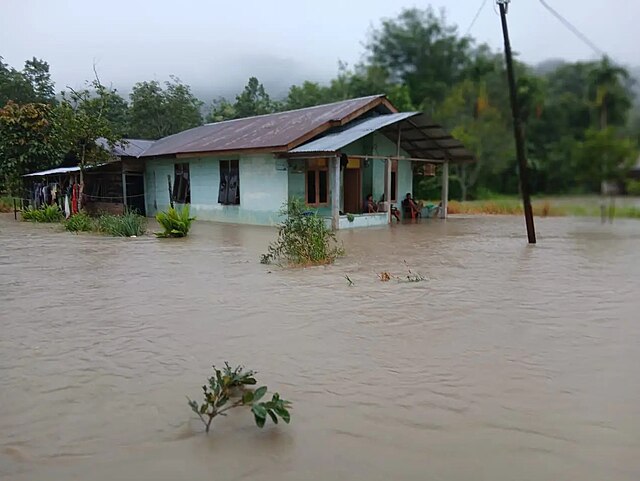
Europe’s extreme weather losses double this decade
Europe’s economic losses from natural disasters fueled by climate change more than doubled this decade, reaching €44.5 billion annually between 2020 and 2023, compared with the previous ten years, according to the European Environment Agency. The EEA report warns of escalating financial risks associated with ecosystem degradation, water scarcity, and volatile weather, with 75% of eurozone companies being highly dependent on natural ecosystems. Banks are also exposed, with three-quarters of loans tied to resource-reliant businesses and 15% of industrial assets located on floodplains. As EU leaders debate a 90% emissions cut by 2040, natural carbon sinks are weakening, undermining progress. The findings highlight mounting risks to Europe’s competitiveness and prosperity as extreme weather spares no region.
***
Further reading: Europe’s bill for extreme weather damage more than doubles this decade
Klimado – Navigating climate complexity just got easier. Klimado offers a user-friendly platform for tracking local and global environmental shifts, making it an essential tool for climate-aware individuals and organizations.
Malaysia announces plan for a green steel industry by 2050
Malaysia has announced a 10-year roadmap for its steel industry, aimed at decarbonization and market reform, with the goal of achieving a fully green sector by 2050. The plan includes stricter licensing rules, a carbon pricing framework, and financing tools to enable the shift toward higher-value, lower-emission production. With upstream capacity projected to be nearly triple domestic demand by 2030, overcapacity poses a significant competitiveness risk. Trade Minister Tengku Zafrul Aziz also urged ASEAN members to create a shared database to manage overcapacity, prevent dumping, and build green steel hubs. The roadmap positions Malaysia to align with global climate standards while addressing regional steel imbalances.
***
Further reading: Malaysian steel industry roadmap aims for “fully green” sector by 2050

Trump continues push to boost U.S. coal output

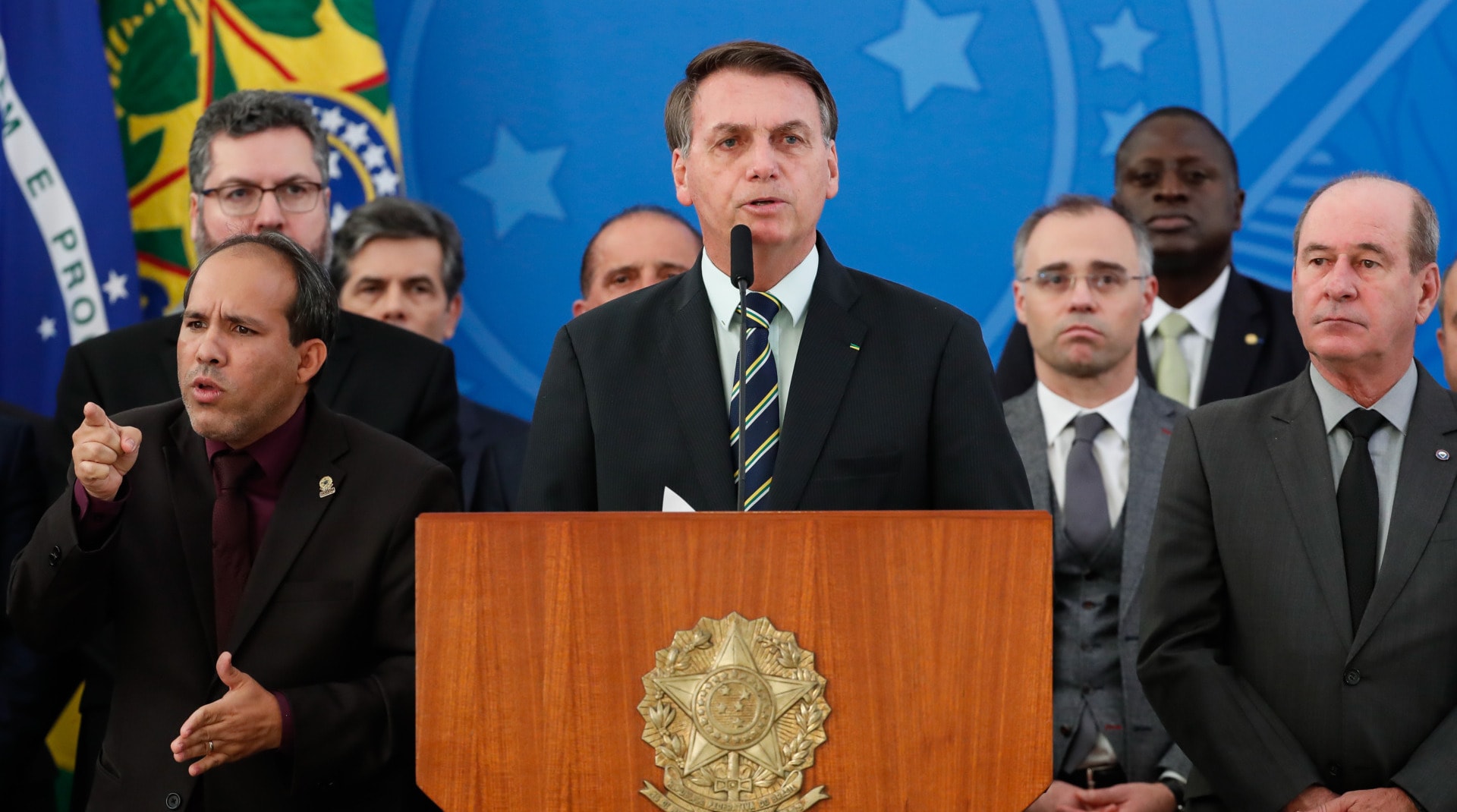
Trump administration officials unveiled plans to expand U.S. coal production, pledging regulatory rollbacks and federal support to revive the struggling industry. The proposal, announced just as world leaders gathered for the U.N. General Assembly, signals a sharp break from global decarbonization efforts and further isolates the U.S. on climate policy. The administration argues that coal is vital for energy security and jobs, but critics warn that it will lock in high emissions and exacerbate climate risks. The move highlights the widening gap between U.S. policy under Trump and the global shift toward renewable energy, underscoring heightened risks for investors focused on sustainable energy transitions.
***
Further reading: Trump administration to expand coal leasing, fund coal plant upgrades
Mercedes-Benz cuts EV Emissions with low-carbon aluminium

Mercedes-Benz is cutting CO2 emissions in its new electric CLA model by using low-carbon aluminium from Norwegian producer Norsk Hydro. The aluminium, made with renewable energy and 25% recycled scrap, emits just 3 kg of CO2 per kilogram—far below the global average of 16.7 kg. While the premium comes at higher costs, Mercedes executives argue that sustainability and luxury are inextricably linked, with growing demand offsetting market headwinds. The partnership, which reduces emissions in production by 40% compared to the car’s predecessor, demonstrates how automakers and suppliers can share the costs of decarbonization.
***
Further reading: Mercedes cuts EVs’ environment footprint with low-carbon aluminium
Editor’s Note: The opinions expressed here by the authors are their own, not those of impakter.com — In the Cover Photo: Street flooded in Venice, Italy. Cover Photo Credit: Nastya Dulhiier