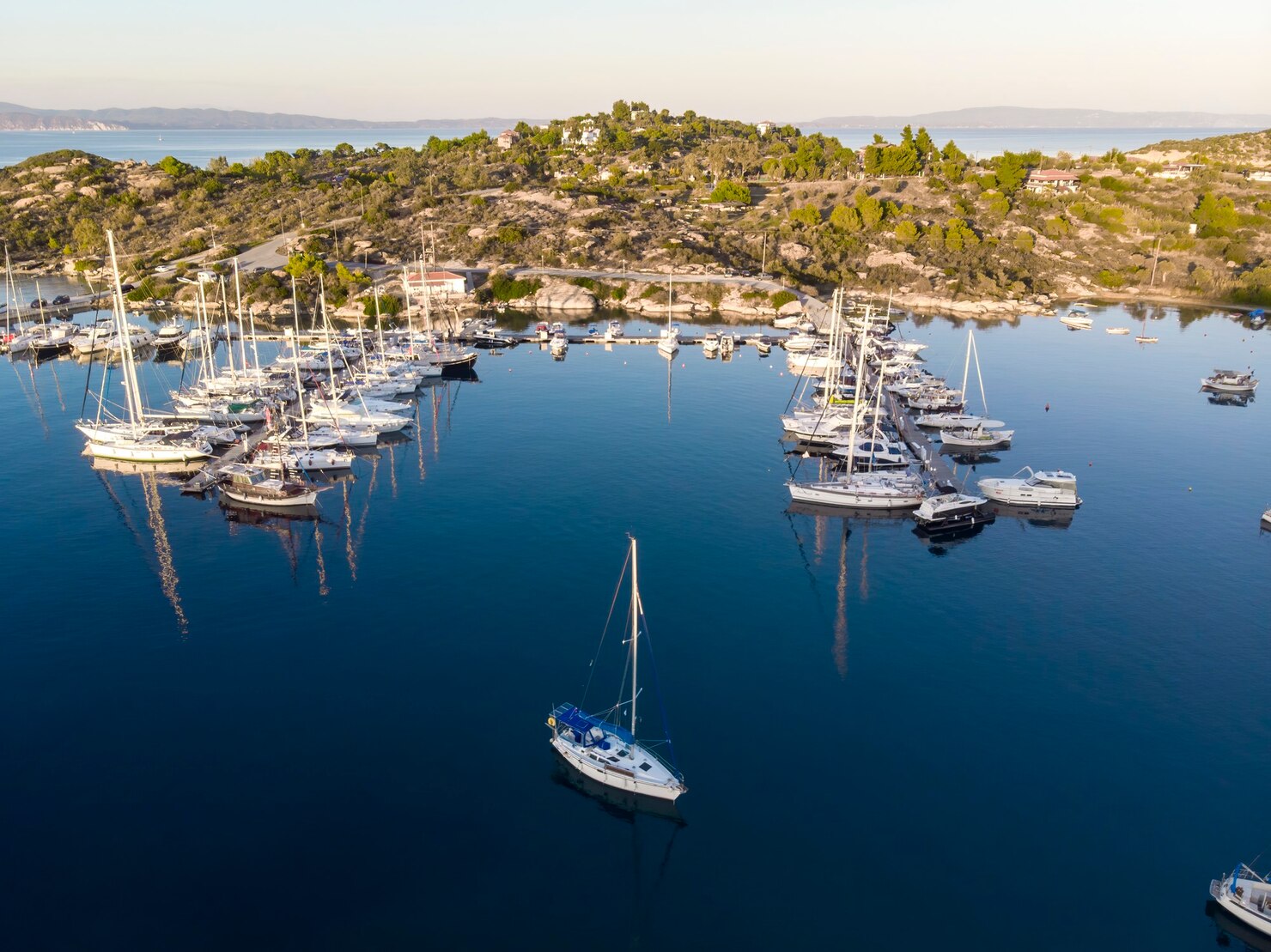
There is a particular kind of freedom that only the sea can offer — waking each morning to a different anchorage, the light shifting across whitewashed facades and volcanic cliffs, the agenda dictated by wind and appetite rather than hotel check-out times. When you decide to charter a yacht in the Mediterranean, the Greek Islands consistently emerge as the premier destination, offering an unparalleled blend of ancient heritage and modern luxury. Seven days is enough time to move meaningfully through the Aegean without rushing — to linger over a late dinner in a harbour square, to swim in water that reads more turquoise on the eye than any photograph can convey. This itinerary is designed for guests who want a structured route with genuine flexibility built in, moving from the quieter waters of the Saronic Gulf out into the iconic Cyclades and finishing on the volcanic drama of the western archipelago.
Selecting Your Route: Why the Cyclades Command Attention
Choosing where to sail in Greece is, in itself, an act of curation. The country encompasses seven distinct island groups, each with its own character, navigational profile, and cultural atmosphere. For a seven-day charter departing from Athens, the Cyclades offer the most rewarding combination of variety and accessibility — sailing distances between islands rarely exceed four to six hours, meaning time on passage feels like part of the experience rather than a logistical obligation. One practical consideration is the Meltemi, the prevailing north wind that sweeps through the central Aegean from late June through August: discuss preferred departure times with your captain in advance.
| Island Group | Vibe & Experience | Navigational Conditions |
|---|---|---|
| The Cyclades | Iconic architecture, vibrant nightlife, world-class dining | Can be windy in July–August (Meltemi) |
| The Ionian | Lush greenery, calm waters, Venetian-era villages | Gentle afternoon breezes, generally forgiving |
| The Saronic Gulf | Historical sites, traditional tavernas, close to Athens | Very protected waters, ideal for families |
For the itinerary below, we follow a Cyclades-focused route with a Saronic warm-up — a structure that eases guests into the rhythm of life aboard before the more open passages begin.
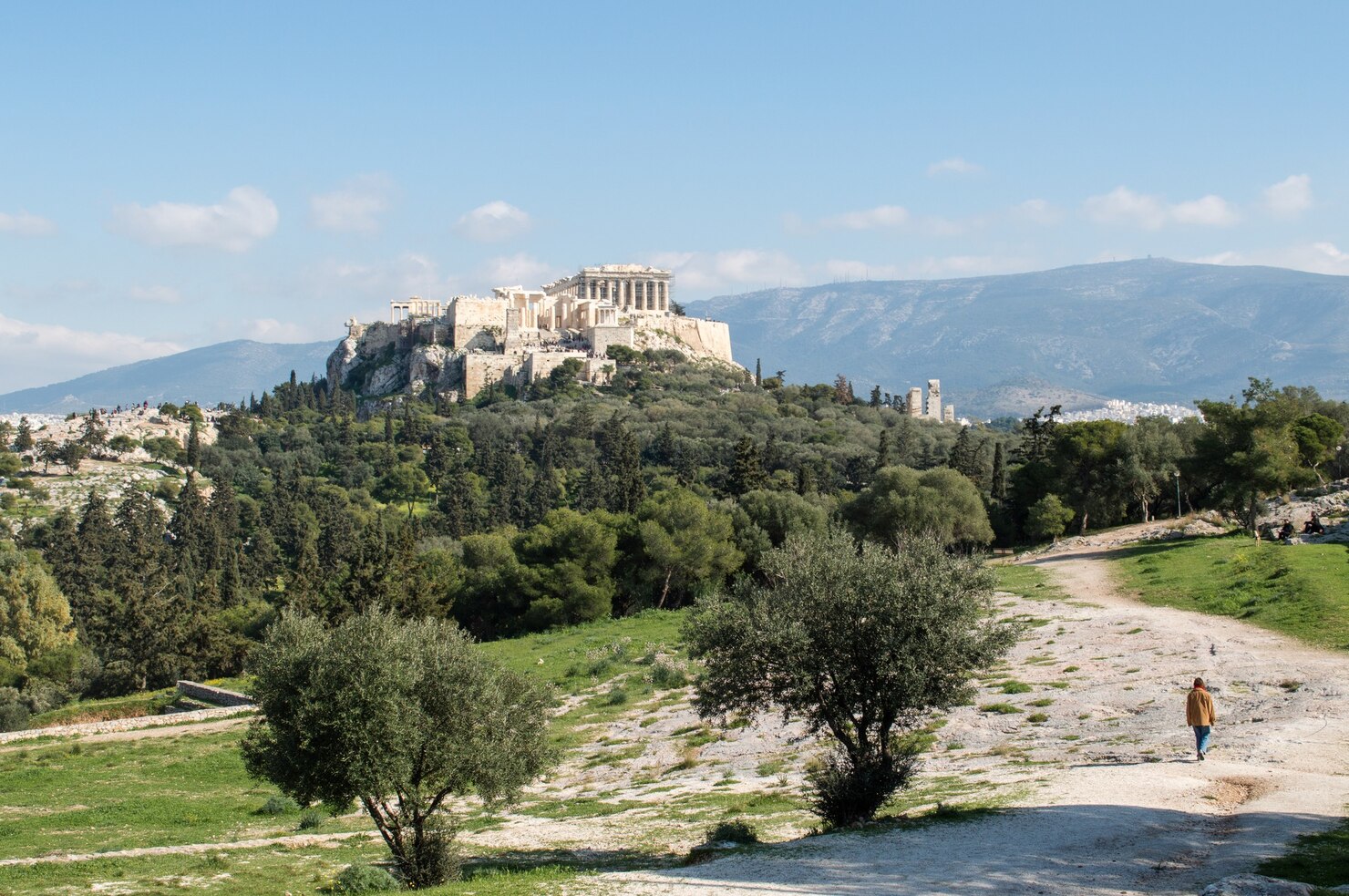
Days 1 & 2: Embarkation in Athens and the Charm of Kea
Day 1: Setting Sail from the Riviera
Most charters depart from Marina Zeas in Piraeus or Alimos Marina on the Athens Riviera — both are well-equipped and straightforward to reach from the airport. Embarkation typically takes place in the early afternoon, giving the crew time to stow luggage, conduct a safety briefing, and carry out vessel checks before departure. With a late-afternoon start, the first night is often spent anchored in a sheltered bay just south of Athens — the Saronic Gulf stretching out ahead, the city lights visible on the northern horizon.
Day 2: The Understated Elegance of Kea
Kea — also known as Tzia — is among the least commercialised of the nearer Cyclades, and that restraint is precisely what makes it a strong opening move. The island’s capital, Ioulida, sits high in the hills above the port, its narrow lanes free of tourist shops and loud bars. A morning walk up rewards with views across a terrain of terraced oak forests and stone walls that could belong to another century entirely.
Divers will find the wreck of the HMHS Britannic — sister ship to the Titanic — lying in roughly 120 metres of water nearby, with guided excursions available from local operators. For non-divers, an afternoon anchored in Vourkari Bay sets a quietly sophisticated tone for the week ahead.
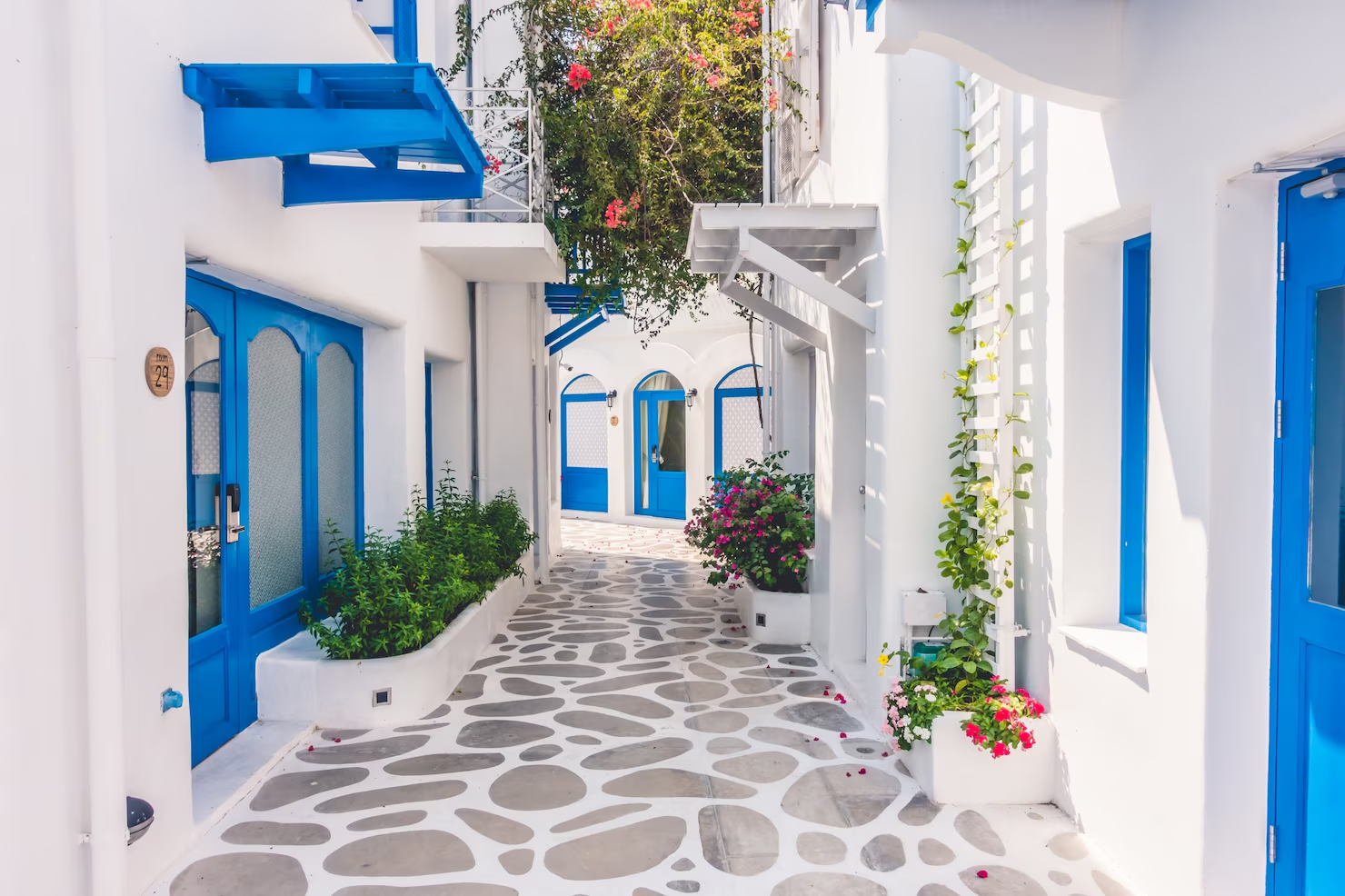
Days 3 & 4: The Cosmopolitan Energy of Mykonos and Delos
Mykonos divides opinion sharply, and rightly so: it is loud, expensive, relentlessly social, and magnificent. Arriving by yacht rather than ferry changes the experience considerably — you sit offshore, using the tender to come and go on your own schedule, retreating to the vessel when the town’s energy becomes too much and returning when it suits you.
Four experiences around Mykonos and the adjacent sacred island of Delos merit serious attention:
- Private tour of Delos: The archaeological site is one of the most significant in the entire Mediterranean — birthplace of Apollo and Artemis according to Greek mythology, and a major commercial hub in the ancient world. Hiring a private guide rather than joining a group tour transforms the visit; the context they provide turns ruins into a working city in the imagination.
- Scorpios and Nammos beach clubs: Both venues represent the more considered end of Mykonos beach culture — good food, impressive wine lists, and a crowd that tends toward European professionals rather than package tourists. An afternoon at either, approached by tender from the yacht, is a genuinely enjoyable few hours.
- Little Venice at sunset: The westward-facing row of buildings cantilevered over the water in Mykonos Town is best seen from the shore, with a drink at one of the tables closest to the sea. The light between 7 and 8 pm in summer is extraordinary.
- Rineia anchorage overnight: The uninhabited island of Rineia lies directly west of Delos. Anchoring here for a night — away from Mykonos’ noise and generator hum — provides the contrast that makes the charter experience complete: total quiet, stars, and water so clear the anchor chain is visible on the seabed.
Day 5: Paros and Antiparos — Authentic Mediterranean Rhythm
The sail south from Mykonos to Paros takes roughly four hours on a broad reach, and it is among the more pleasant passages in the Cyclades — steady wind, a clear horizon, and the gradual appearance of Paros’ low profile on the southern skyline. Arrival into Naoussa, a fishing village on the northern coast, provides immediate visual reward: the small Venetian castle at the harbour entrance, the working boats, the kafeneions along the waterfront where older men play backgammon at tables that have occupied the same position for decades.
Paros offers what Mykonos used to before its international fame reshaped it: good food at honest prices, beaches that are crowded only by Greek standards, and a pace of life oriented around meals and conversation. An afternoon crossing to Antiparos — a short sail or tender ride — introduces an even quieter register. The island has long attracted artists and a low-key international community precisely because it has resisted the excesses that have transformed its neighbours. The sheltered bays on Antiparos’ eastern shore are also the ideal setting for water toys: Seabobs work best in clear, calm water with no boat traffic, and you will find exactly those conditions here.
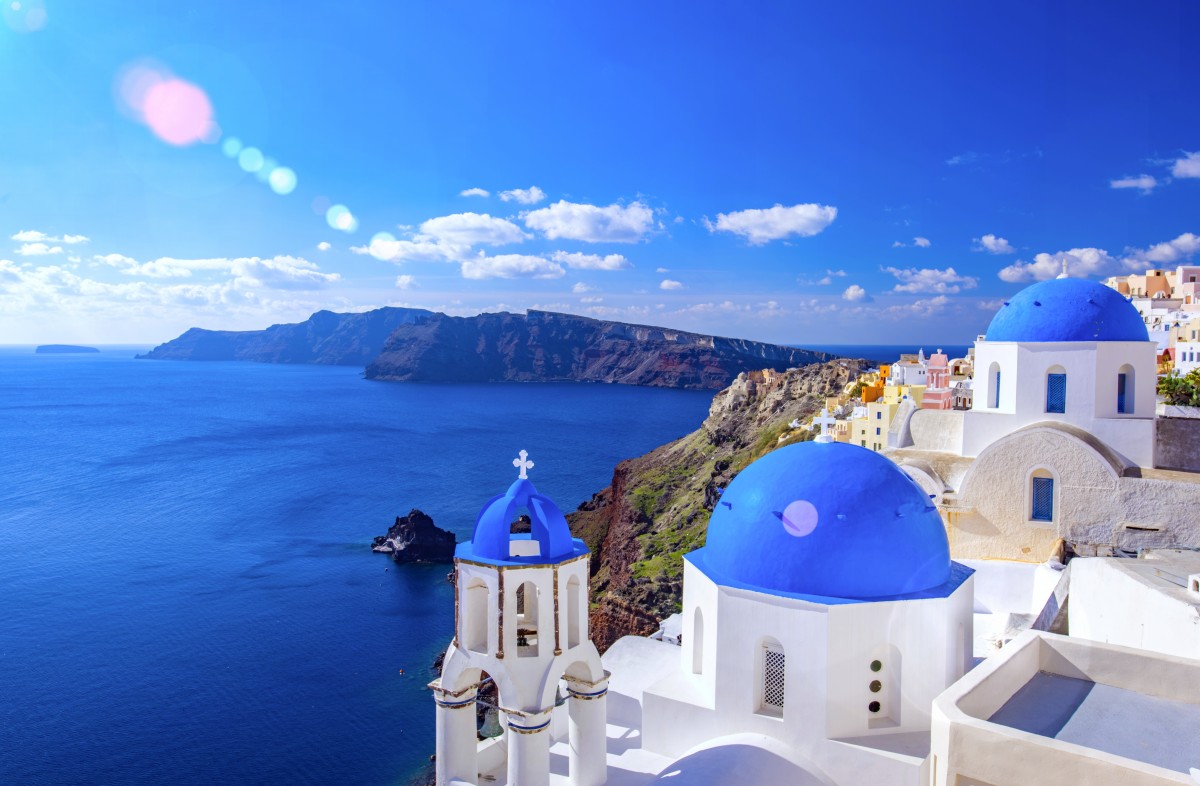
Day 6: The Dramatic Caldera Views of Santorini
Arriving by yacht — sailing into the caldera and dropping anchor between the sheer cliff face and the submerged volcanic crater — is among the genuinely spectacular approaches available to any traveller. The geology is arresting: a collapsed magma chamber, partially submerged, the remaining crescent of the island rising 300 metres sheer from water over 400 metres deep. The practical reality in high season is crowds, but the yacht itinerary inverts this pattern to advantage: arrive in the late afternoon, after the day-trippers have departed, and Fira becomes a different place entirely. The evening ascent to Oia — the northern tip of the island, with its celebrated clifftop restaurants — is best approached with a reservation; alternatively, watching the sun drop behind the caldera rim from the yacht’s cockpit is an equally compelling vantage point.
Day 7: The Lunar Landscapes of Milos and the Return Voyage
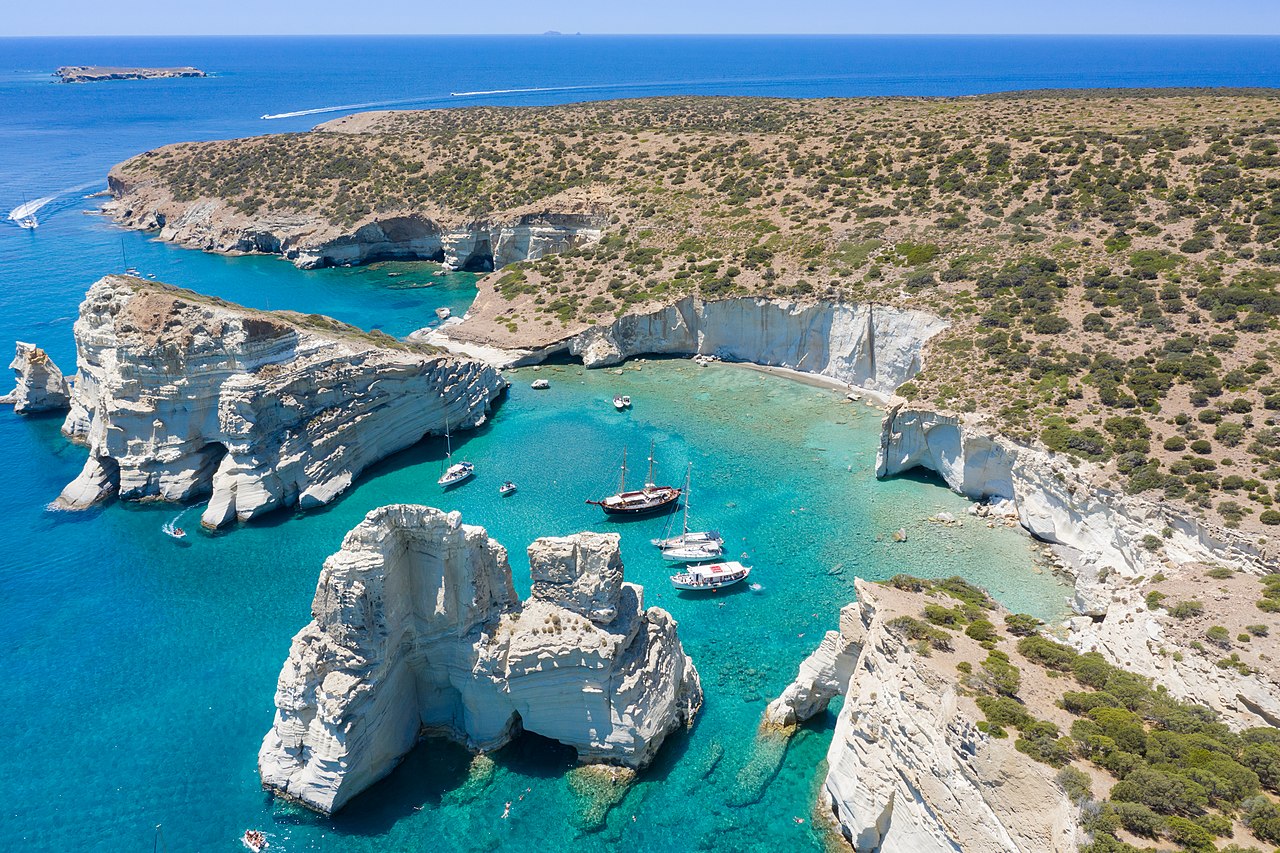
The final sailing day takes the yacht west to Milos, an island whose volcanic origins have produced a coastline unlike anything else in the Aegean. Sarakiniko, on the northern coast, is a stretch of smoothed white pumice that descends into electric-blue water — otherworldly in the truest sense, the rock formations shaped by centuries of wind and wave into curved hollows and natural arches. A morning swim here, before the excursion boats arrive, is among the finest experiences the itinerary offers.
The sea caves at Kleftiko — accessible only by boat on the island’s southwestern coast — served historically as a pirate anchorage, and the sheltered water inside the cave complex remains exceptional for snorkelling. From Milos, the return passage to Athens typically takes six to eight hours, arriving into the marina by early evening. The week ends where it began, though the perspective from which Athens is now seen has shifted considerably.
Anchoring Your Aegean Memories
A seven-day charter through the Greek Islands is a considered introduction to the Aegean — structured enough to cover meaningful ground, yet flexible enough to pause wherever the mood calls for it. The route above works well for groups ranging from couples on a first sailing holiday to experienced charterers returning to a favourite part of the world. When you are ready to plan your own voyage, the next step is a conversation with a charter specialist who can match the right vessel to your group’s size and preferences, and advise on the seasonal timing that best suits your expectations.
Editor’s Note: The opinions expressed here by the authors are their own, not those of impakter.com — In the Cover Photo: Yacht Charter in the Aegean sea. Cover Photo Credit: wirestock