


Today’s ESG Updates
- EU Weighs Sweeping Industry Exemptions to PFAS ban: The EU’s chemical safety watchdog ECHA proposes wider exemptions to the upcoming ban on “forever chemicals.”
- El Niño Raises Stakes as COP31 Struggles Over Finance: Projections say Super El Niño will lead to $11 trillion income loss. COP31 talks show little sign of delivering the urgent funds needed.
- Bezos Earth Fund Awards $100M for Amazon Protection: The philanthropy project announced new grants to support the rainforest.
- Business Council of Australia Clashes With Members’ Values: A research by InfluenceMap found the council’s positions unaligned with the members’ climate goals.
EU should consider wider exemptions on PFAS ban
The European Chemicals Agency (ECHA) proposed a long list of temporary exemptions to the upcoming ban on forever chemicals, attempting to protect key manufacturing sectors. Products such as cars, clothing and medical implants could continue to use PFAS for between 18 months and 13.5 years under the suggested carve-outs. If the Commission accepts, PFAS would continue to circulate in Europe for over a decade.
Solar panels, for example, could continue to contain the chemicals for 6.5 years. Cars and semiconductors for 13.5 years. ECHA did not consider justified exemptions for pesticides and veterinary medicines. The agency could not reach a definite position on all uses, considering the EU’s chemical safety framework unfit to regulate more than 10,000 different PFAS in use.
This is the result of intense lobbying from European industries, out of fear that an outright ban would leave them no alternatives to manufacture their goods. On the other hand, the European Court of Auditors published a report on Wednesday warning that existing restrictions on PFAS had often been gentler than ECHA had advised. According to the Commission, the bloc is on track to pay at least €440 billion to address the impacts of the toxic chemicals by 2050.
Klimado – Navigating climate complexity just got easier. Klimado offers a user-friendly platform for tracking local and global environmental shifts, making it an essential tool for climate-aware individuals and organizations.
El Niño ups the ante as COP31 wrestles over climate finance
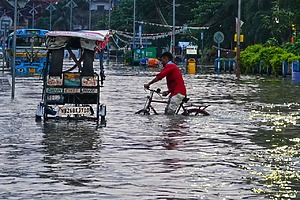
The naturally occurring weather pattern El Niño is amplified by man-made climate change, with the current event expected to be the one of the strongest ever recorded, reaching its peak in early 2027. It has reduced harvests and caused droughts and floods. Climate adaptation funds for developing countries are far from what is needed. With Super El Niño predicted to cause an $11 trillion global income loss, negotiations on finance at COP31 are yet to come close to the goal set at last year’s COP30 in Belém.
The weather pattern puts food security and clean water access at risk. A UNDP report from November 10th claims protecting vulnerable households could cost $36 billion, as compared to $73 billion if governments stall until damage occurs. Refugees are among the most vulnerable. Of the 117 million forcibly displaced people in the world, 90 million are in nations exposed to extreme weather events, according to UNHCR. The agency was only one-third funded this year, after the global retreat from overseas aid led by U.S. President Donald Trump.
Related Articles
Here is a list of articles selected by our Editorial Board that have gained significant interest from the public:
Bezos Earth Fund awards over $100mn to protect the Amazon
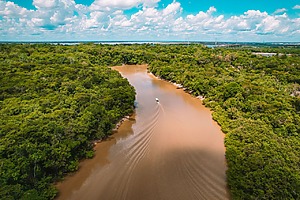
The philanthropic project founded by Jeff and Lauren Sanchez Bezos, the Bezos Earth Fund, announced on Thursday a round of new grants adding up to over $100 million to support the protection of the Amazon rainforest.
The aim is to protect forests and Indigenous lands, restore damaged areas and track the rainforest’s status in real time.
The grants will cover the safeguarding of 37 million acres of land, said the fund, and will reduce annual deforestation by 220,000 acres a year.

Business Council of Australia unaligned with members’ climate values

An analysis by London-based InfluenceMap recently stated that the Business Council of Australia’s (BCA) positions were more aligned with fossil fuels and energy companies, such as Woodside and Santos, than with most of its corporate base.
InfluenceMap’s Australia lead, Jack Herring, said associations such as the BCA are influential in policymaking. Herring also said that lobbying for gas expansion can undermine Australia’s climate goals and put public health and energy affordability for the whole nation at risk.
The study shows more than two-thirds of the assessed members, including Qantas, Coles, as well as major banks CBA and NAB, advocate for stricter climate policies than the council. The study found that the BCA often lobbies for a “technology agnostic” energy transition, which is the language used by the fossil fuel sector to direct renewable energy funding toward gas.
Editor’s Note: The opinions expressed here by the authors are their own, not those of impakter.com — Cover Photo Credit: Tom Fisk