Today’s ESG Updates
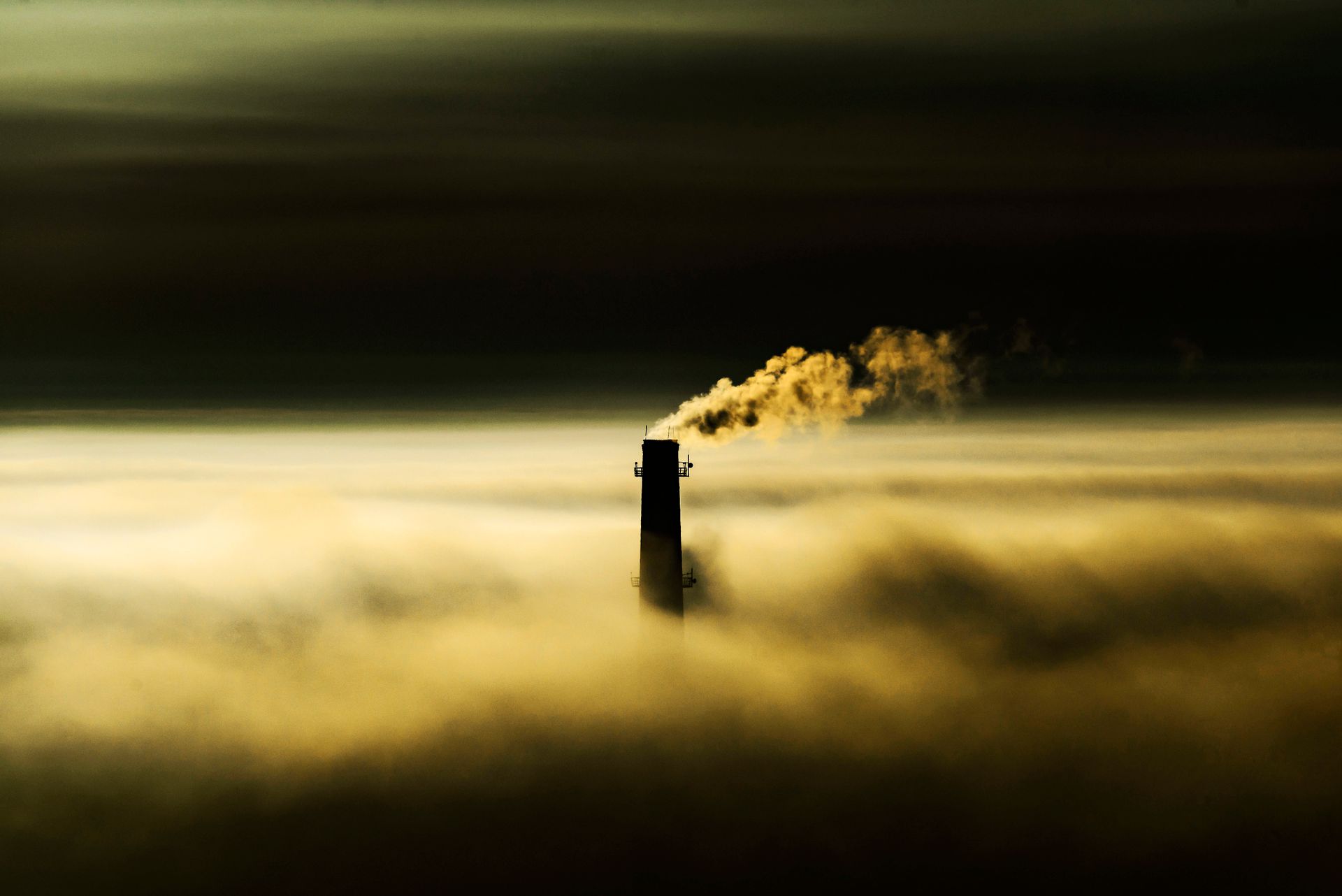
- Fossil Fuels Power the AI Boom as Datacentre Emissions Head for a 70% Rise: The IEA says datacentre electricity use will double by 2030, with the U.S. relying on gas, China on coal and the EU on renewables.
- Climate Scientist Warns an IPCC Delay Puts Global Cooperation at Risk: Russia, India and the Arab group want the seventh assessment held back until 2029, while small island states and the least developed countries want no delay.
- Brussels Pushes Back Methane Import Rules by Two Years After Industry Pressure: Importers of oil, gas and coal now face the duty to track, report and verify emissions from January 2029, and the provisional deal still needs formal sign-off.
- Venezuela Says AI Can Clean Up Its Oil While It Plans to Pump More: The vice minister for AI and hydrocarbons made the case at COP31, yet the IEA puts the country’s methane intensity at nearly six times the global average.
AI data centre emissions set to surge 70% by 2030, IEA warns
The IEA says emissions from the world’s data centres will jump 70% by 2030, as the U.S. and China lean on fossil fuels to power artificial intelligence. The sector’s electricity is set to double, and AI will drive three-quarters of that rise.
China will get about half of its AI data centre power from coal, the agency projects. The U.S. will depend on gas for roughly 60%, and plans announced in August total 180GW of proposed gas plants tied to data centres. The EU is on course for about 70% renewable supply.
The IEA built its outlook on server shipment data, which is up eighteen-fold since 2020, and satellite images of 93 large AI sites. Datacentre developers are already the largest corporate buyers of renewables, yet fossil demand is set to grow faster. IEA chief Fatih Birol sees no credible route back to the energy world as it was before the Middle East war.
Klimado – Navigating climate complexity just got easier. Klimado offers a user-friendly platform for tracking local and global environmental shifts, making it an essential tool for climate-aware individuals and organizations.
IPCC AR7 delay threatens global climate cooperation, warns Rockström
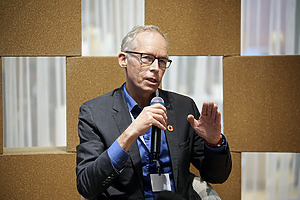
Johan Rockström, director of the Potsdam Institute for Climate Impact Research, has warned that delaying the IPCC’s seventh assessment report (AR7) would weaken global climate cooperation. He spoke at Cop31 and said the panel must work as fast as it can.
Russia, India and the Arab group, Saudi Arabia among them, want AR7 held back until 2029, after the global stocktake due at COP33 in 2028. They say developing nations face barriers when they submit research, and some campaigners argue the panel’s assumptions carry racial bias. Rockström rejects this and calls the science objective, with no north-or-south bias.
Small island states and the least developed countries want no delay. The IPCC says 51% of the 664 authors on its drafts come from developing countries and economies in transition. A budget decision looms, and it may decide whether the report lands in time.
Related Articles
Here is a list of articles selected by our Editorial Board that have gained significant interest from the public:
EU delays methane import rules by two years after U.S. and industry pressure
EU negotiators reached a provisional deal overnight to delay key methane rules for fossil fuel imports by two years, the Council of the EU confirmed. Importers of oil, gas and coal must now track, report and verify emissions from January 2029, not January 2027.
The agreement follows a year of pressure from oil and gas firms, backed by Washington and several capitals, who called the rules unworkable. Some in the industry have questioned that claim. Over 20 years, methane traps about 80 times as much heat as CO2.
Parliament wanted three years, while member states pushed for one. Negotiators dropped a clause that would have allowed a further year of delay, along with a plan to keep the rules for Russian imports, according to Politico. The Council and Parliament must still give formal approval before the changes take effect.

Venezuela pitches AI as route to cleaner oil at COP31, plans higher output

Venezuela says artificial intelligence can help it produce oil and gas more cleanly, as it plans to grow fossil fuel output rather than wind it down. Albania del Mar Villarroel Gomez, the country’s vice minister for AI and hydrocarbons, made the case on the sidelines of COP31 in Antalya. She said the goal is to cut waste and emissions while keeping energy output steady.
Officials use AI to detect methane leaks and tune oilfield operations, she said, with small, specialised models that need far less energy than big tech systems. Hydropower, which she says supplies about 80% of national electricity, would power the servers.
The pitch comes with a poor record. The IEA puts Venezuela’s upstream methane intensity at nearly six times the global average, and it is the one big producer in the region that has not signed the Global Methane Pledge.
Editor’s Note: The opinions expressed here by the authors are their own, not those of impakter.com — Cover Photo Credit: Сергей Нестеров